

The key U.S. West Coast port of entry is the Los Angeles/Long Beach Seaport. This article explains the major ports on the West Coast, their operational procedures, customs challenges, and best practices to streamline your supply chain logistics.
The U.S. West Coast serves as a critical gateway for international trade. Major ports such as the Port of Los Angeles and the Port of Long Beach play essential roles in receiving and dispatching global cargo. These ports are vital, not only because of their capacity to handle large volumes of goods but also due to their advanced infrastructure and connectivity with vast inland logistics networks.
However, while these hubs offer numerous benefits, they also face challenges such as congestion, evolving customs procedures, regulatory shifts, and potential delays that can disrupt supply chains. For logistics managers, supply chain directors, and procurement officers, understanding these dynamics is crucial for effective decision-making.
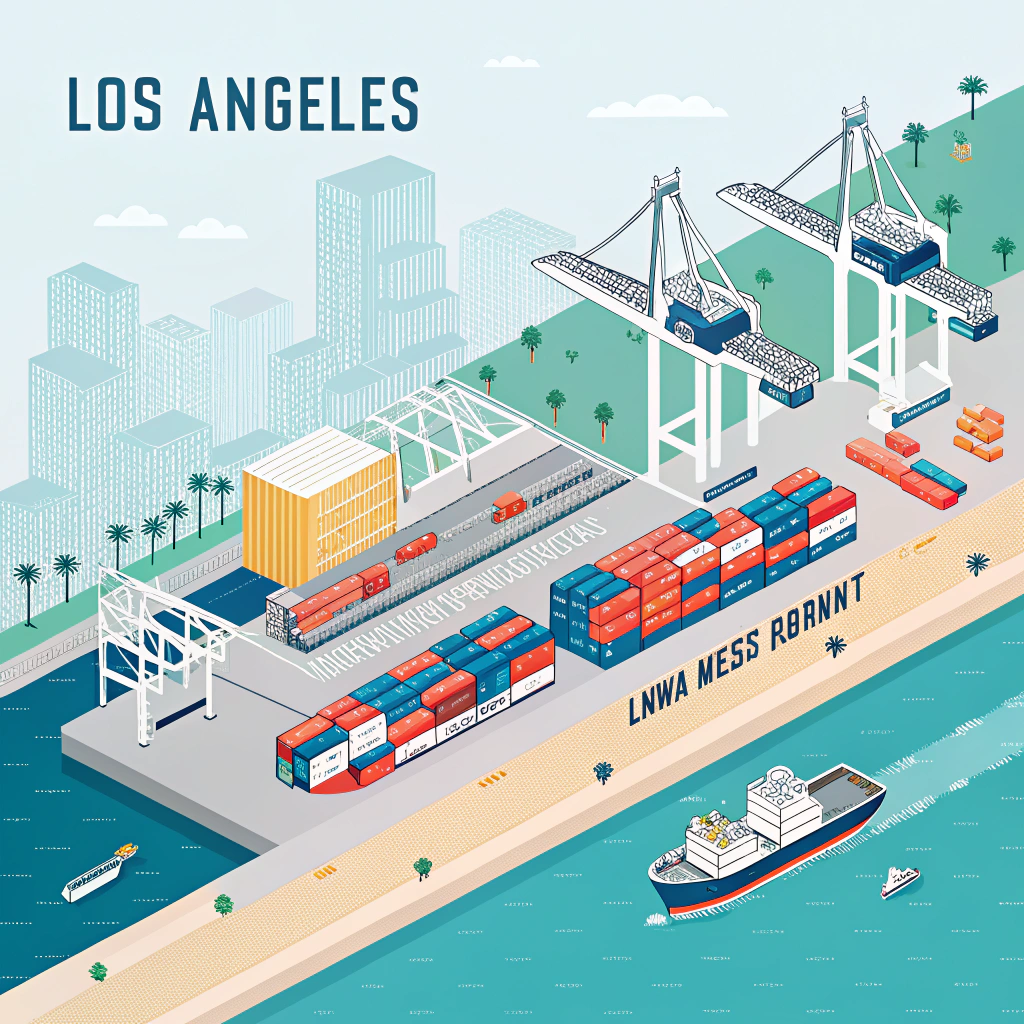
In today’s fast-paced global market, even minor delays at ports can have cascading effects on your supply chain. Common challenges include:
- Port Congestion1: A surge in shipping volumes often leads to long wait times and bottlenecks.
- Customs Procedures2: Complex and ever-changing customs regulations can cause delays and additional costs.
- Regulatory Compliance: Keeping up with updated trade policies and regulatory requirements is essential for avoiding penalties.
- Freight Management: Effective management of freight and container logistics is key to minimizing downtime and costs.
These challenges create uncertainty. Delays at the ports not only elevate operational costs but also risk damaging client relationships, affecting market competitiveness. Thus, a clear understanding and proactive management of these issues are paramount.
U.S. West Coast ports, especially Los Angeles and Long Beach, are integral components of international supply chains. Their strategic locations and connections to extensive domestic transportation networks make them indispensable to North American trade.
Below is a comparison table outlining the core characteristics of the Port of Los Angeles and the Port of Long Beach:
| Feature | Port of Los Angeles | Port of Long Beach |
|---|---|---|
| Cargo Volume | Handles a large volume; vibrant hub for consumer goods and industrial imports. | Similar volume; renowned for containerized cargo. |
| Infrastructure | Modern infrastructure with advanced digital systems for tracking cargo and streamlined customs processes. | State-of-the-art facilities supported by ongoing investments in technology and automation. |
| Location & Connectivity | Proximity to major U.S. markets with efficient access via highways and rail. | Extensive intermodal connections3 ensuring smooth inland distribution. |
| Handling Capacity | High capacity for container handling and bulk cargo. | Notable for precision in cargo sorting and specialized handling of certain commodities. |
| Customs and Security | Robust security measures and a comprehensive digital customs system. | Similar security protocols with a focus on rapid clearance processes. |
Understanding these features helps logistics professionals determine the best port strategy to suit their specific supply chain needs.
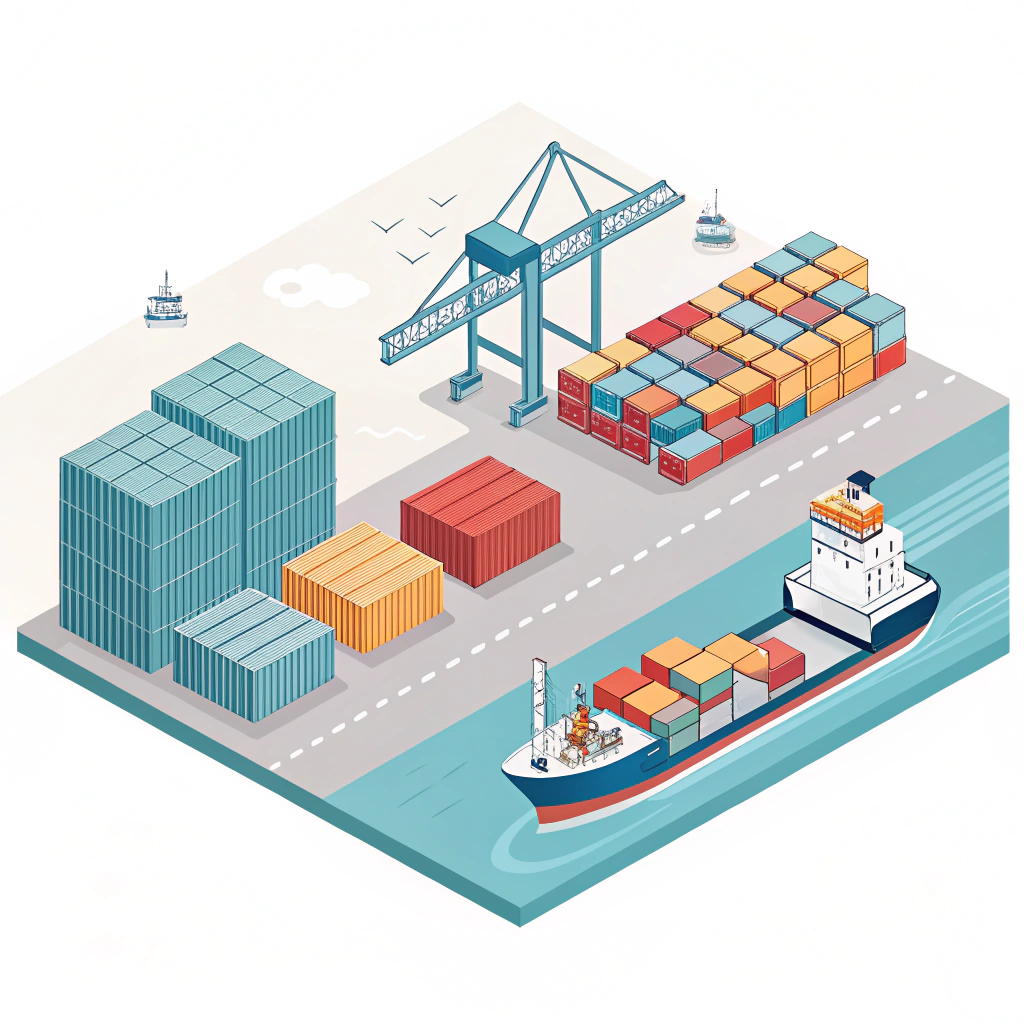
Identifying why port delays occur is the first step toward effective resolution. Several key factors contribute to bottlenecks at the West Coast ports:
- Increased Global Trade Volumes: The surge in global trade has created unprecedented demand on port facilities, leading to congestion, especially during peak seasons.
- Complex Customs Procedures: The detailed documentation and verification processes required by U.S. Customs and Border Protection (CBP) can slow down cargo clearance.
- Regulatory Changes4: New trade policies, tariffs, and environmental regulations often lead to abrupt operational shifts, requiring rapid adjustments in routine procedures.
- Labor Shortages and Workforce Issues: Port operations depend on skilled labor. Shortages or labor disputes can significantly impact operational efficiency.
- Technological Integration Gaps: Although both ports are increasingly adopting digital systems, lag in integration across various checkpoints can result in logistics delays.
Realizing these components provides the basis for implementing corrective actions.
For B2B procurement and supply chain professionals, mitigating these operational challenges involves a proactive approach and strategic planning. Here are actionable solutions to consider:
Advanced planning is essential. It involves:
- Scheduling Shipments: Coordinate with carriers to schedule shipments during off-peak hours or less congested days.
- Accurate Documentation: Ensure all cargo documentation is complete and compliant with U.S. customs regulations to avoid delays.
Adopt digital solutions to gain real-time visibility over cargo movements:
- Automated Tracking Systems: Use integrated systems that provide real-time updates on container status.
- Digital Documentation Platforms5: Transition from paper-based methods to digital systems to speed up customs clearance.
Collaborating with logistics and sourcing experts such as specialized sourcing agents (without explicitly mentioning any services) can help:
- Expert Oversight: Professionals can monitor compliance, streamline documentation, and manage unforeseen disruptions.
- Negotiation and Dispute Resolution: Experienced partners help negotiate with port authorities and resolve issues swiftly.
Stay aware of regulatory changes and operational updates by:
- Regular Training: Ensuring your team stays up-to-date with regulatory changes and new port procedures.
- Data Analytics: Implement analytics to predict and manage potential delays based on historical data and current trends.
| Action Item | Description | Consideration |
|---|---|---|
| Shipment Scheduling | Plan shipments during off-peak hours | Align with carrier schedules |
| Documentation Accuracy | Ensure all customs documentation meets current regulatory standards | Use digital documentation tools |
| Technology Integration | Adopt tracking systems and automated scheduling software | Invest in IT upgrades |
| Partner Collaboration | Work with sourcing and logistics experts | Verify partner credibility |
| Regulatory Monitoring | Regularly update your team on new customs and trade policies | Schedule periodic reviews |
These strategic actions provide a robust roadmap for maintaining an efficient supply chain despite extensive challenges.
Several industry studies and port authority reports have illustrated the impact of congestion and procedural delays on overall supply chain performance. A 2022 report from the Pacific Maritime Association highlighted that:
- Average Container Dwell Time: Increased by approximately 20% during peak periods.
- Cost Impact: Additional delays can lead to significant cost increments, up to 15% in some cases.
Such data underscores the importance of implementing the above best practices. Companies that have adopted digital tracking and partnered with specialized logistics providers have noted improvements in on-time delivery rates and overall customer satisfaction.
| Metric | Before Implementing Solutions | After Implementing Solutions |
|---|---|---|
| Average Delay Time (hours) | 48 | 36 |
| Cost Increase (%) | 15% | 8% |
| On-Time Delivery Rate (%) | 80% | 90% |
The integration of such data-driven decision-making processes helps businesses minimize risk and enhances overall supply chain resilience.
U.S. customs procedures are subject to change, and staying updated on these changes is essential for smooth port operations. Recent updates include:
- Enhanced Security Protocols: New security measures continue to be implemented to protect against smuggling and other illegal activities.
- Digital Transformation of Customs Procedures: With the introduction of more robust online systems, U.S. Customs now emphasizes digital submissions and real-time data tracking.
- Trade Policy Adjustments: Adjustments in trade policies, including tariff revisions, have a direct impact on processing times and documentation requirements.
For B2B decision makers, it is crucial to have systems in place to monitor these changes continuously and adjust strategies accordingly.
An understanding of U.S. West Coast ports is indispensable for efficient international logistics. The Port of Los Angeles and Port of Long Beach are not only major gateways but also dynamic environments where operational excellence is essential for keeping supply chains running smoothly.
Key takeaways include:
- Proactive planning and accurate documentation are vital in minimizing delays.
- Adoption of modern technology and digital solutions can provide timely visibility and reduce manual errors.
- Collaborating with trusted partners and experts helps navigate complex regulatory landscapes effectively.
- Continuous monitoring of regulatory developments ensures that your supply chain remains adaptive and resilient.
For supply chain managers and logistics professionals, these insights offer a practical guide to optimizing your operations when dealing with the challenges at U.S. West Coast ports. Adapting these methods can lead to improved efficiency, reduced costs, and enhanced supply chain reliability.
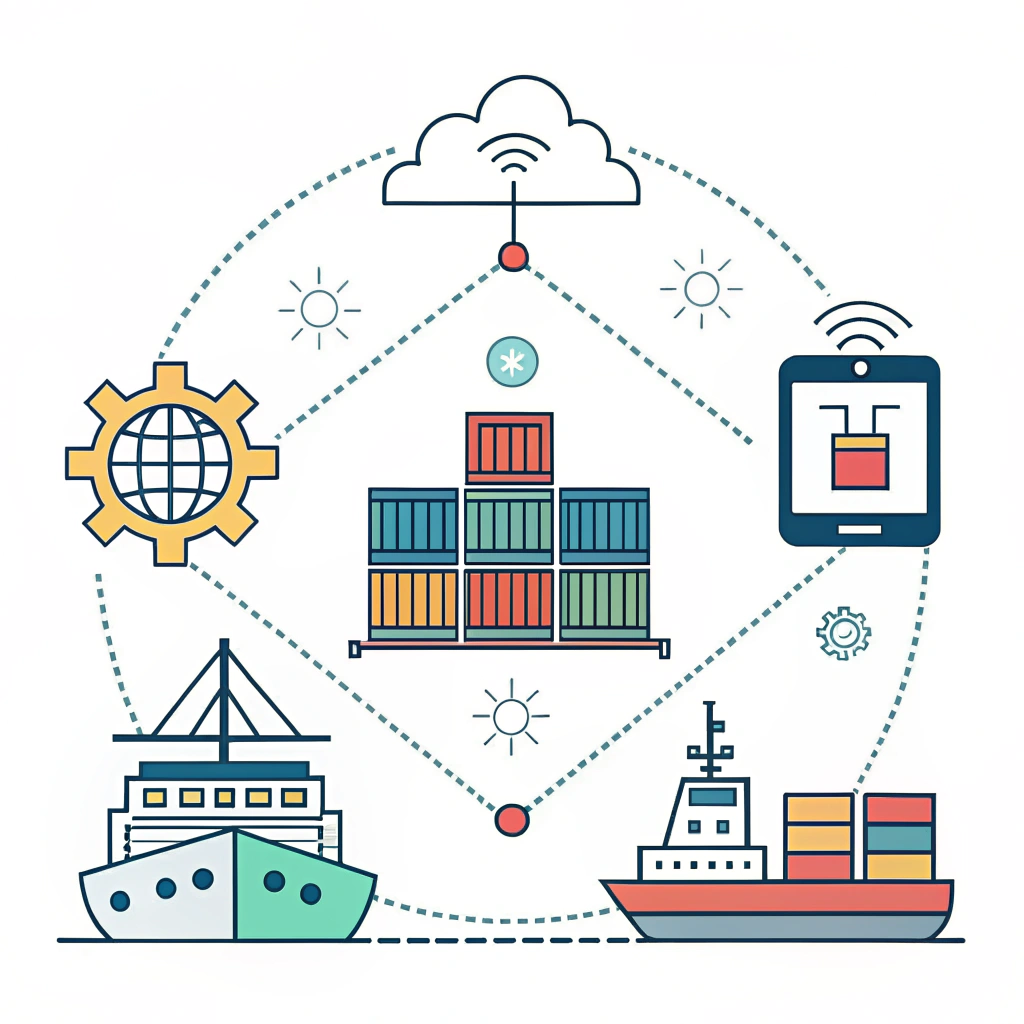
The main port of entry on the U.S. West Coast is the Los Angeles/Long Beach Seaport, which serves as a critical hub for containerized cargo and a key gateway for goods entering the United States.
The primary port on the U.S. West Coast is the Port of Los Angeles. Along with its adjacent Port of Long Beach, they form one of the busiest and most vital ports for international trade, handling a significant portion of the country’s imports and exports.
-
Port Congestion: Click to read an in-depth explanation of how surges in shipment volumes at ports can create bottlenecks and impact overall logistics performance. ↩ ↩
-
Customs Procedures: Click to learn more about the evolving customs regulations that affect cargo clearance and how businesses can navigate these complexities. ↩ ↩
-
intermodal connections: Click to explore the intricacies of intermodal logistics and how seamless connectivity between different transport modes enhances supply chain efficiency. ↩ ↩
-
Regulatory Changes: Click to understand how shifts in trade policies, tariffs, and environmental regulations can abruptly alter port operations. ↩ ↩
-
Digital Documentation Platforms: Click to discover how transitioning from paper-based methods to digital documentation can streamline customs clearance and improve operational agility. ↩ ↩