

Commercial Invoices1 are the key documents in international trade, providing a detailed record of the transaction with essential information on product description, quantities, values, and parties involved.
In the dynamic world of international trade, a commercial invoice is not just a piece of paperwork; it is a fundamental document that supports customs clearance2, facilitates trade compliance3, and ensures that both export and import processes run smoothly. Whether you are a trade compliance officer, a supply chain manager, or an export/import specialist, understanding the elements and implications of a commercial invoice is critical to avoid costly delays and compliance issues.
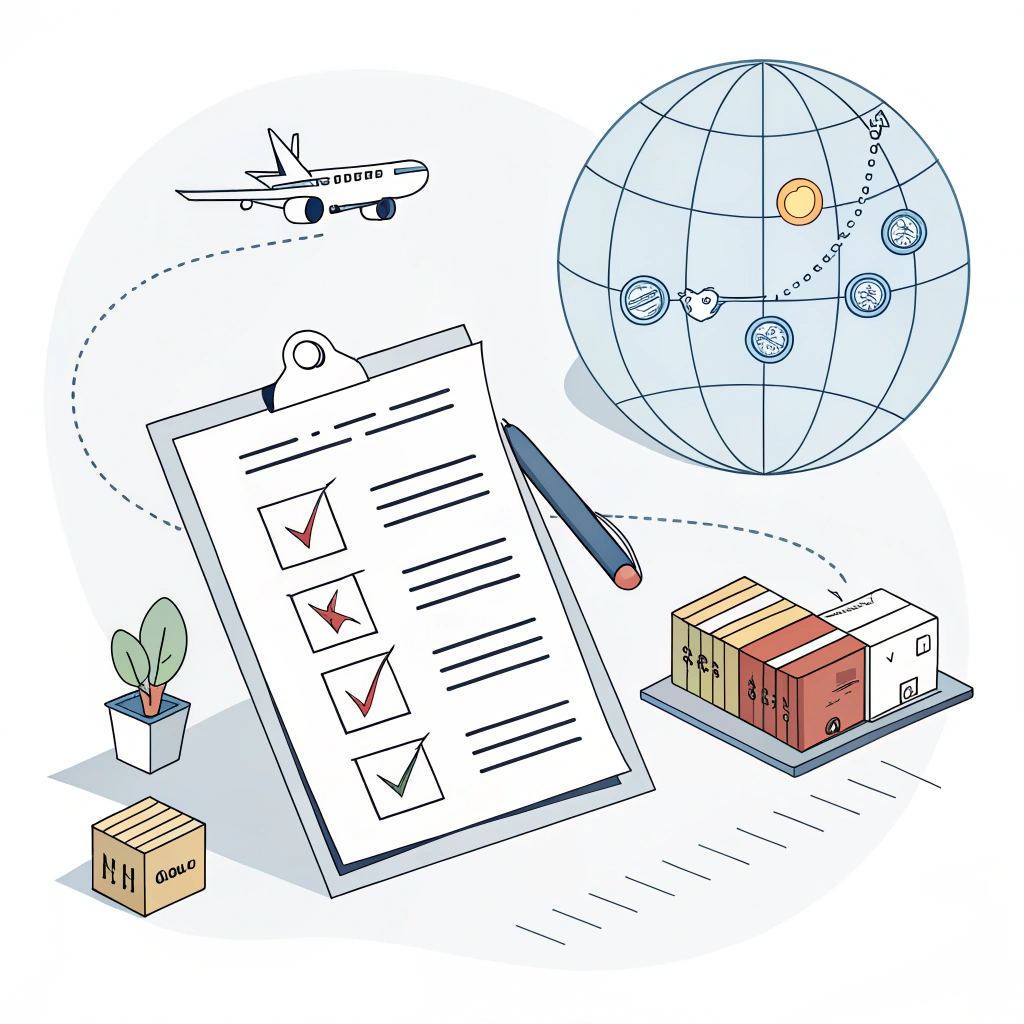
Every shipment crossing borders is subject to rigorous customs examinations. A commercial invoice must meet detailed regulatory requirements, be completely accurate, and provide a transparent overview of the traded goods. However, many businesses face challenges such as:
- Incomplete product descriptions leading to customs delays.
- Miscommunication on shipment values causing discrepancies.
- Inaccurate buyer and seller details that can trigger regulatory audits.
- Lack of standardization making it hard to align with international regulations.
These issues not only impact the efficiency of the shipment process but also increase the risk of non-compliance, fines, or even the seizure of goods at customs. Therefore, it is imperative to understand what constitutes a well-prepared commercial invoice, how it supports legal and logistical frameworks, and the best practices to implement.
Commercial invoices serve several functions that are central to international trade:
- Customs Clearance: They provide customs authorities with vital details to assess duties and taxes.
- Regulatory Compliance: They ensure that the transaction adheres to both local and international trade laws.
- Proof of Transaction: Acting as a contract between the buyer and seller, they detail the agreed-upon price, quantity, and quality of the goods.
- Trade Financing: Financial institutions often scrutinize commercial invoices when processing trade finance, ensuring that the value and legitimacy of the goods are properly documented.
These documents are also used as legal evidence in disputes, making accuracy and thoroughness a priority.
Before we explore solutions, it is critical to analyze the common pitfalls encountered with commercial invoices and understand their underlying causes:
- Vague Descriptions: Often, the descriptions on the invoices are either too generic or fail to provide adequate detail. This may result from a lack of industry standardization or inadequate internal processes.
- Inaccurate Valuations: Incorrect valuation of goods can occur due to rapidly changing market prices or miscommunication between the sales and shipping departments.
- Omission of Essential Data: Missing data such as tax identification numbers, invoice numbers, or shipping dates can lead to significant delays or fines at customs.
- Language Barriers and Translation Errors: Especially in international settings, language discrepancies can lead to misinterpretations of critical invoice information.
Understanding these issues helps businesses pinpoint weak areas in their documentation process and formulate a strategy to avoid compliance risks.
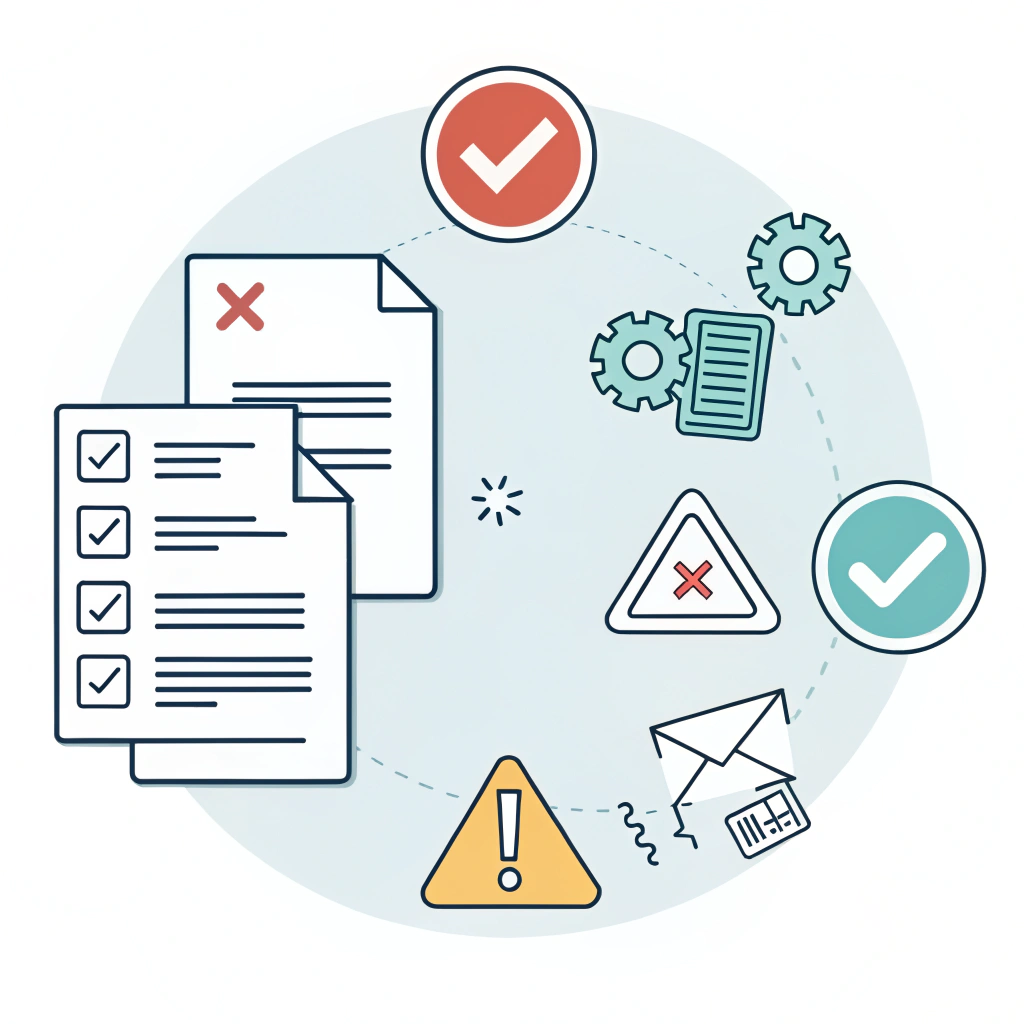
To mitigate the risks and ensure smooth operation through the global trade process, follow these detailed steps when preparing your commercial invoice.
Ensure you have accurate and updated details for both the exporter and the importer. This includes full legal names, complete addresses, contact information, and tax-related identifiers.
The commercial invoice must include a clear and adequate description of the merchandise. This should cover:
- Product Name and Model: Exact names, model numbers, and, if applicable, serial numbers.
- Detailed Description: Provide specifics including the material, weight, and purpose of the goods.
- HS Code4: Harmonized System codes facilitate customs categorization.
Precision in quantities and values is fundamental, as discrepancies can lead to customs red flags. Include:
- Accurate Quantities: Clearly mention the number of units or weight.
- Unit Price and Total Invoice Value: Include the agreed currency.
- **Price Incoterms5: Define if the prices are FCA, FOB, CIF, etc.
A commercial invoice must be clearly marked with an “Invoice Title” along with a unique invoice number and date. Correct formatting avoids misinterpretation during customs inspections.
Each country may have additional specific requirements for commercial invoices. Being aware of these requirements will help prevent delays. Consult up-to-date trade regulations and possibly seek advice from local trade authorities if shipping to new markets.
Below is a table summarizing the crucial components every commercial invoice must include:
| Component | Description | Notes |
|---|---|---|
| Invoice Title | Clearly labeled as “Commercial Invoice” | Must be prominent |
| Invoice Number & Date | Unique identification for tracking and record purposes | Essential for reference |
| Seller & Buyer Details | Full legal names, addresses, and tax IDs | Avoids regulatory issues |
| Product Descriptions | Detailed description including HS codes, materials, and quantities | Facilitates customs classification |
| Unit Prices & Total Value | Accurate pricing information including total invoice value | Currency must be specified |
| Incoterms | Delivery and shipping terms agreed upon | Critical for shipment responsibility |
| Additional Requirements | Any supplementary documentation required by the importing country | Always check country-specific regulations |
By carefully following this checklist, you ensure that your invoice adheres to international standards and minimizes risks related to misclassification and undervaluation.
Consider the case of a major electronics manufacturer, which encountered numerous delays due to vague descriptions and inaccurate invoice data. After implementing a structured approach aligned with the checklist above, the company experienced a dramatic reduction in compliance issues.
The refined process involved:
- Training the sales and logistics teams on trade documentation.
- Utilizing invoice templates that enforced the inclusion of all mandatory details.
- Integrating a double-check system before final approval and shipment.
The result was a 30% reduction in customs clearance delays, improved supplier relationships, and a notable decrease in additional costs related to documentation errors. This case demonstrates how strategic improvements in commercial invoice preparation can positively impact overall business efficiency.
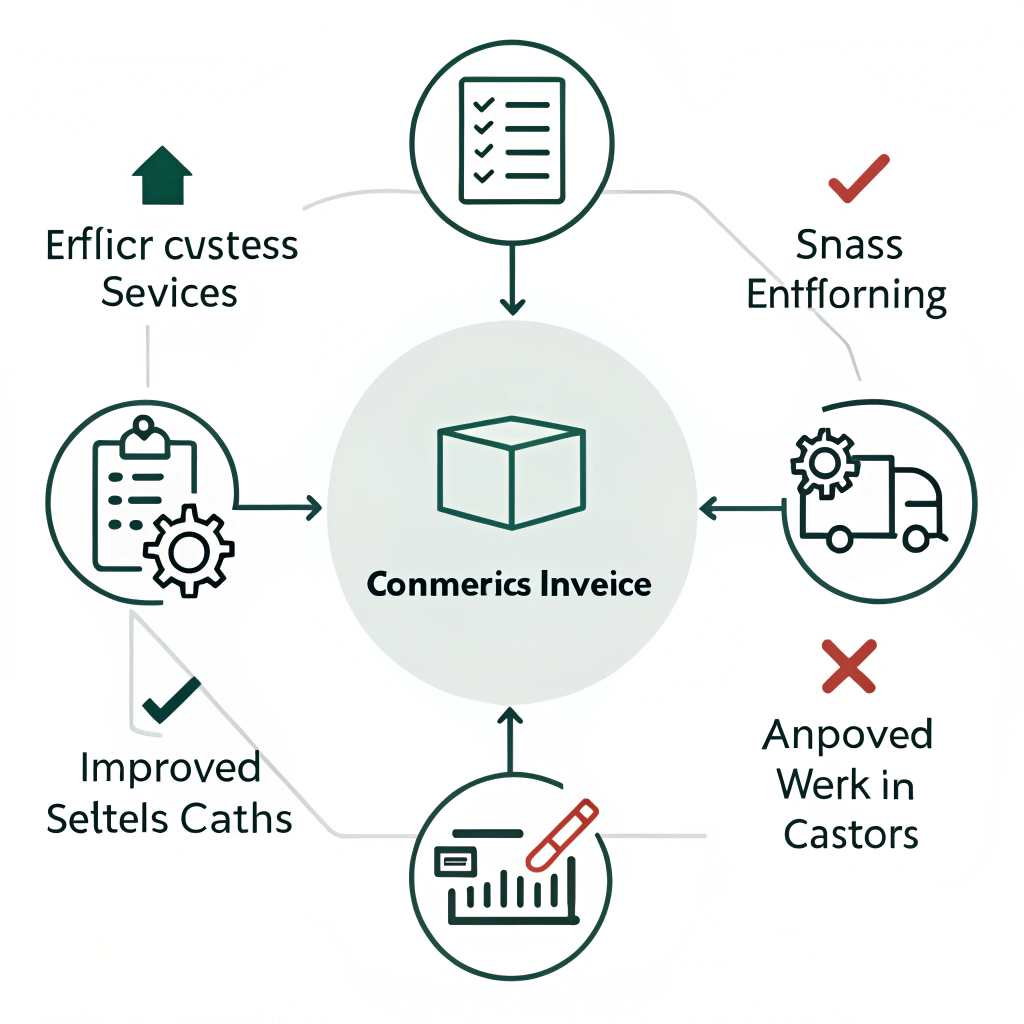
To embed a culture of accurate documentation and trade compliance across your organization, here are a few best practices:
- Employee Training: Regular training ensures that all stakeholders are aware of the latest compliance requirements.
- Process Audits: Regular internal and external audits provide insights into potential gaps in your documentation process.
Implement automation tools that can help you generate invoices with minimal manual error. Software solutions can integrate with your supply chain management and customer relationship systems to ensure consistency across all documentation.
Staying updated with the latest international trade regulations reduces the risk of unforeseen compliance issues. Regular communication with regulatory authorities and participation in trade seminars can provide early warnings of any upcoming changes in trade documentation requirements.
The practice of including three copies of your commercial invoice in each shipment is widely recognized as a method to guarantee that when goods reach customs, every checkpoint has access to the necessary documentation. Different copies can serve multiple purposes: one for customs, one for the carrier, and one for the consignee. This redundancy is crucial for cross-referencing and ensuring that all stages of the shipping process are accurately documented.
The commercial invoice is more than just an administrative tool—it is the backbone of international shipment documentation. Its accuracy, detail, and compliance can make or break your shipment process. To summarize:
- A commercial invoice must encompass every critical detail about the trade transaction.
- The accuracy of the invoice directly affects customs clearance, duty assessments, and trade finance procedures.
- Following a structured approach as outlined in the checklist minimizes risks associated with trade documentation errors.
- Continuous process optimization, employee training, and leveraging technology are key drivers in maintaining compliance and operational efficiency.
By adopting these practices, businesses can ensure a smooth transition through the myriad regulatory checkpoints across global markets, ultimately leading to more efficient international trade operations.
An accurate and comprehensive commercial invoice is essential not only for compliance but also for fostering smoother trade flows and reducing operational hiccups. By implementing the strategies and best practices discussed, your business can enhance its trade documentation processes, avoid costly delays, and ensure that every international transaction is executed with precision.
If you are looking to refine your commercial invoicing process or need tailored solutions for your trade compliance strategy, consider integrating expert advice and automated systems into your workflow. These steps will guide you through the complexities of international trade and establish a reliable cornerstone for all your cross-border transactions.
Q: What are the requirements for a commercial invoice?
A: A commercial invoice must include an adequate description of the merchandise, precise quantities, and clear values or approximate values of the merchandise. It is essential for customs to correctly classify and assess the shipment.
Q: What must be checked on the commercial invoice?
A: A valid commercial invoice should be clearly labeled, include a unique invoice number and issue date, and provide complete details for both the seller and the buyer, including full legal names, addresses, and tax identification numbers.
Q: Why do you need 3 copies of commercial invoice?
A: Including three copies of the commercial invoice in the shipment ensures that all necessary parties such as customs, the carrier, and the consignee have access to the document, facilitating a smoother transit through customs clearance.
-
Commercial Invoices: Reading this article will give you an in-depth understanding of how commercial invoices serve as essential records in international trade by detailing products, values, and parties involved. ↩
-
Customs Clearance: Explore this link to learn about the procedures and importance of customs clearance in ensuring that shipments comply with international regulations. ↩
-
Trade Compliance: Click here to understand trade compliance and how adhering to both local and international trade laws can help prevent costly delays and penalties. ↩
-
HS Code: This article explains how Harmonized System Codes are used to classify traded products for customs and ensure proper tariff allocation. ↩
-
Incoterms: Discover the role of Incoterms in defining shipping responsibilities and risk transfers between buyers and sellers in international trade. ↩