
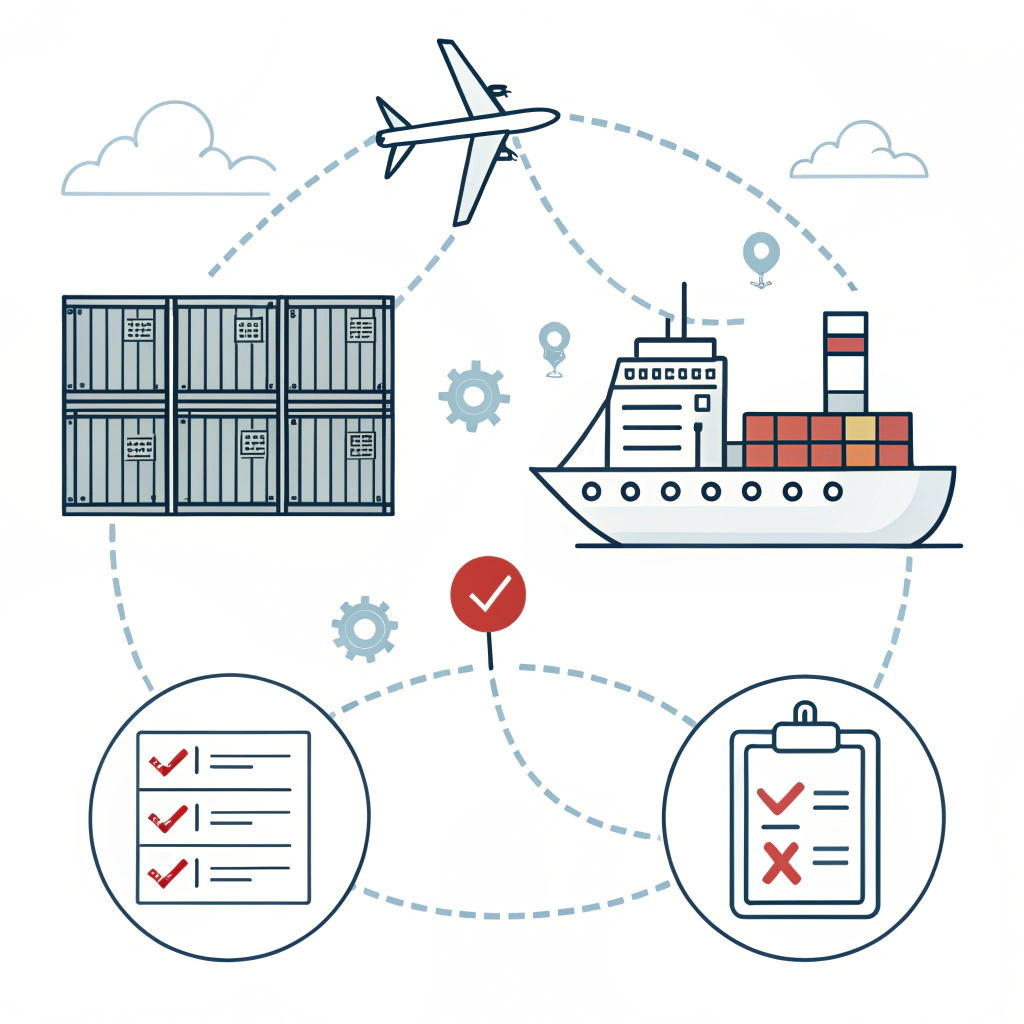
Shipping imports from China can be a complex process, but understanding the key steps and common challenges allows businesses to navigate it with confidence. This guide breaks down common obstacles, provides actionable solutions, and equips you with the necessary tools to ensure your shipments arrive on time and compliant with international trade regulations.
Shipping imports from China involves dealing with a multitude of regulations, diverse shipping methods, and variable costs. For procurement managers, logistics coordinators, and business owners, these challenges include ensuring product quality, navigating customs regulations, selecting the right freight method, and managing shipping documentation.
Key Challenges Include:
- Logistics Complexity: Choosing between ocean freight, air freight, or rail shipping based on cost, time, and volume.
- Regulatory Compliance: Meeting customs requirements, import duties, and obtaining proper permits.
- Cost Optimization: Balancing shipping costs and reducing unforeseen expenses like port fees or demurrage1.
- Quality and Supplier Reliability: Ensuring that the quality control measures are met before products leave the factory.
Understanding these challenges is the first step toward a smooth import process. Let’s explore why these hurdles exist and how to address them.
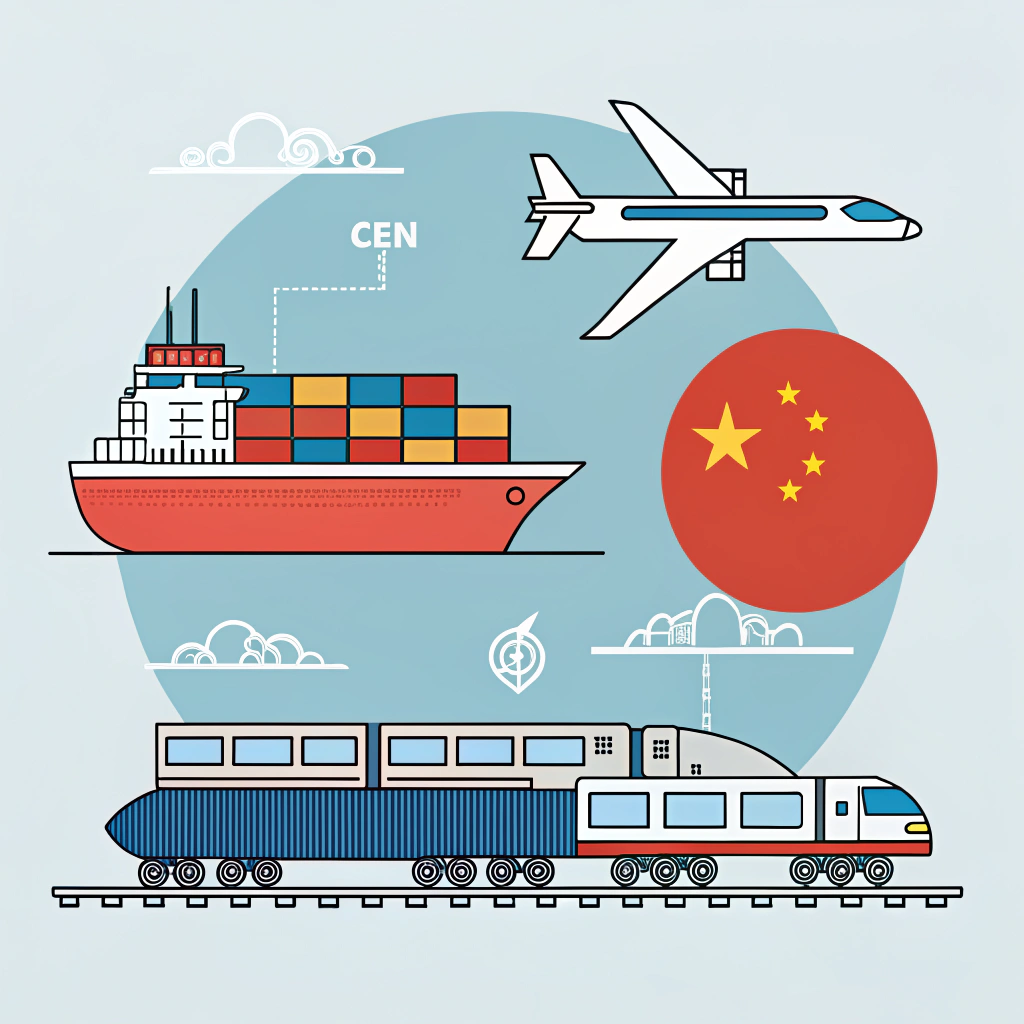
Understanding the reasons behind common shipping and import challenges is essential:
-
Diverse Shipping Options:
China offers several shipping methods such as ocean freight, air freight, and even rail transportation. Each method has trade-offs in terms of cost, speed, and capacity. Deciding the most cost-effective option can be challenging, especially when balancing time constraints with budget limitations. -
Complex Regulatory Requirements:
Each destination country has its own customs regulations and documentation requirements. Additionally, international trade agreements, Incoterms2 and import duties all add layers of complexity. Businesses must not only familiarize themselves with these protocols but also maintain up-to-date compliance standards. -
Supplier Practices:
Many Chinese suppliers offer competitive pricing; however, quality control varies widely. There is a critical need to perform due diligence by reviewing supplier credentials, certifications, and customer feedback before committing to large orders. -
Cost Management Issues:
Hidden costs can emerge from factors like additional handling fees, unexpected freight surcharges, and delays at customs. Accurate cost estimation requires a detailed understanding of the entire supply chain, including logistics and customs clearance processes.
Here is a comprehensive solution checklist aimed at addressing the challenges faced during the shipping import process from China:
| Step | Description | Critical Points |
|---|---|---|
| 1. Supplier Vetting | Conduct thorough research on potential suppliers, assessing quality and reviews. | Look for certifications and third-party audits. |
| 2. Choose the Right Shipping Method | Evaluate shipping modes (ocean vs. air) based on volume, time, and cost. | Understand the trade-offs for each shipping mode. |
| 3. Understand Incoterms | Educate yourself on Incoterms to clearly define buyer-seller responsibilities. | Refer to international trade guidelines. |
| 4. Prepare Documentation | Manage export documents, commercial invoices, packing lists, and certificates of origin. | Ensure all documents meet customs requirements. |
| 5. Calculate Import Duties and Taxes | Use the correct commodity codes3 to estimate and plan for import duties and VAT. | Factor in both the cost of goods and shipping costs. |
| 6. Partner With a Reliable Freight Forwarder4 | Engage a freight forwarder to handle logistics and customs clearance. | Choose forwarders with a strong track record. |
| 7. Plan for Contingencies | Anticipate delays in customs or transit by building buffer time into your schedule. | Prepare alternative shipping options if necessary. |
Taking these steps can help mitigate risk, ensure smoother logistics, and optimize shipping costs.
Begin with robust supplier vetting:
- Research and Reviews: Ensure suppliers have positive reviews and a track record of consistent quality.
- Certifications: Look for suppliers accredited by recognized quality standards or certified by third-party agencies.
- Sample Orders: Request product samples to verify quality before committing to a larger order.
Implementing these measures minimizes the risk of receiving substandard products, which can disrupt your entire supply chain.
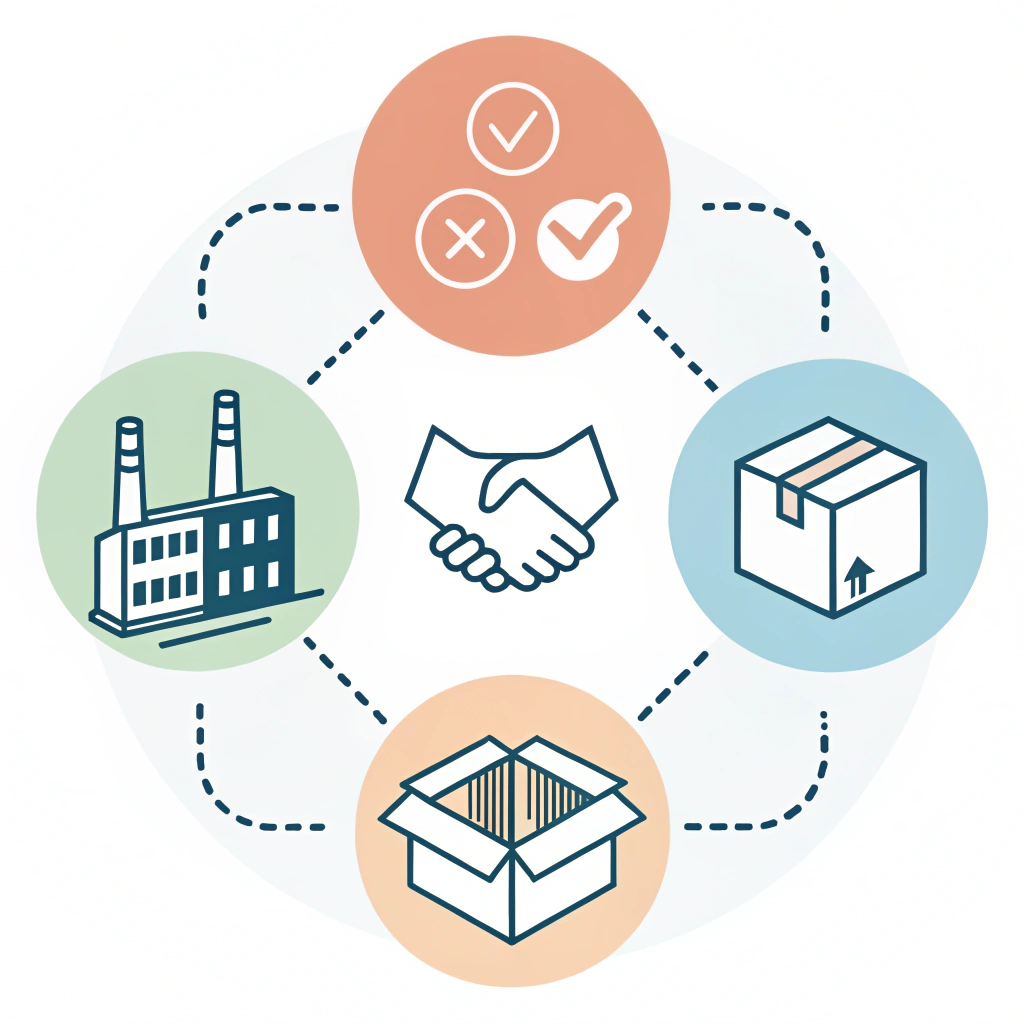
When shipping imports from China, choosing the most suitable freight option is vital:
-
Ocean Freight:
Ideal for large, heavy, or bulky shipments that are not time-sensitive. It provides cost efficiency via shipping containers, though transit times can be longer. -
Air Freight:
Suitable for high-value or time-sensitive shipments, albeit at a higher cost compared to ocean freight. -
Rail or Road Transportation:
These methods can be considered for shipments within the region, offering a balance between cost and transit efficiency.
Decision-Making Tips:
- Assess the volume and value of your shipment.
- Consider turnaround times required to meet market demand.
- Evaluate cost differences and additional handling charges.
Customs clearance is a critical step in the import process. To avoid delays:
-
Accurate Documentation:
Ensure all documents such as commercial invoices, bills of lading, and certificates are correct and complete. Missing or incorrect paperwork can trigger delays or fines. -
Know Your Duties:
Different products attract varied duty rates based on their commodity codes. Research these rates beforehand to budget appropriately. -
Import Licenses:
Depending on the product category, you may need permits or import licenses. For instance, some items require an Importer Exporter Code (IEC)5 or certifications from relevant bodies.
Using a knowledgeable freight forwarder4 can streamline these processes, reducing the risk of non-compliance and ensuring your goods move efficiently through customs.
Shipping costs involve more than just the freight fee. Consider:
-
Additional Costs:
These may include fuel surcharges, handling fees, port charges, and insurance. -
Contingency Planning:
Always plan for unexpected expenses by building a buffer into your cost estimates.
A detailed cost analysis enables informed decision-making and helps prevent any unpleasant surprises during transit.
Risk management is paramount for international shipping:
-
Delays in Transit:
Build transit time buffers in your planning schedule to accommodate potential customs inspections or shipping delays. -
Insurance:
Consider shipping insurance to cover potential losses due to damage or misplacement during transit. -
Alternate Shipping Options:
Have backup plans such as alternate carriers or routes to minimize disruption in your supply chain.
Drawing on real-life experiences and case studies from our partners, companies that invest in thorough risk assessments and contingency planning tend to experience fewer shipping disruptions.

Based on years of experience in Chinese sourcing, here are some expert tips for a smooth shipping import process:
-
Engage with a Global Logistics Partner:
Rely on experts who understand both the Chinese market and international shipping standards. Their guidance can help optimize your shipping parameters and documentation requirements. -
Stay Updated on Trade Policies:
International trade regulations are dynamic. Subscribe to updates from customs authorities and trade bodies to keep abreast of policy changes that might impact your imports. -
Leverage Technology:
Use advanced tracking systems and digital logistics platforms to monitor your shipments, manage documentation, and communicate with suppliers and freight forwarders in real time. -
Plan Incrementally:
Consider shipping a test batch to evaluate the entire process, identify any weaknesses, and refine your logistics strategy before scaling up.
- Audit your current shipping process to identify potential inefficiencies.
- Develop a detailed checklist incorporating regulatory and cost management factors.
- Consult with freight forwarding experts to tailor a shipping strategy that aligns with your business goals.
- Implement robust tracking and communication protocols to monitor shipment progress.
By following these recommendations, you can significantly reduce the complexity of shipping imports from China and bolster your supply chain efficiency.
What do I need to know about importing from China?
When importing from China, it is important to thoroughly research suppliers, ensure that products meet international standards, and verify supplier reputation through reviews and certifications. Understanding the logistics process and customs requirements is also key to avoiding disruptions.
Do I have to pay import duties from China?
Yes, you must pay the import duties and VAT as determined by the applicable commodity codes. These charges are applied to both the cost of goods and shipping fees. Failure to pay these duties can lead to delays in customs clearance and additional fines.
Do I need a permit to import from China?
Yes, certain goods may require import permits before they can be legally imported. For many types of imports, an Importer Exporter Code (IEC) is necessary to facilitate the process, ensuring compliance with regulations as set by the appropriate trade authorities.
-
Demurrage: Click to explore how demurrage charges can affect shipping costs and strategies to manage these extra expenses effectively. ↩ ↩
-
Incoterms: Click to learn about standardized international trade terms that define the responsibilities of buyers and sellers, helping to reduce ambiguity and risk in global transactions. ↩ ↩
-
Commodity Codes: Click to learn how using the correct commodity codes is essential for estimating import duties and managing cost allocations in international shipping. ↩ ↩
-
Freight Forwarder: Click to discover the role of freight forwarders in streamlining logistics operations, managing documentation, and ensuring timely customs clearance. ↩ ↩ ↩2
-
Importer Exporter Code (IEC): Click to understand the importance of the IEC in facilitating legal imports and exports, and ensuring regulatory compliance in international trade. ↩ ↩