
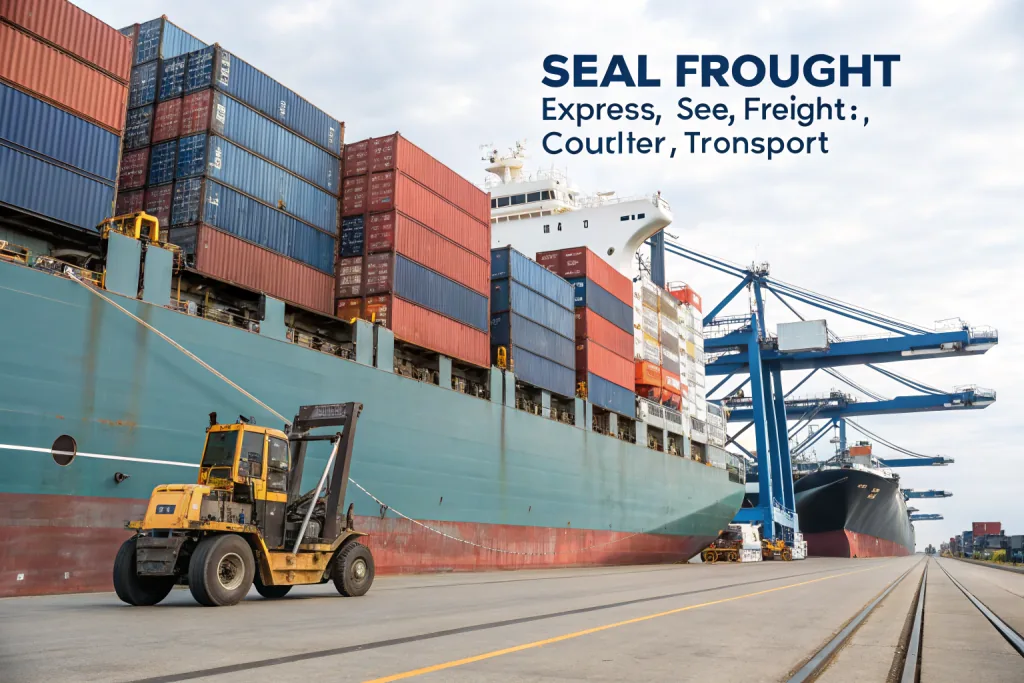
There are five main shipping methods from China to the USA in 2026: air freight, sea freight (FCL and LCL), express courier services, rail freight, and multimodal combinations. Each method offers different advantages in cost, speed, and reliability, with sea freight remaining the most economical for bulk orders and air freight dominating time-sensitive shipments. Understanding which option aligns with your budget, timeline, and product volume is essential for successful China-to-USA importing.
Shipping Method Comparison Table
| Shipping Method | Cost per CBM | Lead Time | Minimum Order | Best For |
|---|---|---|---|---|
| Sea Freight (FCL) | $800-$1,200 | 15-30 days | 15+ CBM | Large volume orders, cost-sensitive |
| Sea Freight (LCL) | $1,200-$2,000 | 18-35 days | 1-15 CBM | Medium orders, mixed goods |
| Air Freight | $4,000-$8,000 | 5-10 days | 100+ kg | Urgent shipments, high-value items |
| Express Courier (DHL/FedEx) | $15-$25 per kg | 3-7 days | Any weight | Small packages, samples, emergency orders |
| Rail Freight | $1,500-$2,500 | 12-18 days | 20+ CBM | Time-critical shipments at lower cost than air |
What Are the Top 3 Imports from China to the US?
The top three imports from China to the United States are electronics and electrical machinery (worth approximately $152 billion annually), apparel and textiles ($27 billion), and furniture and bedding ($20 billion), according to US Census data. These categories dominate bilateral trade because Chinese manufacturers offer competitive pricing, established supply chains, and specialized expertise in mass production.
For e-commerce sellers and SMB importers specifically, this means:
- Electronics: Including smartphone components, consumer electronics, computer parts, and IoT devices. Shipping costs average $2,500-$5,000 per FCL container, with lead times of 20-28 days via sea freight.
- Apparel & Textiles: Fast-fashion items, seasonal wear, and branded merchandise. Typical order volumes range from 500-5,000 units, with tariff rates of 16-20% depending on fabric composition and origin marking requirements.
- Furniture & Home Goods: Sofas, lighting fixtures, storage solutions, and decorative items. These products benefit most from FCL shipping due to high volume and lower per-unit shipping costs ($1.50-$3.50 per unit for complete living room sets).
What Is the Most Common Shipping Route from China to the USA?
The most common shipping route from China to the USA is the Transpacific route via major Chinese ports (Shanghai, Shenzhen, Ningbo) to US West Coast ports (Los Angeles, Long Beach, Oakland), followed by redistribution to inland destinations. This route accounts for approximately 68% of all China-US container traffic and offers the best balance of cost efficiency and transit time at 15-22 days.
Secondary routes include:
- Shanghai/Ningbo to Houston/Savannah: All-water route taking 22-30 days, more expensive but useful when West Coast ports experience congestion ($400-$600 additional per container).
- Chinese Ports to US East Coast via Suez Canal: 35-45 day journey, rarely used except for large dedicated shipments or when port capacity favors East Coast entry.
- Air Routes: Primarily Shanghai Pudong, Guangzhou, and Shenzhen to major US hubs (Los Angeles, Memphis, Indianapolis), taking 5-10 days and costing $4,000-$8,000 per CBM.
Sea Freight: FCL vs. LCL Shipping
Full Container Load (FCL) Shipping
FCL shipping involves reserving an entire 20-foot (TEU) or 40-foot (FEU) container, with current pricing ranging from $800-$1,200 per CBM depending on market conditions and season. A standard 40-foot container holds approximately 65-68 CBM, making the total cost $52,000-$81,600 for a complete shipment.
FCL Advantages:
- Lowest per-unit cost for large shipments (ideal for orders exceeding $15,000 in value)
- Direct port-to-port service with minimal handling
- Faster customs clearance when shipments are consolidated
- Better protection against damage and theft
FCL Disadvantages:
- Requires minimum 15+ CBM inventory commitment
- Higher upfront capital requirements
- Less flexibility if demand changes mid-transit
Less Than Container Load (LCL) Shipping
LCL consolidation allows importers to share container space with other shippers, with costs ranging from $1,200-$2,000 per CBM and minimum orders as low as 1 CBM. This method suits businesses importing between 500-3,000 units with moderate margins.
LCL Advantages:
- No minimum container commitment
- Suitable for mixed product shipments
- Lower entry cost for first-time importers ($800-$3,000 total)
- Faster reorder cycles possible
LCL Disadvantages:
- 3-8 day longer transit times due to consolidation/deconsolidation
- 30% higher per-unit costs versus FCL
- Increased handling risk and damage potential
- Customs delays if mixed commodities require separate documentation
Air Freight Shipping Costs and Timeline
Air freight from China to the USA costs between $4,000-$8,000 per CBM for standard cargo, with express rates reaching $12,000+ per CBM for time-critical emergency shipments. A typical 100 kg shipment costs $400-$800, making this method viable only for products with margins exceeding 50% or urgent stock replenishment.
When Air Freight Makes Sense:
- Seasonal items arriving within 7 days of deadline (holiday merchandise, back-to-school products)
- High-margin luxury goods or electronics with 60%+ margins
- Emergency restocking to avoid stockouts (potential lost sales exceeding $50,000)
- Sample orders before committing to full sea freight container
Cost Example: A shipment of 500 units (20 kg total) via DHL Express to Los Angeles costs approximately $300-$500, arriving in 4-5 days. The same shipment via air freight would cost $150-$250 but take 6-8 days.
Express Courier Services (DHL, FedEx, UPS)
International express courier services charge $15-$25 per kilogram for shipments to the USA, with pickup to delivery in 3-7 days depending on destination and service level selected. These services excel for samples, small orders, and e-commerce returns but become prohibitively expensive above 500 kg.
Typical Pricing by Package Weight:
- 1-5 kg packages: $60-$150 per package
- 5-10 kg packages: $120-$250 per package
- 10-50 kg shipments: $300-$1,500 (better per-kg rate)
- 50+ kg shipments: Switch to air freight for 40-60% savings
Rail Freight: An Emerging Option
China-USA rail freight via the China-US Express (CUE) service through Kazakhstan and Russia offers 12-18 day transit times at $1,500-$2,500 per CBM, positioning it between sea and air freight in both cost and speed. However, geopolitical factors and route reliability remain concerns for 2026, making this option suitable only for importers with flexible deadlines.
Key Considerations for Choosing Your Shipping Method
Your selection should balance three critical variables:
- Order Value: Products worth under $5,000 typically require LCL or express shipping; above $15,000 justifies FCL economics.
- Lead Time Requirements: If you need stock within 10 days, air freight or express courier are mandatory despite 3-5x cost premiums.
- Product Characteristics: Fragile items benefit from FCL’s superior handling; temperature-sensitive goods may require refrigerated containers ($500-$1,000 additional).
Customs, Tariffs, and Hidden Costs
Beyond freight charges, factor in US tariffs averaging 3.5-25% depending on product category, inspection fees ($500-$1,500 per shipment), and inland transportation to your facility. Most importers experience total landed costs 15-25% higher than quoted freight rates alone.
Expert Recommendation for SMBs
For most small and medium-sized importers, LCL shipping represents the optimal balance of cost-efficiency and flexibility. You gain sea freight’s relatively low per-unit costs while maintaining ordering flexibility without committing to $52,000+ container investments.
As your import volumes grow, consolidate shipments to FCL when you consistently exceed 15 CBM quarterly. Reserve air freight for genuine emergencies or high-margin products only.
This is where working with an experienced China sourcing agent becomes invaluable. Mangors Sourcing specializes in helping US and European SMBs navigate these shipping decisions while managing supplier vetting, quality control inspections, and customs documentation simultaneously. We handle the complete import journey—from identifying reliable manufacturers to arranging optimal shipping methods and coordinating final delivery.
Ready to optimize your China shipping strategy? Contact Mangors Sourcing for a free consultation. Our sourcing specialists will analyze your specific product category, order volume, and timeline to recommend the most cost-effective shipping method for your business. We’ll help you avoid expensive mistakes and reduce landed costs by an average of 12-18%.