
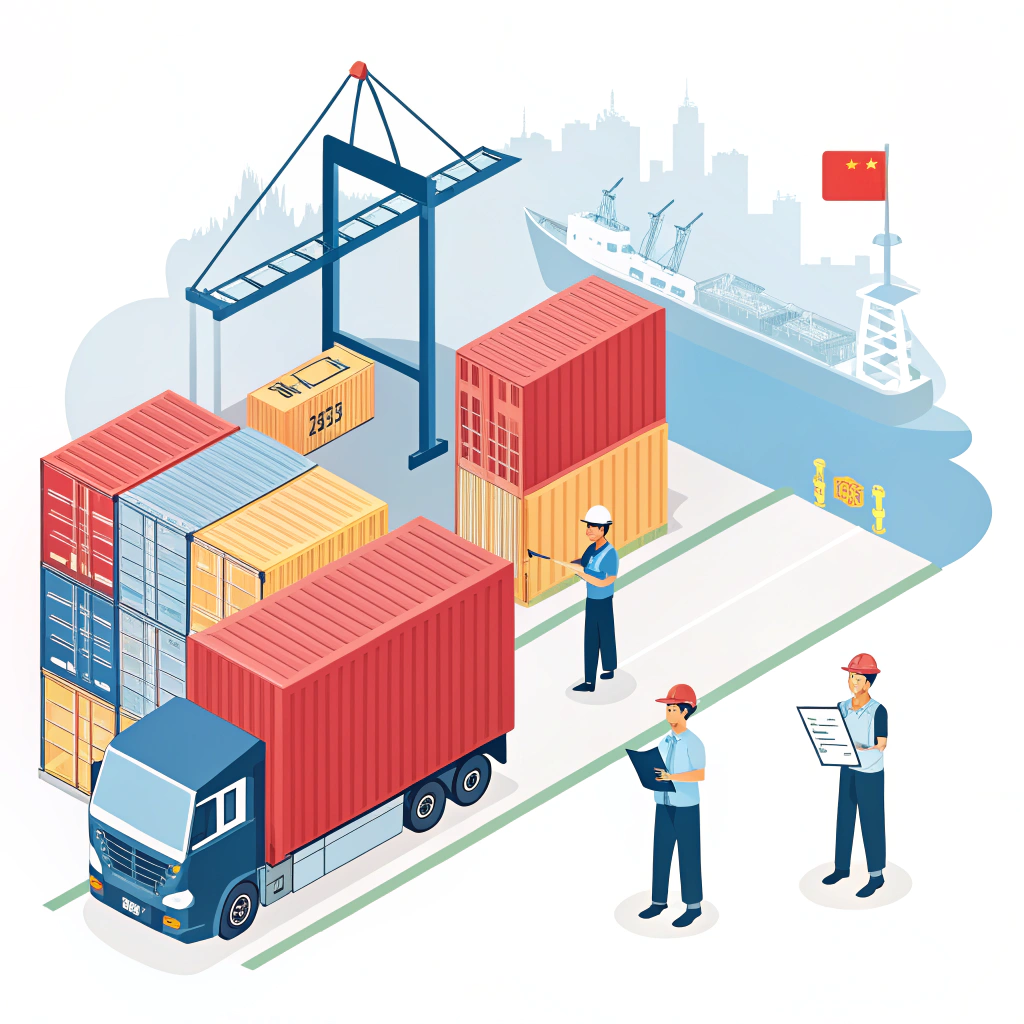
Quick Answer: To pick up your imported goods from a Chinese port, you need proper documentation—including customs clearance papers, relevant port permits, and, if needed, a TWIC card1—as well as a clear understanding of whether your shipment is FCL or LCL. A step‑by‑step plan covering inspection, payment of fees, and coordination with port authorities will help ensure a smooth pickup process.
Importing goods from China involves many detailed steps, and the pickup process at Chinese ports is no exception. This guide explains the key steps and best practices for picking up your shipment at the port. It is designed for B2B logistics managers, procurement officers, and import specialists who want a clear, practical roadmap.
When you decide to handle your port pickup, you take on the responsibility of managing customs processes, container handling, and compliance with port regulations. This can be complex if you are unfamiliar with the nuances of Chinese port operations. However, with the right preparation, it can be both cost‑effective and efficient.
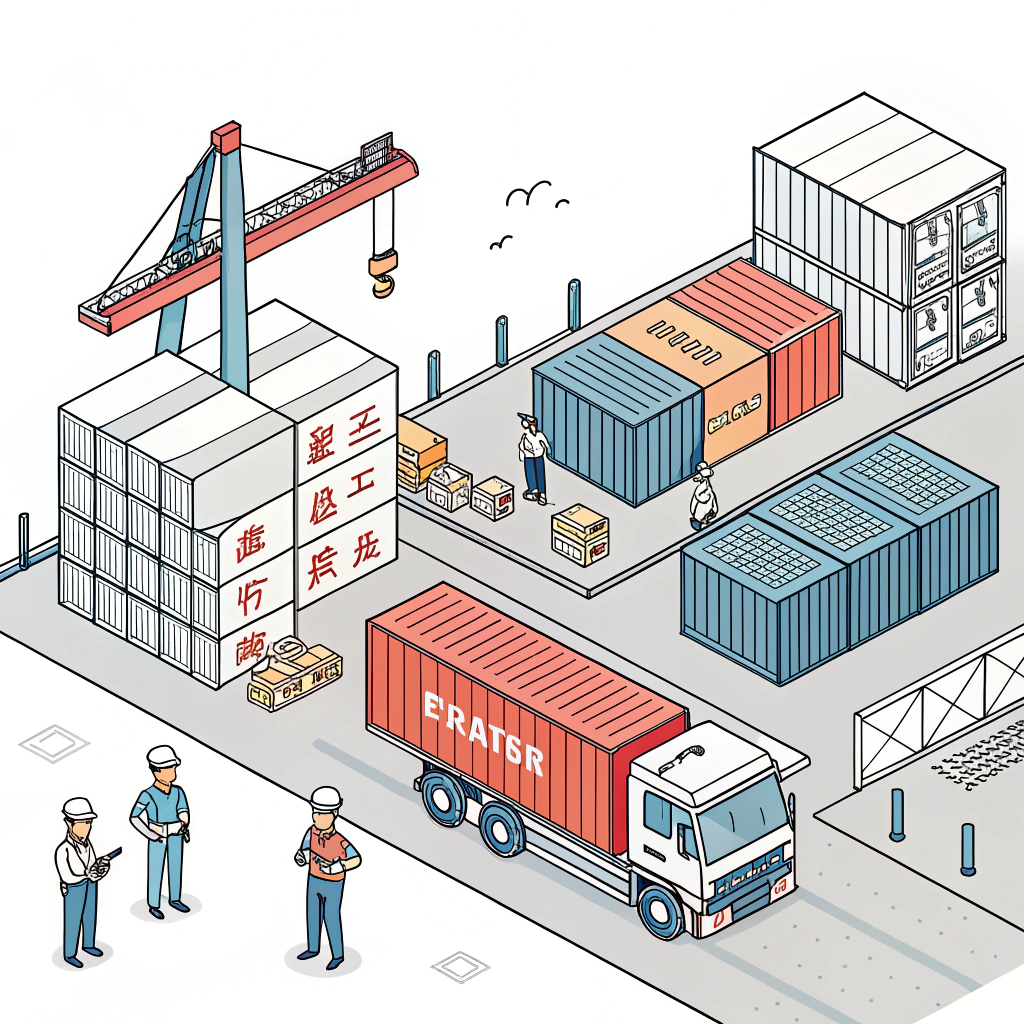
One of the most significant hurdles is the assembly of required documents. These include:
- Bill of Lading2
- Customs Declaration
- Purchase Order or Contract
- TWIC Card (if applicable, particularly for truckers handling the pickup)
- Container Release Order
Without proper documentation, delays and additional charges are likely.
Understanding whether you are picking up a Full Container Load (FCL)3 or Less than Container Load (LCL) is essential. An FCL shipment is straightforward—the entire container is assigned to your order and awaits pickup once unloaded in the container yard. In contrast, an LCL shipment must be moved to a Container Freight Station (CFS)4 and deconsolidated before you can pick up the goods. Each type has its own procedures and potential delays.
Working with multiple parties (port officials, customs agents, truckers) requires clear communication and coordination. Inconsistent regulations across ports may add another layer of complexity. Ensuring all parties are aligned is crucial to avoid costly downtime.
Follow these steps to successfully organize a port pickup from China:
Confirm with your freight forwarder or shipping line whether your shipment is an FCL or LCL. Check that the cargo has arrived and has been processed by port authorities. Contact the terminal to understand the release schedule.
Gather all required documents. This includes:
- Bill of Lading2
- Customs clearance documents
- Invoice and packing list
- Release orders from the shipping line
- Relevant permits like the TWIC card if required by the port
Additionally, consult with your freight forwarder to check if there are any additional local requirements.
Coordinate with an approved port pickup service provider or a trucker who understands local regulations. Confirm the scheduled pickup date and time, ensuring that:
- The carrier has the necessary clearances.
- The trucker is aware of any specific weight or size regulations.
Be prepared to pay port handling fees, storage fees (if any), and any demurrage charges5. Ensure clarity on the fee structure with your shipping line or port operator. A clear fee schedule helps avoid unexpected costs.
Double-check the cargo details upon reaching the port. Verify that the shipment details match your documentation. If the shipment includes high-value or sensitive items, consider arranging a quality inspection prior to final release.
Proceed to the designated picking area:
- For FCL shipments, go directly to the container yard.
- For LCL shipments, ensure the goods have been forwarded to the Container Freight Station (CFS) and are ready for collection.
Ensure the truck is compliant with the port’s safety standards.
After loading, obtain all necessary clearance documents from the port authority. This will serve as proof of shipment release and can be useful for any future claims or audits.
Below is a table summarizing the proposed solutions for a seamless port pickup process:
| Step | Action Required | Key Documentation/Requirement | Potential Pitfalls |
|---|---|---|---|
| Verify Shipment Type | Confirm arrival and shipment classification (FCL/LCL) | Shipping notification, shipment manifest | Misclassification leading to delays |
| Prepare Documentation | Assemble required paperwork | Bill of Lading, Customs Forms, TWIC Card | Incomplete documents |
| Schedule Pickup | Book in advance with approved carriers | Pickup order confirmation | Last-minute scheduling issues |
| Fee Management | Understand and pay port handling and storage fees | Invoice from port authority | Hidden charges or fee disputes |
| Pre-Pickup Verification | Double-check cargo details on site | Inspection report | Discrepancies in cargo details |
| Execute Pickup | Follow port-specific procedures for cargo release | Cargo release order | Non-compliance with port safety standards |
| Final Clearance | Obtain exit documentation | Clearance certificate from port | Inadequate exit documentation |
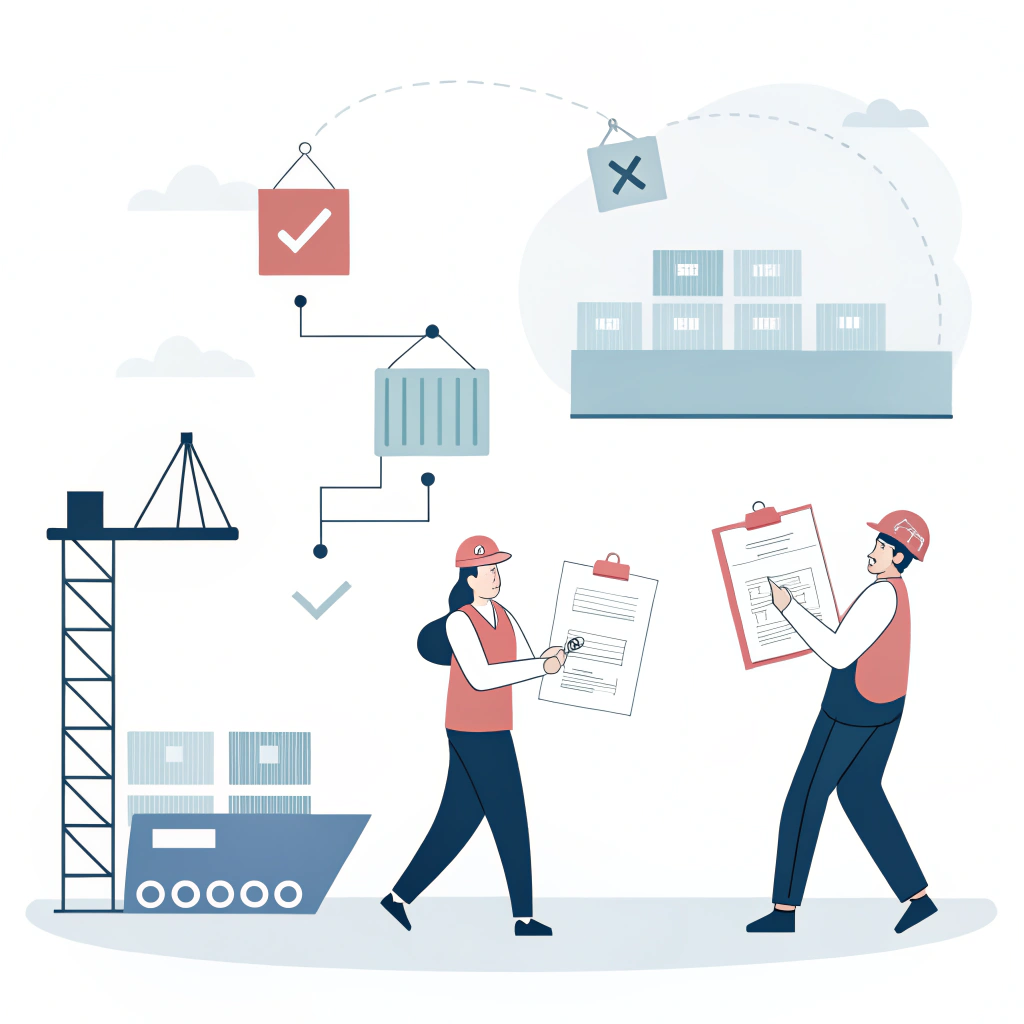
Ensuring that documents are accurate and complete is paramount. Missing or incorrect paperwork is one of the most common reasons for delays at the port. Double-checking everything before the cargo arrives at the port helps prevent violations that could lead to fines or shipment hold-ups.
Partnering with experienced logistics providers can help you navigate the complicated port procedures. This might involve hiring an experienced freight forwarder or customs broker who is well-versed in Chinese port regulations and can preemptively solve issues before they become problematic.
Safety is a pressing priority at every Chinese port. Ensure your chosen carrier meets the port’s safety compliance standards. For truckers, having a TWIC card is essential for complying with security checks. Regular audits and training on local safety regulations can mitigate risks.
Effective cost management involves budgeting for various fees and charges associated with the port pickup. It is advisable to:
- Get a detailed cost breakdown from your shipping line or forwarder.
- Understand storage and demurrage charges to avoid incurring them in case of delays.
- Negotiate fees wherever possible.
Port pickups can face unexpected delays due to weather, customs issues, or operational disruptions. Having a contingency plan—such as alternative carriers or flexible scheduling—can save your business from significant setbacks. Maintain clear communication with all stakeholders during unexpected events.
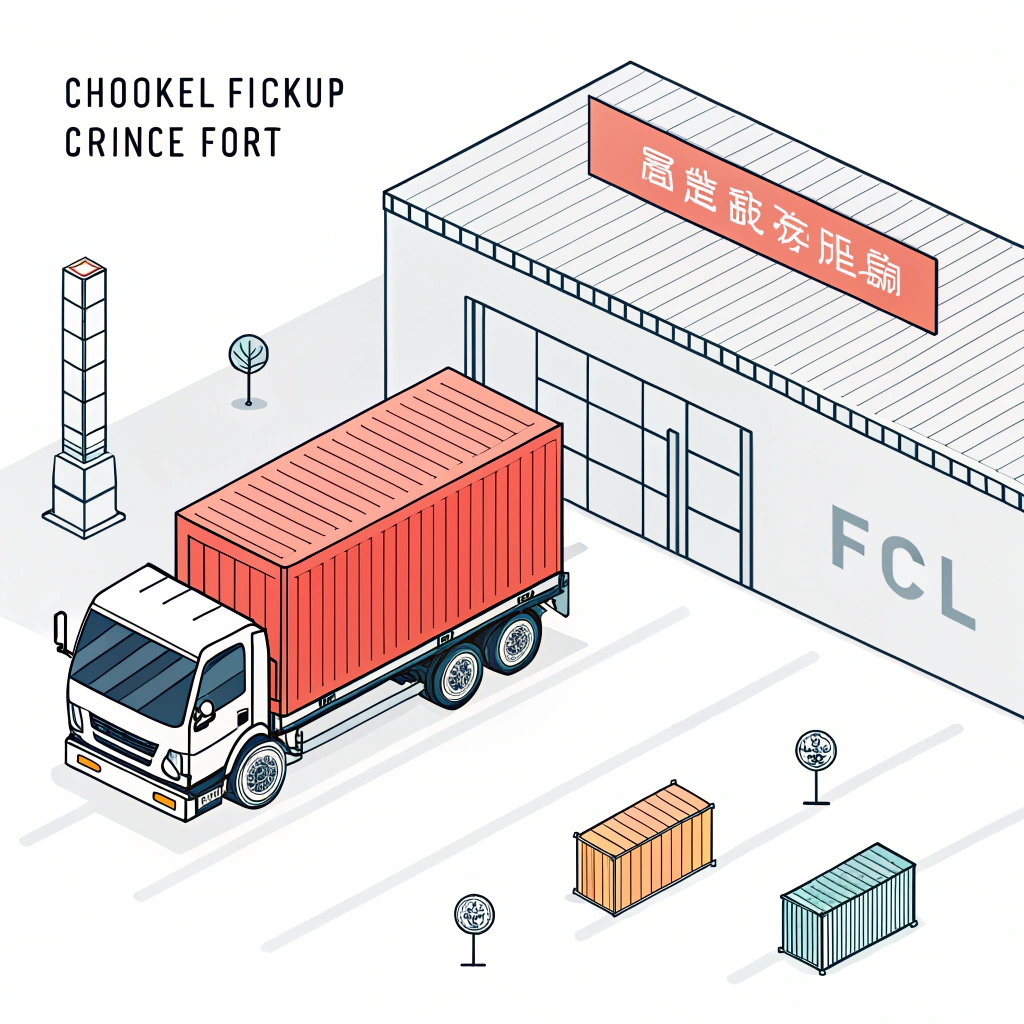
Imagine a mid-sized electronics company importing a full container load of components from China. The logistics manager contacts a trusted freight forwarder, who confirms that the container has arrived and notifies the port authorities. After receiving all necessary documents, including the container release order and customs clearance papers, the company schedules a pickup with a qualified carrier who meets all port requirements.
On the day of pickup, the trucker presents all required documents, including a valid TWIC card, and successfully retrieves the container from the yard. The process was smooth due to preemptive documentation and clear coordination with port staff. This scenario underlines the importance of thorough preparation and the benefits of using a trusted logistics partner.
In summary, picking up goods directly from a Chinese port requires detailed preparation, a clear understanding of port procedures, and seamless coordination with logistics providers. By following these steps and best practices, you can avoid common pitfalls such as documentation errors, fee disputes, or scheduling challenges.
Action Recommendations:
• Verify your shipment type (FCL or LCL) early in the process and tailor your approach accordingly.
• Ensure that all documentation is complete and correct.
• Work with experienced logistics partners who understand Chinese port operations.
• Make cost management part of your strategy by budgeting for fees and arranging contingency plans.
• Stay informed about local safety and compliance requirements to avoid unexpected delays.
Taking these steps will not only ensure a successful port pickup but also establish a foundation for smoother and more efficient importing processes in the future.
How do I receive items from China?
Receiving items from China typically involves choosing a reliable shipping provider (e.g., FedEx, UPS, DHL), ensuring proper documentation for customs clearance, and coordinating with local agents for the final delivery. The process is straightforward if you verify shipping details and manage all necessary paperwork in coordination with your freight forwarder.
Can I pick up a container from a port?
Yes, you can pick up a container from a port. For an FCL shipment, the container is available for pickup directly at the container yard once cleared. However, for an LCL shipment, the cargo needs to be transported to a Container Freight Station (CFS) and deconsolidated before pickup can occur. Make sure you understand and follow the specific procedures for your shipment type.
What do truckers need to pick up load from freight ports?
Truckers typically require a valid TWIC card along with proper identification and all necessary shipping and customs documents to pick up loads from freight ports. It is crucial to verify the local requirements of the port authority beforehand to ensure compliance with all safety and regulatory standards.
-
TWIC card: Click to read an article explaining the importance of the Transportation Worker Identification Credential in facilitating secure access for port workers and truckers. ↩ ↩
-
Bill of Lading: Click to read an article that details how the Bill of Lading works as a key shipping document used for tracking and verifying cargo shipments. ↩ ↩ ↩2
-
Full Container Load (FCL): Click to read an article explaining the concept of FCL shipments and how they differ from consolidated or partial container loads. ↩ ↩
-
Container Freight Station (CFS): Click to read an article providing insights into the operations at a Container Freight Station and the procedures for handling LCL shipments. ↩ ↩
-
demurrage charges: Click to read an article outlining what demurrage charges are, why they occur, and how businesses can manage them effectively. ↩ ↩