
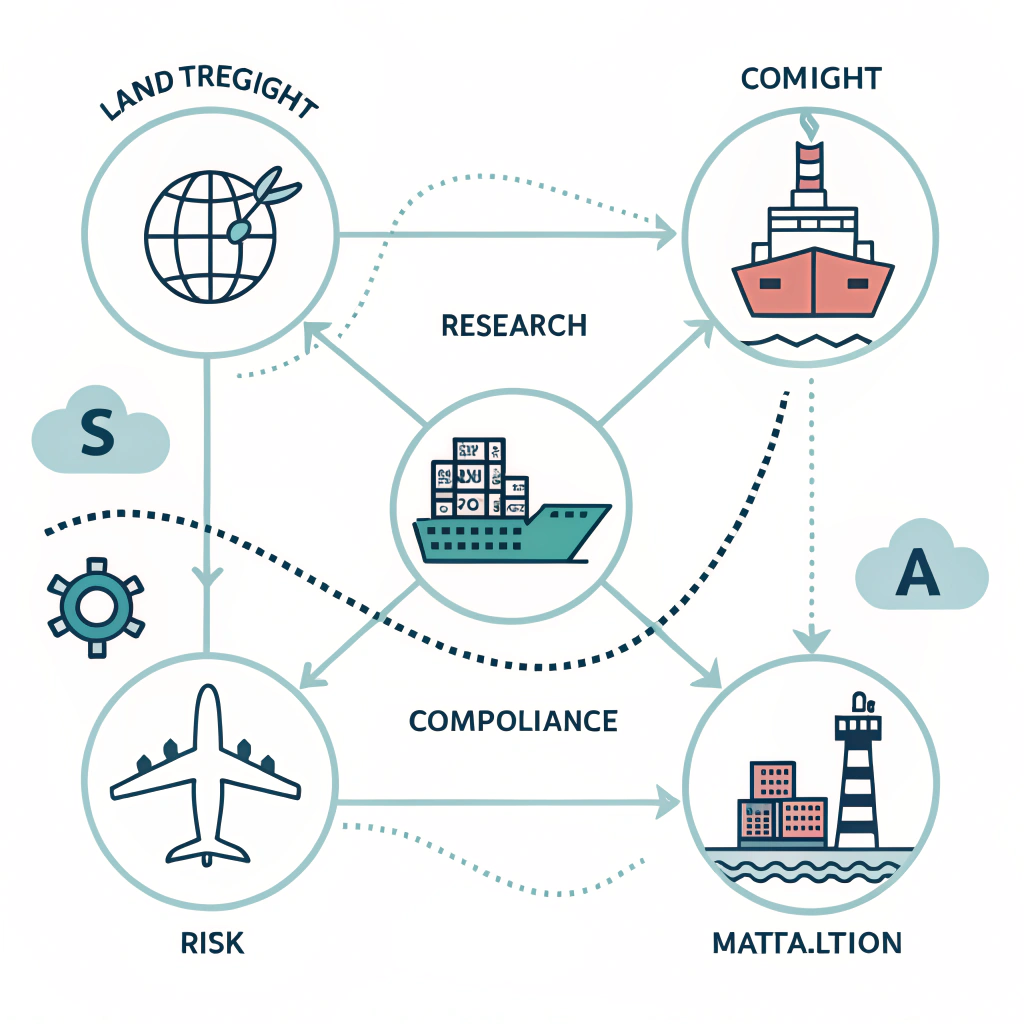
Finding a good China freight forwarder involves evaluating key factors such as experience, certifications, service reach, and risk management practices. In this article, we break down the challenges, explain why these aspects matter, and provide a clear, actionable guide to help you make an informed decision in your global logistics journey.
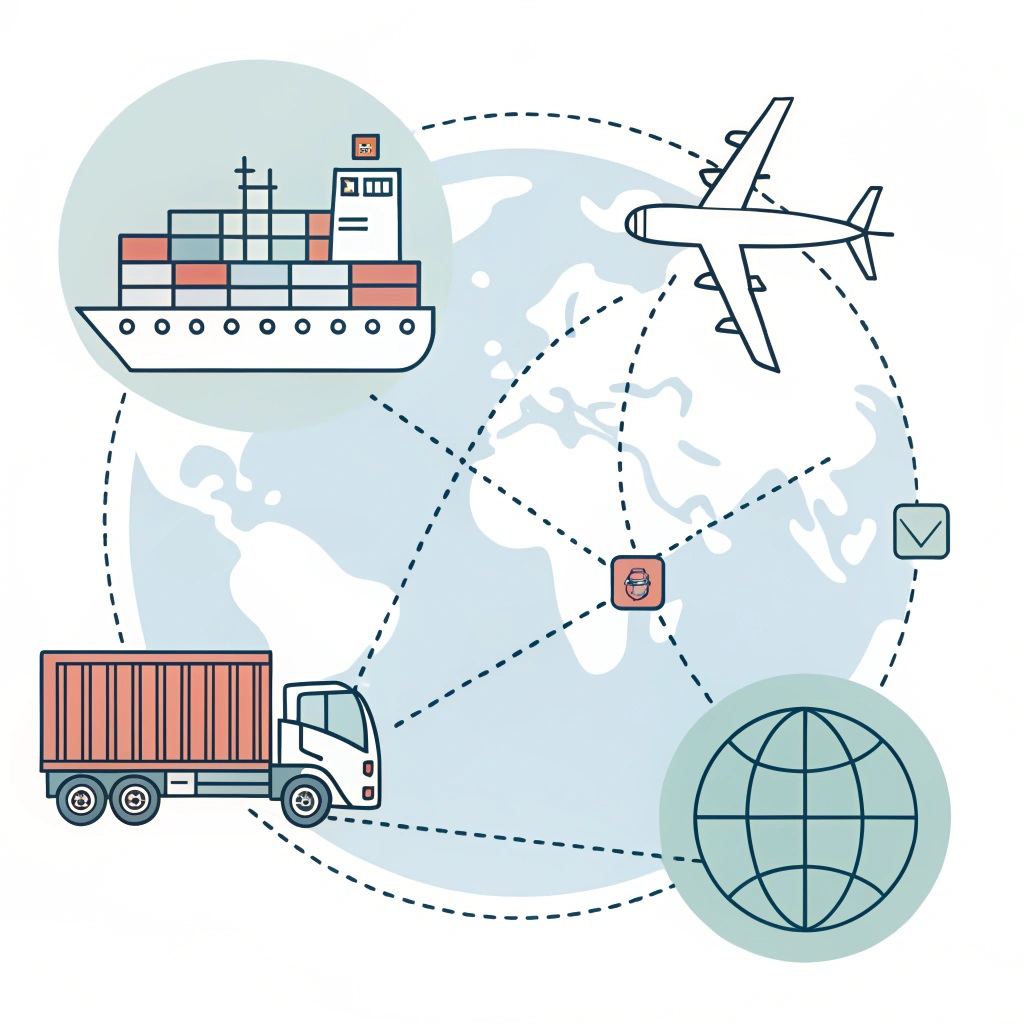
Shipping from China presents unique challenges. International shipping1 involves complex regulations, diverse transportation modes, and multiple handoffs between carriers. Freight forwarders simplify these processes by arranging the logistics—from coordinating pickups and consolidating shipments to handling customs clearance. However, the effectiveness of these services depends largely on the forwarder’s expertise and operational reliability. Here’s why it matters:
- Complex Shipping Networks: With multiple shipping routes (by sea, air, or land), selecting a forwarder who understands the intricacies of these paths is crucial.
- Regulatory and Compliance Issues: global trade compliance2 and customs clearance involve strict documentation and adherence to policies that vary by country.
-
- risk management practices3 and Cost Efficiency: A reliable forwarder must manage operational risks, such as delays and damages, while keeping the costs competitive.
Several factors can lead to delays, increased transportation costs, and even lost shipments if shipping partners are not thoroughly vetted. Here are key causes:
- Inexperience with Local Regulations: China’s logistical landscape is dynamic. Without deep local insights, a forwarder may misinterpret customs documentation or shipping procedures.
- Limited Network and Reach: Smaller forwarders might not have a widespread network which can cause bottlenecks when handling diverse freight types.
- Lack of Transparency: Forwarders that do not communicate effectively or provide comprehensive tracking may increase the risk of hidden delays or unexpected issues.
- Insufficient Risk Management: Inadequate insurance coverage or lack of contingency planning often results in financial loss when unforeseen events occur.
By understanding these issues, logistics managers can proactively search for a freight forwarder that mitigates these risks.
Below is a practical guide to help you choose the right freight forwarder:
- Research Online: Begin with thorough online research using search terms like “freight forwarder China” or “货运代理” combined with your target destination.
- Industry Recommendations: Consult industry peers, forums, and networking events to gather real-world insights.
- Review Portfolios: Examine company websites and case studies to assess the forwarder’s history and expertise in international shipping.
Key Considerations:
- Years in Operation: Look for companies with a proven track record.
- Service Offerings: Confirm that they offer comprehensive logistics solutions4 including maritime freight, air shipping, rail transport, and customs clearance.
- Global Reach: Ensure they have a robust network in your target regions.
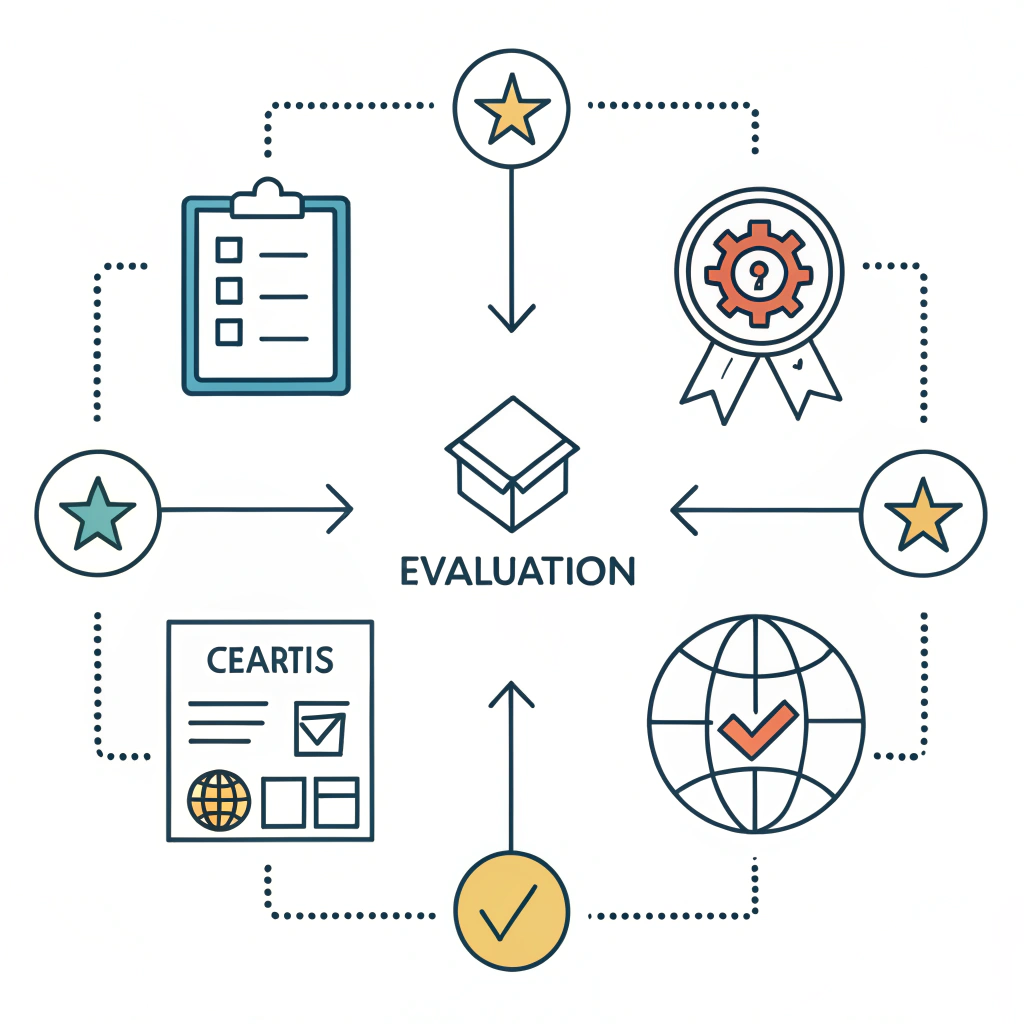
Below is a table summarizing essential criteria when reviewing freight forwarders:
| Criteria | What to Check | Importance |
|---|---|---|
| Licenses & Certifications | Verify credentials and licenses from Chinese authorities | Ensures legal compliance and reliability |
| Network and Reach | Assess global partners and local presence in China | Critical for seamless logistics |
| Service Portfolio | Evaluate if they offer end-to-end solutions | Impacts convenience and cost control |
| Customer References | Request testimonials and case studies | Provides insight into past performance |
| Communication & Transparency | Look for proactive communication practices | Minimizes miscommunication risks |
| Risk Management Practices | Inquire about insurance and contingency planning | Protects against unforeseen delays or damages |
- Verification: Contact relevant authorities or check official registries to verify that the forwarder holds all necessary licenses. This step is crucial for global trade compliance.
- Certifications: Look for additional certifications that signal expertise in international shipping and cargo handling.
- Third-Party Audits: Ask whether the forwarder undergoes regular audits or quality checks by independent bodies.
Reliable communication forms the backbone of smooth logistics operations. To evaluate this aspect:
- Response Time: Track how quickly the forwarder responds to inquiries.
- Clarity: Determine if they provide clear, detailed shipping updates and documentation.
- Dedicated Service: Consider whether you will have a dedicated account manager or team available to address your issues.
- Business References: Request a list of past clients and speak to them about their experience.
- Case Studies: Review documented case studies, especially those similar to your industry and shipping needs.
- Online Reviews: Look for independent reviews and feedback on logistics forums or industry websites.
It is important to clarify shipping terms upfront:
- FOB vs. CIF: Be sure you understand who is responsible for the goods during transit.
- Insurance Details: Confirm what insurance coverages are provided and consider supplementing them if necessary.
- Payment Terms: Finalize payment schedules and any penalties related to delays or missed deadlines.
Many modern freight forwarders now offer digital solutions that allow you to track shipments in real time:
- Tracking Platforms: A robust platform provides visibility at every shipment stage.
- Documentation Management: Digitally accessible shipping and customs documents reduce the chance of lost paperwork.
- Real-Time Alerts: Automated alerts for delays or status changes help you quickly respond to issues.
Cost is a crucial factor:
- Transparent Pricing: Ensure that pricing structures are clear and comprehensive with no hidden fees.
- Rate Negotiation: Compare quotes from multiple forwarders to ensure competitive pricing.
- Value-Added Services: Sometimes paying a little more for services such as expedited clearance or enhanced tracking can offer significant value.
As your business grows, so do your logistics requirements:
- Scalability: Choose a forwarder that can handle increased shipment volumes and expanding routes.
- Flexible Contracts: Look for forwarders who offer flexible terms, allowing you to adjust services as your needs evolve.
- Technology Integration: For long-term partnerships, integration with your supply chain management systems can enhance operational efficiency.
When shipping internationally, additional complexities may arise:
- Customs Compliance: Make sure the forwarder has deep knowledge of customs regulations in both China and the destination country.
- Documentation Accuracy: Inaccurate documentation can lead to delays and extra costs.
- Local Partnerships: A forwarder with established relationships in destination countries can expedite customs clearance.

Consider a mid-size electronics company that needed to import components from China on a tight schedule. They initially encountered several logistical challenges including shipment delays and communications issues with an inexperienced freight forwarder. By re-evaluating their criteria and choosing a forwarder with strong industry credentials, comprehensive digital tools, and proactive communication, the company was able to streamline its supply chain and reduce shipping times significantly. This example illustrates the tangible benefits of diligent forwarder selection.
Choosing a good China freight forwarder requires comprehensive research and an understanding of key evaluation criteria such as licenses, global network, service range, customer references, and communication practices. Here are the main action points:
- Start with detailed online research and leverage industry networks.
- Use a criteria table to compare potential forwarders on critical parameters.
- Verify licenses, certifications, and business references to ensure reliability and transparency.
- Prioritize forwarders who provide robust communication channels, digital tracking, and end-to-end logistics solutions.
- Evaluate cost structures and ensure they can scale with your business needs.
By following these recommendations, you can reduce the risks associated with international shipping, streamline your logistics operations, and ensure the timely delivery of your shipments.
How to find a reliable freight forwarder in China?
To find a reliable freight forwarder in China, start by researching online using tailored keywords such as “freight forwarder China” and verify the forwarder’s licenses and certifications. Engage with industry-specific forums for recommendations and check customer references to assess past performance.
How do I find a good freight forwarder?
Finding a good freight forwarder involves conducting thorough due diligence. Start with homework and research to pinpoint reputable providers. Focus on their industry experience, diverse range of services, communication practices, and risk management capabilities. Additionally, compare quotes and verify licenses to ensure they meet industry standards.
How do I know if a freight forwarder is legit?
A legitimate freight forwarder typically provides verifiable business references, official licenses, and certifications. Look for documented evidence of long-standing industry relationships and request testimonials from previous clients to confirm their credibility and reliability.
-
International shipping: Click to learn about the complexities of navigating diverse transportation modes, regulatory requirements, and multi-carrier logistics that impact international freight. ↩ ↩
-
global trade compliance: Click to discover key guidelines, documentation standards, and strategies to ensure adherence to international trade laws and customs regulations. ↩ ↩
-
risk management practices: Click to understand methods for identifying, mitigating, and managing risks in freight operations, ensuring cost efficiency and shipment reliability. ↩ ↩
-
comprehensive logistics solutions: Click to explore end-to-end supply chain strategies covering maritime, air, and land transport, along with integrated customs and warehousing services. ↩ ↩
-
Incoterms: Click to gain insights into standardized international trade terms that define the responsibilities of buyers and sellers in global shipping agreements. ↩ ↩