
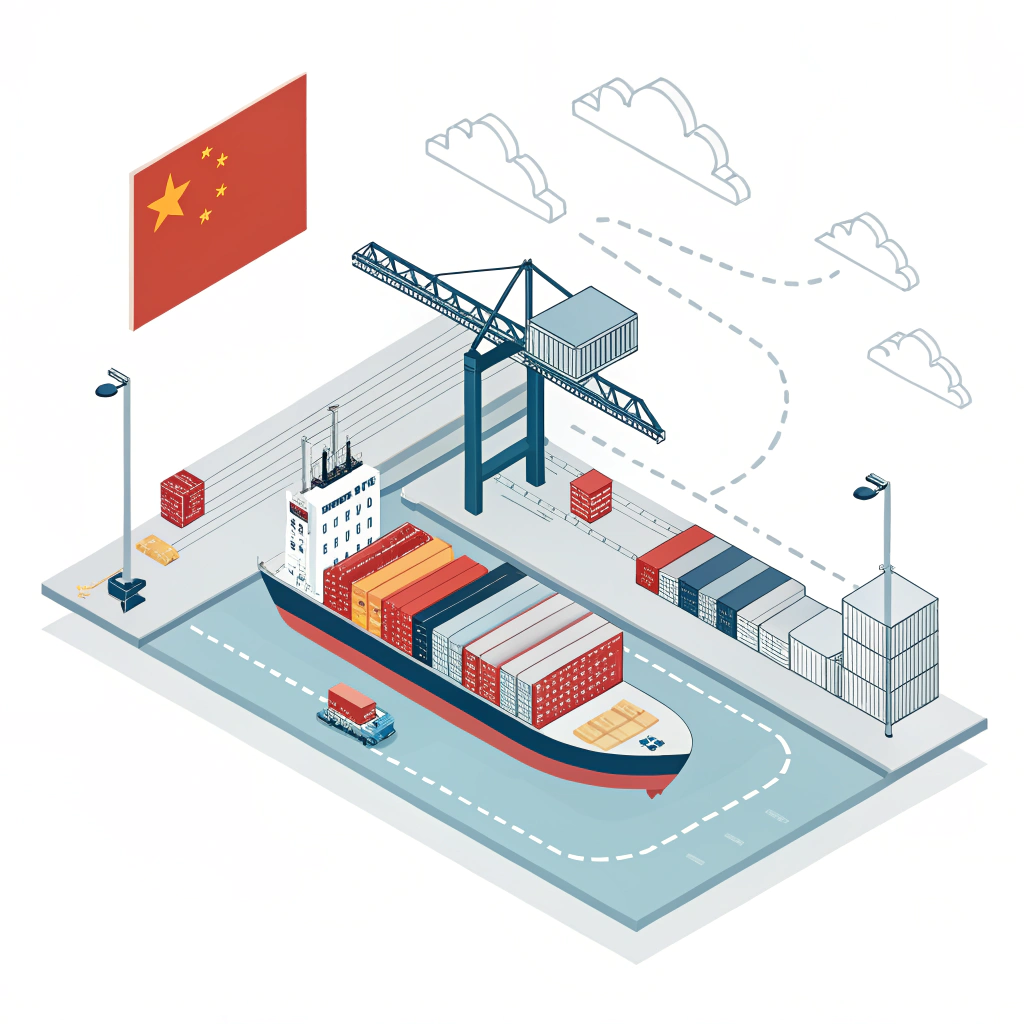
Quick Answer: Shipping from China has become increasingly expensive due to a mix of factors such as soaring fuel costs, container shortages, port congestion, trade tariffs, changing global demand, and evolving logistics challenges. Each of these elements compounds to push up freight charges and overall shipping expenses.
The global shipping industry has recently experienced significant changes. For B2B procurement managers and sourcing professionals, understanding why shipping from China is so expensive is critical to optimize budgets and strategies. In this article, we break down the multifaceted factors driving up these costs and offer actionable insights to help you navigate this challenging landscape.
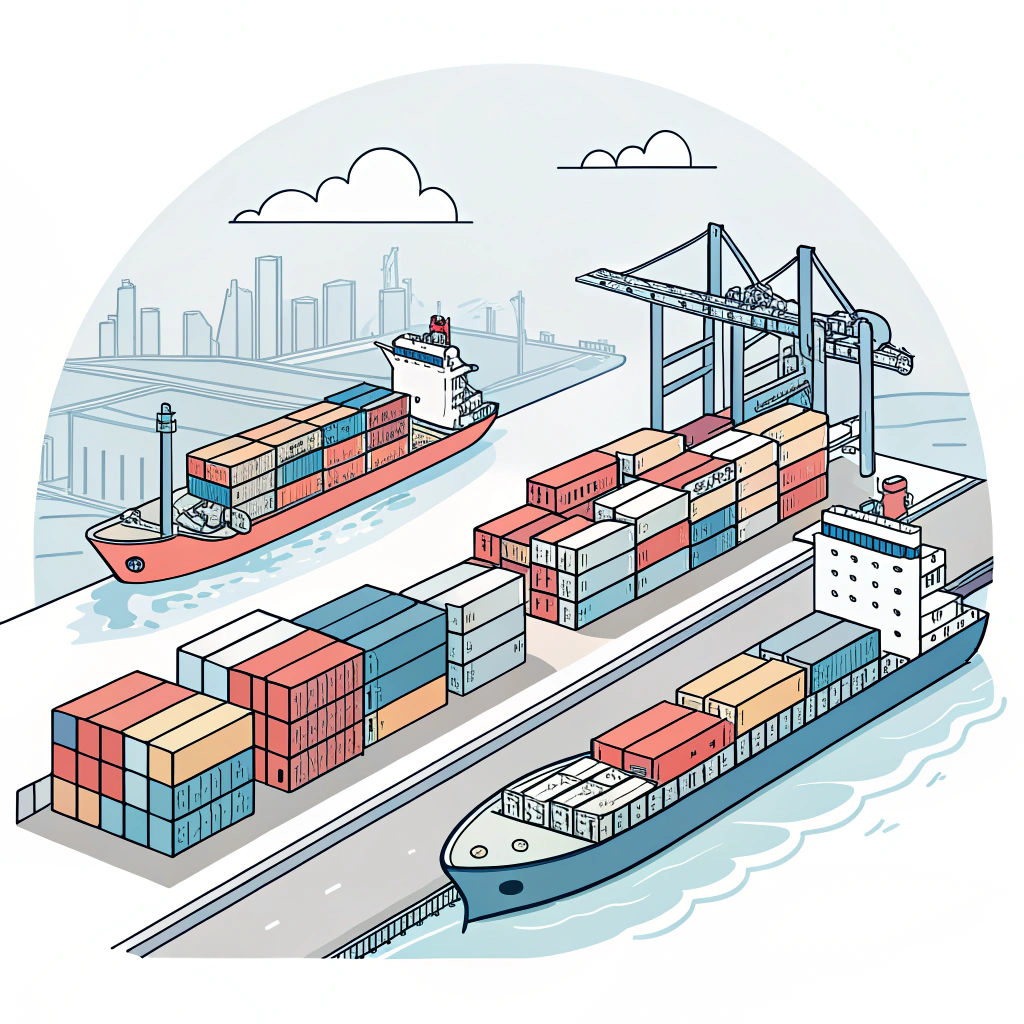
Over the past few years, the shipping industry has seen unprecedented shifts. Rapidly changing geopolitical circumstances, unexpected demand surges, and lingering impacts from global disruptions such as the COVID-19 pandemic have all played a role. For businesses sourcing from China, the implications include:
- Increased demand for container space during peak seasons.
- Limited container availability due to high usage and logistical imbalances.
- Higher fuel prices affecting overall transportation costs.
- Port congestion as major ports struggle to maintain throughput.
These factors, among others, have converged to create a perfect storm for freight costs.
To further understand why shipping from China is so expensive, we have identified several key cost drivers:
The global shipping industry has been facing a container shortage1. Containers are in high demand due to increased global trade and bulk orders from manufacturers. When there are fewer containers available than needed, shipping companies increase rates to balance the imbalance.
Fuel is a major component of shipping expenses. As global fuel prices rise, so do the operating costs for shipping companies. Higher fuel surcharges2 are passed on to customers, directly impacting shipping costs.
Major Chinese ports have been overwhelmed by the volume of goods. Port congestion3 results from delays in unloading and loading ships, which in turn leads to longer turnaround times for vessels. This inefficiency pushes up trans-shipping fees as companies compensate for lost time.
Changes in international trade policies, tariffs, and regulatory charges can add unexpected costs. Trade tariffs4 and enhanced customs processing fees have been implemented in recent years, leading to additional expenses when products are shipped internationally.
The surging volume of shipments from China—even during non-peak periods—can drive up prices significantly. The supply and demand dynamics in the freight market mean that even when overall demand declines, peak shipping seasons still see a drastic price increase.
Shipping is no longer just about moving goods from one port to another. Increased complexity in global supply chains5 means more handling, additional insurance costs, and the need for specialized logistics support. This complexity naturally leads to higher costs.
Below is a table outlining the primary factors affecting shipping costs from China:
| Factor | Impact on Cost | Key Considerations |
|---|---|---|
| Container Shortage | Higher rates due to limited supply | Demand-supply imbalance |
| Fuel Price Increases | Increased operational costs | Fuel surcharges and price volatility |
| Port Congestion | Delays and increased turnaround fees | Infrastructure and workforce limitations |
| Trade Tariffs & Regulations | Added costs on top of shipping fees | Customs clearance and administrative fees |
| Seasonal Demand Fluctuations | Price spikes during peak periods | Market dynamics and logistical capacity |
| Supply Chain Complexities | Higher logistic and insurance costs | Multi-modal transport challenges |
Each of these factors contributes to an overall increase in shipping costs, impacting the final landing price of imported goods.

For procurement managers, understanding these cost drivers isn’t just about reacting to rising fees—it’s about adapting long-term strategies. Here are some practical implications:
- Plan Ahead: Anticipate shipping peaks and arrange shipments in advance. Last-minute orders often incur premium shipping charges.
- Safety Stock: Maintain a strategic inventory buffer to absorb delays or cost spikes.
- Negotiate Freight Charges: Work closely with logistics partners and suppliers to secure competitive freight rates.
- Optimize Packaging: Well-packed shipments can reduce space requirements, leading to more efficient container usage and potentially lowering costs.
Diversifying your shipping methods can be a substantial cost saver. For instance, combining sea freight (for bulk shipments) with air freight (for time-sensitive orders) can optimize overall shipping costs. Evaluate your product categories to determine the most cost-effective logistic solutions.
Investing in technology platforms that provide real-time insights into shipping routes, container availability, and port performance can help in planning more efficient shipments. Data-driven decisions can mitigate the uncertainties associated with high shipping costs.
Looking ahead, we can foresee persistent challenges in the shipping industry, but also opportunities for smarter logistics planning. Here are some trends to watch:
Many smaller shipping companies are merging or being acquired by larger players. This consolidation can lead to more standardized pricing models but also reduce competition, thereby further driving up costs.
There is a strong move towards digital logistics solutions. Automation, blockchain technology, and AI-driven analytics are increasingly being adopted to enhance transparency and efficiency across the supply chain.
Governments and private investors are expected to increase spending on port infrastructure and digital technologies to streamline operations. Infrastructure investments may reduce congestion and increase container availability over time, which could help stabilize freight rates.
Environmental regulations are pushing for greener shipping practices. Adopting eco-friendly logistics practices often requires investing in cleaner fuels and sustainable technologies, which might add to upfront costs but carry long-term benefits for cost and environmental impact.
Companies can adopt several strategies to counterbalance rising shipping expenses. Here are detailed actionable strategies:
Planning shipments well ahead can help lock in favorable rates before price spikes occur. By forecasting shipping needs and negotiating long-term contracts with shipping companies, businesses can secure better deals.
Not every shipment requires the fastest delivery option. Evaluate:
- Sea Freight: Ideal for bulk shipments and non-urgent deliveries.
- Air Freight: Best for smaller, time-sensitive goods but at a premium.
- Rail Freight: An emerging alternative for specific routes, balancing cost and speed.
A table below outlines the key considerations when choosing your shipping method:
| Shipping Method | Cost Level | Speed | Best For |
|---|---|---|---|
| Sea Freight | Moderate to High | Slow | Bulk, non-urgent shipments |
| Air Freight | High | Fast | Premium, time-critical goods |
| Rail Freight | Moderate | Moderate | Cost and speed compromise |
Local logistics companies have the expertise to better navigate regional challenges such as port congestion, customs delays, and local regulations. Partnering with a trusted local transport company can lead to more streamlined and efficient shipments.
Optimizing packaging not only protects your goods but can also reduce overall shipping volume. Consider methods such as:
- Re-design of packaging: To minimize wasted space.
- Consolidation of smaller shipments: To fill container capacity more efficiently.
- Innovative packing materials: That reduce weight and cost.
Given the dynamic nature of global trade, it is vital to regularly review and adjust your logistic strategy. Monitoring market trends, fuel prices, and regulatory changes enables quick response, minimizing unexpected cost hikes.
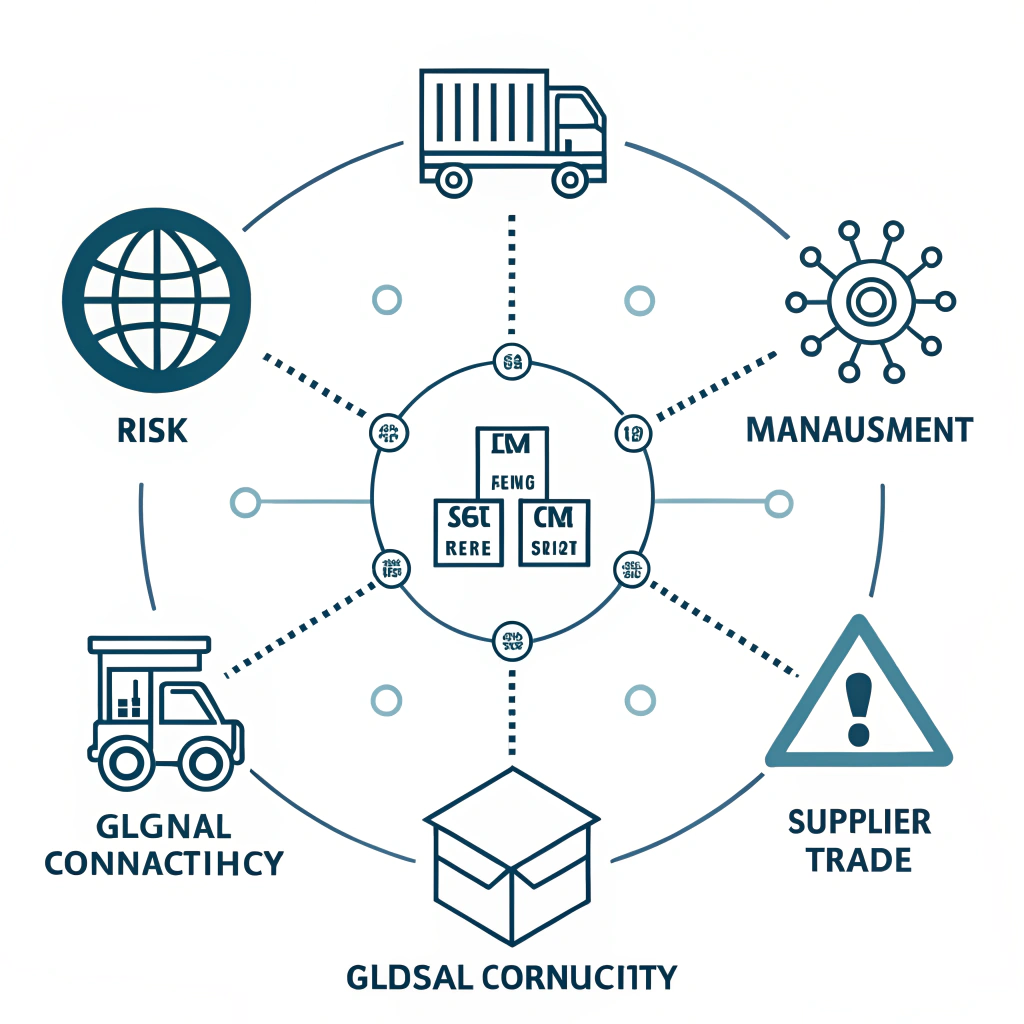
While adopting new strategies, it is essential to consider the following:
- Regulatory Compliance: Stay updated on international trade laws and customs regulations to avoid fines and delays.
- Risk Management: Implement comprehensive insurance policies that cover potential delays, damages, or losses during transit.
- Supplier Collaboration: Foster closer relationships with suppliers in China to better anticipate and respond to shipping fluctuations.
- Cost Transparency: Request detailed breakdowns of freight charges to identify possible cost-saving areas.
Consider a mid-sized electronics importer who used to face significant delays and cost uncertainties when shipping from China. By partnering with a local logistics firm and investing in advanced planning software, the company was able to:
- Decrease shipping costs by negotiating better freight contracts.
- Improve shipment delivery times with a more predictable schedule.
- Enhance overall supply chain transparency and customer satisfaction.
Their experience underlines the importance of proactive planning, technology adoption, and collaborative logistics partnerships in mitigating the high costs of shipping.
Shipping from China is expensive due to a combination of factors including container shortages, rising fuel prices, port congestion, and increased regulatory costs. For procurement managers and sourcing professionals, gaining a clear understanding of these cost drivers is essential for developing effective shipping strategies.
By planning ahead, optimizing shipping methods, leveraging technology, and partnering with local experts, businesses can better manage these expenses and maintain a competitive edge. Adapting to these challenges not only improves cost efficiency but also enhances the resilience of your overall supply chain.
For B2B buyers, the key takeaway is to remain agile. Continually monitor industry trends, review your logistics strategy, and maintain communication with your shipping partners. These steps will empower you to respond effectively to the evolving landscape of international freight logistics.
How can I reduce shipping costs from China?
Reducing shipping costs involves planning shipments well in advance, choosing the appropriate shipping methods, partnering with reliable local logistics experts, and optimizing packaging to fully utilize container space. Consistently monitoring fuel prices and negotiating long-term contracts can further mitigate expense escalations.
Why has shipping from China become so expensive?
Shipping from China has become costly mainly due to increased global demand, container shortages, rising fuel costs, and port congestion. Trade tariffs and regulatory expenses add extra layers of cost, all of which contribute to higher overall freight charges.
Is shipping from China to the US expensive?
Yes, shipping from China to the US can be costly. For example, a 20-foot container might range from $2,000 to $3,500 depending on fuel surcharges, port fees, and the type of goods shipped, with sea freight being a cost-effective option for bulk shipments.
-
container shortage: Reading this article will help you understand how limited container availability disrupts the balance between supply and demand, ultimately increasing freight rates. ↩
-
fuel surcharges: Reading this article will provide insights into how rising fuel prices contribute to additional fees passed on to customers and affect overall shipping costs. ↩
-
Port congestion: Reading this article will explain how delays at busy ports lead to longer turnaround times and increased trans-shipping fees. ↩
-
trade tariffs: Reading this article will shed light on how changes in international trade policies and tariff regimes add unexpected costs to the shipping process. ↩
-
global supply chains: Reading this article will help you grasp the complexities and challenges of managing global supply chains, which impact logistics efficiency and overall cost structure. ↩