
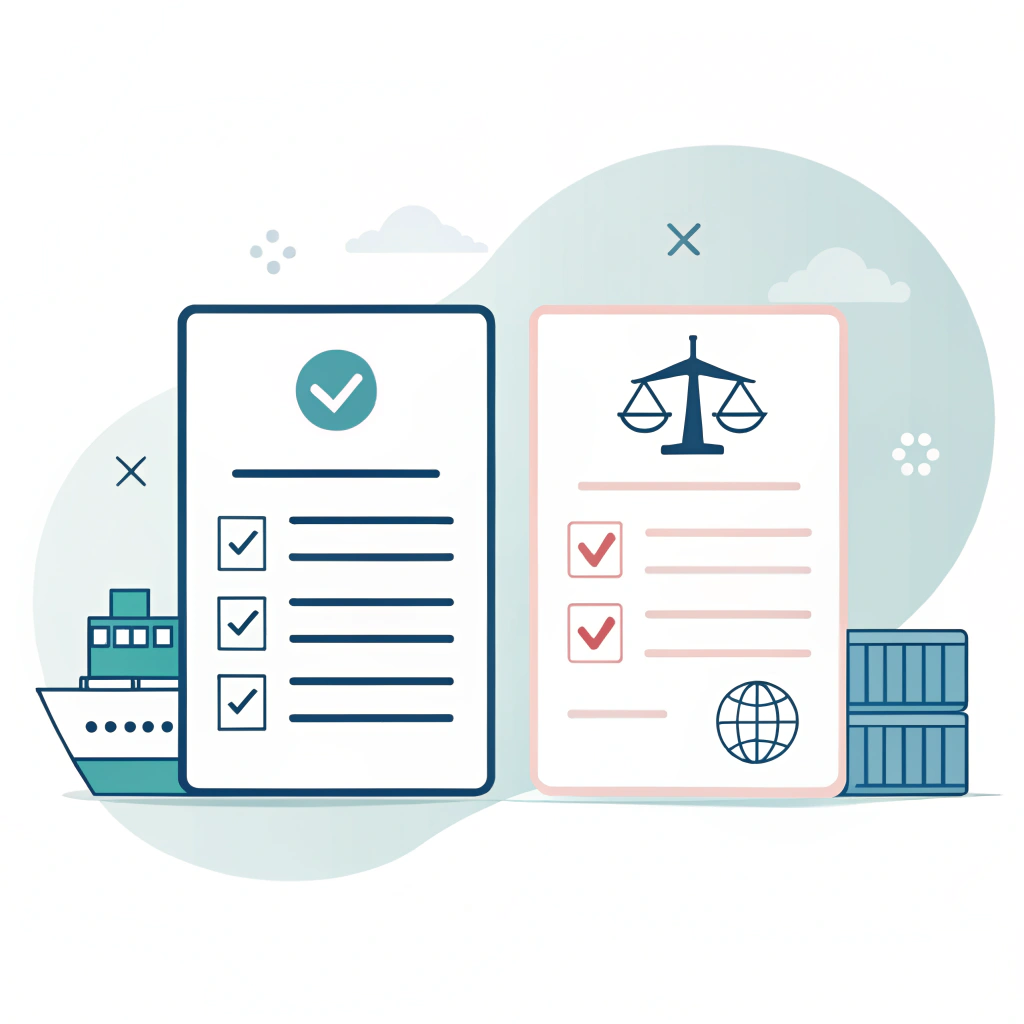
The short answer is that a waybill1 is an informational, non-negotiable document used to track the movement of cargo, while a bill of lading2 is an authoritative, negotiable document that not only details shipment information but also serves as a legal contract and title of ownership.
Clear and accurate shipping documentation is essential for businesses to ensure smooth international trade. Among the most important documents in freight forwarding are the waybill and the bill of lading. Although they seem similar at first glance, understanding the differences between these documents can significantly impact your legal, operational, and logistical operations. Improper handling or misunderstanding of these documents may lead to disputes, delays, or even legal complications in international transportation.
As a logistics manager or supply chain executive, being familiar with these key documents can help you manage risks, streamline processes, and improve compliance with international shipping regulations. In this article, we will provide a detailed comparison of a waybill versus a bill of lading, exploring their functions, legal implications, and practical use cases to support better decision-making in your sourcing and logistics operations.

A waybill is primarily an informational document issued by the carrier and serves as a detailed receipt of the cargo movement. It is non-negotiable, meaning that the document itself does not confer title or ownership of the goods. Instead, it is used to record essential shipment details such as:
- Origin and Destination: The points of departure and arrival of the shipment.
- Cargo Description: Details about the goods being moved, including weight, dimensions, and nature.
- Carrier Details: Information about the transportation provider handling the shipment.
- Route Information: The planned course for the shipment, including transfer points if applicable.
Because a waybill is non-negotiable, it cannot be endorsed or transferred to another party. This simplicity makes it an excellent tracking tool and an administrative record for verifying shipment details and ensuring consistency across the supply chain. However, its lack of negotiability also means that it does not serve as proof of ownership or a document of title.
The bill of lading serves a much broader role in international shipping. Unlike the waybill, the bill of lading is:
- A Contract of Carriage: It defines and legally binds the relationship between the shipper and the carrier.
- A Title Document: It signifies ownership of the goods in transit, thereby conferring rights that can be transferred or negotiated, which can be vital in financing or resolving disputes.
- Proof of Shipment: It provides evidence that the carrier has received the cargo as described.
Because it carries legal weight, the bill of lading is subject to terms and conditions that protect both parties—the shipper and the carrier. When the document is negotiable, it allows the transfer of ownership through endorsements, making it a critical instrument especially in international shipping and intermodal transport, where goods may be used as collateral or need to be sold in transit. This is common with sea freight, where trade finance3 and letter of credit4 transactions frequently rely on the document as proof of ownership.
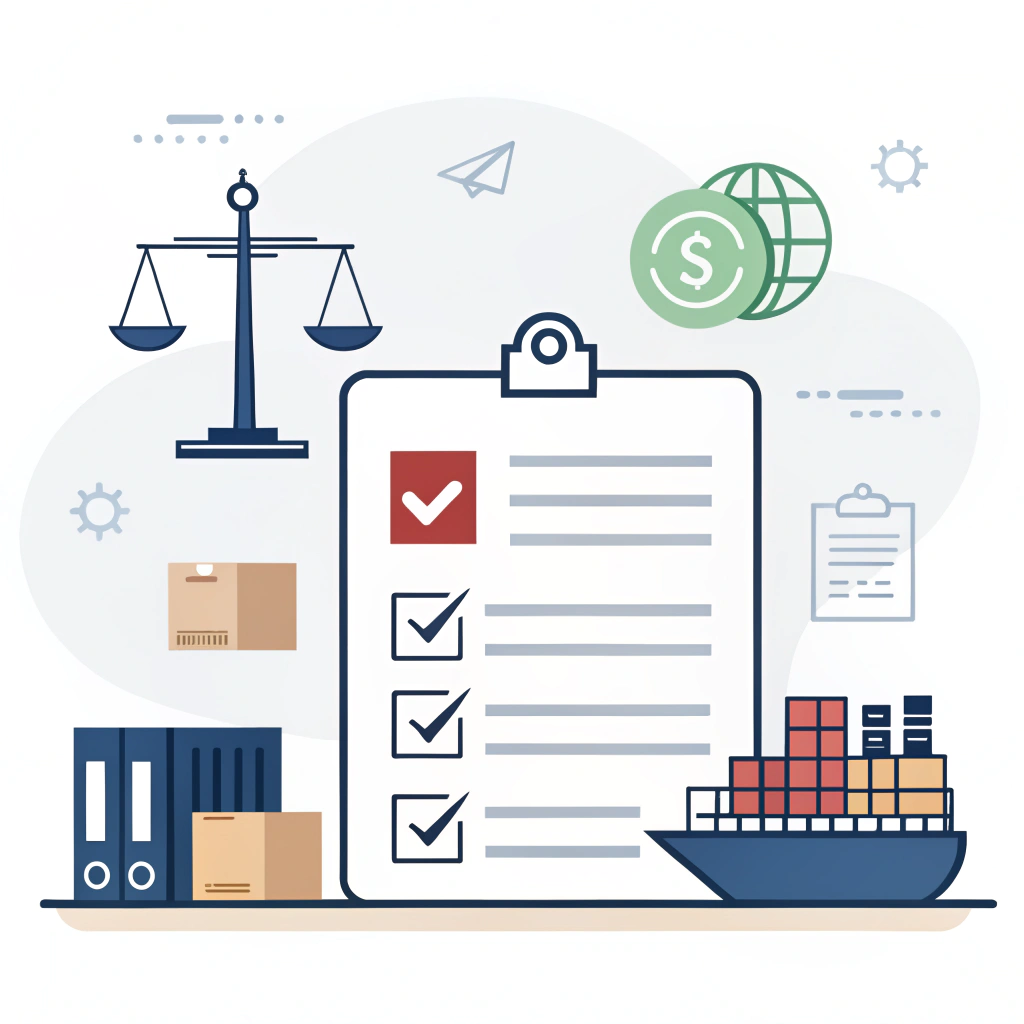
Businesses involved in detailed logistics operations must understand the distinct roles these documents play. Here we compare them based on several core attributes:
| Attribute | Waybill | Bill of Lading |
|---|---|---|
| Nature | Informational document | Contract of carriage and title document |
| Negotiability | Non-negotiable, cannot transfer ownership | Negotiable (when issued as negotiable) and can confer title |
| Legal Authority | Limited; primarily for tracking and administrative purposes | High; establishes legal obligations and proof of shipment |
| Usage | Used in air and land freight, where title transfer is not required | Common in maritime shipping and intermodal transport, especially when goods are financed or traded |
| Proof of Contract | Serves as a receipt and detailed record of cargo movement | Serves as evidence of the contract between shipper and carrier |
| Documentation and Record Keeping | Streamlines administrative tracking and ensures clarity | Protects both parties in legal disputes and facilitates claims processing |
| Transferability | Cannot be transferred or endorsed | Easily transferable through endorsements if negotiable |
This table illustrates how the waybill and bill of lading cater to different needs within the shipping process. The non-negotiable nature of the waybill simplifies logistics operations by providing a straightforward record of movement. In contrast, the negotiable bill of lading plays a crucial role in financial arrangements and ownership determinations.
Understanding these differences is essential for compliance and efficient operations. Here are a few implications that every logistics professional should consider:
-
Contractual Obligations:
The bill of lading acts as a contract between the carrier and the shipper. When disputes arise, its information and terms have significant legal implications. In contrast, because a waybill is non-negotiable and informational, it typically holds less weight in contractual disputes. -
Transfer of Ownership:
With a negotiable bill of lading, title to the goods can be transferred during transit. This is common with sea freight, where trade finance and letter of credit transactions frequently rely on the document as proof of ownership. Conversely, the waybill does not allow title transfer, making it less suitable for transactions where ownership needs to be passed on. -
Claims and Liabilities:
In the event of cargo loss, damage, or delays, the bill of lading provides a documented basis for claims against the carrier. Its detailed terms of carriage outline the responsibilities and liabilities in such situations, giving shipper and receiver a baseline for pursuing compensation. A waybill, while recording important movement data, may not offer the same level of protection because it is not legally binding as a contract. -
Regulatory Compliance:
Different countries and shipping routes have varying legal requirements regarding documentation. Often, maritime routes require a bill of lading as part of international shipping regulations, while air cargo and road transport might rely more heavily on waybills. Understanding these requirements is crucial for compliance and avoiding customs or legal issues. -
Risk Management:
The choice between using a waybill or a bill of lading often reflects the risk management strategy of a company. When trade finance is involved, the negotiability of a bill of lading offers greater security. For straightforward transport where financing complexities are absent, a waybill may suffice—simplifying the administration process without unnecessary complications.
In many B2B operations, the decision between using a waybill or a bill of lading comes down to the specific needs of the shipment. Here are some practical scenarios to consider:
For short-haul or domestic shipments where the focus is on quick delivery and detailed tracking, a waybill is often preferred. Its straightforward data format helps dispatch departments monitor the status of goods with minimal legal interference. This reduces administrative burdens and speeds up the processing of goods.
International shipping, particularly by sea, is more complex. In these situations, a bill of lading is needed because it not only describes the cargo but also serves as a negotiable instrument that represents ownership of the goods. This document is often used to secure trade credit or to transfer ownership of shipments between different parties while the goods are in transit.
Scenario 3: Intermodal Transport5 and Multi-Modal Shipping
When shipments move across different transport modes (e.g., from ship to rail to truck), multiple documents might be required. Often, a bill of lading will accompany the maritime leg followed by waybills for land-based transport. Integration between these documents is crucial for ensuring a smooth transition and clear record-keeping across different segments of the journey.
In scenarios where the shipment itself serves as collateral—such as in trade financing—the negotiability of the bill of lading is essential. Banks and financing institutions require a negotiable bill of lading to secure their interests, as it clearly indicates the title and transfer rights over the goods.
The decision-making process in these scenarios involves assessing the level of legal protection required, the transferability of the shipping documents, and the complexity of the transportation process. A table summarizing the decision criteria can help in selecting the appropriate document type:
| Practical Considerations | Recommended Document |
|---|---|
| Need for tracking information | Waybill |
| Requirement for title transfer or collateral | Bill of Lading |
| Domestic/short-haul transport | Waybill |
| International maritime shipments | Bill of Lading |
| Multi-modal or intermodal logistics | Combination (starting with Bill of Lading for maritime leg) |
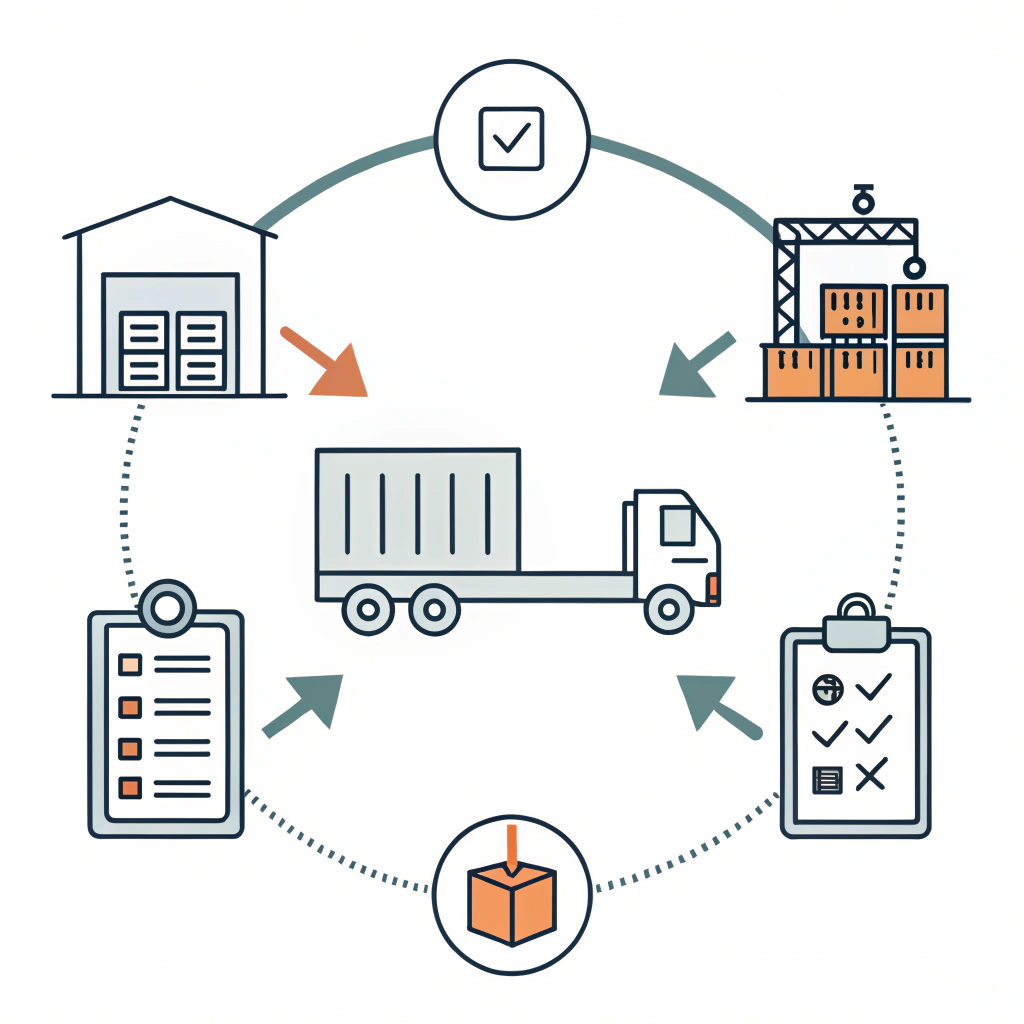
Consider a mid-sized manufacturing company that regularly imports raw materials from overseas suppliers. Initially, they used waybills for all shipments because of their simplicity. However, as business grew, instances of delayed payments and disputes regarding cargo ownership surfaced. After consulting with logistics experts, the company migrated to using a negotiable bill of lading for maritime shipments.
-
Enhanced Risk Management:
The bill of lading provided a clear legal framework that protected the company’s interests, ensuring that in case of disputes, there was a definitive contractual document supporting their claims. -
Securing Trade Finance:
By using a negotiable bill of lading, the company secured better financing terms as banks preferred collateral backed by an authoritative document. -
Streamlined Supply Chain Operations:
Integration of the bill of lading into the company’s supply chain management system improved data accuracy and transparency. This allowed for real-time tracking and better communication with logistics partners.
This case highlights how switching to the appropriate shipping document based on business needs can lead to improved operational efficiency, reduced risk, and enhanced legal protection.
For logistics managers, freight forwarders, and supply chain executives aiming to optimize shipping documentation, here are a few actionable steps:
-
Assess Your Shipping Routes and Modalities:
Determine whether your shipments are predominantly domestic, international, or multi-modal. Use waybills for simpler, short-haul transport and bill of lading for complex, international shipping. -
Evaluate the Risk and Legal Requirements:
When handling high-value goods or engaging in trade finance, always opt for a bill of lading. This document’s negotiability and legal weight are essential for mitigating risks. -
Simplify Record Keeping:
Invest in digital platforms to integrate shipping documentation and tracking. Unified systems that handle both waybills and bills of lading can reduce errors and improve compliance. -
Train Your Team:
Provide regular training sessions on the usage and implications of each document. Understanding the differences can prevent mishandling and ensure proper documentation is used at every step. -
Consult with Legal and Trade Experts:
In complex international transactions, it is beneficial to seek advice from trade compliance experts or legal advisors who specialize in shipping documentation.
By following these steps, your organization can not only comply with international shipping regulations more effectively but also streamline administrative processes and reduce potential legal risks.
In summary, although both the waybill and bill of lading are critical for shipping and logistics, they serve fundamentally different purposes. The waybill acts as a clear and concise record of the movement of goods, suitable for tracking and routine operations. On the other hand, the bill of lading carries legal implications as a contract of carriage and a document of title, making it indispensable in international shipping and trade finance scenarios.
For B2B professionals operating in dynamic and often complex international trade environments, choosing the right documentation can significantly influence operational success. Understanding these differences will empower you to make informed decisions that improve efficiency, enhance legal protection, and streamline your supply chain operations.
Q: Is a bill of lading the same as a waybill?
A: No, a bill of lading is not the same as a waybill. A bill of lading serves as both a legal contract and a document of title, which can be negotiated and transferred. In contrast, a waybill is purely informational and non-negotiable, offering details of cargo movement without conferring ownership rights.
Q: Is a Sea Waybill the same as a bill of lading?
A: A Sea Waybill is a transport contract similar to a bill of lading in that it provides proof of cargo receipt and details about shipment. However, the key difference is that a Sea Waybill is not used to transfer ownership, making it less appropriate in transactions where document negotiability is required.
Q: Who carries the waybill?
A: The waybill is issued by the carrier and kept for record-keeping and tracking purposes. It contains essential shipment details such as origin, destination, and cargo description, but does not serve as a transfer of title.
-
waybill: Click to learn how this informational document is used for tracking cargo movement and its role in supply chain management. ↩
-
bill of lading: Click to explore the legal significance of this document, including its function as a contract of carriage and title of ownership. ↩
-
trade finance: Click to understand how trade finance leverages shipping documents to secure financing and manage collateral. ↩
-
letter of credit: Click to discover how letters of credit facilitate secure international trade transactions by ensuring payment upon delivery of goods. ↩
-
Intermodal Transport: Click to learn about intermodal transport, its integration of different modes of transportation, and its impact on logistical efficiency. ↩