

What is the purpose of a sourcing agent in China?
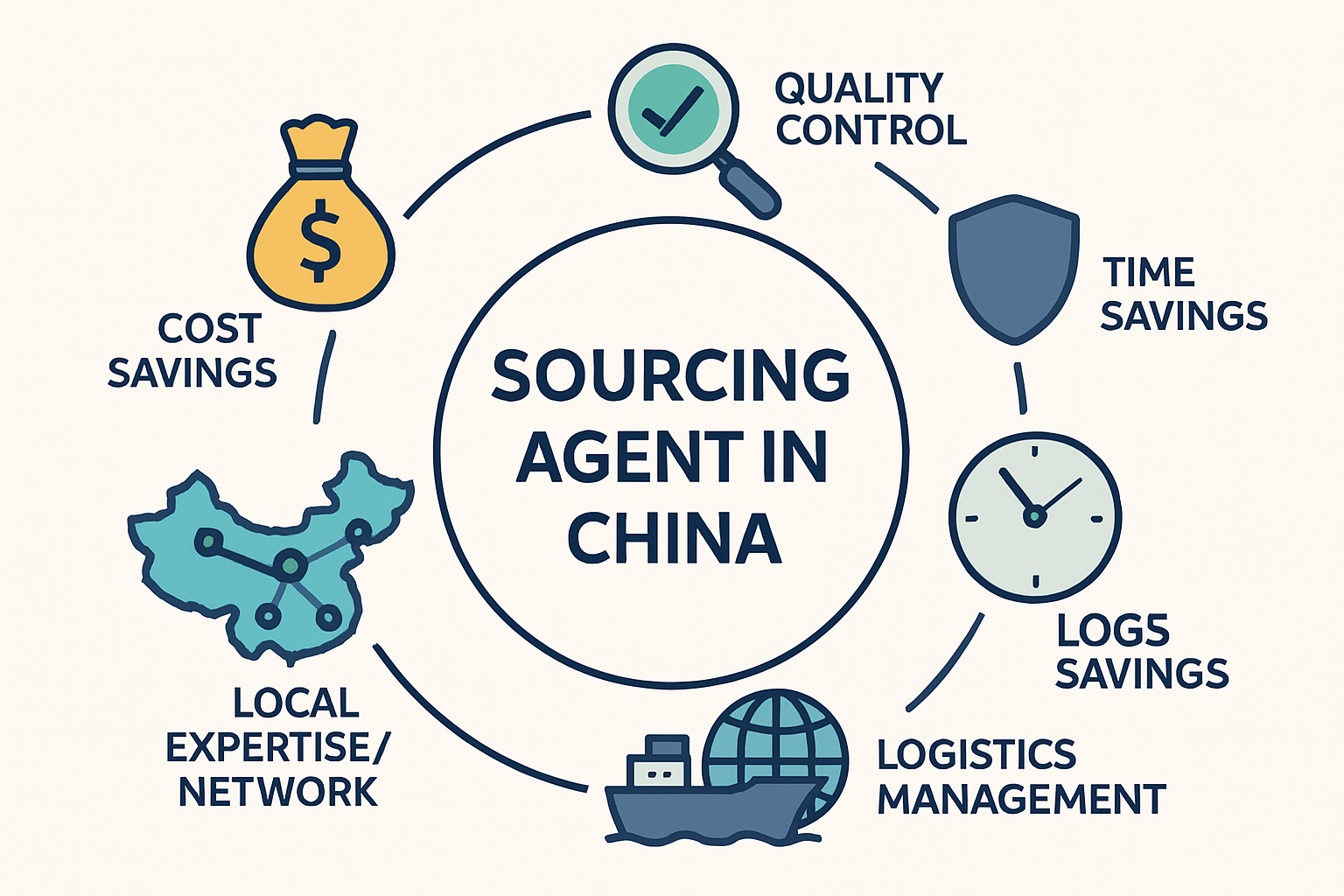
A sourcing agent in China acts as your local, on-the-ground partner, dedicated to navigating the complexities of the Chinese market to find reliable suppliers, negotiate favorable terms, ensure product quality, and manage the entire procurement process on your behalf, ultimately saving you time, money, and mitigating potential risks.
For businesses looking to tap into China’s vast manufacturing capabilities, the landscape can be both enticing and intimidating. The allure of cost-effective production and a wide array of products is often tempered by concerns about language barriers, cultural differences, quality control4, and the sheer distance involved. This is precisely where a professional China sourcing agent becomes an invaluable asset. As Martin Chow, founder of Mangors Sourcing, I’ve seen firsthand how the right partner can transform a daunting international purchasing endeavor into a streamlined and profitable venture. But what exactly does a sourcing agent do, and why is their role so crucial for businesses, especially B2B buyers2, aiming for success in the Chinese market?
Defining the Role: More Than Just a Middleman
At its core, a sourcing agent, sometimes referred to as a procurement agent or buying agent, is an individual or firm based in or specializing in a particular country (in this case, China) who represents a foreign buyer. Their primary objective is to identify, qualify, and secure products from local manufacturers that meet the buyer’s specifications, quality standards, and price targets. However, the role of a modern sourcing agent, particularly in a dynamic market like China, extends far beyond simple matchmaking. They are strategic partners who offer a comprehensive suite of services designed to manage the intricacies of the entire supply chain1.
Many businesses, especially small to medium-sized enterprises (SMEs) or those new to importing, might initially consider direct sourcing to save on agent fees. While this is understandable, the hidden costs and potential pitfalls of going it alone can quickly outweigh any perceived savings. The Chinese market, despite its global integration, has unique business practices, communication styles, and regulatory nuances that can be challenging for outsiders to navigate effectively. A sourcing agent acts as your trusted local expert, bridging these gaps and ensuring your interests are protected.
Key Purposes and Functions of a Sourcing Agent in China
The purpose of a sourcing agent in China is multifaceted, encompassing a range of critical functions that contribute directly to the success of your international procurement strategy. Let’s delve into the specifics:
1. Supplier Identification, Verification, and Qualification:
This is perhaps the most fundamental role. An agent will:
* Identify Potential Suppliers: Leveraging their local knowledge, networks, and databases (often far more extensive than online B2B platforms like Alibaba), agents can find a broader range of potential manufacturers, including those who may not have a significant online presence or English-speaking staff.
* Screen and Vet Suppliers: They conduct due diligence to verify the legitimacy of potential suppliers, checking business licenses, factory scale, production capacity, quality management systems (like ISO 9001), and financial stability. This helps weed out trading companies posing as factories, or unreliable operators.

- Factory Audits: For serious contenders, agents can perform on-site factory audits to assess their actual capabilities, working conditions, and adherence to social compliance standards, which is increasingly important for B2B buyers concerned with ethical sourcing.
2. Price Negotiation and Cost Reduction:
Experienced sourcing agents are skilled negotiators familiar with local market prices and manufacturing costs. They can:
* Secure Competitive Pricing: By understanding the true production costs3 and leveraging their relationships, agents can often negotiate better prices than a foreign buyer might achieve alone. They know the local bargaining culture.
* Optimize Payment Terms: They can also negotiate more favorable payment terms, potentially reducing upfront financial risk for the buyer.
* Identify Cost-Saving Opportunities: Agents might suggest alternative materials, production processes, or even different suppliers that can offer better value without compromising quality.
3. Quality Control and Product Inspections:
Ensuring product quality is paramount. A sourcing agent plays a crucial role in:
* Defining Quality Standards: Working with you to establish clear product specifications and quality criteria that are communicated effectively to the supplier.
* Implementing Quality Control (QC) Processes: This can include pre-production inspections (checking raw materials and components), in-process inspections (monitoring quality during manufacturing), and, most critically, pre-shipment inspections (verifying the finished goods meet all specifications before they leave the factory).

- Managing Defect Resolution: If quality issues arise, the agent acts on your behalf to resolve them with the supplier, whether it’s rework, replacements, or other corrective actions.
4. Order Management and Production Monitoring:
Once an order is placed, the agent doesn’t just disappear. They actively:
* Follow Up on Production: They monitor the production schedule, ensuring timelines are met and proactively addressing any potential delays.
* Facilitate Communication: They act as the primary communication link between you and the factory, overcoming language barriers and ensuring your requirements are clearly understood throughout the production process.
* Problem Solving: If issues arise during production (e.g., material shortages, technical difficulties), the agent is on the ground to help find solutions quickly.
5. Logistics5 and Shipping Management:
Getting your products from the factory in China to your doorstep involves complex logistics. A sourcing agent can:
* Arrange Freight Forwarding: They can help you find reliable freight forwarders and negotiate competitive shipping rates, whether by sea, air, or rail.
* Manage Export Documentation: Ensuring all necessary export licenses, customs declarations, and other paperwork are correctly prepared and processed.
* Consolidate Shipments: If you are sourcing from multiple suppliers, an agent can help consolidate your goods into a single shipment to save on costs.
6. Risk Mitigation:
Sourcing from China, like any international trade, involves risks. Agents help mitigate these by:
* Reducing Scam Risks: Thorough supplier verification significantly reduces the risk of dealing with fraudulent entities.
* Ensuring Contractual Compliance: Helping to draft and enforce robust purchase agreements that protect your interests.
* Navigating Trade Complexities: Staying updated on trade policies, tariffs, and import/export regulations that could impact your business.
* Intellectual Property (IP) Protection: While not IP lawyers, experienced agents can advise on basic IP protection measures and help you find specialized legal help if needed. Many businesses are now adopting a “China Plus One strategy6” to diversify risk, and an agent can be instrumental in exploring these alternative sourcing locations as well.
7. Communication and Cultural Bridging:
Effective communication is key. Agents:
* Overcome Language Barriers: Fluent in both your language (typically English) and Chinese (Mandarin, and often local dialects), they ensure clear and accurate communication.
* Navigate Cultural Differences: Understanding Chinese business etiquette and negotiation styles can prevent misunderstandings and build stronger supplier relationships.
8. Market Insights and Product Development Support:
Some sourcing agents also offer value-added services like:
* Identifying New Product Trends: Their proximity to the market allows them to spot emerging trends or new product opportunities.
* Assisting with Product Development: They can work with suppliers on prototyping, tooling, and refining product designs based on your concepts.
When is a Sourcing Agent Particularly Beneficial?
While almost any business importing from China can benefit, a sourcing agent is especially crucial if:
* You are new to importing from China.
* You lack the time, resources, or expertise to manage international sourcing effectively.
* You are sourcing complex or custom-made products requiring stringent quality control.
* You need to find niche suppliers not easily accessible online.
* You are looking to build long-term, reliable supplier relationships.
* You want to minimize risks and ensure a smoother procurement process.
Conclusion: Your Strategic Partner in China Sourcing
In essence, the purpose of a sourcing agent in China is to act as an extension of your own procurement team, providing the local expertise, network, and on-the-ground support necessary to navigate the Chinese market successfully. They are not just intermediaries but strategic partners who contribute to Supply Chain Resilience, cost efficiency, product quality, and overall business growth. At Mangors Sourcing, we embody this partnership approach, leveraging our deep understanding of the Chinese manufacturing landscape and our commitment to transparency to help businesses like yours achieve their sourcing goals. By entrusting your sourcing needs to a capable agent, you free up your valuable time and resources to focus on what you do best – growing your business.
If you’re considering sourcing from China, or looking to optimize your existing supply chain, understanding the comprehensive role a sourcing agent plays is the first step towards making an informed decision. They are your eyes, ears, and hands on the ground, dedicated to making your China sourcing journey a success.
Further Reading and Explanations
- 1. **Supply chain**: Gain a foundational understanding of what a supply chain entails, its components, and its importance in modern business operations. ↩
- 2. **B2b buyers**: Explore the typical journey B2B buyers undertake, including key stages and considerations, to better understand their decision-making process. ↩
- 3. **Production costs**: Learn about the different types of production costs, how they are calculated, and their impact on business profitability and pricing strategies. ↩
- 4. **Quality control**: Understand the principles of quality control, its methods, and why it is a critical process for ensuring product standards and customer satisfaction. ↩
- 5. **Logistics**: Discover the scope of logistics, including transportation, warehousing, and inventory management, and its role in efficient supply chain operations. ↩
- 6. **China plus one strategy**: Understand the ‘China Plus One’ strategy, its drivers, benefits, and implications for businesses looking to diversify their manufacturing and sourcing bases. ↩