
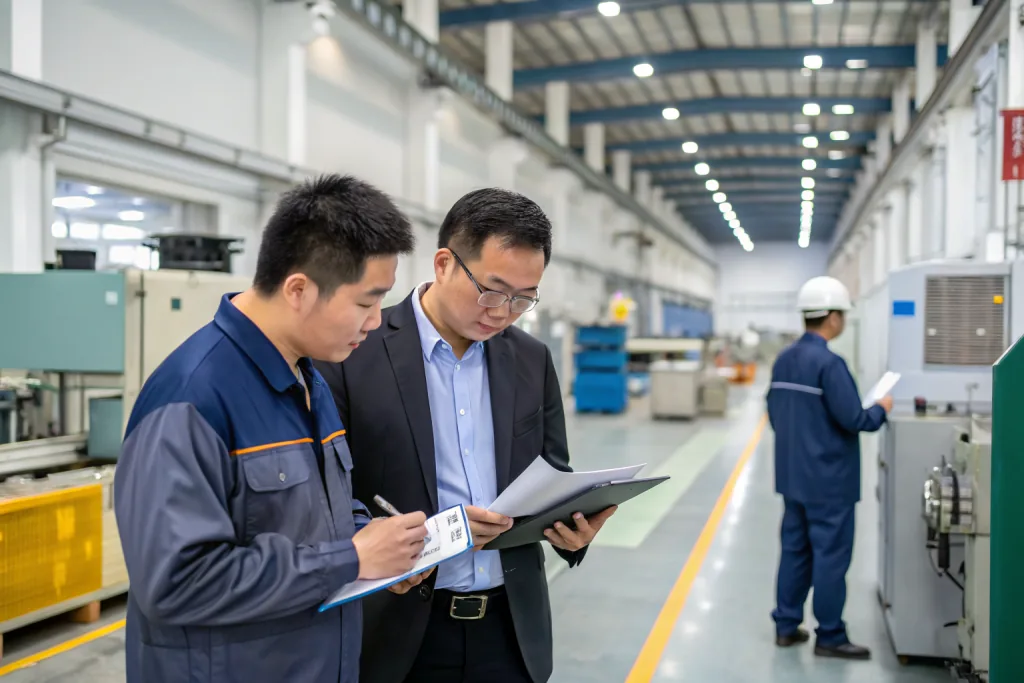
Finding a reliable supplier in China requires using verified B2B platforms, attending trade shows, conducting factory audits, checking business licenses, and working with experienced sourcing agents who can vet suppliers on your behalf. The most effective approach combines online research through platforms like Alibaba (with Gold Supplier verification), third-party certification checks, and on-site inspections to verify manufacturing capabilities before placing orders.
Sourcing products from China offers significant cost advantages—typically 30-60% lower than domestic manufacturing—but finding trustworthy suppliers remains the biggest challenge for importers. With over 150,000 manufacturers listed on major B2B platforms and varying quality standards, identifying reliable partners requires systematic verification methods that go beyond online listings.
How do I find legit suppliers in China?
You can find legitimate Chinese suppliers through seven proven methods: established B2B platforms with verification systems, trade shows in China and internationally, sourcing agents with local expertise, Google searches combined with company verification, industry associations, referrals from other importers, and direct outreach to manufacturers in specific industrial zones.
1. Use Verified B2B Platforms
Alibaba.com remains the largest B2B marketplace with over 200,000 verified suppliers. Look for Gold Supplier badges (costs suppliers $2,999-$5,999 annually) and Assessed Supplier certifications (on-site verification by third parties like SGS or TUV). Trade Assurance protection covers orders up to $500,000 for payment and quality disputes.
Global Sources focuses on quality manufacturers willing to pay higher listing fees ($15,000-$30,000 annually), which naturally filters out smaller, unverified traders. Their verification process includes factory visits and export history checks.
Made-in-China.com offers Audited Supplier verification with detailed factory audit reports showing production capacity, quality control systems, and export experience. Approximately 35% of their suppliers have passed third-party audits.
2. Attend Trade Shows and Exhibitions
Major trade shows provide face-to-face meetings with manufacturers. The Canton Fair (held twice yearly in Guangzhou) attracts 25,000+ exhibitors and 200,000+ buyers, with booth costs ranging from $3,000-$15,000, indicating serious business operations. Industry-specific shows like CES Asia for electronics or Cosmoprof Asia for beauty products offer more targeted supplier discovery.
Trade show advantages include the ability to examine product samples directly, negotiate pricing in person, and assess supplier professionalism through booth presentation and staff expertise. Budget $5,000-$10,000 for a week-long sourcing trip including flights, accommodation, and local transportation.
3. Work With Professional Sourcing Agents
Experienced China sourcing agents like Mangors Sourcing maintain databases of pre-vetted manufacturers across various industries. These agents conduct supplier audits, verify business licenses, check production capabilities, and leverage existing relationships to negotiate better terms. Service fees typically range from 5-10% of order value or flat rates of $1,000-$3,000 per project, which often pays for itself through better pricing and risk reduction.
Sourcing agents provide particular value for first-time importers who lack experience evaluating Chinese suppliers or navigating language barriers and cultural differences. They also manage quality control inspections and coordinate shipping logistics.
4. Conduct Targeted Google Searches
Search for specific product categories plus “manufacturer” or “factory” (for example: “silicone kitchenware manufacturer China”). Legitimate manufacturers typically have professional websites with detailed facility information, certifications, and export history. Cross-reference company names with business registration databases and check their domain age (domains older than 2-3 years indicate established operations).
5. Leverage Industry Associations
Organizations like the China Chamber of Commerce for Import and Export of Machinery and Electronic Products (CCCME) or industry-specific associations maintain member directories. Membership requirements include business verification and minimum operating standards, providing an additional vetting layer.
6. Request Referrals From Other Importers
Networking through industry forums, LinkedIn groups, or local business associations can yield trusted supplier recommendations. Importers who have successfully worked with Chinese manufacturers often share contacts for non-competing products. This method provides real-world performance data beyond what marketing materials reveal.
7. Identify Manufacturers in Industrial Clusters
China’s manufacturing concentrates in specialized zones: electronics in Shenzhen, textiles in Guangzhou, furniture in Foshan, and hardware in Yongkang. Researching suppliers within these clusters increases the likelihood of finding experienced manufacturers with established supply chains. Industrial zone manufacturers typically have MOQs of 500-3,000 units with unit costs 20-40% lower than trading companies.
How to check if a China supplier is legit?
You can verify a Chinese supplier’s legitimacy by checking their business license through official databases, requesting and verifying certifications, conducting third-party factory audits, analyzing their export history, examining financial stability indicators, and testing their communication professionalism and product expertise.
Business License Verification
Every legitimate Chinese company has a business license with a unique Social Credit Code (18-digit number). Request this document and verify it through the National Enterprise Credit Information Publicity System (gsxt.gov.cn). Check registration date (companies operating 5+ years show stability), registered capital (minimum $100,000 for serious manufacturers), and business scope (must include your product category).
Certification and Compliance Checks
Depending on your product category, suppliers should hold relevant certifications:
| Certification | Purpose | Verification Method |
|---|---|---|
| ISO 9001 | Quality management systems | Check certificate number with issuing body |
| ISO 14001 | Environmental management | Verify through certifying organization website |
| BSCI | Social compliance audit | Contact BSCI database or request audit report |
| FDA Registration | US food/medical product exports | Search FDA registration database |
| CE Marking | European safety standards | Request test reports from accredited labs |
Be cautious of suppliers who only show certificate copies without providing verifiable numbers or who claim certifications without supporting documentation.
Third-Party Factory Audits
Commission independent inspection companies like SGS, Bureau Veritas, or TUV to conduct on-site factory audits. These audits cost $300-$800 and verify production capacity, quality control procedures, worker conditions, and export capabilities. Audit reports should include photos, equipment lists, employee counts (legitimate manufacturers typically have 50+ workers), and production line details.
Export History Analysis
Request evidence of previous exports through shipping documents, customer testimonials with contact information, or import/export data services. Manufacturers with consistent export records demonstrate reliability. Ask for references from customers in your target market and actually contact them to verify experiences.
Financial Stability Indicators
Larger orders require financially stable suppliers. Red flags include requests for 100% payment upfront (standard terms are 30% deposit, 70% before shipment), reluctance to accept payment methods with buyer protection, or inability to provide company financial statements for significant orders exceeding $50,000.
How to find a trustworthy supplier?
Finding trustworthy suppliers requires starting with small test orders (500-1,000 units or $1,000-$5,000 value), conducting multiple rounds of communication to assess responsiveness and expertise, visiting factories in person when possible, implementing quality control inspections, and building relationships gradually while monitoring performance across multiple orders.
Start With Test Orders
Even after vetting, begin with smaller orders to evaluate supplier performance without excessive risk. Test orders reveal actual production quality, adherence to timelines, packaging standards, and communication effectiveness during order fulfillment. Accept higher per-unit costs (typically 15-25% more than full production MOQ pricing) as insurance against larger losses.
Conduct Pre-Production and Pre-Shipment Inspections
Quality control inspections catch issues before they become costly problems. Pre-production inspections ($200-$350) verify materials and components before manufacturing begins. During production inspections ($250-$400) check progress at 30-50% completion. Pre-shipment inspections ($250-$400) examine finished products before leaving the factory, catching defects when correction is still possible.
Professional sourcing companies like Mangors Sourcing include inspection services as part of comprehensive quality control programs, with experienced QC teams conducting checks according to AQL standards and providing detailed reports with photos.
Evaluate Communication Quality
Trustworthy suppliers demonstrate professionalism through clear communication, detailed responses to technical questions, transparency about capabilities and limitations, and proactive updates on order status. Warning signs include vague answers, excessive promises without documentation, pressure tactics, or poor English communication that leads to misunderstandings (consider if language barriers require interpreter services).
Visit Factories When Possible
On-site visits provide invaluable insights impossible to gain remotely. Observe production facilities, meet management teams, inspect quality control processes, and assess overall operational professionalism. Budget $2,000-$4,000 for a sourcing trip visiting 5-8 factories over one week, or engage a sourcing agent to conduct visits on your behalf for $300-$600 per factory visit.
Build Long-Term Relationships
The most trustworthy supplier relationships develop over time through consistent orders, clear communication, fair treatment, and mutual respect. Reliable suppliers become partners invested in your success, offering better pricing (5-15% improvements after establishing relationships), priority production scheduling, and flexibility during challenges.
Use Secure Payment Methods
Protect payments through methods offering buyer protection: Trade Assurance on Alibaba, PayPal for smaller amounts (under $10,000), or Letters of Credit for large orders. Avoid Western Union, MoneyGram, or direct bank transfers to personal accounts. Standard payment terms are 30% deposit to begin production and 70% balance before shipment, though established relationships may offer better terms.
Finding reliable Chinese suppliers combines systematic verification methods with practical risk management strategies. While the process requires time investment upfront—typically 4-8 weeks for thorough vetting—selecting trustworthy manufacturing partners creates the foundation for profitable, sustainable import operations.
Mangors Sourcing specializes in helping small and medium businesses navigate the complexities of importing from China. Our experienced team provides end-to-end services including supplier vetting, factory audits, quality control inspections, shipping coordination, and customs clearance. We leverage our network of pre-verified manufacturers and local expertise to reduce your sourcing risks while securing competitive pricing. Contact us today for a free consultation to discuss your sourcing needs and discover how we can simplify your China importing process.