

Pre-shipment inspections provide assurance that products meet quality standards, minimize costly rejections, and significantly improve supply chain efficiency.
In today’s global market, ensuring product quality is more challenging than ever. For procurement and supply chain managers, implementing pre-shipment inspections1 is a proven strategy to mitigate risks throughout the sourcing process. This quality control measure not only guarantees that products comply with buyer specifications but also supports smoother operations and cost reductions. By proactively identifying issues before shipment, businesses save both time and money while strengthening supplier relationships.
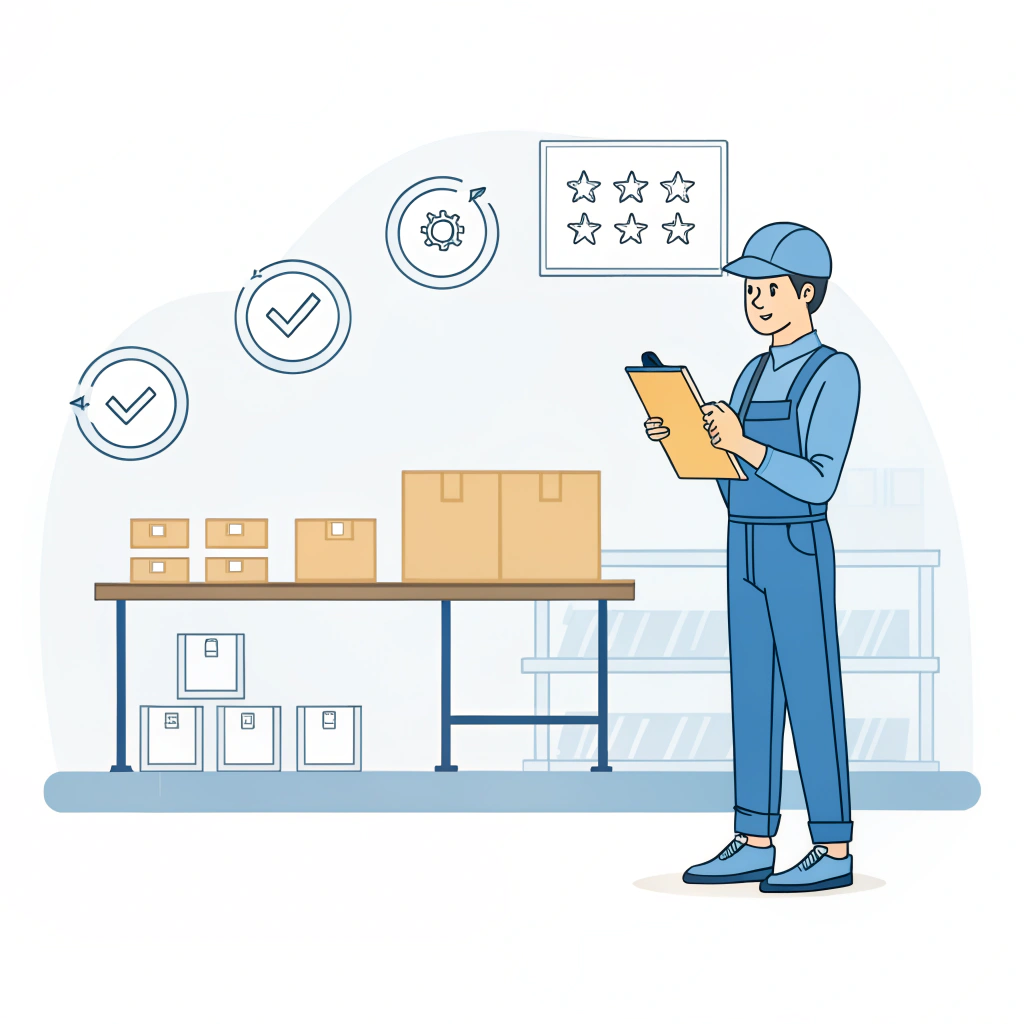
International sourcing comes with inherent risks such as inconsistent quality, delays, and non-compliance with specifications. Frequent challenges include:
- Supplier Variability: Different manufacturing standards and quality practices increase the likelihood of receiving substandard products.
-
- Regulatory Compliance2: Trade regulations vary from country to country, necessitating strict adherence to local and international standards.
- Inspection Complexity: Diverse product categories often require specific tests and inspections to verify functionality and safety.
These challenges have significant implications on a business’s bottom line. The costs associated with returns, product recalls, and reputational damage can be high. As a result, companies are increasingly turning to pre-shipment inspections as a critical part of their quality assurance process.
Pre-shipment inspections are performed before goods leave the supplier’s factory, ensuring that orders meet the buyer’s precise specifications. These inspections involve detailed checks and product-specific tests, such as:
- Quality Verification: A thorough review of the product against specifications.
- Mechanical and Electrical Safety Tests: Ensuring items perform safely and reliably.
- Compliance Checks: Verifying that all products adhere to local and international regulatory standards.
The benefits of implementing pre-shipment inspections are far-reaching and directly impact procurement efficiency and product quality. Below, we explore the top 10 benefits associated with these inspections.
When products are inspected thoroughly before shipment, the probability of receiving faulty or non-compliant items is significantly reduced. Pre-shipment inspections ensure that any deviations from specifications are identified and corrected promptly, lowering the risk of costly rejections or returns. This proactive approach minimizes disruptions in the supply chain and saves time.
Cost overruns often result from last-minute fixes, product recalls, or damaged shipments. By implementing early quality checks, companies can avoid these expenses. Inspections help pinpoint issues early, reducing the need for expensive reworks or returns. In essence, quality control at the factory level leads to substantial cost savings in logistics, warehousing, and distribution.
3. Improved Supplier Accountability3
When suppliers know that their products will undergo detailed inspections, they are motivated to adhere strictly to quality and production standards. This increased accountability fosters better supplier performance and improved quality consistency. An accountable supplier base is essential for maintaining long-term business relationships and operational efficiency.
Consistently delivering quality products builds a solid reputation among buyers and end consumers. By employing pre-shipment inspections, companies can ensure that only products meeting high-quality standards reach the market. This reliability boosts customer trust and satisfaction, ultimately contributing to brand loyalty and repeat business.

In regulated industries, adherence to safety standards is crucial. Pre-shipment inspections include checks for compliance with both local and international standards, ensuring that products meet all required norms. These inspections help avoid legal issues and potential fines associated with non-compliance, offering peace of mind to both manufacturers and buyers.
A well-coordinated inspection process reduces uncertainties in the sourcing process. By conducting pre-shipment inspections, companies can better manage their supply chain timelines, ensuring that products are shipped on schedule. This proactive measure helps maintain steady production flows and eliminates bottlenecks caused by corrective actions after shipment.
Pre-shipment inspections also serve as a feedback tool for internal quality control programs. The findings from these inspections can be used to identify recurring issues or areas of improvement within the manufacturing process. This data-driven approach enables companies to enhance their internal controls and adopt better practices over time.
8. Better Inventory Management4
By ensuring that only compliant products are shipped, companies reduce the incidence of defective goods entering their inventory. This leads to more accurate inventory planning and lower incidences of stockouts or overstock situations. Better inventory management, in turn, supports efficient operations and better financial management across the supply chain.
Transparency is key in supplier relationships. Regular inspections promote honest communication and clarity between buyers and suppliers. By sharing inspection reports and quality metrics, both parties can collaborate on continuous improvement initiatives, leading to a mutually beneficial partnership. This transparency not only enhances trust but also paves the way for more effective negotiations and long-term cooperation.
Ultimately, businesses that invest in quality control measures such as pre-shipment inspections position themselves as reliable and quality-focused partners. This commitment to quality can be a significant competitive differentiator, especially in markets where product consistency and reliability are highly valued. Companies with robust inspection processes are better prepared to meet market demands and regulatory requirements, giving them an edge over competitors who cut corners on quality assurance.
To better visualize the benefits and implementation process, the following table summarizes how pre-shipment inspections integrate into supply chain management and the associated advantages:
| Step | Description | Key Benefit |
|---|---|---|
| Supplier Qualification | Evaluate potential suppliers and perform initial audits | Builds a solid supplier base and accountability |
| Pre-Production Inspection | Identify potential issues before mass production | Prevents defects at an early stage |
| In-Line Inspection | Monitor production process continuously | Ensures ongoing quality control |
| Pre-Shipment Inspection | Final check before products leave the factory | Reduces rejections and guarantees compliance |
| Post-Shipment Follow-Up | Validate performance and gather feedback post-delivery | Enhances customer satisfaction and continuous improvement |
This structured approach helps companies streamline their procurement process and maintain rigorous quality control standards at every stage.
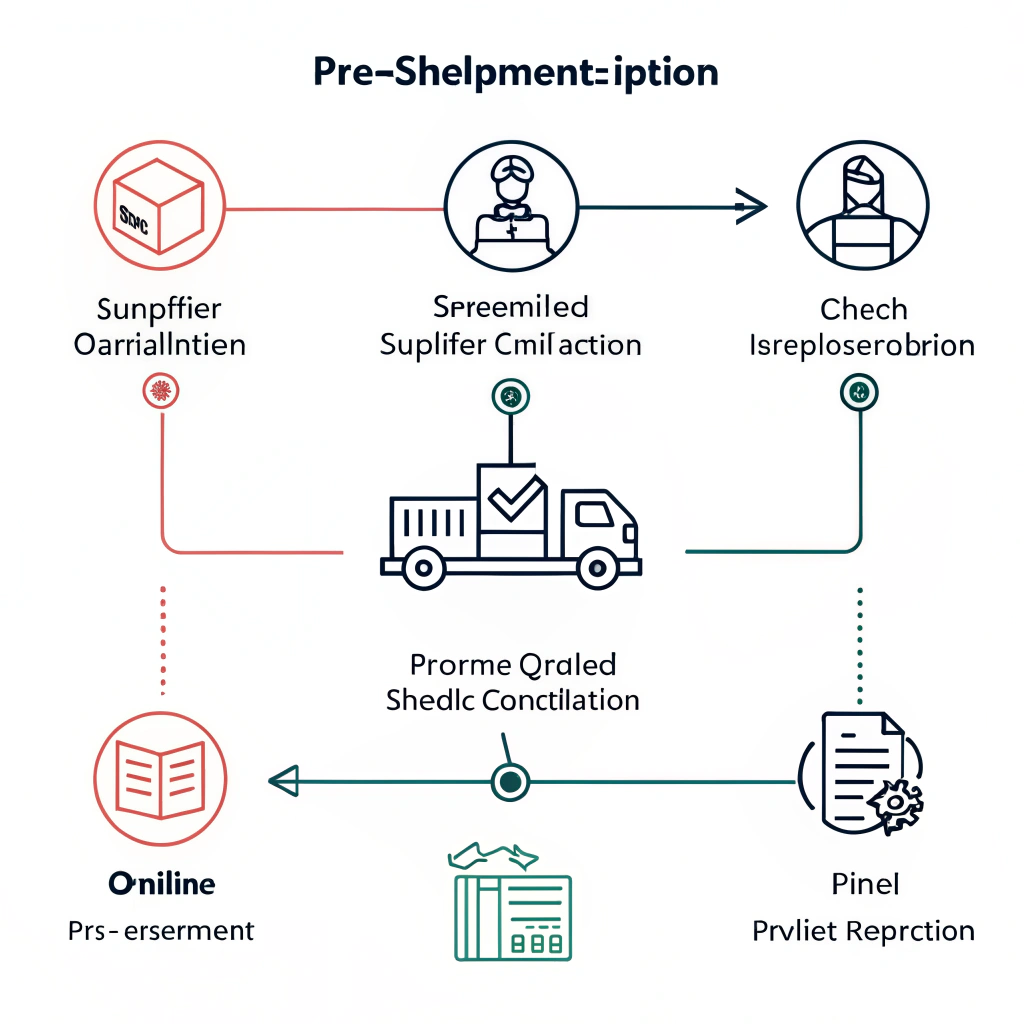
Implementing pre-shipment inspections is not merely an additional step—it’s an integral part of managing risks in international sourcing. When quality issues are identified early on, corrective actions can be taken swiftly. This pre-emptive strategy minimizes delays and reduces uncertainties, making your operations more predictable and efficient.
The data obtained through pre-shipment inspections can inform strategic decisions. For instance, if repeated quality issues are observed with a particular supplier, procurement teams can re-evaluate and consider switching to more reliable partners. This continuous collection of performance data bolsters the overall quality control system and aids in risk forecasting.
High-quality products delivered consistently lead to satisfied customers. In sectors where the end-user inspects and uses the product—be it retail or industrial—ensuring product compliance is crucial. When quality expectations are met or exceeded, companies can build stronger relationships with buyers, leading to potential growth in market share.
While pre-shipment inspections require an initial investment, the long-term cost benefits are undeniable. Reducing the need for returns, reworks, and compensations ultimately enhances the profitability of each procurement cycle. In addition, better quality control means fewer disruptions and reduced warranty claims, which positively impact the overall financial health of a company.
- Select Qualified Inspection Agencies: Choose third-party agencies with specialized expertise in your product category. Their experience will provide valuable insights into potential quality issues.
- Develop Clear Inspection Guidelines: Outline detailed specifications and quality standards that must be met. This ensures that the inspection team has a clear set of criteria to evaluate against.
- Integrate Inspections into the Supply Chain: Make inspections an integral part of your procurement process rather than a one-time checkpoint. Regular audits help maintain high standards over time.
- Use Technology for Data Collection: Incorporate tools that facilitate real-time feedback and reporting. Digital reporting helps streamline communication between teams and suppliers.
- Train Internal Teams: Ensure that your procurement and quality control teams understand the inspection process. Their insights can complement third-party data, resulting in even more robust quality assurance.
Implementing pre-shipment inspections is a strategic investment in the health of your supply chain. By reducing risks, lowering costs, and enhancing overall product quality, these inspections enable you to build lasting supplier relationships and ensure customer satisfaction.
In summary, the top benefits discussed are:
- Reduced risk of product rejections and returns
- Cost savings across the supply chain
- Improved supplier accountability
- Enhanced customer satisfaction and trust
- Assurance of compliance with safety and international standards
- Streamlined operational efficiency
- Improved internal quality control
- Better inventory management
- Strengthened supplier relationships through transparency
- Increased competitiveness in the market
For procurement managers looking to secure reliable products while optimizing operational efficiency, pre-shipment inspections offer a tangible solution to many challenges in international sourcing. It’s time to make quality an integral part of your strategy—consider incorporating regular pre-shipment inspections to safeguard your business interests and excel in today’s competitive market.
Q: What are the advantages of pre-shipment inspection?
A: Pre-shipment inspections help ensure that products meet buyer requirements and technical specifications. This reduces the risk of costly rejections and returns, leading to improved customer satisfaction and significant cost savings.
Q: What are the benefits of the inspection process?
A: The inspection process delivers multiple benefits such as cost savings, improved product quality consistency, enhanced supplier accountability, and faster response times. It also increases transparency, builds buyer trust, and fosters a more agile supply chain.
Q: What are the 3 methods of pre-shipment inspection?
A: Common methods include quality verification with product-specific tests, mechanical safety and function testing for textiles and garments, and electrical safety testing to ensure compliance with industry standards.
-
pre-shipment inspections: Click to read more about the process, its benefits, and how implementing effective inspections can reduce risks and improve product quality throughout the supply chain. ↩ ↩
-
Regulatory Compliance: Click to learn about various regulatory standards, how they differ internationally, and the importance of ensuring products comply with both local and global mandates. ↩ ↩
-
Supplier Accountability: Click to understand how enforcing strict quality standards through inspections can enhance supplier performance and drive better business results. ↩ ↩
-
Inventory Management: Click to discover strategies for optimizing inventory levels using insights gained from pre-shipment inspections, ensuring cost efficiency and reduced stock-related issues. ↩ ↩
-
Data-Driven Decision Making: Click to explore how leveraging inspection data can inform strategic sourcing decisions and improve overall operational efficiency. ↩ ↩