
A Chinese inspection company is a specialized third‑party service provider that rigorously checks factories and products to ensure they meet quality standards, regulatory requirements, and customer expectations. This quick answer highlights the role these companies play in mitigating risks associated with international sourcing from China and ensuring supply chain integrity1.
International sourcing2 from China often comes with the challenge of maintaining high‑quality standards and consistent product performance. Quality issues, manufacturing defects, and compliance problems can lead to costly recalls, customer dissatisfaction, and even legal troubles. This is especially true for businesses that depend on strict quality control measures to safeguard their brand reputation. Sourcing managers, procurement specialists, and quality control experts thus need to find reliable inspection companies that can bridge the gap between Chinese suppliers and global market expectations.
The core challenge is to identify an inspection partner that combines expertise, rigorous audit procedures, and personalized service to ensure every product meets the predefined standards. By doing so, businesses can confidently negotiate prices, manage shipments, and maintain long‑term relationships with their suppliers.
Before diving into the solution, it helps to understand why sourcing from China might require a thorough inspection process:
- Diverse Manufacturing Standards: Chinese suppliers may operate under various quality control systems. While some adhere to international standards, others might not have robust internal controls.
- Communication Barriers: Differences in language and business culture can lead to misunderstandings regarding production specifications and compliance requirements.
- Geographical Distance: The physical distance creates a gap between the buyer and the production site, increasing the reliance on third‑party inspectors.
- Regulatory Compliance: Different countries have their own regulatory requirements. Ensuring that products are compliant with these standards necessitates a meticulous inspection process.
- Cost vs. Quality Trade‑off: Lower manufacturing costs in China sometimes come at the expense of quality. An effective inspection service can help strike the right balance.
Understanding these factors is essential as they inform the evaluation criteria when selecting an inspection service in China.
Finding the right inspection partner involves a combination of research, verification, and due diligence. Below is a structured solution‑oriented approach to help you make an informed decision.
Begin by clearly outlining your inspection requirements. Understand the scope of your product inspection, whether it involves production line checks, pre‑shipment inspections, or compliance audits. Consider specifics such as:
- Pre‑production samples: To validate initial quality.
- In‑process inspections: To monitor quality during production.
- Pre‑shipment inspection3: To ensure finished products meet quality standards.
- Compliance audit4: To verify that production meets regulatory policies.
Clearly defined needs will help streamline the search for an inspection company that specializes in your requirements.
Use multiple channels for your research:
- Online Directories & B2B Platforms: Websites like Alibaba, GlobalSources, and industry‑specific directories list many Chinese inspection companies. Look for those with detailed service descriptions and verified customer reviews.
- Industry Forums & Sourcing Networks: Leverage sourcing communities, online forums, and industry groups on platforms like LinkedIn to get firsthand recommendations.
- Trade Shows & Industry Events: Attending sourcing or trade events in China can provide opportunities to meet potential inspection partners face‑to‑face.
Once you have a list, narrow down your choices based on:
- Experience: How long have they been in business?
- Certifications: Do they hold recognized certifications or comply with international standards such as ISO standards5?
- Client Portfolio: Do they serve clients with similar needs and in your industry?
When vetting a potential inspection company, consider using a checklist that addresses essential criteria:
| Evaluation Criteria | Key Questions |
|---|---|
| Experience & Reputation | How many years have they been operating? Are there verified testimonials or case studies available? |
| Certifications & Accreditation | Do they hold international quality certifications (e.g., ISO standards)? |
| Service Scope | What types of inspections do they offer? (Pre‑production, in‑process, pre‑shipment, audit services) |
| Technological Capabilities | Do they employ modern inspection tools and software for reporting and tracking? |
| Communication & Reporting | Is the reporting detailed and timely? How accessible are their inspectors for clarifications? |
| Cost Structure | Are their fees transparent and competitive when compared against the service quality provided? |
This table not only organizes your evaluation criteria but also serves as a quick reference during discussions with potential inspection companies.
Once you have shortlisted a few candidates, ask for detailed proposals. A good proposal should include:
- Detailed Scope of Services: An outline of exactly what will be inspected and how.
- Inspection Methodology: Information on tools, processes, and techniques used during inspections.
- Reporting Format: Sample reports and timelines for delivering inspection outcomes.
- Pricing Structure: Clear breakdown of costs, including any additional fees for rush jobs or specialized inspections.
- Client References: Contact details of past or current clients who can vouch for the company’s reliability and thoroughness.
This stage might involve a few rounds of negotiations and clarifications. Transparency in proposals is a strong indicator of the company’s commitment to quality and customer service.

Before committing to a long‑term contract, consider testing the services through a pilot project or a trial inspection. Doing so will allow you to:
- Assess the Quality of the Inspection: Verify if the inspection reports are detailed, accurate, and actionable.
- Test Communication Efficiency: Ensure the inspection company is responsive and capable of handling queries effectively.
- Benchmark Against Standards: Compare the inspection results with your internal quality benchmarks or industry standards.
A successful trial provides confidence in the inspection company’s ability to meet your expectations and can serve as a robust reference point for future orders.
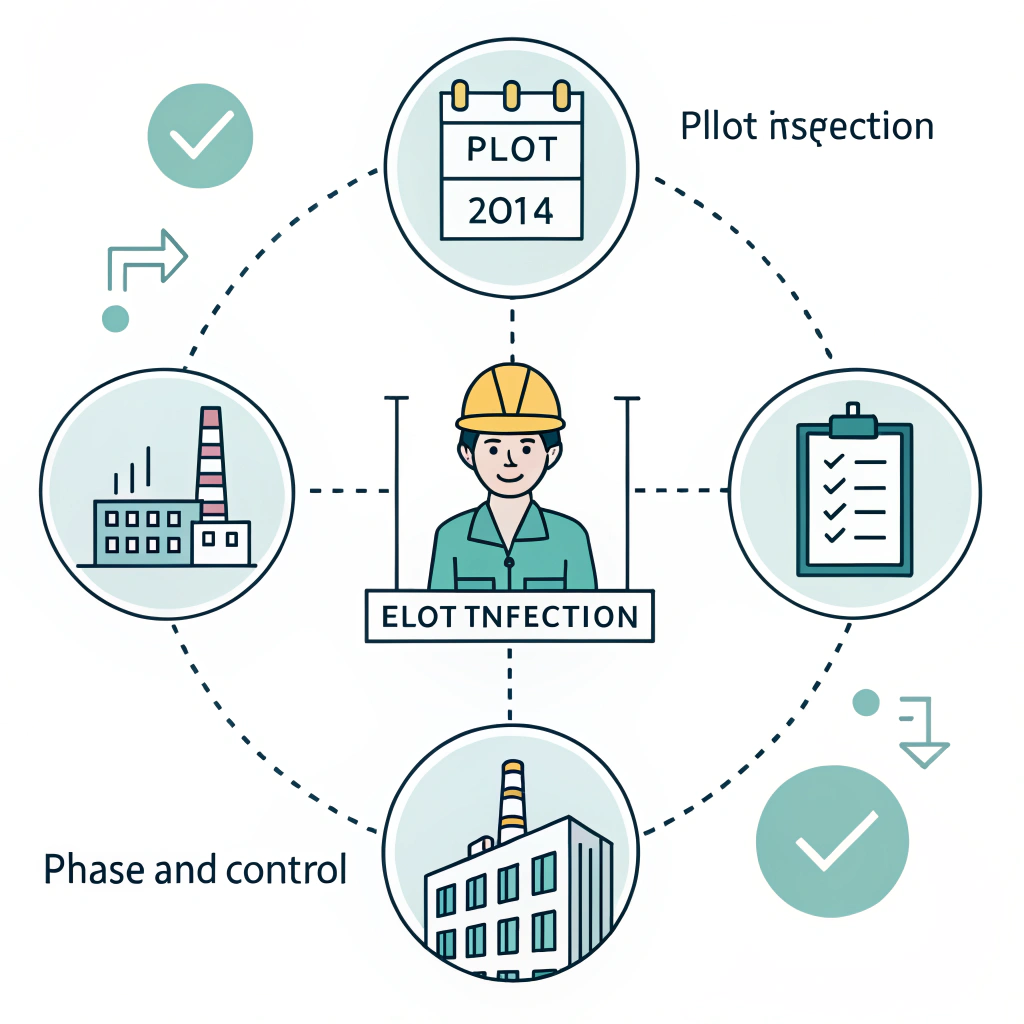
When selecting an inspection company in China, consider the following additional best practices:
- Transparency: Look for companies that provide complete transparency in their operations. Thorough documentation, regular updates, and real‑time tracking are indicators of a transparent operation.
- Local Expertise: An inspection firm with a strong local presence in China will have better insights into local manufacturing practices and regulatory requirements.
- Regulatory Knowledge: Ensure that the inspection company is well versed in the import/export regulations relevant to your products and destination markets.
- Customizable Services: Every product line and manufacturing process is unique. Choose a partner who offers tailor‑made inspection solutions rather than a one‑size‑fits‑all approach.
- Technology Integration: Modern inspection companies use digital tools, including mobile applications and cloud‑based reporting, to improve precision and efficiency. This integration can lead to faster decision‑making and easier access to inspection data.
In summary, finding a reliable inspection company in China involves a disciplined approach that combines detailed research, structured evaluation, pilot testing, and ongoing performance monitoring. By focusing on these critical steps, B2B procurement professionals can secure a quality control partner who not only meets but exceeds their expectations, thereby reinforcing their supply chain integrity and safeguarding their brand reputation.
What is a Chinese inspection?
A Chinese inspection is a process where trained inspectors assess the manufacturing process, product workmanship, and overall quality of products produced in China. They verify that the products meet the specified quality standards and construction requirements.
What is QC in China?
QC in China refers to Quality Control measures that include product inspections, auditing, and lab testing to ensure that goods produced in China adhere to both industry standards and regulatory requirements. This includes periodic quality checks throughout the production process.
How to start an inspection company?
Starting an inspection company involves creating a detailed business plan, obtaining the necessary training and certifications, insuring against liability, acquiring the appropriate inspection tools and software, and establishing a branded presence. While these steps are tailored for home inspection businesses, similar foundational processes apply for a company specializing in product inspection within China.
-
supply chain integrity: Reading this article helps understand the importance of maintaining consistent quality and reliability throughout the entire supply chain, ensuring that every step from production to delivery meets the established standards. ↩ ↩
-
International sourcing: Discover insights into the strategic practice of procuring products and services from overseas markets, including the benefits, challenges, and best practices for managing cross-border transactions. ↩ ↩
-
Pre‑shipment inspection: Learn about the critical inspection process conducted before goods are shipped, which ensures that products meet quality standards and minimizes risks associated with defective deliveries. ↩ ↩
-
Compliance audit: Gain a clear understanding of the comprehensive review of processes and products to ensure adherence to regulatory standards and industry-specific requirements, thus reducing legal and operational risks. ↩ ↩
-
ISO standards: Explore the international benchmarks for quality management and assurance, which are essential for companies looking to improve their operational efficiency and gain global recognition. ↩ ↩