

Pre-Shipment Inspection is a critical process ensuring that goods meet the agreed-upon specifications, quality standards, and regulatory compliance1 before they leave the manufacturer’s premises. In this article, we explore the importance, best practices, and actionable guidelines for implementing a robust pre-shipment inspection process to safeguard your supply chain.
Pre-Shipment Inspection (PSI) is a quality control inspection2 carried out once product production is sufficiently complete, typically at least 80%. Its primary purpose is to verify that the products are manufactured as per the specified requirements, including design, functionality, safety standards, and regulatory compliance1. This ensures that businesses receive products free from defects and comply with both domestic and international standards.

For procurement managers, quality control officers, and sourcing specialists, pre-shipment inspections serve several critical functions:
- Risk Management: Reduces the risk of receiving defective or non-compliant products.
- Cost Efficiency: Prevents potential financial losses from defective goods, rework, or returns.
- Compliance Assurance: Ensures products meet international safety and regulatory standards.
- Supplier Verification: Acts as a transparent measure to audit a supplier’s quality control practices.
Conducting a thorough PSI process helps streamline your supply chain, build confidence in supplier relationships, and protect your brand’s reputation in international trade.
Before diving into the PSI process, understanding the challenges is important:
- Inconsistent Quality Control: Variability in production quality across different batches or manufacturing facilities.
- Regulatory Complexity: Different countries have varying standards and certification requirements.
- Communication Barriers: Language and cultural differences may lead to misunderstandings regarding product specifications.
- Limited Transparency: Some suppliers may not maintain rigorous internal quality control, leading to potential discrepancies in product quality.
These challenges underscore the need for an independent and expert PSI process that bridges the gap between suppliers’ practices and buyers’ expectations.
The PSI process involves multiple steps that systematically address potential risks. Below is a detailed breakdown of the process:
- Specification Review: Ensure that the product specifications, compliance standards, and quality requirements are clearly defined in your purchase order.
- Supplier Audit: Evaluate the supplier’s historical performance, factory certifications, and supplier audit3 practices.
- Inspection Scope: Decide the extent of the inspection, including sample size, testing methods, and specific compliance tests.
- Product Verification: Inspect physical samples against approved design and functionality. This includes dimensional checks, material verification, and visual inspection for defects.
-
Compliance Testing: Carry out various product-specific tests:
- Quality Verification Tests: These are critical for confirming that the key product features are intact.
- Mechanical Safety Tests: Evaluate the durability and robustness, especially for products with moving parts. This includes mechanical safety tests4.
- Electrical Safety Testing: Essential for any electronic products to ensure safety and functionality.
The following table provides a quick reference to the common pre-shipment inspection methods:
| Method | Description | Typical Applications |
|---|---|---|
| Quality Verification | Product specific tests to assess the integrity and functionality. | Textiles, garments, footwear, etc. |
| Mechanical Safety Tests | Assess product durability and mechanical performance. | Machinery parts, toys, appliances. |
| Electrical Safety Testing | Confirm electrical safety, performance, and regulatory compliance. | Electronic devices, consumer electronics. |

After on-site inspection, the inspector compiles a detailed report that includes:
- Inspection Results: Comprehensive documentation of defects, measurement deviations, or non-conformities.
- Photographic Evidence: Images of both compliant and non-compliant samples.
- Recommendations: Guidelines for corrective actions or re-inspection if necessary.
- Compliance Certificates: When available, evidence of adherence to regulatory standards.
- Supplier Feedback: Provide the supplier with a transparent report to address any discrepancies.
- Re-inspection: For any significant deviations, consider a follow-up inspection.
- Decision Making: Use the inspection report to inform decisions about releasing the shipment or demanding corrective actions before shipping.
To ensure that the PSI process leads to reliable outcomes, consider the following best practices:
- Industry Expertise: Look for providers who have a proven record in your specific industry.
- Transparency: The provider should offer full visibility into the inspection process, including real-time data and comprehensive reporting.
- Global Standards: Ensure they adhere to international guidelines and quality certifications.
- Regular Inspections: Conduct PSI at appropriate stages of production, ideally when production is 80%-90% complete.
- Consistent Audits: Regular audits of suppliers can build trust and prompt continuous quality improvement.
- Documentation: Maintain records of all inspections, quality tests, and supplier communication.
- Training: Ensure your quality control team is well trained in standard PSI procedures and regulatory requirements.
- Feedback Loop: Use insights from PSI reports to continuously improve your sourcing and production processes.
Adopting a robust Quality Management System (QMS)5 is essential for enduring quality assurance and continual improvement.
- Local and International Standards: Ensure the products comply with both domestic and international regulations, such as CE, FCC, or ISO standards.
- Certification Verification: Verify supplier certificates and third-party test reports.
- Customized Inspections: Tailor certain tests based on the product type or particular market regulations.
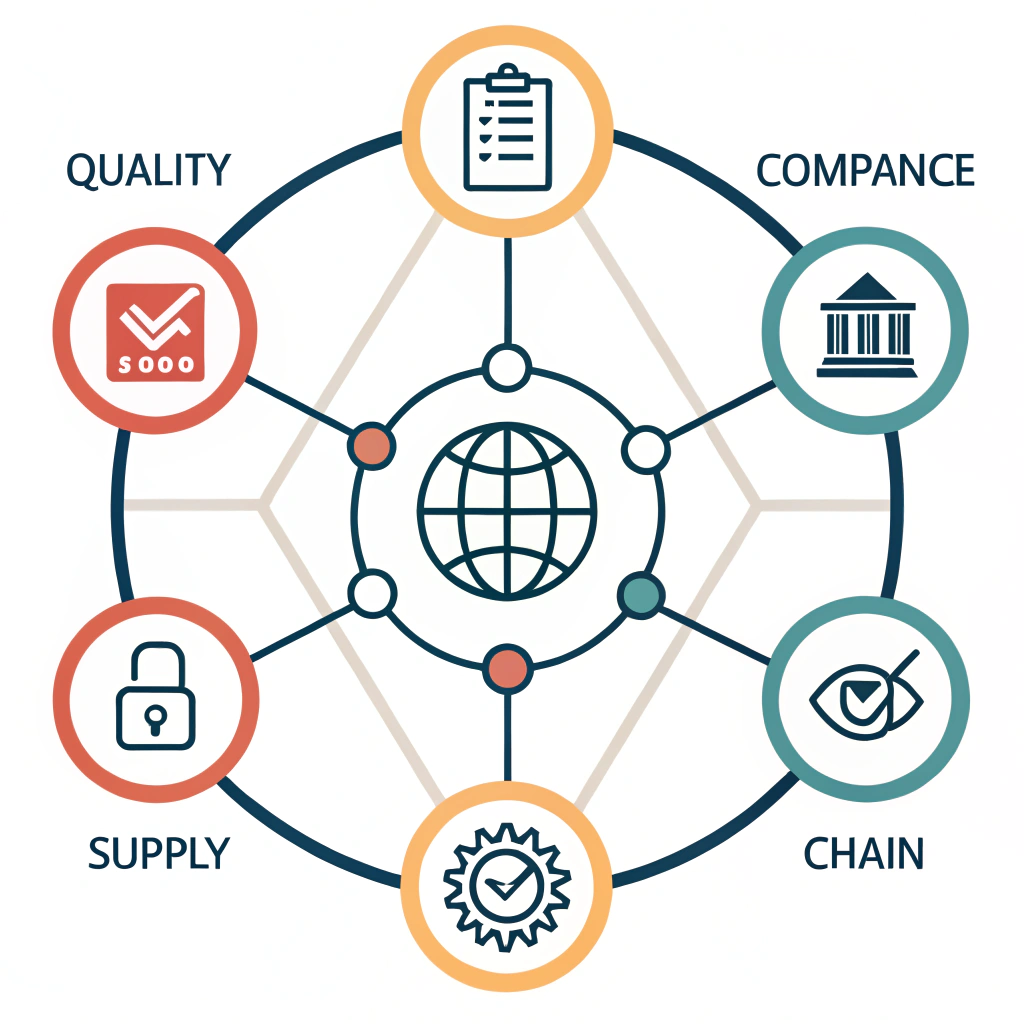
Consider a scenario where a global electronics retailer had been facing recurring issues with malfunctioning devices, leading to high return rates and diminished customer trust. By integrating a rigorous pre-shipment inspection process into their sourcing chain, the company experienced the following improvements:
- Reduction in Defect Rates: Defect occurrences reduced by over 40% within the first six months.
- Cost Savings: Lowered operational costs by avoiding the expenses associated with returns, replacements, and rework.
- Enhanced Supplier Accountability: Suppliers improved product quality, reducing rejections and fostering long-term relationships.
- Market Compliance: The retailer avoided costly regulatory fines and maintained consumer safety standards across multiple international markets.
These results highlight the practical benefits of investing in a comprehensive PSI process, ultimately leading to a more reliable supply chain and increased buyer confidence.
For procurement managers and sourcing specialists looking to optimize their supply chain, consider the following actionable recommendations:
- Engage Expert Inspection Agencies: Partner with PSI providers that specialize in your industry and have an established track record in international markets.
- Integrate PSI into Contracts: Clearly define inspection requirements and responsibilities in your contracts with suppliers.
- Build Continuous Improvement Mechanisms: Use PSI findings to refine your quality control processes and inform supplier performance assessments.
- Stay Updated with Regulations: Actively monitor changes in international regulations and ensure your inspection protocols reflect these updates.
- Leverage Data Analytics: Utilize data from PSI reports to identify trends and predict potential quality issues, which can then be proactively managed.
By following these steps, companies can effectively mitigate risks associated with product quality and regulatory compliance, paving the way for a more robust international sourcing strategy.
Pre-Shipment Inspection is not merely a routine step in the sourcing process—it is a strategic tool to ensure the quality, safety, and compliance of your products before they reach the market. For businesses importing from China or engaging in international trade, a thorough PSI process can be the difference between success and costly setbacks.
Adopting a structured and detailed PSI process minimizes risks, builds stronger supplier relationships, and ensures that your products meet the required standards. At Mangors Sourcing, we recognize the complexities of international sourcing and are committed to helping you navigate these challenges by ensuring that every shipment meets your expectations and global regulatory requirements.
Taking a proactive approach to quality control, you not only protect your brand but also enhance your competitive edge in the challenging global marketplace.
What are the 3 methods of pre-shipment inspection?
Pre-shipment inspection often employs three key methods: quality verification tests tailored to product specifications, mechanical safety tests to evaluate durability and robustness, and electrical safety testing to ensure compliance and performance of electronic products.
What is the purpose of a pre-shipment inspection?
The main purpose of a pre-shipment inspection is to confirm that products comply with all agreed-upon specifications, quality standards, and regulatory requirements. This process helps mitigate the risk of receiving defective or non-compliant products by thoroughly examining the goods before they leave the manufacturer’s facility.
What is quality control and pre-shipment inspection?
Quality control through pre-shipment inspection is a critical process conducted when product production is near completion. It assesses aspects such as functionality, performance, durability, dimensions, and overall appearance, ensuring that products meet the expected standards before shipment.
-
Regulatory compliance: Click to understand how ensuring products meet various domestic and international regulatory requirements can reduce legal risks and safeguard market access. ↩ ↩2
-
Quality control inspection: Click to explore in-depth methodologies and best practices for establishing effective quality control processes within manufacturing and supply chain environments, enabling businesses to minimize defects and maintain high standards. ↩
-
Supplier audit: Click to discover the importance of auditing suppliers, including methods to assess their performance, certifications, and consistency in adhering to quality standards. ↩
-
Mechanical safety tests: Click to gain insights into mechanical safety testing procedures and how these tests help ensure product durability and performance under operational stresses. ↩
-
Quality Management System (QMS): Click to learn about implementing a robust QMS that streamlines quality processes, drives continuous improvement, and supports sustainable business operations. ↩