
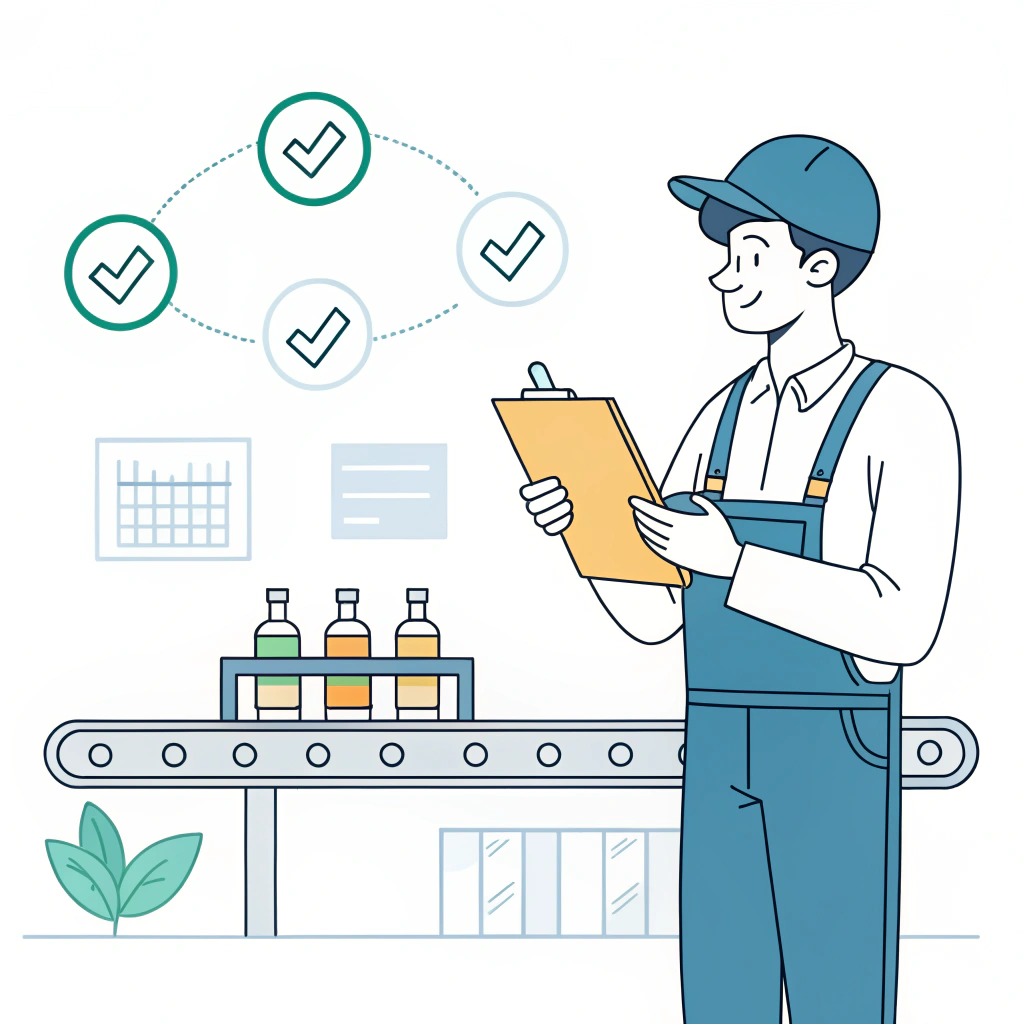
Pre-Shipment Inspection1 is a critical step to ensure that products you source internationally meet the required quality standards. In this 2025 guide, we quickly answer that avoiding key mistakes in your pre-shipment inspection process can save you significant time and costs while upholding product quality and supplier reliability. Below, we dive into the six major mistakes you need to avoid, why they happen, and practical solutions to ensure your inspections yield the best results.
One of the most common errors is not spending enough time on a comprehensive assessment of the manufacturer’s production process and quality assurance system. Many companies rush into the inspection phase without a proper evaluation of the supplier’s production conditions or without establishing clear inspection criteria.
- Time Pressure: Under tight deadlines, supply chain managers may feel compelled to expedite the process.
- Over-Reliance on Past Experience: Assuming that previous successful orders guarantee future quality.
- Lack of Detailed Protocol: Absence of a structured checklist leads to turning inspection into a generic formality.
- Establish Clear Inspection Standards: Develop a checklist tailored for your product type, covering all critical aspects such as materials, assembly, functionality, and compliance with regulations.
- Schedule Multiple Checkpoints: Instead of relying solely on a final inspection, incorporate mid-production checks.
- Document Everything: Detailed records allow you to compare historical quality data and identify trends.

Another pitfall is the selection of non-representative product samples. If the samples are not taken randomly and in sufficient numbers, you may miss defective items that can lead to customer complaints or costly recalls.
- Biased Sampling: Sometimes the supplier might prepare a “better” batch for inspection, skewing the quality picture.
- Insufficient Quantity: Failing to select a statistically significant sample size that truly represents the entire production batch.
- Lack of Standardization: Without following a defined protocol, sample selection may vary between inspections.
- Implement Randomized Testing2: Ensure samples are randomly picked from different parts of the production run.
- Adopt Statistical Sampling Techniques: Use techniques such as Acceptable Quality Level (AQL)3 to decide on sample sizes.
- Training for Inspectors: Ensure that your quality control team understands the importance of unbiased sampling.
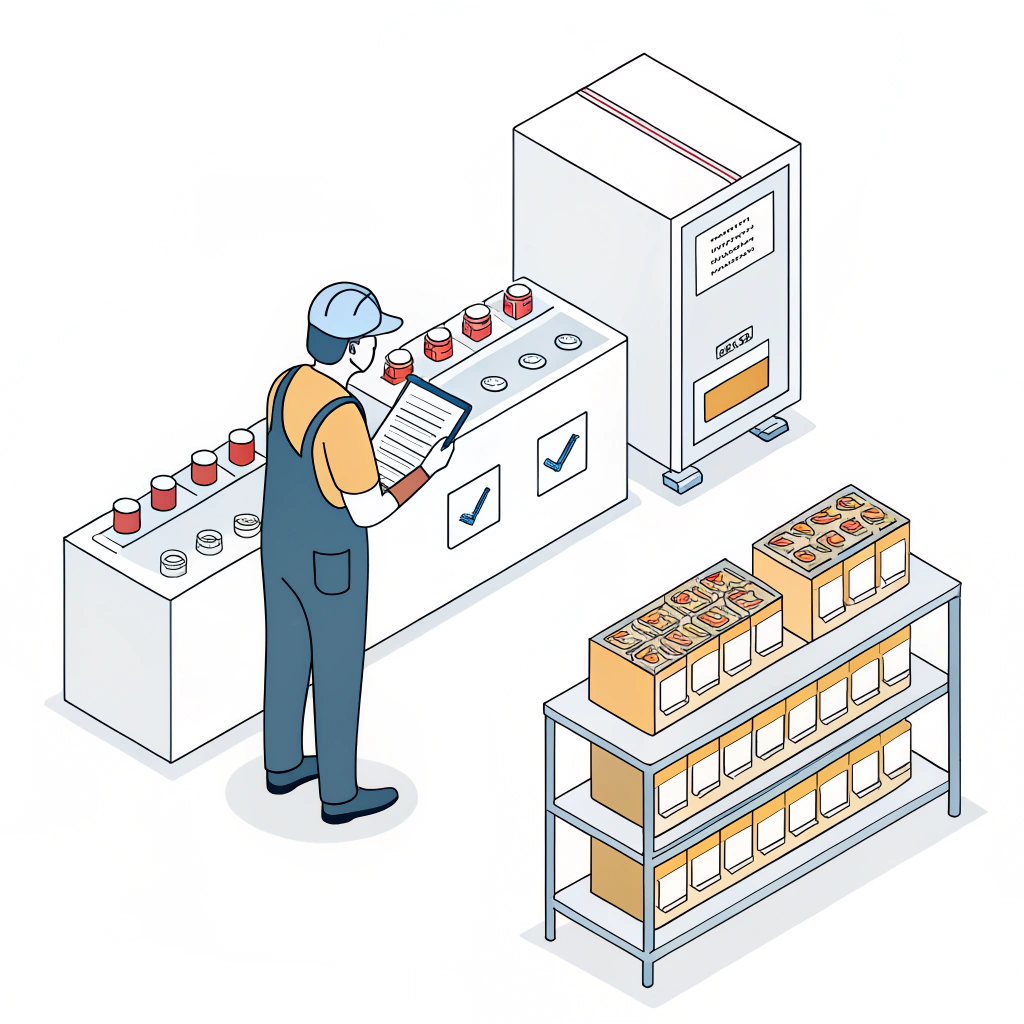
A frequent mistake in pre-shipment inspections is the reliance on only visual checks, neglecting critical tests that are specific to product functionality. For example, electronic goods require electrical safety tests, while garments may need fabric strength and washability checks.
- Limited Expertise: Inspectors may not have sufficient training for product-specific tests.
- Cost-Cutting: Sometimes, comprehensive testing is seen as an unnecessary expense.
- Pressure to Ship Quickly: Speed often overrides careful testing protocols.
- Develop a Testing Protocol: Create a detailed guide for each product category outlining mandatory tests such as mechanical safety tests, electrical safety testing, and product-specific verifications.
- Invest in Skilled Inspectors: Make sure your inspection team is well-trained in advanced testing techniques.
- Use Third-Party Laboratories4: Where in-house testing is limited, rely on accredited labs for specialized tests.
Ignoring compliance with international trade regulations5 and local product standards is not just a mistake—it’s a risk that can lead to legal issues, product recalls, or even shipment bans.
- Complexity of Regulations: The regulatory landscape in international trade is multi-layered and often changes.
- Lack of Expertise: Procurement specialists may not always have the in-depth knowledge required to navigate compliance issues.
- Assuming the Supplier is Compliant: Relying solely on supplier declarations without verification.
- Stay Updated on Regulations: Subscribe to reliable sources that track changes in international compliance requirements.
- Engage in Third-Party Verification: Incorporate independent audits and certifications to ensure compliance.
- Create a Compliance Checklist: This can be a table or a digital document listing all mandatory certifications and laboratory tests for your products.
Below is an example table to guide your compliance checks:
| Regulation Aspect | Requirement | Verification Method | Responsible Party |
|---|---|---|---|
| Electrical Safety | CE, FCC, RoHS | Third-Party Laboratory Testing | Quality Control Team |
| Material Safety | REACH, Prop 65 | Supplier Certification | Compliance Department |
| Mechanical Integrity | ISO 9001, Custom Standards | On-site Inspection | Inspector |
Clear and consistent communication with suppliers is essential for resolving issues early in the production process. A common oversight is the lack of clear requirements and feedback during the pre-shipment phase.
- Language Barriers: Misunderstandings can arise when there is a language gap.
- Ambiguous Instructions: Vague or poorly structured inspection protocols can lead to misinterpretation.
- Reactive Communication: Waiting until issues become severe before addressing them.
- Standardize Communication Channels: Use clear, written instructions accompanied by visual aids if possible.
- Provide Detailed Feedback: When issues are discovered, communicate them promptly and clearly to allow corrective measures.
- Schedule Pre-Inspection Meetings: Regular virtual or in-person meetings ensure that both parties are aligned on quality expectations.

Often, companies neglect the importance of documenting the inspection results and following up on corrective actions. This gap can obscure recurring issues and hinder continuous improvement in quality control processes.
- Immediate Focus on Shipment: Once the products pass inspection, the focus shifts to shipping rather than reflection and learning.
- Lack of Structured Reporting: Without a standardized reporting system, valuable data gets lost.
- Poor Record-Keeping: Inconsistent documentation practices lead to a lack of historical data analysis.
- Establish a Reporting System: Use digital tools or software to compile inspection data.
- Analyze Trends: Regularly review the documented data to identify recurring issues or improvement areas.
- Implement Continuous Improvement Cycles: Use the insights from documentation to work with suppliers on progressively enhancing product quality.
Below is a summary table that consolidates the key mistakes and suggested solutions for your pre-shipment inspection process:
| Mistake | Root Cause | Solution |
|---|---|---|
| Inadequate Pre-Inspection Assessment | Rushed process, lack of criteria | Develop detailed checklists and checkpoints |
| Poor Sample Collection | Biased selection, insufficient size | Use randomized statistical sampling |
| Overlooking Product-Specific Testing | Limited expertise, cost-cutting | Create product-specific testing protocols |
| Non-Compliance with Regulations | Complexity and reliance on supplier | Regular updates, third-party audits |
| Communication Failures with Suppliers | Language barriers and ambiguity | Standardize communication and feedback |
| Lack of Documentation and Follow-Up | Immediate shipping focus | Implement structured reporting systems |
By avoiding these six common mistakes, you can ensure that your pre-shipment inspection process is robust, reliable, and effective. This not only minimizes risks but also upholds your company’s reputation for quality and compliance.
Implementing a well-structured pre-shipment inspection process plays a vital role in maintaining quality control and mitigating risks in international sourcing. Each step—from planning and sample selection to detailed product testing and transparent supplier communication—is crucial in catching errors before products leave the factory floor. With these actionable steps, you can establish a reliable system that consistently delivers quality, saving your business from the consequences of shipping subpar products.
For supply chain managers, quality control officers, and procurement specialists, it’s essential to continuously refine your processes based on data-driven insights and direct feedback from inspections. Consider this guide as a framework to audit and improve your current practices. Over time, the consistent application of these strategies will lead to better supplier relationships, reduced quality issues, and increased confidence in your international supply chain management.
By keeping a close eye on these pitfalls, you also set a strong precedent for your suppliers, showing that your company values high standards of quality over expedience. As global market conditions evolve, adapting your pre-shipment procedures will prove invaluable to staying competitive and ensuring customer satisfaction.
-
Pre-Shipment Inspection: Click here to learn more about the processes and best practices behind inspecting products before shipment, ensuring compliance and quality across international supply chains. [↩](#Pre-Shipment Inspection) ↩
-
Randomized Testing: Click here to explore methodologies for implementing randomized testing to ensure unbiased sampling during inspections. [↩](#Randomized Testing) ↩
-
Acceptable Quality Level (AQL): Click here to understand how AQL is used to determine statistically valid sample sizes and acceptable defect levels in production batches. [↩](#Acceptable Quality Level (AQL)) ↩
-
Third-Party Laboratories: Click here to review the benefits of utilizing accredited third-party laboratories for specialized product testing. [↩](#Third-Party Laboratories) ↩
-
international trade regulations: Click here to delve into the complexities of international trade regulations and how to maintain compliance in a global market. [↩](#international trade regulations) ↩