

Quick Answer: A shipping packing list is a detailed document that outlines every item included in a shipment. It needs to list product descriptions, quantities, weights, and additional shipping information such as shipper and consignee details. This guide explains step‑by‑step how you can accurately complete a shipping packing list to ensure compliance and avoid delays.
In today’s global supply chain1, a well‑prepared shipping packing list is more than just an inventory record—it is a critical compliance2 document that helps you avoid customs issues, delays, and miscommunication. For logistics coordinators, operations managers, and supply chain professionals, ensuring that your packing list is complete and precise is essential for smooth international transactions. This guide will walk you through the process, identify common pitfalls, introduce best practices, and provide actionable tips to improve your shipment documentation process.
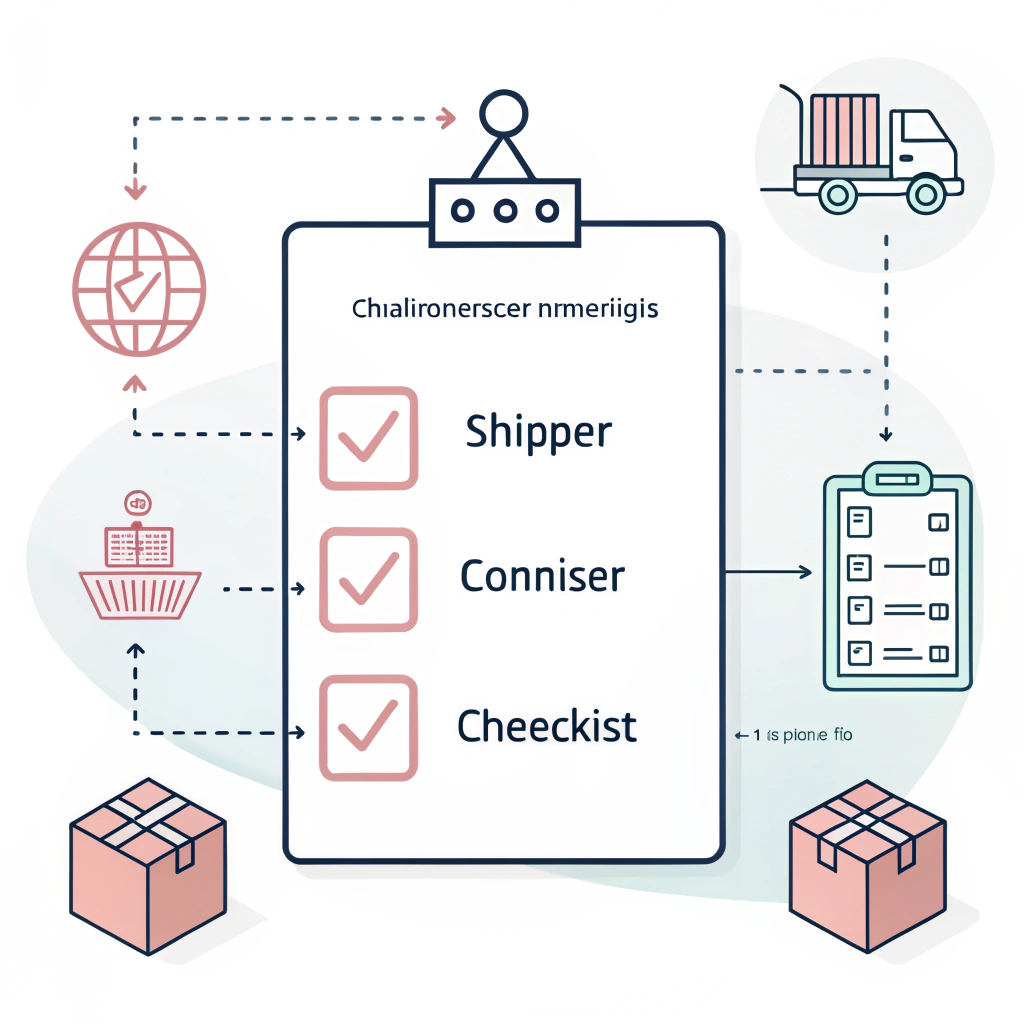
A shipping packing list serves several key purposes:
- Verification: It confirms that all items in the shipment are accounted for.
- Communication: It informs all parties (including customs and freight forwarders3) about the contents of the shipment.
- Compliance: It supports the necessary customs documentation4 and export paperwork.
- Efficiency: It streamlines warehouse operations and reduces the risk of shipping errors.
When shipping internationally, even a small oversight on your packing list can lead to increased costs, shipment delays, or even legal complications. The accuracy of this document is therefore of utmost importance.
Before diving into the steps, it’s important to understand common challenges that arise when filling out a shipping packing list:
- Incomplete Details: Missing the shipper and consignee information, purchase order numbers, or SKU5 details can delay shipment processing.
- Incorrect Categorization: Failing to break down items into clear categories may result in shipping and customs issues.
- Documentation Errors: Mistakes in weight or dimensions can affect freight charges and compliance verifications.
- Communication Gaps: Without a standardized format, it’s easy for details to be misinterpreted by different parties—especially in digital records.
By identifying these obstacles early, you can better prepare and implement robust solutions to ensure error‑free documentation.
Below is a comprehensive guide to creating a streamlined shipping packing list:
Begin by collecting all the required data and documents, which include:
- Shipper and Consignee Information: Names, addresses, and contact details for both the sender and recipient.
- Purchase Order Numbers or Reference Numbers: Ensure each shipment can be easily tracked.
- Shipment Date and Mode of Transport: Specify whether the goods are shipped by air, sea, or road.
- Detailed List of Items: Include descriptions, quantities, dimensions, weights, and SKU or part numbers.
- Customs and Regulatory Information: Provide details needed for international shipping compliance.
Tip: Digital copies of previous packing lists can act as excellent templates for current shipments, ensuring that you do not miss any key details.
Design a layout that is easy to follow. A well-structured packing list will typically include:
- Summary Section: Overview of the overall shipment including the date, shipment reference, and total weight.
- Itemized Details: A breakdown of each item in the shipment by category.
- Special Instructions/Notes: Any additional handling or shipping notes for specific items.
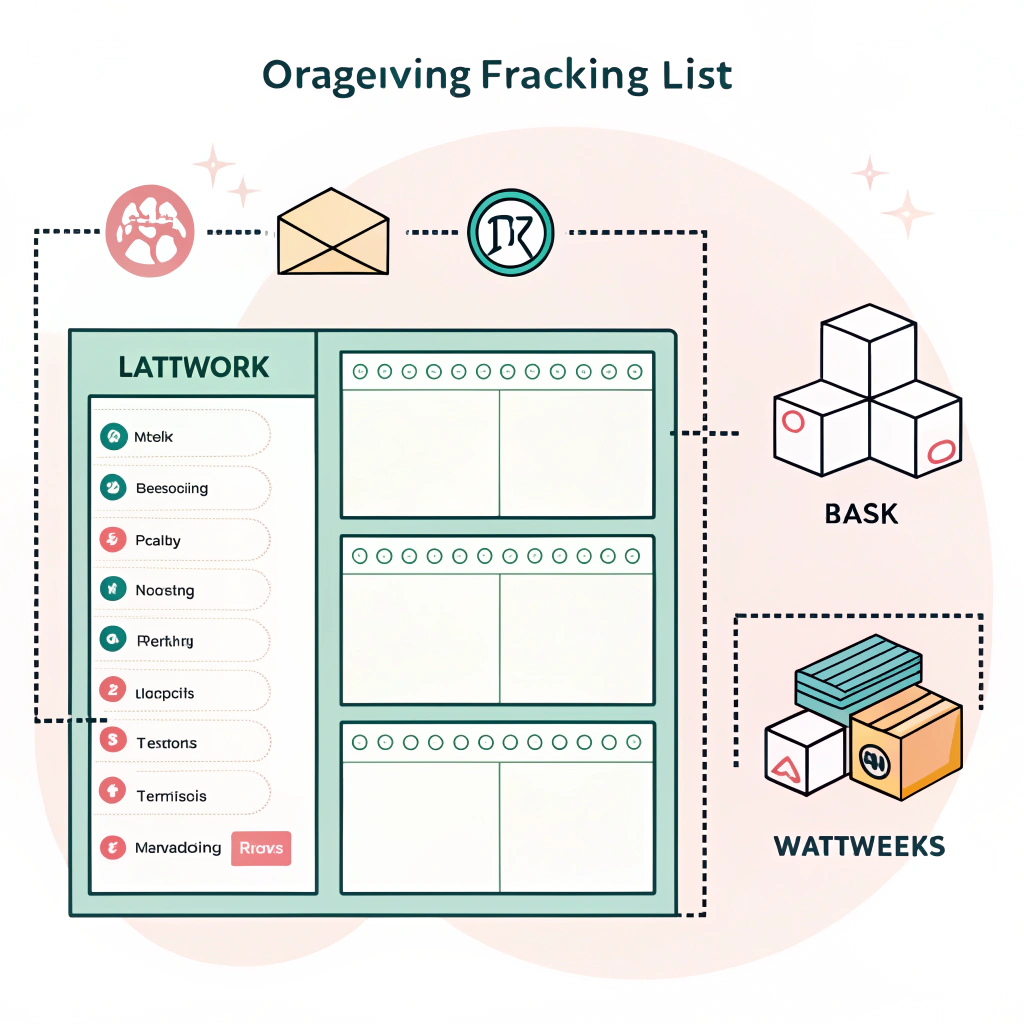
A useful method is to create sections or categories that group similar items together. For example:
| Category | Item Description | Quantity | Dimensions (cm) | Weight (kg) | SKU/Part Number |
|---|---|---|---|---|---|
| Electronics | Smartphone Model A | 100 | 15 x 7 x 0.8 | 0.2 | SM-A-100 |
| Office Supplies | Notebook Set | 200 | 20 x 15 x 1 | 0.5 | NB-200 |
| Industrial Tools | Power Drill | 50 | 30 x 20 x 10 | 3 | PD-50 |
This table not only organizes the information clearly but also supports quick verification by customs officials and freight forwarders.
For each item, ensure you include:
- Accurate Descriptions: Use standardized product names and include model identifiers where applicable.
- Quantities: List the correct number of items. Reconcile these numbers with your inventory and purchase order documents.
- Measurements: Include dimensions and weights accurately. These factors influence container space and shipping cost calculations.
- Additional Identifiers: Use SKUs or part numbers to prevent confusion regarding similar items.
Your description should be detailed enough so that any party reviewing the list can easily identify the item without needing additional references.
Before finalizing the packing list, double-check all entries. Some best practices include:
- Cross-Reference with Purchase Orders: Ensure the details match previous orders or invoices.
- Consult with Logistics Partners: Verify that your freight forwarders and customs brokers have no additional requirements.
- Internal Audits: Have a second set of eyes review the document to catch potential errors.
Creating an internal checklist can help standardize this review process:
| Checklist Item | Completed (Yes/No) |
|---|---|
| Shipper & Consignee Details | |
| Purchase/Reference Number | |
| Shipment Date & Mode | |
| Item Descriptions & Quantities | |
| Accurate Dimensions & Weights | |
| Special Handling Instructions |
To ensure your packing list meets international standards, always include these critical components:
- Shipper and Consignee Information: Vital for ensuring that the shipment is correctly delivered and any issues can be quickly resolved.
- Shipment Details: This includes the shipment date, purchase order/reference number, and mode of transport.
- Detailed Itemization: Every product should be clearly listed along with quantities, descriptions, dimensions, weights, and SKUs.
- Packaging Information: If your items are in multiple packages or containers, list each one separately to improve traceability.
- Special Instructions: Include any handling instructions or regulatory notes that might affect customs clearance or local delivery.
Maintaining comprehensive, clear, and standardized documentation ensures smooth transitions through all stages of the shipping process—from warehousing to final delivery.

When working with shipping documentation, staying ahead of potential pitfalls is key. Consider these practical tips:
- Use Digital Templates: Leverage Excel or specialized shipping software to maintain consistency in your packing lists.
- Regular Updates: As shipping regulations and standards evolve, make sure your templates and practices are updated.
- Employee Training: Train staff regularly on the importance and correct procedures for completing packing lists.
- Feedback Loop: Collect feedback from freight partners and customs officials to refine your packing list format and contents.
A good strategy for many organizations is to integrate your packing list process into broader logistics management systems. This integration not only minimizes manual input errors but also ensures that all teams are on the same page regarding compliance and shipment requirements.
International shipments require adherence to specific regulations and standards:
- Customs Documentation: The packing list must facilitate smooth customs clearance by providing all necessary details for inspecting and classifying goods.
- Freight Forwarder Requirements: Different freight companies might require additional information such as container numbers or declaration codes.
- Regulatory Changes: Keep abreast of updates in international trade regulations to avoid non-compliance penalties.
Consulting with your logistics partners and using resources from trade organizations can help ensure that your documents always meet the latest requirements.
A meticulously filled shipping packing list is indispensable in avoiding logistical mishaps, ensuring compliance, and maintaining smooth operational flow. By following the step‑by‑step guide outlined above, you can significantly reduce the risk of shipment delays and errors.
Remember to:
- Collect all relevant data before beginning.
- Organize your list into clear sections.
- Accurately detail every aspect of your shipment.
- Review and validate the information thoroughly.
- Regularly update your documentation processes in line with regulation changes.
Implementing these strategies as part of your standard operating procedures not only improves accuracy but also builds trust with partners and customers. It reflects a proactive approach to risk management in global logistics, ultimately supporting the overall efficiency and reputation of your business.
Take the time to apply these best practices, and you’ll soon see improvements in shipping efficiency and compliance. For any organization involved in international trade, an error‑free shipping packing list isn’t just a document – it’s an essential tool that supports business growth and operational success.
People Also Ask
Q: How do you format a packing list?
A: To format a packing list, start by drafting a summary of the shipment including essential details such as shipment date and reference numbers. Then, break the list into categories, detailing each item’s description, quantity, weight, dimensions, and SKU or part numbers. Rearranging items in order of importance or handling priority helps streamline the review process.
Q: How do you write a shipping list?
A: Writing a shipping list involves including essential elements: shipper and consignee information, purchase order or reference numbers, shipment date, and mode of transport. It should also contain a detailed breakdown of each item, including its description, quantity, and any identifying numbers, ensuring that every component of the shipment is clearly documented.
Q: How do you write a packing list?
A: A packing list is written by first outlining the general shipment details, then listing individual items with specifics such as names, quantities, package sizes, and total weights. Adding any required shipping and handling information ensures that the document meets customs and freight forwarder requirements while serving as a clear inventory record.
-
supply chain: Read this article to understand the components and dynamics of global supply chains, including how they impact logistics and inventory management. ↩
-
compliance: Click here to learn about compliance standards in international shipping and the importance of adhering to regulations to avoid legal complications. ↩
-
freight forwarders: Learn more about freight forwarders, their role in global logistics, and how they facilitate the movement of goods across international borders. ↩
-
customs documentation: Explore this resource to gain insights into the necessary customs paperwork and documentation procedures required for smooth border crossings. ↩
-
SKU: Discover what Stock Keeping Units (SKUs) are and how proper SKU management can streamline inventory tracking and improve operational efficiency. ↩