

AQL, or AQL1, is a statistical measure used to define the maximum number of defective items in a production lot that is still considered acceptable. It is a crucial tool in quality assurance that helps manufacturers, procurement specialists, and quality control managers determine whether a batch meets predefined quality standards before it is accepted or rejected.
In manufacturing and sourcing operations, maintaining consistent product quality is imperative. AQL is employed during inspection sampling procedures to balance the risk between producers and buyers. Instead of inspecting every single product, a representative sample is taken from a lot. The AQL determines how many defects are allowed in that sample, thus informing the decision to accept or reject the entire batch.
The fundamental idea of AQL is to limit the probability of accepting a lot that contains more defects than a specified level. This not only helps in reducing inspection costs but also ensures that manufacturing quality remains within acceptable limits. In practice, AQL is used to assess risks on both sides: the supplier’s risk (rejecting a good lot) and the consumer’s risk (accepting a bad lot).
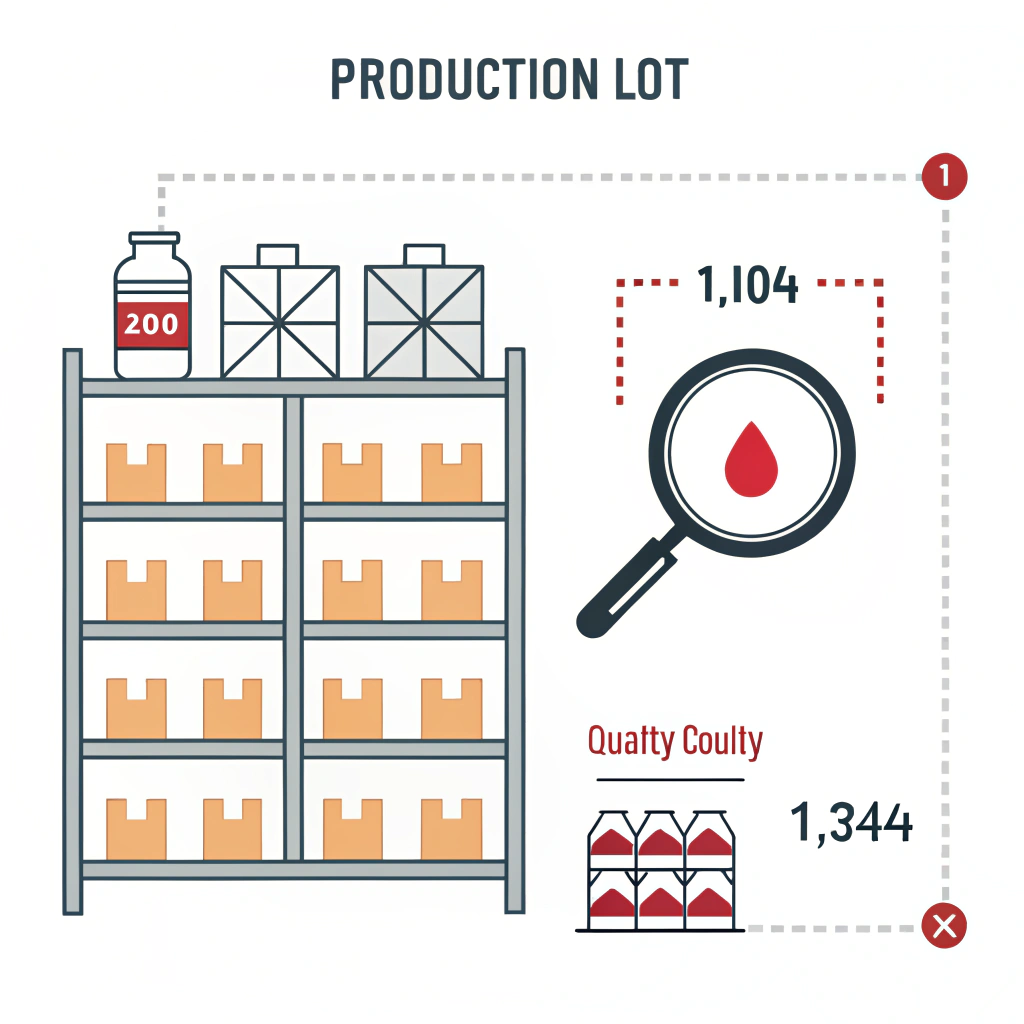
For quality assurance managers and procurement specialists, establishing the right AQL is key to supplier evaluation and quality control. Here are some critical reasons why AQL is essential:
- Cost Efficiency: Sampling a portion of a large batch instead of 100% inspection saves both time and money.
- Risk Mitigation: By quantifying acceptable defect levels, organizations can balance the risk between over-inspection and potential acceptance of sub-standard products.
-
- Supplier Benchmarking2: AQL provides measurable benchmarks for suppliers, fostering a clear understanding of quality expectations and compliance.
- Regulatory Compliance: Many industry standards and regulatory bodies recognize AQL as a robust method for quality verification, making it easier to maintain industry certifications.
- Data-Driven Decisions: The statistical nature of AQL allows quality managers to derive actionable insights from inspection sample data.
When implemented effectively, these factors contribute to a more reliable and consistent manufacturing process, thereby strengthening the supply chain and ensuring product quality meets both internal and external standards.
AQL is defined by several key parameters that help customize the inspection process for different production scenarios. Understanding these components is critical:
-
Defect Classification3:
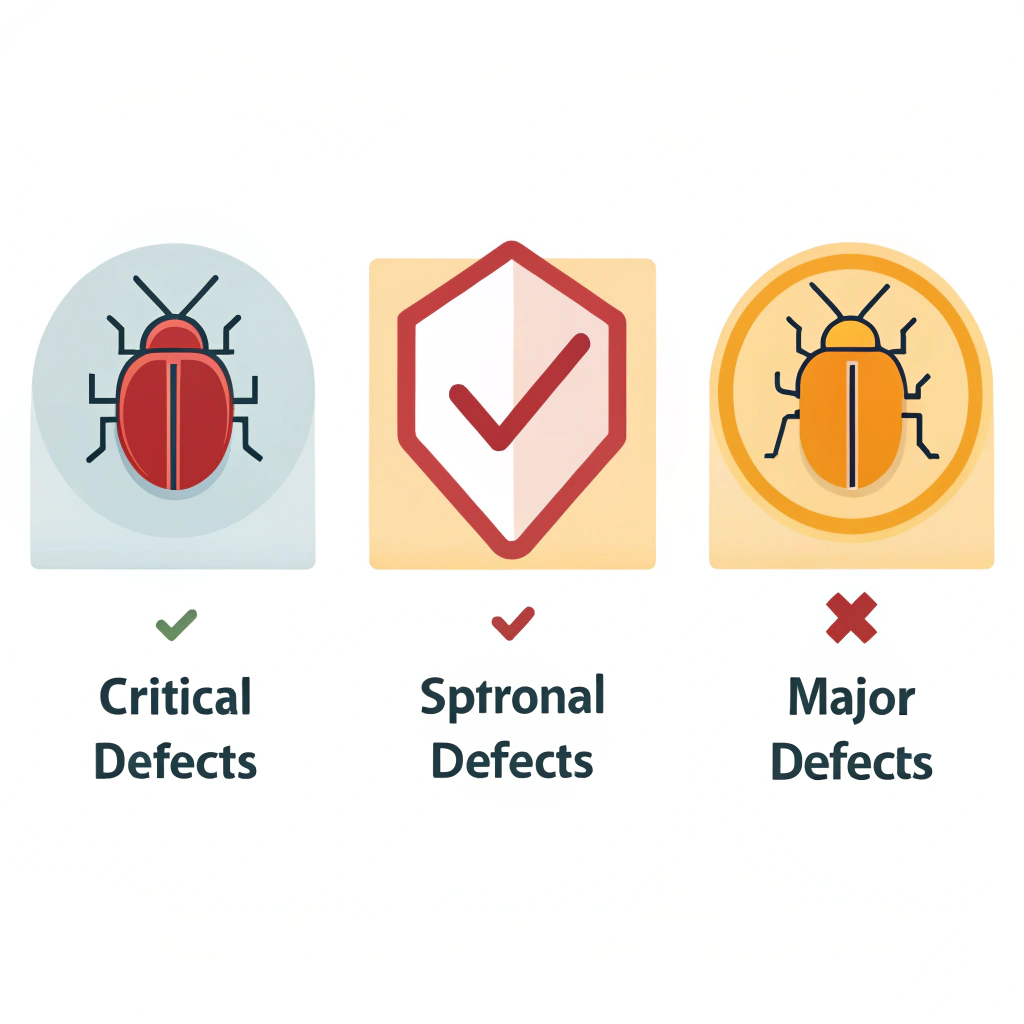
Defects are usually categorized into different classes based on their severity:- Critical Defects: Those that render the product unusable or unsafe. Zero tolerance is usually applied.
- Major Defects: Defects that severely affect product performance. An AQL value is typically set (e.g., 2.5%).
- Minor Defects: Imperfections that do not affect product functionality. These might be acceptable up to a higher AQL limit (e.g., 4%).
-
Inspection Sampling Plan4:
The sampling plan outlines how many units to inspect from a lot and determines the acceptable number of defects based on the chosen AQL. -
Lot Size and Sample Size:
The size of the production lot and the sample taken are crucial in calculating the statistical validity of the AQL. -
Statistical Tools:
Quality control experts often use tools like the Operating Characteristic (OC) curve5 to analyze the risk associated with accepting lots at different quality levels.
Below is a table that summarizes typical defect limits associated with various defect classifications:
| Defect Category | Typical AQL Value | Description |
|---|---|---|
| Critical Defects | 0.0% | No defects are acceptable; any occurrence leads to lot rejection. |
| Major Defects | 2.5% – 3.5% | A defect affecting performance; strict limits are set. |
| Minor Defects | 4.0% – 6.5% | Defects that do not impact function but deviate from standards. |
Understanding these parameters allows quality control managers to configure their inspection protocols appropriately and reliably quantify product quality.
Start by clearly outlining what quality means for your product. Identify critical quality attributes and decide on acceptable defect levels for each category. This alignment ensures that the AQL values accurately reflect both customer expectations and production realities.
Based on the lot size, use established statistical methods to decide on the sample size. Ensure the plan is robust enough to give you confidence that your sample is representative of the entire lot. For example, for larger lots, a greater sample size may be required to achieve statistical significance.
During the inspection process, document every observed defect meticulously. This data serves two purposes: making the pass/fail decision for the lot and providing feedback to suppliers on quality trends and potential issues.
After the inspection, compare the number of defects found against the maximum allowable count defined by the AQL. If the defect count is within the acceptable range, the lot is approved; otherwise, it is rejected.
Post-inspection, analyze the data to identify recurring issues. This continuous feedback loop is essential for:
- Enhancing Supplier Performance: Regular feedback helps suppliers adjust their processes to reduce defects.
- Optimizing Internal Processes: Improvement initiatives can be targeted towards the most frequent quality issues.
- Reducing Costs: Minimizing defects reduces waste and rework, contributing to overall cost savings.
A successful implementation of AQL not only improves product quality but also builds a stronger, data-driven relationship with your suppliers.
Consider a scenario where a quality assurance team receives a shipment of electronic components from a supplier. The production lot consists of 10,000 units. Based on historical performance and quality requirements, an AQL is set at 2.5% for major defects and 4.0% for minor defects.
The sampling plan might require inspecting 200 units from the lot. During inspection, the QA team finds:
- 3 critical defects (unacceptable and immediately trigger a rejection if any are found)
- 4 major defects
- 5 minor defects
Given that even a single critical defect can cause rejection, the presence of 3 means the entire lot must be rejected. However, if there were zero critical defects, the team would check if the major and minor defects fall within the allowed limits. In our case, major defects (4 in 200 units) equate to 2%, which is acceptable under a 2.5% AQL, and minor defects (5 in 200 units) equate to 2.5%—again, meeting the acceptable criteria. This example illustrates how AQL helps streamline decisions and maintain high product quality standards.
Quality control managers can use such real-world data to continuously refine their inspection criteria and work closely with suppliers to achieve consistent quality improvements.
While AQL is a powerful tool, its implementation requires careful planning and ongoing management. Here are some best practices:
- Consistency is Key: Use the same inspection methods and criteria consistently across production runs. This consistency ensures that quality decisions are based on comparable data.
- Training: Ensure that inspectors are well-trained in recognizing defect classifications and recording data accurately.
- Regular Reviews: Periodically review your AQL metrics and adjust sample sizes or defect acceptance thresholds, especially when process changes occur.
- Supplier Collaboration: Share AQL performance data with your suppliers. A collaborative approach can lead to joint problem-solving initiatives, ultimately reducing defect rates.
- Documentation: Maintain thorough documentation not only for audit compliance but also for helping identify trends over time.
- Risk Analysis: Use tools like the OC curve to continuously evaluate the risk of accepting a lot, and adjust the sampling plan if necessary.
Below is a checklist in table form summarizing the steps and considerations when implementing AQL:
| Step | Considerations | Action Items |
|---|---|---|
| Define Quality Objectives | Identify critical, major, and minor defect thresholds | Set AQL values for each defect category |
| Develop a Sampling Plan | Consider lot size, risk levels, and statistical significance | Determine sample size using industry standards |
| Inspect and Record Data | Ensure accurate defect classification and documentation | Train inspectors and use digital recording tools |
| Compare Against AQL Criteria | Verify that the defects are within acceptable limits | Use pre-defined acceptance criteria |
| Analyze Trends | Identify recurring issues and seek continuous improvement | Hold regular review meetings and update protocols |

In summary, AQL is an essential statistical tool in quality control that helps balance inspection efficiency with confidence in product quality. For businesses engaged in manufacturing or sourcing, adopting AQL practices allows you to manage supplier quality risks effectively, ensure adherence to production standards, and drive continuous improvement initiatives.
By implementing a well-defined sampling plan, maintaining accurate records, and regularly collaborating with suppliers, quality assurance managers can use AQL to not only expedite the inspection process but also as a lever to drive enhanced manufacturing quality.
If you are looking to optimize your quality control practices and make informed sourcing decisions, consider revisiting your current AQL criteria, investing in staff training, and employing robust statistical tools for better data analytics. These steps will ensure that your product batches meet the predefined quality standards while supporting overall business efficiency.
It is through these methodical and data-driven approaches that you can build trust in your supply chain, reduce wastage, lower rework costs, and ultimately improve the satisfaction of your end customers.
What is a good AQL level?
A good AQL level depends on the defect category. Typically, for major defects, an AQL of around 2.5% is considered acceptable, while for minor defects, the acceptable level might be set at about 4%. These levels ensure that only a minimal percentage of defects are tolerated, safeguarding product quality.
What level of quality is acceptable?
Acceptable quality is defined by the established AQL, which sets a limit on the percentage of defective items in a production lot. For instance, if a lot has an AQL of 1%, it means that up to 1% of the items may be defective yet still meet the quality requirements.
What is meant by acceptable quality level?
The Acceptable Quality Level (AQL) is a statistical benchmark used in quality inspection; it specifies the maximum number of defective items allowed in a sample from a production lot to still consider the batch acceptable.
-
AQL: Reading this article provides insights into using statistical methods to set quality benchmarks, helping ensure product consistency while balancing inspection costs. Return ↩
-
Supplier Benchmarking: Learn how to use quality metrics to evaluate supplier performance and establish clear, measurable benchmarks that drive continuous improvement in the supply chain. Return ↩
-
Defect Classification: Explore this article to understand the differences between critical, major, and minor defects, and how each classification affects production decisions and quality control standards. Return ↩
-
Inspection Sampling Plan: Gain a deeper understanding of designing effective sampling plans that balance thoroughness with efficiency, ensuring a representative quality check of production lots. Return ↩
-
Operating Characteristic (OC) curve: This resource explains how the OC curve is used to evaluate sampling plans and manage risks in quality inspection, offering practical examples and methodologies. Return ↩