

Quality control in e-commerce means establishing clear standards and robust procedures to ensure every product meets the desired quality before reaching customers. In this article, we explore actionable steps, best practices, and real-world examples to help e-commerce managers, procurement officers, and quality control specialists implement strong quality control processes1.
As the e-commerce landscape becomes more competitive, maintaining consistent product quality is essential. For businesses sourcing products—especially from international suppliers—ensuring that every item meets high standards is critical to avoid costly returns, negative reviews, and damage to brand reputation.
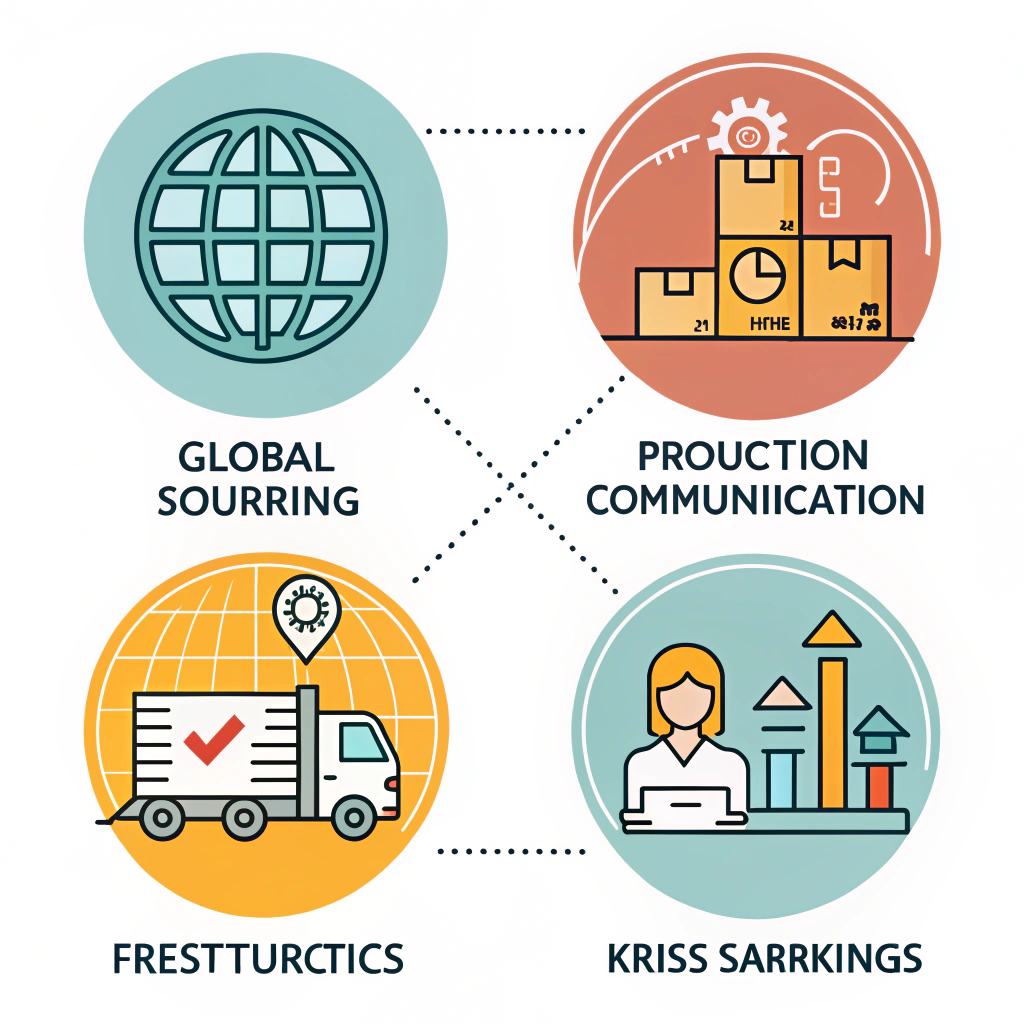
The challenges include:
- Global Sourcing Complexities: Dealing with suppliers from different regions with varying quality standards.
- Communication Barriers: Language and cultural differences that may lead to misunderstandings in specifications.
- Inconsistent Production Processes: Variability in manufacturing processes can result in product quality fluctuations.
- Logistics and Handling Risks: Products may suffer damage or quality loss during transportation.
- Rapid Market Demands: Balancing speed to market with thorough quality control can be challenging.
Before diving into solutions, it’s important to understand why quality issues occur. Identifying the root causes allows businesses to design targeted interventions.
- Supplier Variability: Suppliers might use different standards or have inconsistent production practices.
- Lack of Standardization: Absence of clearly defined quality standards2 and procedures often leads to inconsistent outputs.
- Operational Inefficiencies: Weak production monitoring processes prevent early detection of issues.
- Insufficient Feedback Loops: Without customer feedback and data analysis, firms cannot identify trends that indicate underlying quality problems.
- Inadequate Inspection Methods: Poorly designed inspection processes at various stages of production and logistics.
Understanding these factors is the foundation for building an effective quality control strategy.
Creating a strong quality control system involves several actionable steps. Below is a detailed solution-oriented approach to help you build, monitor, and continuously improve product quality in your e-commerce business.
The first step is to articulate what “quality” means for your products:
- Specification Documentation: Clearly outline material, size, color, tolerances, specifications, and any regulatory requirements.
- Quality Metrics: Define measurable quality parameters (e.g., defect rate, product durability, warranty returns).
- Benchmarking: Regularly compare against industry standards and competitors to remain competitive.
A simple table can help summarize these standards:
| Quality Aspect | Definition | Measurement Criteria |
|---|---|---|
| Material Quality | Durability and composition of materials | ISO certifications, lab test data |
| Dimensions | Adherence to specified sizes | Precision measurements using calipers |
| Functionality | Product works as intended | Operational testing protocols |
| Aesthetics | Visual appearance and finish | Visual inspection, customer feedback |
| Packaging | Safety of product in transit | Drop test results, packaging integrity |
Implementing clear standards is essential for controlling product quality.
Develop operational processes3 that are designed to detect and solve quality issues early. Key steps include:
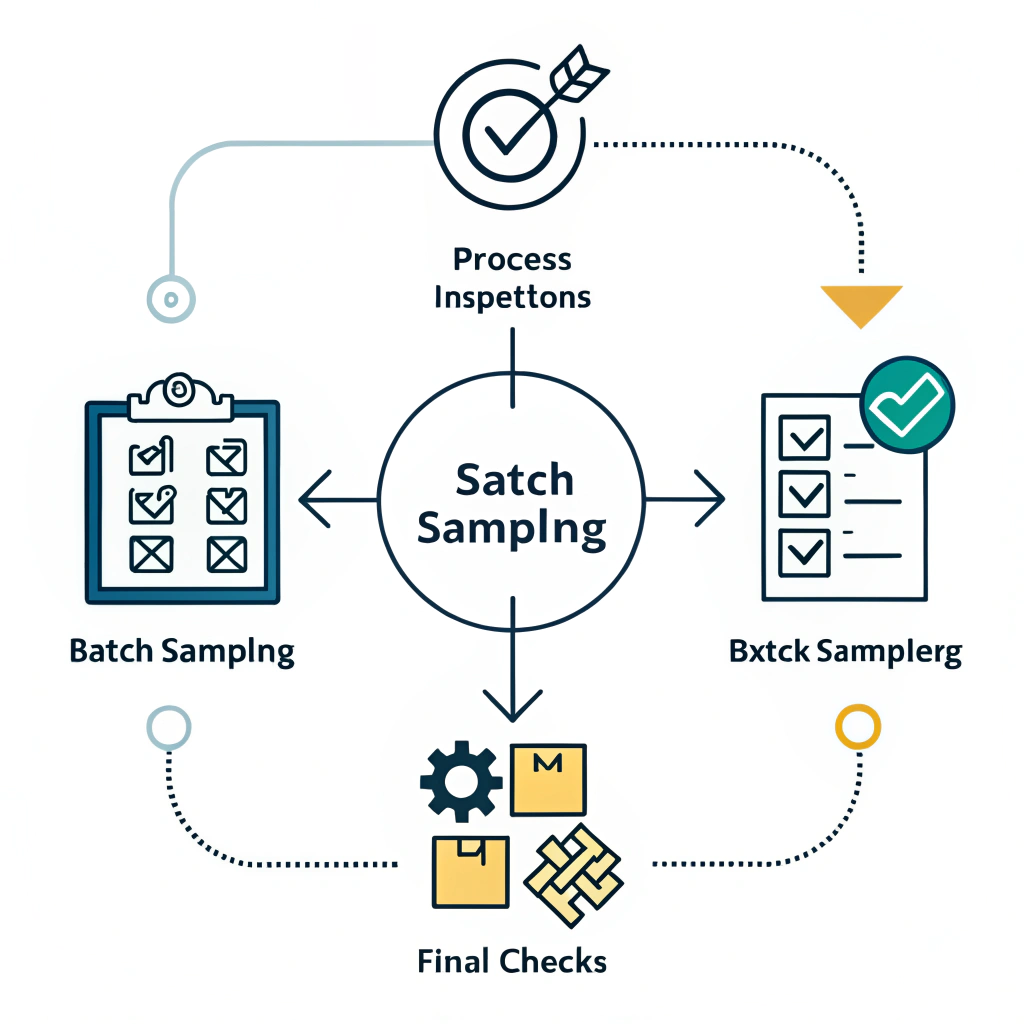
- In-Process Inspections: Conduct regular checks during production stages to catch defects before completion.
- Batch Sampling: Regularly sample and inspect batches to ensure that each run adheres to quality benchmarks.
- Pre-shipment Quality Checks: Before shipping, perform final visual and functional inspections to catch any faults, ensuring that products meet customer expectations.
- Feedback Integration: Actively integrate customer feedback into the quality review process to identify recurring patterns and initiate corrective actions.
A flowchart of the quality control process might look like this:
- Define quality standards
- In-process inspections
- Batch sampling
- Final quality inspection
- Product shipment
- Post-delivery feedback
- Continuous improvement
This proactive approach prevents quality issues from slipping through the cracks.
Your suppliers are key players in quality control. To ensure supplier reliability:
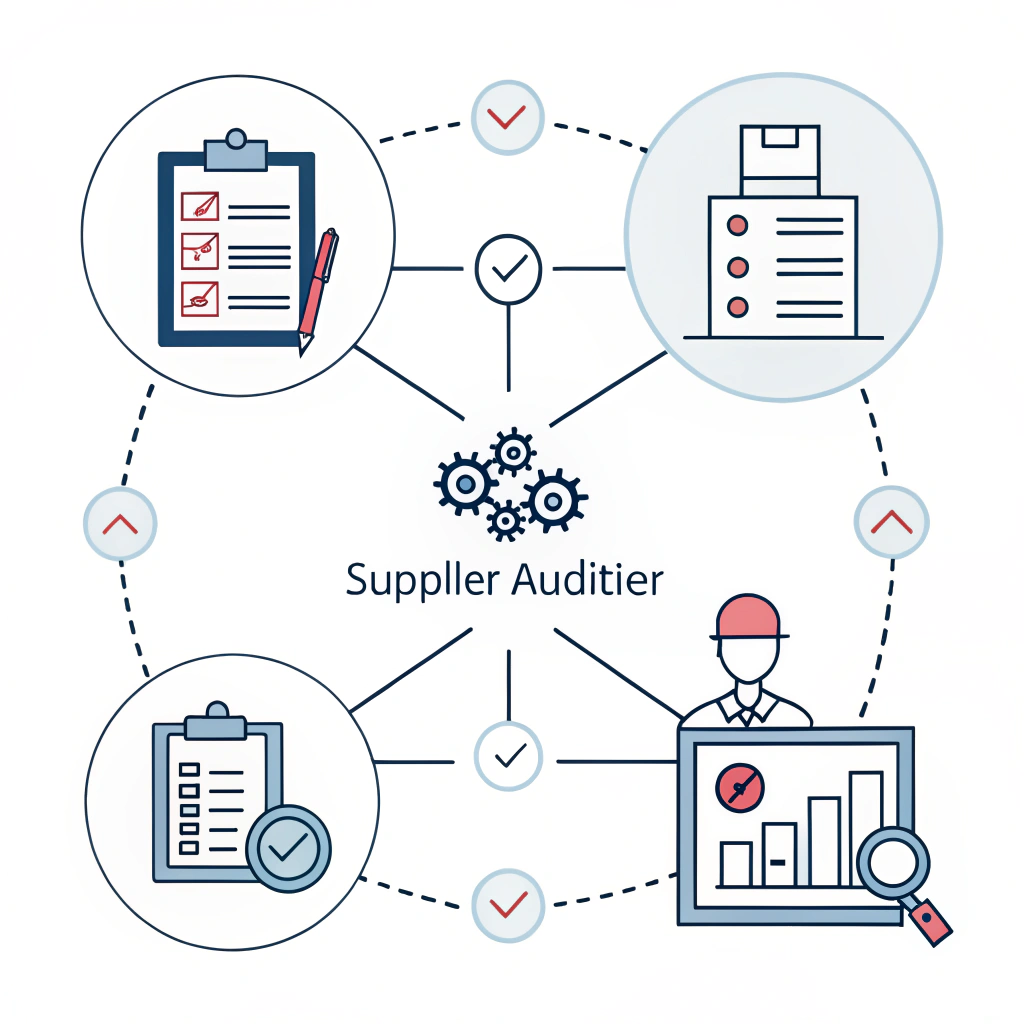
- Regular Supplier Audits: Periodically review suppliers’ manufacturing processes, quality control practices, and compliance with standards.
- Supplier Scorecards: Develop a scorecard system that tracks key performance indicators (KPIs) such as defect rates, on-time delivery, and complaint resolution.
- Training and Support: Provide ongoing training for suppliers to align their quality practices with your standards.
- Contracts with Quality Clauses: Include stipulations in contracts regarding quality standards and penalties for non-compliance.
Supplier scorecard example elements:
| KPI | Target | Current Performance |
|---|---|---|
| Defect Rate | < 2% | 1.5% |
| On-Time Delivery | 95%+ | 93% |
| Responsiveness to Issues | < 48 hours | 36 hours |
| Compliance with Standards | 100% | 100% |
Monitoring suppliers closely can lead to early detection of issues and ensure that corrective measures are applied promptly.
Utilize data-driven quality testing procedures and modern technologies:
- Automated Testing Tools: Use statistical process control (SPC) and other control chart methods to continuously monitor quality trends.
- Digital Quality Control Software: Invest in integrated quality management systems (QMS) to track product testing, collect inspection data, and generate performance reports.
- Predictive analytics4: Leverage artificial intelligence (AI) and machine learning to predict potential quality issues based on historical data and emerging trends.
A sample table for a quality control testing plan might include:
| Testing Phase | Method Used | Data Collected | Frequency |
|---|---|---|---|
| Material Testing | Lab analysis | Composition, durability | Every batch |
| Functional Testing | Automated script testing | Operational performance | Pre-shipment |
| Visual Inspection | Manual review | Surface finish, packaging | Each product sample |
| Environmental Testing | Stress and drop tests | Impact resistance | Random sampling |
By integrating technology and analytics, businesses can pinpoint quality issues faster and implement timely interventions.
Quality control isn’t a one-time task; it requires continuous monitoring and improvement:
- Regular Outcome Reviews: Schedule periodic reviews of quality metrics and identify areas needing improvement.
- Customer Feedback Loop: Use customer reviews, return rates, and complaint logs to continuously update your quality standards and processes.
- Employee Training: Conduct regular training sessions for both in-house teams and supplier personnel on the latest quality control methods.
- Kaizen Practices: Adopt continuous improvement practices such as the Kaizen approach, where small, incremental changes drive overall quality enhancement.
A continuous improvement cycle can be represented as:
- Identify defects
- Analyze root causes
- Plan corrective actions
- Implement improvements
- Review results
- Standardize successful practices
One notable example comes from a mid-sized e-commerce company that struggled with inconsistent product quality due to varied supplier practices. The company implemented the following steps:
- Clear Documentation: It began by standardizing product quality specifications and sharing these documents with all suppliers.
- On-Site Audits: They conducted regular audits to ensure compliance with the stated standards.
- Technology Integration: By adopting a digital quality control system, the company was able to promptly flag and address any deviations from the norms.
- Feedback Adoption: Customer feedback was systematically integrated, leading to regular updates in quality procedures.
As a result, the company saw a 30% reduction in product returns, improved customer satisfaction, and stronger supplier partnerships. This case demonstrates that a strategic approach to quality control in e-commerce not only prevents defects but also enhances overall business performance.
Controlling product quality in e-commerce requires a multifaceted approach:
- Define and Document Clear Quality Standards: Ensure every stakeholder understands what meets your quality benchmarks.
- Implement Comprehensive Operational Processes: Use in-process and final inspections along with batch sampling.
- Manage Suppliers Actively: Regular audits, scorecards, and contractual agreements with quality clauses are essential.
- Leverage Technology: Adopt automated tools and predictive analytics for timely data-driven decisions.
- Embrace Continuous Improvement: Establish a feedback loop with customers and staff to continually refine your processes.
For e-commerce businesses, these steps are not optional—they are essential strategies to remain competitive and keep customer trust. Whether you are managing a small online store or overseeing a large B2B operation, applying these quality control practices can lead to noticeable improvements in product performance and client satisfaction.
As you move forward, consider conducting a full review of your current quality management5 processes. Start by identifying the major gaps and inefficiencies in your supplier quality control methods. Then, work closely with both your internal team and external suppliers to establish effective standards and inspection frameworks. Remember, quality control is not just about avoiding defects—it’s about creating a foundation for long-term success and customer loyalty.
-
How do you control the quality of a product?
One effective approach is to set clear quality standards, develop operational processes that target and resolve issues early in production, conduct systematic reviews of outcomes, integrate customer and supplier feedback, and use data-driven improvements. This structured strategy helps maintain consistency in product quality. -
What are the 4 types of quality control?
The four main types of quality control include process control, acceptance sampling, control charts, and product quality control. These methods collectively help businesses monitor and maintain high standards at various stages of production. -
What is QC in e-commerce?
In the context of e-commerce, quality control (QC) refers to the process of ensuring that all aspects of a product—from manufacturing to website functionality—meet the required standards to deliver the best customer experience. This includes rigorous testing and inspection procedures to guarantee every item performs as intended.
-
quality control processes: Read the article to understand how establishing and implementing robust quality control processes can help ensure consistent product quality and reduce defects before products reach customers. ↩ ↩
-
quality standards: Read the article to gain insights into defining, documenting, and benchmarking quality standards to maintain consistency and meet customer expectations. ↩ ↩
-
operational processes: Click here to explore how well-designed operational processes can detect and resolve quality issues early in production, ensuring a smoother production flow. ↩ ↩
-
predictive analytics: Learn more about leveraging predictive analytics and modern technologies like AI and machine learning to foresee and mitigate potential quality issues efficiently. ↩ ↩
-
quality management: Discover how a comprehensive quality management approach integrates standards, processes, and continuous improvements to drive long-term success and customer loyalty. ↩ ↩