
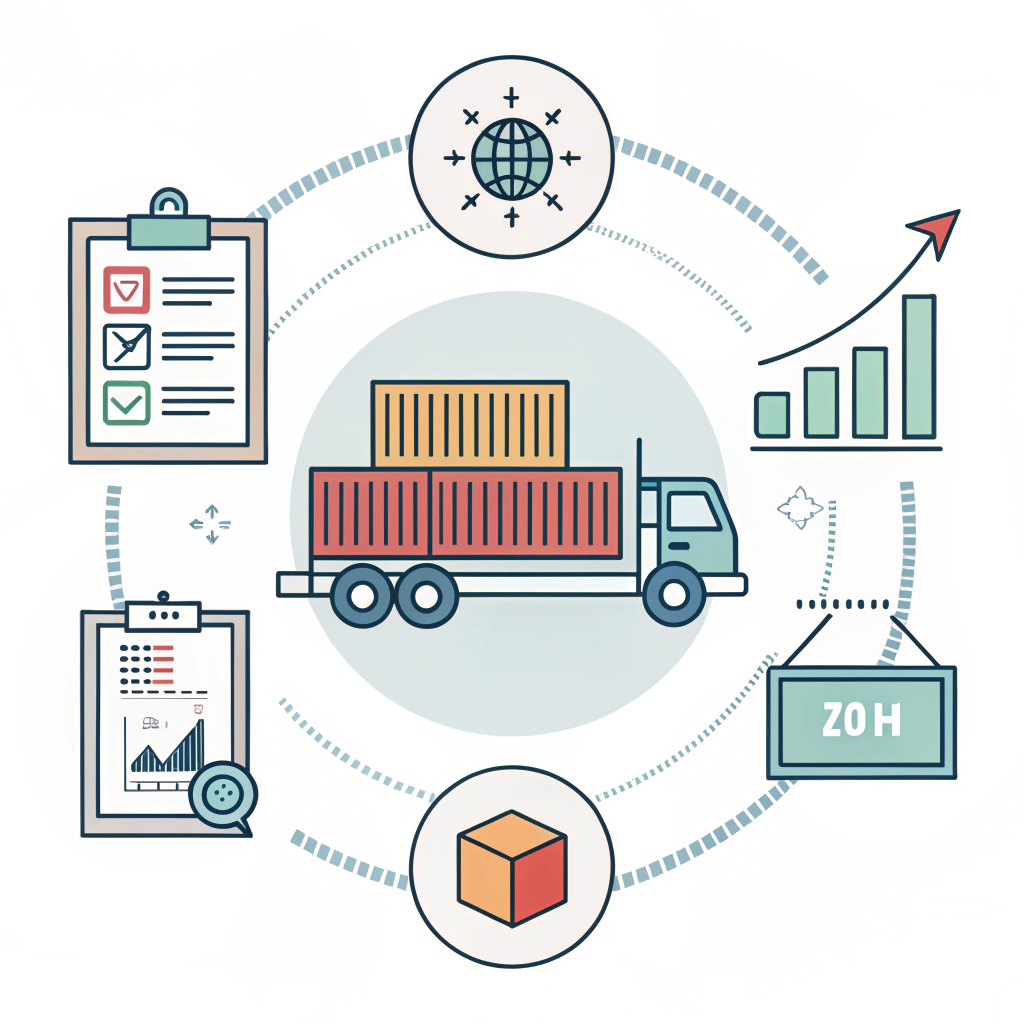
Quick Answer: To start mini importation from China without an agent, you must first register your business, carefully select your niche products, directly search and verify potential suppliers, and ensure you follow legal and trade compliance procedures. This guide provides step-by-step instructions, practical tips, and risk mitigation strategies to help you confidently manage the entire process on your own.
Introduction
Directly importing products from China without using an agent is a viable option for many small business owners and entrepreneurs. Doing so, also known as mini importation1, allows you to reduce intermediary costs and establish direct relationships with suppliers. However, the process involves careful planning, effective research, and a good understanding of trade compliance. This article is designed to help you navigate the DIY import process, from initial planning to final delivery, ensuring you minimize risks and maximize profits.
Step 1: Get Your Business and Legal Documents in Order
Before reaching out to any supplier, you need to ensure that your business has a valid registration. In many countries, a valid business license is a must. This formal registration process is not only vital from a legal standpoint but also builds supplier credibility. Suppliers value working with recognized businesses and may offer better payment terms and trade conditions when you can prove legitimacy.
- Business Registration: Ensure your business is legally registered and that you have all the required documentation.
- Trade Compliance2: Familiarize yourself with local trade regulations and international import policies.
- Import Permits and Licenses: Depending on your country’s requirements, you may need a specific permit, like an Importer Exporter Code (IEC)3 in some countries.

Step 2: Decide on the Products to Import
Choosing the right products is critical for ensuring a profitable mini importation. Start by identifying niches where there’s a balance between demand and competition. Consider the following steps:
- Market Research: Conduct research on product trends, quality expectations, and pricing strategies.
- Risk Analysis: Evaluate potential risks like quality issues, shipping delays, and regulatory hurdles.
- Profitability: Calculate potential profit margins. Many mini importers experience margins ranging from 50% to 200%, depending on sourcing costs, product demand, and your ability to market the product.
Tips for product selection:
- Focus on lightweight, non-perishable goods to reduce shipping complexities.
- Start with a few SKUs to test the market, and then scale gradually.

Step 3: Source and Verify Your Supplier
Finding the right supplier is paramount when you are not working with an agent. The following steps will help you source reliable suppliers:
- Online Marketplaces: Explore platforms such as Alibaba, Global Sources, and Made-in-China. These platforms include reviews, ratings, and transaction histories.
- Direct Communication: Contact suppliers directly to discuss terms, pricing, and product details.
- Request Samples: Always request samples before placing a larger order to verify product quality.
- Supplier Verification: Check for certifications, third-party audits, and business licenses. Verify their track record to avoid any potential issues.
A verification checklist might include:
| Verification Checklist | Yes/No |
|---|---|
| Valid business license | |
| Product quality certifications | |
| Positive supplier reviews | |
| Sample approval | |
| Compliance with trade regulations |
Taking these steps seriously will significantly reduce risks associated with counterfeits or subpar products.
Step 4: Negotiate and Finalize Terms
Negotiating terms directly with the supplier without an agent can be challenging but also rewarding. Here are some key points to consider during your negotiations:
- Pricing: Discuss the cost per unit, volume discounts, and any hidden fees.
- Minimum Order Quantity (MOQ): Confirm the MOQ and ensure it aligns with your planned scale of importation.
- Payment Terms: Negotiate safe payment methods, such as Letters of Credit or escrow services, to protect your financial interests.
- Shipping and Logistics: Clarify responsibilities regarding shipping terms, customs clearance, and insurance.
A sample negotiation table might look like this:
| Negotiation Component | Details to Discuss |
|---|---|
| Unit Price | Discuss and compare with similar market standards |
| Discounts | Inquire about discounts for repeat orders |
| Payment Terms | Secure payment through safe methods (e.g., escrow) |
| Incoterms4 | Define responsibilities (e.g., FOB, CIF) |
Ensure all agreements are explicitly documented. Contract clarity prevents disputes and lays a solid foundation for your business relationship.
Step 5: Arrange Shipping and Handle Customs
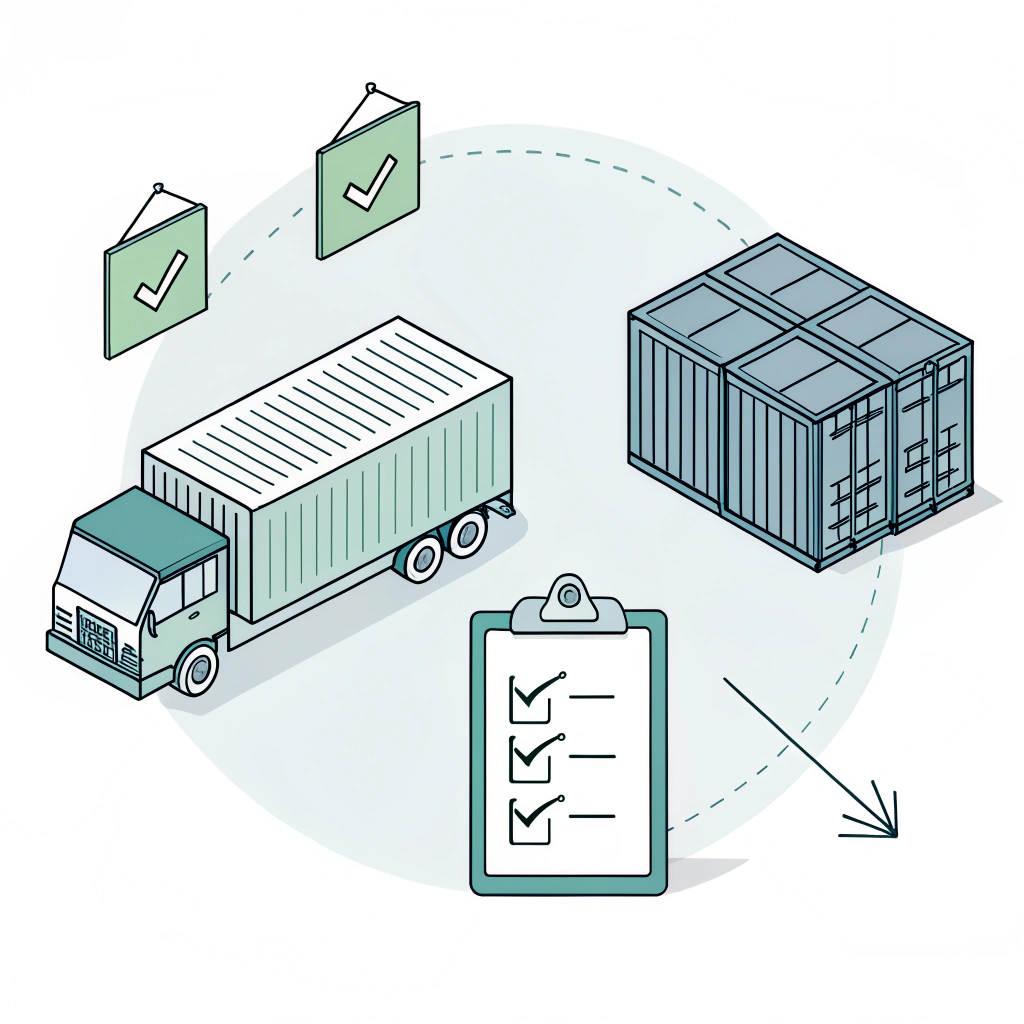
Once you have finalized the product and negotiated terms, focus on logistics. Efficient shipping and customs clearance are crucial steps in mini importation:
- Freight Forwarders5: Even without an agent, you might consider hiring a freight forwarder to help manage shipping logistics. They can handle documentation and customs clearance efficiently.
- Shipping Terms: Choose the appropriate Incoterms. Terms like FOB (Free On Board) or CIF (Cost, Insurance, and Freight) define who is responsible for different shipping risks and costs.
- Customs Documentation: Prepare all necessary documentation such as packing lists, commercial invoices, and certificates of origin.
- Clearance Process: Understand your country’s customs requirements to avoid delays and unexpected costs.
Tips for smoother shipping:
- Use tracking systems to monitor your shipment in real-time.
- Calculate all taxes, duties, and fees upfront to avoid surprises on delivery.
Step 6: Manage Quality Control and Post-Import Procedures
Even after your goods arrive, the process is not over. Quality control and dispute resolution are essential parts of the import process.
- Inspections: Perform thorough quality checks upon receiving your goods. Engage third-party inspection agencies if necessary to ensure products meet agreed specifications.
- Documentation: Organize shipping documents and customs declarations for future reference or audits.
- Feedback Loop: Establish a feedback system with your supplier. Effective feedback can lead to improved quality in subsequent orders and fosters a lasting business relationship.
If issues arise, having documented procedures for handling disputes helps in quick resolutions. This proactive quality management is vital for long-term success in mini importation.
Step 7: Building a Direct Online Presence and Marketing
In today’s digital age, having an online presence is crucial for selling imported products. Once you’ve successfully imported your goods, focus on building your brand:
- E-Commerce Platforms: Leverage popular platforms such as Shopify, WooCommerce, or Amazon to start selling.
- Social Media Marketing: Engage with potential customers through targeted social media advertisements and content marketing.
- Website Development: Invest in a professional website to showcase your imported products, share product information, and offer customer support.
- Customer Service: Excellent customer service builds trust and drives repeat business. Tailor your after-sales support to swiftly address any issues.
A solid online presence does not just boost sales; it also adds credibility to your business, further reinforcing your supplier relationships and market success.
Step 8: Financial Planning and Profit Margin Optimization
The profitability of mini importation depends significantly on your cost structure and marketing strategy. Keep these financial aspects in mind:
- Cost Analysis: Consider all costs from product pricing, shipping, customs duties, inspection fees, and marketing expenses. Creating a spreadsheet to monitor these expenses can help manage costs effectively.
- Profit Margin Calculation: Ensure that each product’s selling price accommodates a comfortable profit margin. Many mini importers aim for profit margins ranging from 50% to 200%.
- Risk Management: Set aside a contingency budget to cover unexpected costs, such as delays in shipping or quality issues.
A simple table for cost analysis might look like this:
| Cost Component | Estimated Percentage of Total Cost |
|---|---|
| Product Cost | 50% |
| Shipping & Customs | 20% |
| Inspection & Quality | 10% |
| Marketing | 10% |
| Miscellaneous | 10% |
By continuously monitoring these financial metrics, you can adjust your strategies to maximize profitability while mitigating risks.
Step 9: Overcoming Common Challenges and Pitfalls
When managing the mini importation process independently, some challenges may arise. Being aware of these pitfalls and planning accordingly will help you succeed:
- Communication Barriers: Language differences and time zone variations can impact negotiations. Use reliable translation tools and schedule meetings during mutually agreed times.
- Quality Variations: Products may not always meet expectations. Mitigate this risk by ordering samples and enforcing strict quality control standards.
- Delayed Shipments: Logistic delays are common. Maintain realistic timelines and build flexibility into your supply chain planning.
- Cultural Differences: Understanding business etiquette in China can greatly improve supplier relationships. Build rapport by respecting local customs and maintaining consistent communication.
Implementing proactive strategies, such as regular communication and precise documentation, can help you avoid these pitfalls and ensure a smooth importation process.
Conclusion and Actionable Recommendations
Starting mini importation from China without an agent is entirely feasible with proper planning and diligent execution. By following this step-by-step guide, you’ll be empowered to double-check your business credentials, select the right products, verify suppliers, negotiate favorable terms, manage logistics efficiently, and effectively market your products online.
To recap, here are the key actionable steps:
- Verify your business registration and legal requirements.
- Conduct thorough product and market research.
- Source reliable suppliers and perform strict quality checks.
- Negotiate clear and documented terms with your suppliers.
- Arrange smooth shipping and handle customs with precision.
- Build an online presence to market your products confidently.
- Monitor your cost structure regularly to ensure profitability.
- Be prepared for challenges by planning for effective communication and quality control.
By taking these steps, you will successfully reduce dependency on agents and gain more control over your import operations, leading to a more profitable and sustainable business model.
People Also Ask
Q1: How to start a mini importation from China?
A1: Start by registering your business and ensuring all legal documents are in order. Then, choose the right products through thorough market research, source and verify suppliers on trusted platforms, negotiate favorable payment and shipment terms, and finally manage logistics, quality control, and online marketing to sell your goods effectively.
Q2: Do I need a license to import from China?
A2: Depending on your country’s regulations, you may need specific licenses or permits. For example, in some countries, an Importer Exporter Code (IEC) or equivalent is mandatory to legally engage in cross-border trade. Always check your local trade guidelines before initiating imports.
Q3: How profitable is mini importation?
A3: Profitability in mini importation can vary widely based on factors such as product selection, sourcing costs, and market demand. Many mini importers achieve profit margins between 50% to 200% if they effectively manage costs, quality, and marketing strategies.
-
mini importation: Click to learn more about the process of directly importing a small volume of goods from China, eliminating the need for agents and reducing intermediary costs. ↩ ↩
-
Trade Compliance: Click to understand the regulations and international policies crucial for legally importing goods and ensuring all trade requirements are met. ↩ ↩
-
Importer Exporter Code (IEC): Click to explore what an IEC is, why it is essential, and how it facilitates legal cross-border trade between countries. ↩ ↩
-
Incoterms: Click to read about the standardized international trade terms that define the responsibilities of buyers and sellers during shipment. ↩ ↩
-
Freight Forwarders: Click to discover how freight forwarders can assist in managing shipping logistics, documentation, and customs clearance efficiently. ↩ ↩