
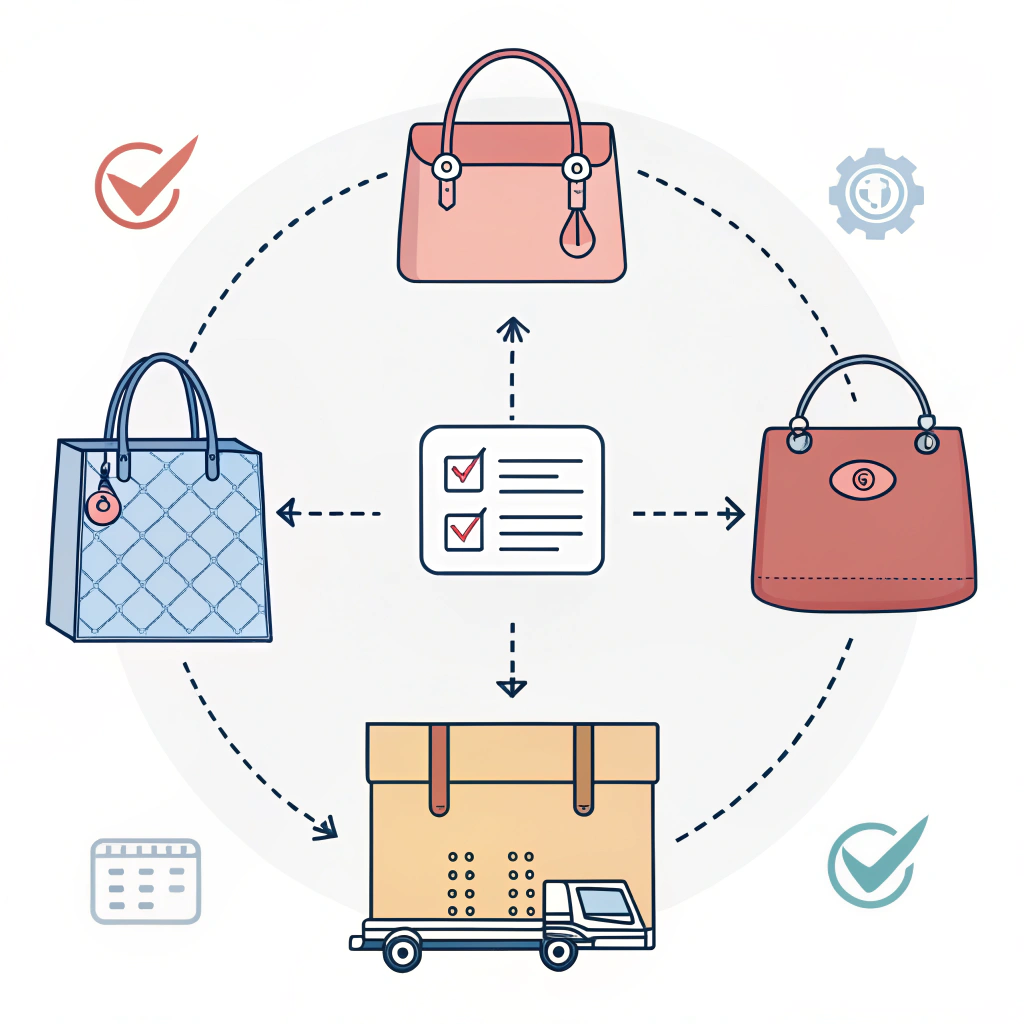
How do you import handbags from China? In short, you need to identify reliable suppliers, verify product quality, understand logistics and shipping, ensure customs and regulatory compliance, and manage secure payments and contracts. This guide will walk you through each step in a structured, solution-oriented manner to help you confidently import handbags from China.
Importing handbags from China can be a lucrative move for your business. However, the process involves several key steps—from sourcing and vetting suppliers and ensuring product quality, to managing logistics and customs compliance. Below, we break down the process into actionable steps that will help you navigate this complex but rewarding venture.

The first step in importing handbags is to locate and vet trustworthy suppliers. Start by researching reputable sources such as Alibaba1, Global Sources, or trade shows in China. When evaluating a supplier, consider the following criteria:
- Experience and Reliability: Look for suppliers with a proven track record in handbag production.
- Quality Certifications: Verify whether the supplier holds industry-standard certificates that ensure consistent product quality such as ISO2, CE, or other product-specific certifications.
- Production Capacity: Ensure they have the capability to produce large quantities without compromising quality.
- Communication: A supplier who communicates clearly is critical. Language proficiency and responsiveness are indicators of a reliable partner.
- Customer Reviews and References: Check feedback from previous clients and visit their facility if possible.
A detailed evaluation can be summarized in the table below:
| Evaluation Criteria | What to Look For | Why It Matters |
|---|---|---|
| Experience | Years in business, portfolio of completed orders | Indicates reliability and expertise |
| Certifications | ISO2, CE, or other product-specific certifications | Ensures product quality and compliance |
| Production Capacity | Ability to handle your order volume | Helps match supplier capability with demand |
| Communication | Prompt responses, clarity in contracts | Minimizes misunderstandings |
| Customer Feedback | References, reviews, repeat orders | Confidence in supplier performance |
Taking the time to thoroughly assess each supplier can help reduce risks and ensure that the final product meets your quality and design specifications.
Quality control is vital when importing handbags from China. You need to set clear product specifications and perform pre-shipment inspections. Here are some key considerations:
- Detailed Product Specifications: Provide your supplier with clear instructions on design, materials, hardware, and any branding details. This minimizes the chance of deviations from your requirements.
- Third-Party Inspections: Consider hiring a third-party inspection company to carry out quality checks before shipment. These inspectors can verify the quality, durability, and safety of the handbags.
- Sampling: Always request samples before placing a full order. Testing samples ensures that the final product aligns with your brand standards.
- Product Certification: Check if your handbags require specific certifications for your target market (e.g., flammability standards, labeling requirements).
A robust quality control strategy not only protects your investment but also builds trust with your customers by ensuring product consistency.

Once you’ve finalized your supplier and quality expectations, the next step is to manage your shipping and logistics effectively. There are several components to consider:
- Freight Forwarders3: Engaging a reliable freight forwarder can streamline the shipping process. They handle the transportation from the supplier’s warehouse to your country’s port.
- Shipping Methods: Choose a shipping method that fits your budget and timeline. Common methods include ocean freight for bulk orders or air freight for smaller, time-sensitive shipments.
- Insurance: Ensure that your shipment is fully insured in case of loss or damage during transit.
-
Documentation: Critical documents include:
- Commercial Invoice
- Packing List
- Bill of Lading
- Import Licenses (if required)
Understanding each document’s role ensures you’re prepared during customs clearance, reducing delays.
Below is a brief table to recap key shipping documents:
| Document | Purpose | Key Details |
|---|---|---|
| Commercial Invoice | Provides transaction details | Lists price, terms of sale, and product description |
| Packing List | Details packaging and quantities | Breaks down items by carton and weight |
| Bill of Lading | Serves as shipment contract and receipt | Confirms cargo receipt and contract of carriage |
| Import Licenses | Ensures legal entry into your country | Required for regulated items or controlled imports |
Customs clearance requires careful planning to avoid delays and penalties. Here’s how to ensure smooth processing:
- Understanding Tariffs and Import Duties: Research the applicable tariffs and taxes for handbags in your country. This is part of the landed cost calculation.
- Classifying Your Goods: Correctly classify your goods under the Harmonized System (HS Code4). Misclassification can lead to fines or additional charges.
- Providing Accurate Documentation: Ensure that all paperwork is accurate and matches the shipment details. Any discrepancies can lead to delays at customs.
- Compliance with Local Regulations: Beyond customs, additional regulatory requirements such as labeling laws or safety certifications might apply. Familiarize yourself with these regulations to prevent non-compliance issues.
Following these steps ensures that your shipment advances smoothly through customs, allowing you to focus on selling and distributing your handbags.
Managing payments and contracts with your supplier is another key element of a successful sourcing operation. Consider the following steps:
- Negotiating Terms: Ensure that the contract clearly outlines payment terms, delivery schedules, and quality standards. Negotiate factors such as deposit amounts and remaining payments upon shipment or after a successful quality inspection.
- Secure Payment Channels: Use reliable payment methods such as Letters of Credit (LC), escrow services, or direct bank transfers. These methods protect both parties and foster trust.
- Incoterms5: Clearly define which Incoterms (e.g., FOB, CIF) apply to your transaction. This determines who is responsible for shipping, insurance, and freight costs.
- Legal Review: Have a legal expert review your contract to ensure that all local and international regulations are met, especially when dealing with large monetary transactions.
A well-negotiated contract not only protects your investment but also sets the foundation for a long-term business relationship with your supplier.
To further ensure success in importing handbags, consider using third-party support services. These can include:
- Inspection Services: As mentioned earlier, third-party inspections verify that products meet your quality standards before they leave the factory.
- Quality Assurance Services: These services help monitor production and ensure that defect rates are kept low.
- Freight and Customs Brokers: Experts in logistics can help with shipping coordination and navigate complex customs regulations.
- Legal and Compliance Advisors: Consulting with experts in international trade can help identify potential regulatory pitfalls and ensure your business stays compliant.
Using these external experts minimizes risks and ensures that your import process is both efficient and successful.

Many businesses have successfully navigated the handbag import process by following a structured approach. Case studies show that companies that invest early in supplier vetting and quality control often enjoy fewer delays and a lower incidence of product returns. For example, one business reported a 20% reduction in shipment delays after switching to a freight forwarder who specialized in handling luxury goods.
Data Insights:
- Companies that pre-inspect samples before bulk production see a 30% improvement in product quality.
- Establishing clear communication channels with suppliers reduces negotiation time by up to 25%.
- Detailed contractual agreements that include risk mitigation provisions lead to smoother customs clearance processes.
By learning from these examples, you can optimize your approach to importing and set your business up for sustained success in new markets.
Importing handbags from China involves multiple coordinated steps, each critical to ensuring a successful and profitable operation. Here are the key takeaways:
- Supplier Vetting: Focus on finding experienced suppliers with a reputation for quality, using rigorous evaluation criteria.
- Quality Control: Set precise product specifications, request samples, and consider third-party inspections to maintain quality standards.
- Logistics Planning: Choose the right shipping methods, work with reliable Freight Forwarders3, and ensure all necessary documents are in order.
- Customs and Compliance: Understand and comply with the import regulations and tariff requirements of your destination country.
- Payment and Contracts: Negotiate clear payment terms and use secure payment channels to protect your interests.
- Risk Mitigation: Utilize third-party services such as inspections, brokers, and legal advisors to further reduce risks.
In conclusion, by following these steps, your journey to importing quality handbags from China will be smoother and more profitable. Once you have your supplier, quality, logistics, and financial details aligned, you can confidently move forward. If you encounter challenges or need personalized advice, consider reaching out to a sourcing expert who specializes in Chinese markets.
Remember, a well-planned import strategy not only minimizes risks but also positions your business to capitalize on emerging market trends and consumer demands.
People Also Ask
Q: How do I import goods from China to USA?
A: To import goods from China to the USA, you need to complete several documents including an entry manifest or CBP Form, a commercial or proforma invoice, a packing list, and proof of an import license if required. Accurate documentation and proper classification of goods are essential to meet customs regulations.
Q: How can I import directly from China?
A: Importing directly from China involves several steps: first, ensure you have the legal right to import, then identify the desired goods and verify they are permitted. Next, classify your goods, calculate the landed cost, choose a reliable supplier, arrange cargo transportation, and finally, track your shipment until it arrives.
Q: Do I need a license to import from China?
A: Yes, in many cases you will need an import license to import products from China. Typically, you must obtain an Importer Exporter Code (IEC), which is a 10-digit number issued by the relevant authorities. This license verifies your right to import and is necessary for processing shipments smoothly.
-
Alibaba: Click to learn about Alibaba’s platform features, supplier verification processes, and how it facilitates global trade for B2B buyers. ↩
-
ISO: Click to understand what ISO certifications are, how they ensure product quality, and their significance in international trade. ↩ ↩2
-
Freight Forwarders: Click to explore the role of freight forwarders, how they manage logistics, and why they are vital for smooth shipping operations. ↩ ↩2
-
HS Code: Click to learn about HS Codes, the international nomenclature used to classify traded goods, and its importance in ensuring customs compliance. ↩
-
Incoterms: Click to get insights on Incoterms, the international standards defining shipping responsibilities, and how they impact trade agreements. ↩