
Great question! If you’re researching shipping costs from China to the USA, you’re likely moving forward with a solid import plan. At Mangors, we’ve helped tons of clients in the U.S. not just with finding the right products, but also with getting those products across the ocean and through customs smoothly.
Shipping costs vary a lot, depending on the method and specifics of your shipment. Let’s dive into the main options, so you can get a better sense of what will work best for you.
Main Shipping Methods
Express Shipping
This includes fast carriers like DHL, FedEx, and UPS. It’s the quickest option, but it’s also the priciest. If your shipment’s value is over $800, you might need to handle customs clearance and pay relevant duties when it arrives in the U.S. Every product category has its own duty rate, which you can check at hts.usitc.gov. Not sure how to check or calculate it? Your supplier or our team at Mangors can help you with that! Express shipping is generally best for smaller, lighter shipments like samples or items under 20 kg, rather than for large quantities. Here’s a tip: Express carriers often offer significant discounts to freight forwarders, who can book on your behalf at rates up to 50% lower than those you’d get by going directly to the carrier.
Air Freight
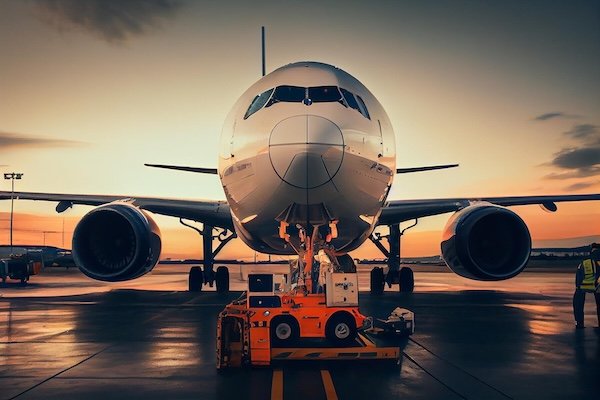
Air freight is a bit like express shipping, but a little slower and cheaper. For this, you’d work with a freight forwarder to book space on a plane, handle customs clearance, and arrange final delivery in the U.S. Air freight makes sense for medium-sized shipments—think a couple of cubic meters or 100-200 kg. Depending on the volume, the final delivery could be by truck, or even through a service like UPS Ground.
Sea Freight
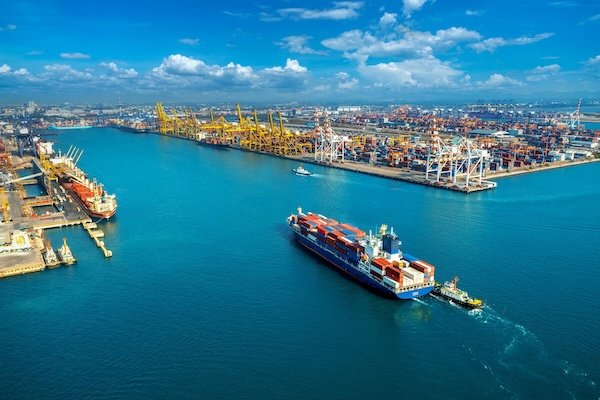
The slowest, but definitely the most affordable option, especially for large shipments. Sea freight even has variations, like “fast sea” shipping (e.g. Matson’s 12-day route from Shanghai to Los Angeles) versus “slow sea” shipping, which can take 20 days or more. Freight forwarders handle all the arrangements, from booking with the carrier and consolidating shipments to customs clearance and delivery.
Special Considerations for Amazon Shipments
Shipping to Amazon’s FBA warehouses? There’s not a huge difference in process or price from standard shipments, but Amazon-bound goods do need proper labeling. Small errors in labeling can lead to big problems when the products arrive at Amazon’s warehouse. We suggest using an experienced forwarder who can check all labels in advance to make sure everything is correct and that you don’t have any problems with intake and delays.
Calculating Shipping Costs
Shipping costs generally depend on three main factors:
– How Much Are You Shipping?
– How Quickly Do You Need It?
– Where in the USA Are You Shipping To?
Let’s look closer at each factor.
How Much Are You Shipping?
Is your shipment a few kilos, several hundred kilos, or even multiple tons? Different volumes are ideal for different shipping methods:
Less than 20 kg: Express shipping is probably your best option. It’s hassle-free, and you don’t have to worry about the complexities of air or sea freight. Expect costs of around $10-15 per kg.
1-2 cubic meters or 100-200 kg: At this level, sea freight is worth considering. If your shipment is around one cubic meter (roughly 167 kg), fast sea freight costs about $2 per kg, all-in from door to door. For a slower sea option, you might save around 10%. If it’s really urgent, express shipping could cost around $6-7 per kg, while air freight might run about $5-6 per kg. Unless time is critical, though, try to avoid air freight—it’s pricey!
50-60 cubic meters or more: Go with sea freight—unless you’re prepared to pay tens of thousands of dollars for air freight. For shipments around 60 cubic meters, you can usually book a whole container for about $10,000 to $15,000. Your freight forwarder can help handle customs and calculate duties based on your goods’ value and duty rate. Not sure how to calculate duties? Feel free to reach out to Mangors for guidance.
How Quickly Do You Need It?
The faster you need it, the more it costs. Here’s a rough breakdown if you’re shipping to California:
Express Shipping: 5-7 days, about $7-10 per kg, or $1,400-$2,000 per cubic meter.
Air Freight: 7-10 days, around $6-7 per kg, or $1,000-$1,200 per cubic meter.
Fast Sea Freight: 25 days, about $2 per kg, or $334 per cubic meter.
Slow Sea Freight: 35 days, around $1.80 per kg, or $300 per cubic meter.
Where Are You Located in the USA?
As a general rule, the closer you are to the West Coast, the cheaper the shipping. Why? Because the West Coast is closest to China. If you’re in New York, for example, your shipping cost might be about 10% higher than if you were in California. This is one reason why many distributors and wholesalers put their U.S. warehouses in or near Los Angeles.
Conclusion
The key to managing shipping costs is planning ahead. The more time you give yourself, the more flexible you can be, which can save you a ton of money on shipping. Lower costs make you more competitive, and they boost your bottom line, too. And if you’d rather not spend time calculating shipping costs yourself, just send us your shipment details and Mangors can give you an estimated rate to make it easy for you to compare with different freight forwarders. Got questions? Mangors is here to help you find the right solution for your needs and budget!