
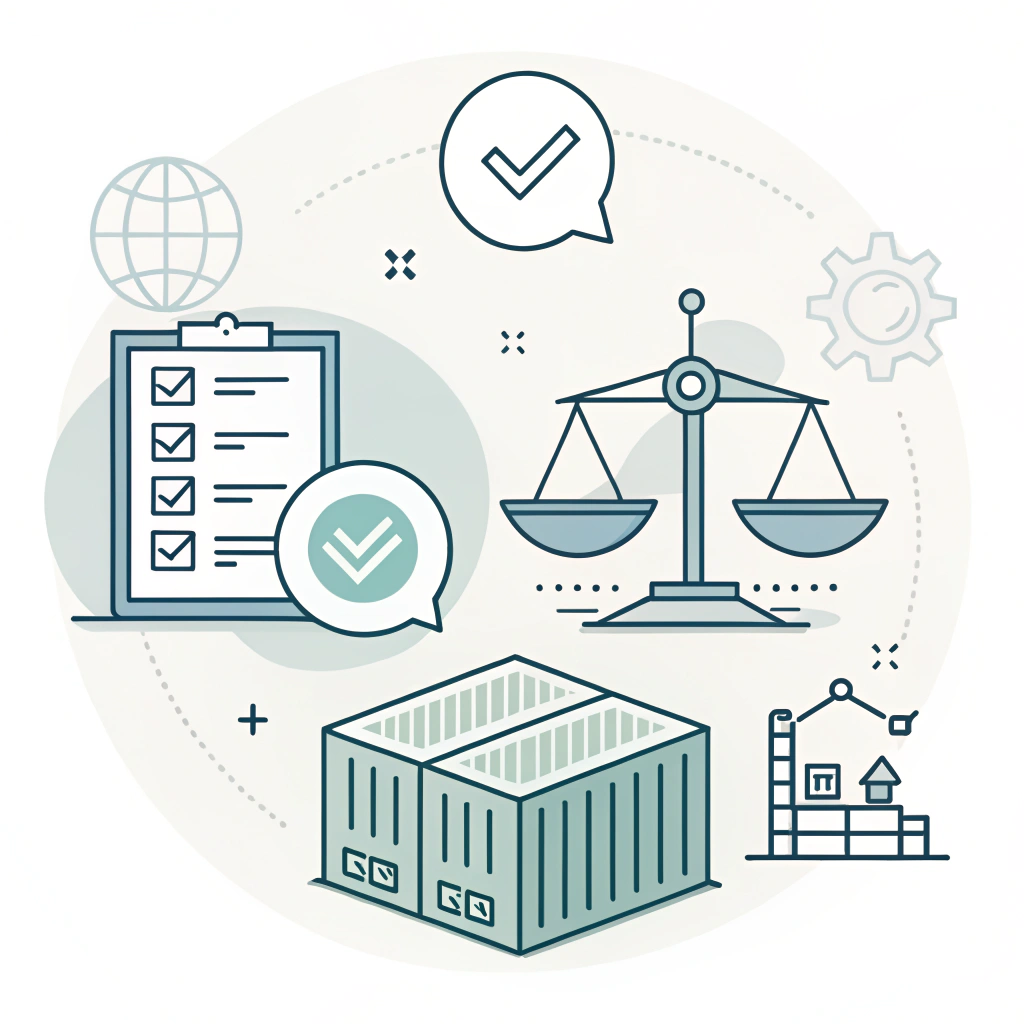
Importing from China is challenging for first-time importers due to a mix of language barriers, regulatory complexities, quality control issues, and logistics uncertainties. Understanding these challenges—and the practical steps to overcome them—can help your business avoid costly mistakes and streamline your international sourcing process.
Navigating the maze of international trade is daunting, especially when dealing with a market as vast and complex as China. China import challenges stem from multiple factors, including cultural differences, strict regulatory compliance, and logistical issues. For first-time importers, these obstacles often translate into higher risks and uncertainties. In this article, we delve into the common hurdles and present actionable solutions to help you confidently take your first steps in importing from China.
When entering the Chinese market, first-time importers face a variety of challenges that can disrupt the flow of goods and add unexpected costs. The main issues include:
-
Language and Communication Barriers:
Chinese suppliers might not be fluent in English, making contract negotiations and product specifications prone to misunderstandings. -
Quality Control1:
Maintaining consistent product quality can be difficult due to varying manufacturing standards and the prevalence of counterfeit goods. Without robust quality control protocols, companies risk receiving sub-par products. -
Logistics Complexities2:
Shipping from China involves intricate logistics planning, including navigating customs procedures, selecting the right maritime or air freight options, and dealing with potential delays caused by busy seasons or holidays. -
Supplier Verification3:
Verifying the credibility and reliability of suppliers is critical. The risk of fraud or unethical business practices remains high without proper due diligence. -
Regulatory Compliance4:
Products often need to comply with local regulations in the destination country. Specific permits, licenses, or certifications might be required, adding another layer of complexity.
Understanding these challenges early in the decision-making process is crucial to planning and mitigating risks.
To navigate these challenges effectively, it is helpful to understand their root causes:
The gap between different languages often leads to misinterpretations regarding product requirements and contract terms. Even when translated documents are available, nuances can be lost, potentially leading to disputes.
Many first-time importers may struggle with establishing comprehensive quality control processes due to unfamiliarity with Chinese manufacturing practices. Furthermore, the sheer scale of production in China can make individual oversight challenging, thereby increasing the risk of receiving defective or non-compliant products.
Shipping logistics from China cover a wide range of issues—from selecting reliable freight forwarders to ensuring compliance with both Chinese and destination country customs. Each step introduces potential delays and additional costs.
Without established networks or references, verifying a supplier’s reputation is challenging. Fraudulent suppliers may offer attractive prices initially but later deliver below-standard quality or hide additional costs.
Certain products require special permits or licenses before importation. The complexity increases when dealing with items such as electronics, pharmaceuticals, or items that might be subject to stringent safety standards in your country.

To help mitigate these challenges, consider the following actionable solutions:
-
Hire Bilingual Experts or Use Professional Translation Services:
This minimizes risks associated with miscommunication. Partnering with experts who are familiar with both Chinese and local business contexts can significantly reduce misunderstandings.
-
Implement Third-Party Quality Inspections:5
Schedule quality inspections during various stages of production. Consider hiring reputable inspection agencies that can provide unbiased quality assessments. -
Use Quality Control Checklists:
Create comprehensive checklists that cover materials, dimensions, packaging, and safety standards. Regularly update these lists based on feedback and product performance.
-
Partner with Experienced Freight Forwarders:
Work with logistics professionals who understand the intricacies of both Chinese and international shipping regulations. -
Plan for Longer Lead Times:
Always factor in potential delays by adding buffer time in your overall shipping schedule. Use technological solutions for real-time tracking of shipments.
-
Conduct Comprehensive Background Checks:
Verify supplier credentials, check customer reviews, request product samples, and consider visitations if feasible. -
Use Sourcing Platforms with Verified Suppliers:
Leverage established platforms that list verified suppliers and include buyer feedback and ratings to minimize risk.
-
Understand Product-Specific Regulations:
Different products may fall under different regulatory frameworks. It is crucial to research and understand what permits or certifications are needed for each product you plan to import. -
Consult with Regulatory Experts:
When in doubt, consult with experts or legal advisors who specialize in international trade compliance, ensuring that all licenses or permits are secured ahead of time.
Below is a table summarizing the challenges along with corresponding solutions:
| Challenge | Root Cause | Recommended Solutions |
|---|---|---|
| Language and Communication | Different languages and cultural nuances | Hire bilingual experts, use professional translation |
| Quality Control | Varying manufacturing standards, counterfeit risks | Implement third-party inspections, quality checklists |
| Logistics and Customs | Complex shipping procedures, customs delays | Partner with experienced freight forwarders, plan buffer time |
| Supplier Verification | Fraud risks, unreliable references | Conduct thorough background checks, use verified sourcing platforms |
| Regulatory Compliance | Varied import regulations, licensing requirements | Understand regulations, consult with compliance experts |
Real-world experiences underscore the importance of planning when importing from China. For example, one mid-sized company initially struggled with inconsistent product quality. By shifting to a model that incorporated periodic quality inspections and enhanced supplier screening, they reduced their rejection rates by 40% within the first year.
Data also suggests that companies using freight forwarders with a strong track record reduced delays by over 30%. This indicates that careful logistics planning not only lowers risks but also contributes to overall efficiency and cost savings in the long run.

While the above solutions provide a strong foundation to reduce risks when importing from China, it is important to note a few considerations:
-
Cost Implications:
Implementing many of these solutions, such as third-party quality inspections and expert consultations, may increase initial costs. However, these expenses often prove beneficial in avoiding more expensive mishaps later. -
Dynamic Regulations:
Regulatory frameworks are subject to change. It is imperative to stay updated on current laws and trade agreements, as non-compliance can result in significant delays or fines. -
Supplier Reliability:
Despite rigorous screening processes, supplier performance can still fluctuate based on unforeseen variables like economic shifts or production issues. Continuous monitoring is essential. -
Cultural Nuances:
The impact of cultural differences cannot be overstated. Training teams on cultural sensitivity and negotiation tactics can improve interactions and ensure smoother business relationships.
Taking these factors into account, your strategy should remain flexible and adaptive to sudden changes in the market or regulatory landscape.
For first-time importers, the decision to source from China requires careful evaluation of challenges and risks. To recap:
- Language and Communication: Use bilingual experts and professional translation services to ensure clear communication.
- Quality Control: Invest in rigorous quality control processes including third-party inspections and detailed checklists.
- Logistics: Collaborate with seasoned freight forwarders and account for potential delays by planning realistically.
- Supplier Verification: Thoroughly vet suppliers using background checks and verified sourcing platforms.
- Regulatory Compliance: Understand and adhere to product-specific regulations by consulting with compliance experts.
We encourage businesses to analyze each of these elements critically when planning their import strategy. By taking proactive measures, you can not only minimize risks but also secure a more reliable supply chain from China. In your journey to international sourcing success, prioritize transparency and diligence at every stage.
With the right preparation, partnerships, and continuous monitoring, importing from China can transform from a daunting challenge into a competitive advantage. Begin by assessing your current import cycle, identify areas that need improvement, and implement the recommended practices to build a robust, risk-mitigated sourcing strategy.
For further guidance, consider engaging with experienced sourcing agents who can provide personalized advice tailored to your business needs. Remember, overcoming the hurdles of international sourcing starts with informed decision-making and a commitment to rigorous process improvement.
What are the rules for importing from China?
There is no universal import permit for all goods from China; however, specific products may require special permits or licenses. Different federal agencies manage different product categories, meaning requirements can vary significantly.
Do I need a permit to import from China?
Before importing certain goods, you may need to acquire the appropriate permits or licenses. For instance, obtaining an Importer Exporter Code (IEC) is a common requirement, and the overall process depends on the nature of the product you intend to import.
How long does it take to import goods from China?
The time required to import goods varies significantly. Typically, air freight can take between 2 to 15 days, and sea freight may take 15 to 35 days or longer, depending on factors such as product type, destination, seasonal demand, and potential delays caused by Chinese holidays.
-
Quality Control: Click here to learn about strategies for ensuring consistent product quality, managing manufacturing standards, and preventing the risks associated with counterfeit goods. ↩
-
Logistics Complexities: Click here to explore detailed insights on managing shipping routes, understanding freight options, and navigating potential delays in international transit. ↩
-
Supplier Verification: Click here to discover best practices for vetting suppliers, assessing credibility, and mitigating risks related to fraud and unethical business practices. ↩
-
Regulatory Compliance: Click here to understand the framework of local and international regulations, including necessary permits and certifications for a smooth import process. ↩
-
Implement Third-Party Quality Inspections:: Click here to read about the benefits and methodologies of engaging independent inspection agencies to ensure unbiased quality assessments throughout production. ↩