
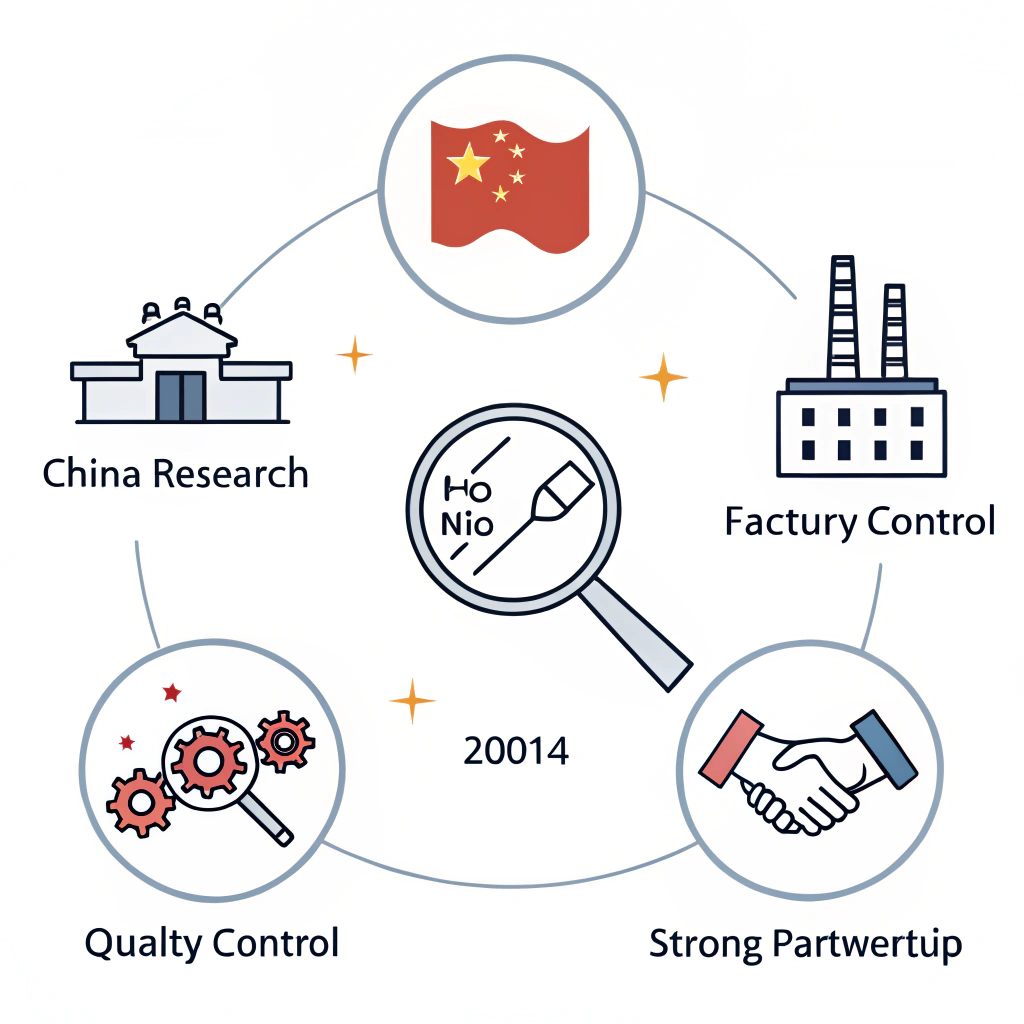
China sourcing can be simplified by combining thorough online research, physical trade events, and rigorous supplier verification methods. In this guide, we walk you through practical steps and key considerations to help you confidently find and engage reliable Chinese suppliers.
For procurement managers and sourcing professionals, finding a supplier in China may feel overwhelming. The vast market, language barriers, and differences in business practices can create risks such as poor quality products or delayed shipments. China sourcing1 is not just about finding the lowest cost option—it is about ensuring reliability, quality, and aligning with your business requirements.
When sourcing from China, you must consider several challenges:
- Language and Cultural Barriers: Miscommunication can lead to misunderstandings regarding product specifications or contract terms.
- Supplier Verification Issues: With numerous suppliers online, distinguishing between genuine and less reliable companies becomes difficult.
- Quality Control & Risk Management: Ensuring consistent product quality across large manufacturing runs requires rigorous controls.
- Logistical Complexities: From shipping to regulatory compliance, managing import logistics can add another layer of complexity.
By understanding these challenges, you can build a structured and effective sourcing strategy.
The first step in finding a reliable supplier is gathering as much information as possible. Start with:
- Online Marketplaces: Websites like Alibaba, Made-in-China, and Global Sources host numerous suppliers. Use these platforms to compare product offerings, prices, and company profiles.
- Trade Fairs: Attending events like the Canton Fair or the Yiwu Market provides direct access to multiple suppliers. This offers an opportunity for face-to-face discussions and immediate quality assessments.
- Industry Networks: Leverage professional networks and industry-specific contacts. Your peers or industry associations can often recommend trusted suppliers.

2. Perform Due Diligence2 and Supplier Verification3
Once you have a list of potential suppliers, it is critical to verify their credentials. Consider the following methods for assessing supplier reliability:
- Request Company Documentation: Ask for business licenses, certifications (such as ISO), and export credentials.
- Check for Reviews and References: Look for feedback from other buyers to understand a supplier’s track record.
- Verify Manufacturing Capability: Request detailed information on production capacity, workforce, and quality control processes.
- Visit the Facility: If possible, conduct a physical or virtual audit of the manufacturing facility. Seeing operations firsthand can reveal a lot about process reliability and quality standards.
A comparison table for evaluating suppliers might look like this:
| Criteria | Why It Matters | Verification Methods |
|---|---|---|
| Company Credentials | Ensures legitimacy and compliance | Business licenses, certifications |
| Production Capacity | Adequate volume supply | Facility tours, production reports |
| Quality Control | Consistent product quality | Quality assurance certificates, third-party audits |
| Communication | Minimizes potential misunderstandings | Language proficiency, response time |
| Past Performance | Reduces risk of future disputes | Customer references, online reviews |
After narrowing down your list:
- Request Samples: Testing products gives you an insight into the quality and manufacturing precision.
- Conduct Technical Assessments: Compare your specifications with the samples received. It is helpful to involve quality control experts or local testing agencies.
- Iterative Feedback: If initial samples do not meet specifications, provide detailed feedback and request adjustments before committing to large orders.

Once you have found promising suppliers:
- Define Clear Specifications: Outline product details, material standards, packaging, and delivery deadlines in writing.
- Negotiate Pricing: While competitive pricing is essential, emphasize quality and reliability. Look into negotiating terms like payment structure, lead time adjustments, and penalties for delays.
- Establish Communication Protocols: Regular updates, language translation services, and clear points of contact can reduce errors and improve cooperation.
- Leverage Trade Negotiation Tactics: Remember, negotiation in the Chinese sourcing environment often requires patience and mutual understanding. Offering long-term partnership potential can foster a more cooperative relationship.
5. Implement Risk Mitigation Strategies4
Risk management is a critical part of the sourcing process:
- Use Escrow Payment Services5: Payment methods that provide buyer protection can help mitigate financial risks.
- Contractual Safeguards: Develop clear contracts outlining penalties for delays, quality issues, and other breaches.
- Quality Inspections: Regular checks either by your own team or a third-party inspection service can significantly reduce risks.
- Backup Suppliers: Always have a shortlist of alternative suppliers who have passed your initial verification to ensure contingency planning.
A risk mitigation checklist might include:
| Risk Factor | Mitigation Strategy |
|---|---|
| Payment Risks | Use escrow, letter of credit |
| Quality Issues | Third-party inspections, proactive sample reviews |
| Communication Failures | Employ bilingual agents, set defined communication terms |
| Shipping Delays | Regular tracking, contingency logistics planning |
Supplier relationships in China are often built on trust and mutual benefit. Once you have verified a supplier:
- Establish Regular Communication Routines: Schedule periodic reviews of performance and address any emerging issues.
- Encourage Transparency: Request regular updates on production schedules, inventory levels, and quality reports.
- Invest in the Relationship: Consider visiting your suppliers periodically or inviting them to your business headquarters. This builds confidence and smoother collaboration for future projects.
- Provide Feedback: Constructive feedback on product quality and service quality helps them adjust and improve over time, resulting in a win-win situation.

Even with careful planning, there are pitfalls to look out for in China sourcing:
- Overreliance on Online Information: Always double-check online claims with offline verification techniques.
- Ignoring Cultural Differences: Understanding Chinese business culture can enhance negotiations and relationship management.
- Skipping Sample Evaluation: Rushing into large volume orders without thoroughly testing samples can lead to costly mistakes.
- Lack of Legal Safeguards: Protective contracts and proper payment terms are non-negotiable to avoid future disputes.
Following these guidelines helps not only in selecting the right supplier but also in forging a successful, long-lasting partnership.
To summarize, here are the key steps you should follow:
- Conduct Thorough Research: Utilize online platforms, trade shows, and industry networks.
- Perform Rigorous Due Diligence: Validate supplier legitimacy through documentation, reviews, and facility visits.
- Evaluate Samples Carefully: Ensure product quality meets your standards before scaling up.
- Negotiate Clear Trade Terms: Focus on specifications, payment terms, and delivery timelines.
- Implement Risk Management: Use escrow services, clear contracts, and quality control measures.
- Develop Long-Term Relationships: Build trust and transparency for consistent, high-quality supply.
By staying organized, performing comprehensive checks, and managing risks proactively, you can build a robust supply chain that drives your business forward in the competitive global market.
Start by exploring multiple avenues like the Canton Fair, Yiwu Market, and established online directories. Engage sourcing agents and leverage your industry network to vet potential suppliers for legitimacy and performance.
Focus on selecting a supplier with a proven track record by thoroughly evaluating their production capability, quality control systems, and communication practices. Assess the factory workforce, consider location advantages, and always conduct a comprehensive factory visit.
Use a combination of trade shows, reputable online directories like Alibaba and MFG.com, and specialized sourcing agents to identify potential manufacturers. Evaluate their credentials carefully and verify performance through sample evaluations and quality audits.
-
China sourcing: Click to learn more about strategic sourcing from China, including best practices for managing supplier relationships and navigating cultural challenges. ↩
-
Due Diligence: Click to read about effective due diligence techniques that help verify supplier credibility and ensure compliance with industry standards. ↩
-
Supplier Verification: Click to explore methods for confirming supplier legitimacy, reducing risks, and building stronger partnerships. ↩
-
Risk Mitigation Strategies: Click to discover a range of proactive risk mitigation strategies designed to safeguard your sourcing process and optimize supply chain performance. ↩
-
Escrow Payment Services: Click to understand how escrow payment services work to protect buyers and minimize financial risks during international transactions. ↩