
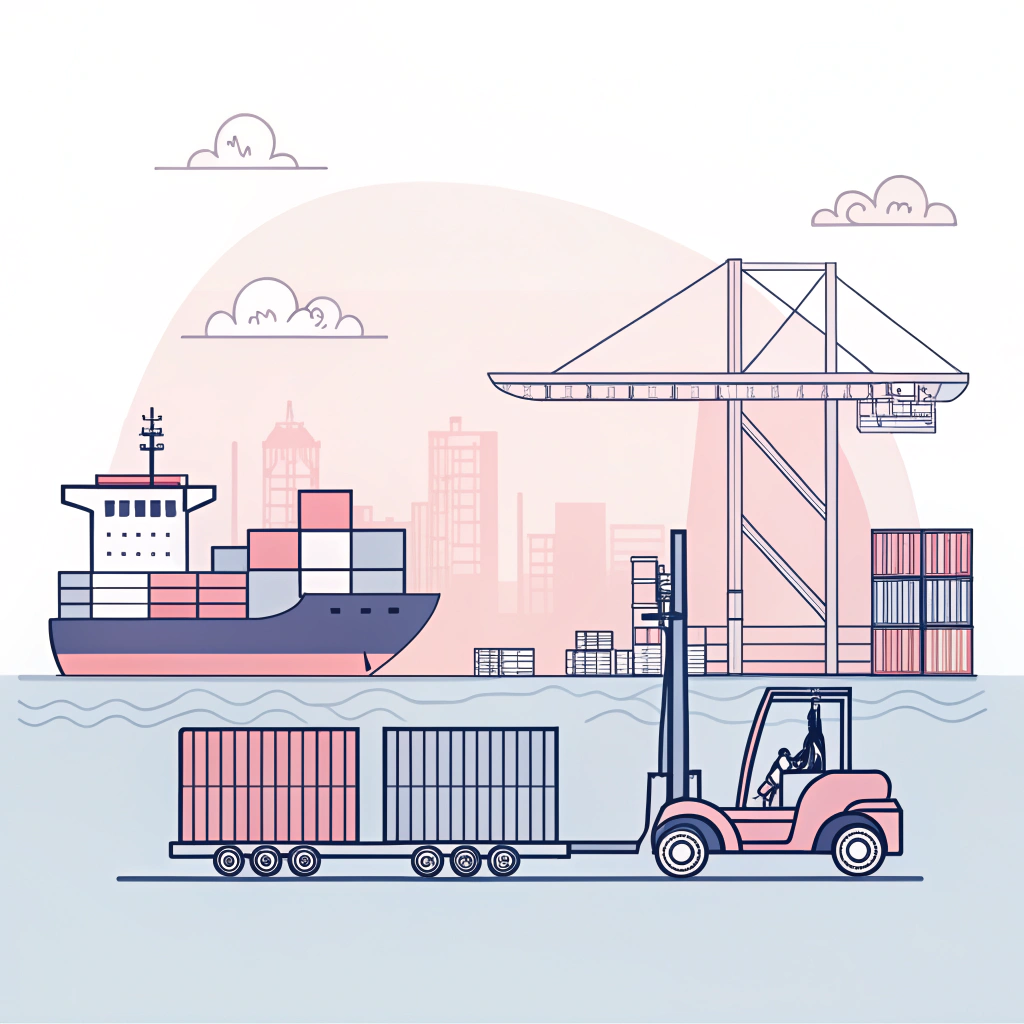
Can I pick up an FOB shipment at a destination port myself? The short answer is: Yes – but it depends on your FOB terms and requires careful coordination and understanding of responsibilities.
When managing international shipments, the details of Incoterms1 like FOB (Free on Board) can cause confusion. Many procurement managers ask whether they can personally pick up an FOB shipment at the destination port. The answer is nuanced. In an FOB arrangement, the handoff of responsibility between the seller and the buyer is clearly defined. This article explains the definitions, explores the practical steps involved, and offers strategies to manage risks and streamline the process should you decide to pick up your shipment yourself.
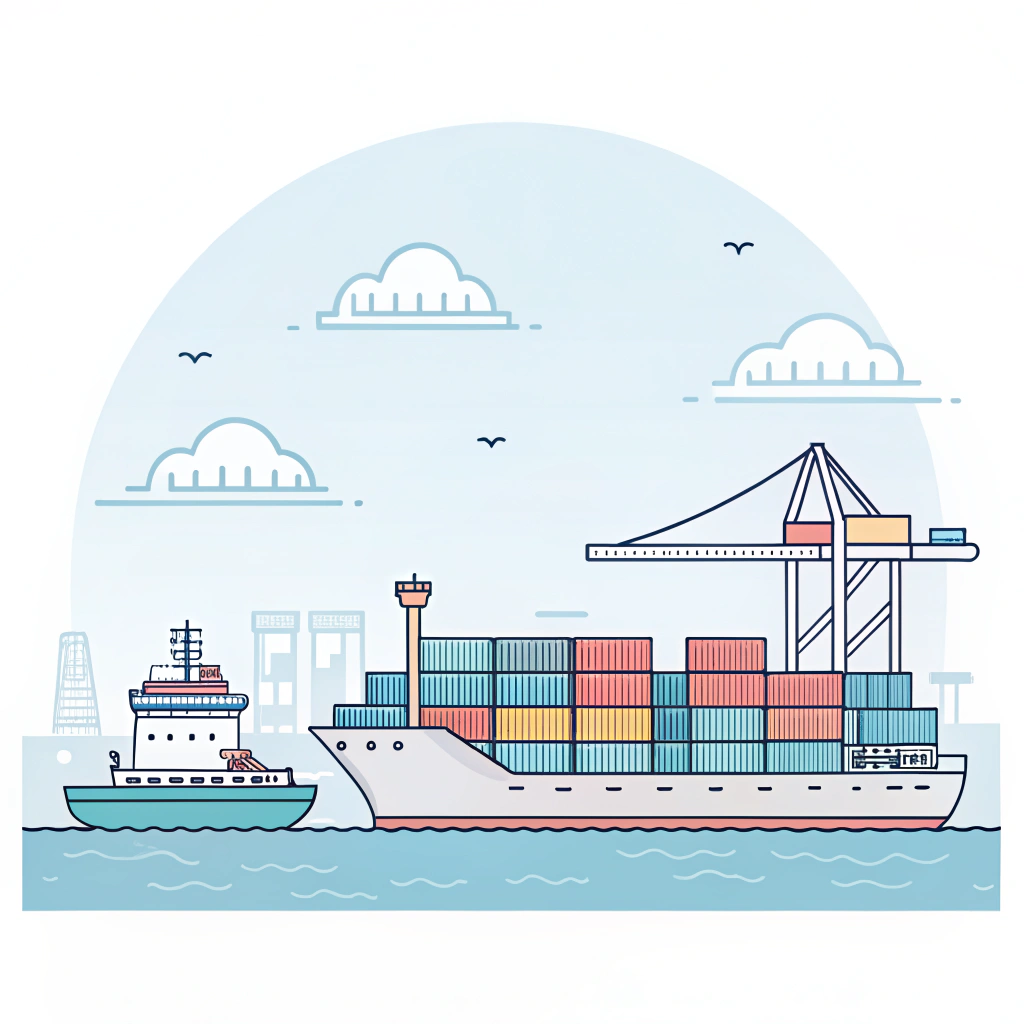
FOB, or Free on Board, is one of the most common trade terms defined under Incoterms. There are two major variations:
- FOB Shipping Point2: Here, the buyer assumes responsibility, ownership, and risk as soon as the goods leave the seller’s premises. This means that the buyer pays for, and manages, the shipping process from that point forward.
- FOB Destination3: In this case, the seller retains ownership and risk until the goods reach the buyer’s location. Only then does the responsibility for the goods transfer to the buyer.
This distinction is crucial when considering how and when you can pick up your shipment at the destination port. If your shipment is under FOB Shipping Point, you already bear the risk and are likely working closely with a freight forwarder. Conversely, for FOB Destination shipments, the seller is responsible until the goods reach your designated receiving site.
Picking up an FOB shipment at a destination port yourself is feasible in several situations, but several factors need to be considered:
-
Shipping Mode and Consolidation:
- FCL (Full Container Load)4: If you have an FCL shipment, the container typically remains sealed until it reaches the designated port. Once the container is offloaded and available in the container yard, you can arrange for a pickup.
- LCL (Less than Container Load)5: LCL shipments often require deconsolidation at a Container Freight Station (CFS), meaning the cargo is unpacked and reloaded. Therefore, self-pickup becomes more complex.
-
Logistical Preparedness:
You must have the proper logistics support, including transportation arrangements from the port to your warehouse. This means having a reliable local carrier, understanding local port regulations, and ensuring that customs documentation is complete and accurate. -
Regulatory and Compliance Issues:
Self-pickup may require adherence to local regulations regarding customs clearance, paperwork, and inspections. In many ports, security regulations can be strict, and you might need specific authorization or a contractor to access the container yard. -
Cost Considerations:
While self-pickup might seem like a way to reduce costs, any savings in shipping fees or handling charges must be weighed against the potential increase in labor, administrative efforts, and risk of delays or damage. -
Risk Management and Insurance:
With an FOB shipping point, you assume the responsibility for damages once the goods leave the seller’s facility. Self-picking up your shipment means that you must ensure that appropriate insurance is in place and that responsible parties handle any damages incurred during handling at the port.
If you are considering picking up your FOB shipment at a destination port, here is a checklist to assist you in managing the process:
-
Review Your Contract and Incoterms:
Determine whether your purchase contract specifies FOB Shipping Point or FOB Destination. Confirm the responsibilities, insurance coverage, and any limitations on self-pickup. -
Clarify Pickup Procedures with Your Forwarder:
Discuss with your freight forwarder or logistics partner about the feasibility and necessary procedures at the destination port. -
Prepare Necessary Documentation:
Ensure that all paperwork (bill of lading, customs documents, insurance certificates) is correct and complete to avoid delays. -
Arrange Local Transport:
Book a reliable transport solution that can promptly pick up and move the container from the port’s container yard or a CFS if needed. -
Plan for Customs Clearance:
If required, coordinate with customs brokers to manage inspections and clearance procedures. This helps in avoiding unexpected delays.
Below is a table summarizing the key differences between FOB Shipping Point and FOB Destination in terms of pickup responsibilities:
| FOB Term | Responsibility Transfer Point | Risk and Cost Bearing | Implication for Self-Pickup |
|---|---|---|---|
| FOB Shipping Point | As soon as goods are loaded or left the seller’s facility | Buyer assumes risk and ownership immediately | Buyer manages shipping and pickup logistics from origin |
| FOB Destination | When goods arrive at the buyer’s designated location | Seller retains risk until delivery is complete | Buyer’s pickup is governed by delivery and seller’s transfer of responsibility |
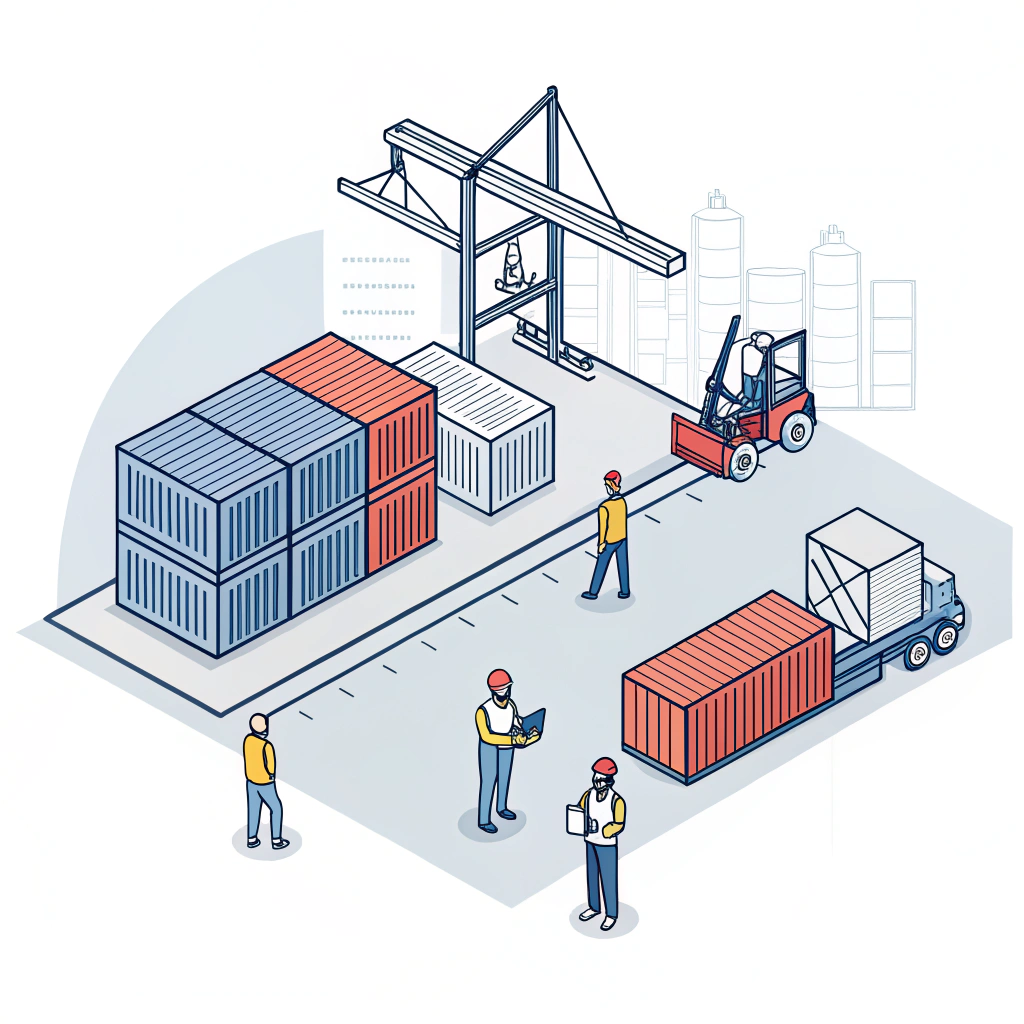
Engaging in self-pickup, although appealing for cost reduction, entails several potential downsides:
-
Handling Risks at the Port:
Ports are busy, complex environments with potential risks of damage, theft, or delays. Miscommunication or lack of port clearance can lead to cargo being held up, incurring storage charges. -
Increased Administrative Burden:
Organizing a self-pickup adds layers of logistics coordination. The buyer must monitor not just the shipment’s transit but also the ground handling at the port, which could divert attention from core operational tasks. -
Insurance and Liability Challenges:
When you assume pickup responsibilities, any mishaps or damages – even while the shipment is still in the transit area – might fall under your liability under FOB Shipping Point terms. Ensure that both your insurance and legal teams understand and cover these contingencies. -
Compliance with Port Regulations:
Every destination port will have its own set of security protocols and operational guidelines. Non-compliance or lack of familiarity with the local port procedures can result in fines or further delays.
The careful cost-benefit analysis is critical. Some companies may benefit from self-pickup when they have the in-house logistics capability and full control over their supply chain. Others might prefer engaging with a local freight forwarder or logistics company to mitigate the associated risks.
For businesses contemplating self-pickup, consider integrating these best practices into your logistics operations:
-
Early Engagement with Port Authorities:
Establish communication channels with the port management team early in the process. This will help you understand their requirements and gain necessary access permissions. -
Partner with Experienced Local Logistics Providers:
Even if you plan to manage the pickup process, having a local expert can help you navigate bureaucratic or logistical challenges. -
Invest in Training and Technology:
Equip your logistics team with training and technology to track shipments in real time. Platforms that provide real-time updates can alert you to delays or issues at the port, allowing for prompt resolution. -
Maintain Contingency Plans:
Develop robust contingency plans if the shipment is delayed or if unexpected problems arise during pickup. This might include agreements with alternative carriers or temporary storage solutions. -
Regular Audits and Feedback Loops:
After each self-pickup instance, perform audits to review what went well and what needs improvement. Continuous feedback helps refine the procedures and decrease future risks.
In summary, while you can pick up an FOB shipment at a destination port yourself, it requires a clear understanding of your shipping responsibilities under the applicable Incoterms, detailed planning, and precise coordination with various stakeholders. Before proceeding, review your contract terms carefully, clarify procedures with your forwarder, and ensure all documentation and transportation arrangements are in place.
For companies with robust logistics teams, self-pickup can enhance cost control and supply chain agility. However, for those without experience or local support, engaging professional logistics partners may reduce operational risks and ensure smoother operations.
If you decide to manage self-pickup, ensure continuous monitoring and maintain strong communication channels with both port authorities and your freight forwarders. Thorough due diligence and adherence to regulatory compliance are keys to optimizing this process.
People Also Ask
Q: Can I pick up a container from a port?
A: Yes, an FCL shipment can be picked up at the port once it is offloaded and placed in the container yard. For LCL shipments, the cargo usually is deconsolidated at a Container Freight Station (CFS) before you can collect it.
Q: Who is responsible for FOB destination?
A: Under FOB destination terms, the seller retains legal responsibility and risk for the shipment until it reaches the buyer’s designated location. Once delivered, the buyer assumes full responsibility.
Q: Who owns the goods in FOB shipping point?
A: In an FOB shipping point arrangement, the buyer takes ownership and is responsible for the goods as soon as they leave the seller’s facility, including bearing shipping costs and risk for any damages.
-
Incoterms: Click to read about the internationally recognized rules defining the responsibilities of buyers and sellers in global trade, ensuring clarity in the exchange of goods. ↩ ↩
-
FOB Shipping Point: Click to understand the specifics of when and how the risk and ownership transfer from seller to buyer at the shipping point, along with its implications on logistics. ↩ ↩
-
FOB Destination: Click to learn about the conditions under which the seller retains responsibility until the goods reach the final destination, impacting insurance and liability. ↩ ↩
-
FCL (Full Container Load): Click to explore the logistics, benefits, and challenges associated with shipping a full container load, a common practice in international freight. ↩ ↩
-
LCL (Less than Container Load): Click to read an in-depth explanation of the consolidation process, deconsolidation complexities, and best practices for LCL shipments in global trade. ↩ ↩