
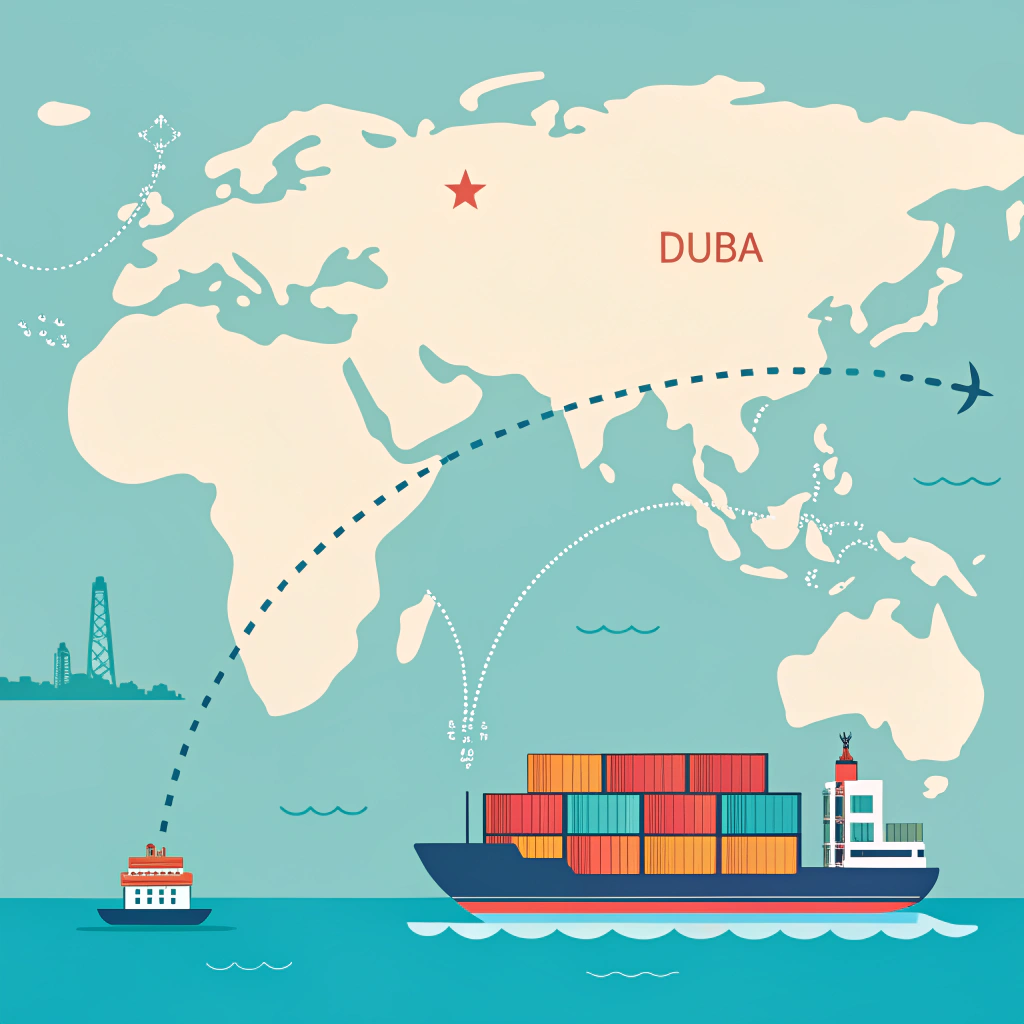
Sea shipment from China to Dubai typically involves a multi-step procedure: preparing and booking your shipment, completing export customs clearance, loading containers, sea transit, and finally, import customs clearance and delivery in Dubai. Below is an‑in-depth guide that explains each step in detail to help B2B procurement specialists streamline their sea freight process.
Navigating the sea shipment process can be complex, especially when dealing with international regulations and multiple stakeholders. This guide is designed for supply chain managers and procurement specialists who need reliable, cost-effective logistics solutions from China to Dubai. We break down all stages—from initial planning to final delivery—ensuring that you can optimize your shipping operations and minimize delays.
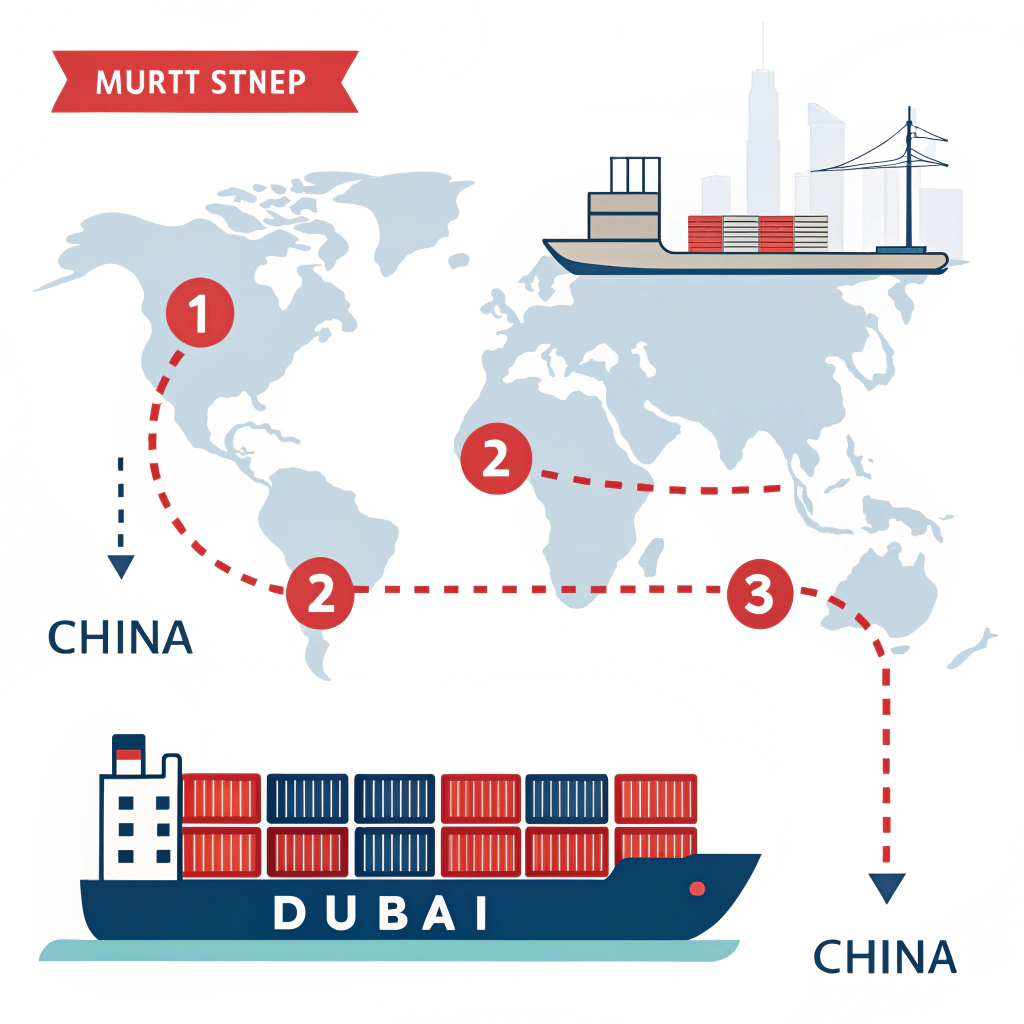
Before any cargo reaches the port, several preparatory steps must be taken to ensure a smooth process. Setting the stage correctly can help prevent costly errors and delays later in the shipment pipeline.
- Booking the Shipment: Contact your chosen freight forwarder and reserve space on a vessel. Due to the high volume of shipments, securing early booking is crucial.
- Documentation Requirements: Prepare essential documents such as the Bill of Lading1, Commercial Invoice, Packing List, and Export License (if required). Accurate documentation ensures compliance with both Chinese export regulations and Dubai import requirements.
- Incoterms: Clearly define and agree on the terms of shipment (for example, FOB, CIF, or EXW). Using the correct incoterms2 eliminates confusion regarding responsibility and costs during different shipping phases.
- Proper Packaging: Ensure your goods are packed in durable containers designed for sea transit. Overpacking or mispackaging can lead to damage during the long voyage.
- Container Inspection: Prior to loading, containers should be inspected for damage and cleanliness. This minimizes the risk of damage to goods or cargo contamination which may affect customs clearance.
- Expert Guidance: Choosing a reliable freight forwarder who is experienced with China-Dubai routes can make the process significantly smoother. They are responsible for organizing inland transport, booking container space, and handling documentation.
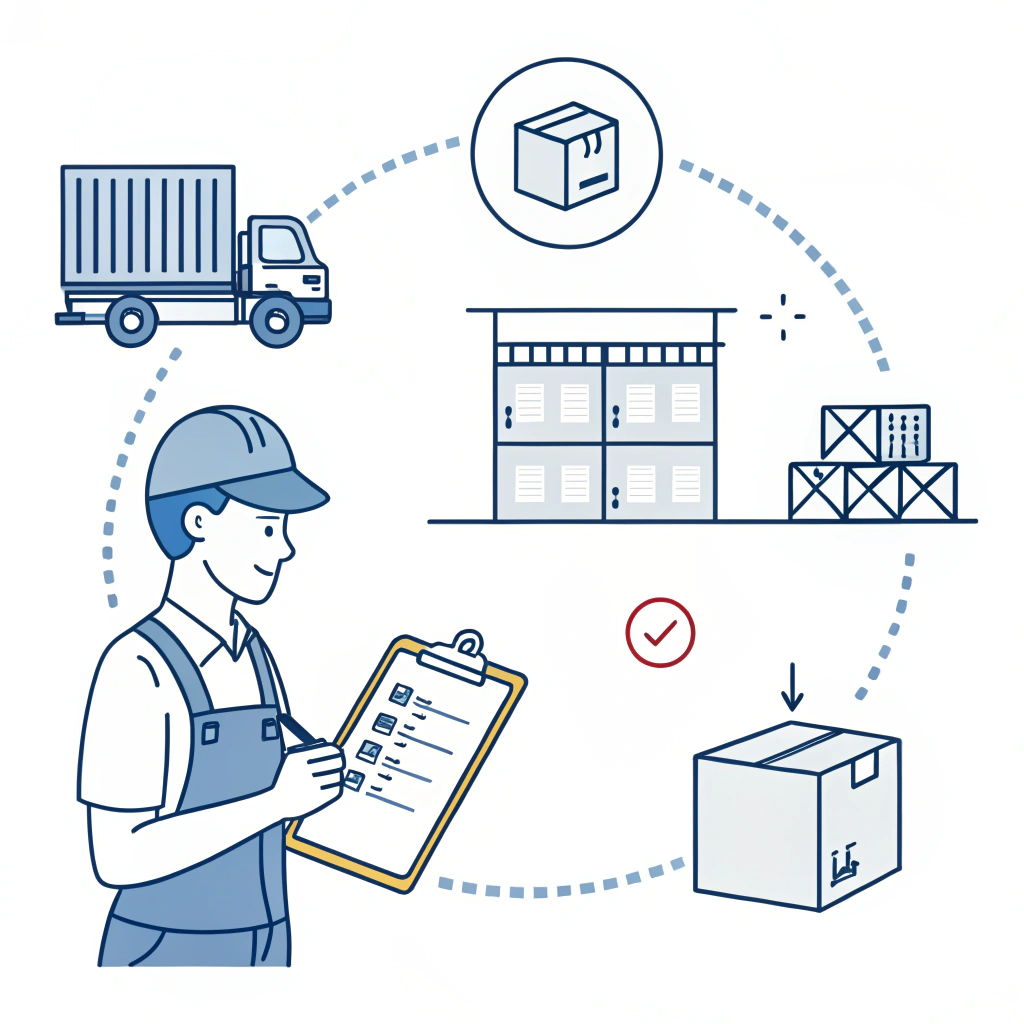
The export process in China is as important as the in-transit phase.
- Regulatory Compliance: The Chinese Customs3 require that all exported goods meet certain standards and regulations. Your shipment must be accompanied by accurate invoices and certification, particularly if the goods fall under special categories such as electronics or perishables.
- Submission of Documents: Submit the necessary documentation to local customs. This includes the Commercial Invoice, Packing List, and export declaration forms.
- Inspection: Customs may conduct a random inspection of your container to verify the contents against the documents. Any discrepancies may delay the process or incur fines.
- Electronic Data Verification: Modern Chinese customs now use electronic data submission, which speeds up the clearance process if all details are correct.
- Freight Forwarder Coordination: Your freight forwarder should double-check that all documents are complete and accurate. This proactive measure will reduce the risk of delays.
Once cleared, the goods move to the shipping stage—this involves physically loading the containers onto the vessel and ensuring everything is secured for the long voyage to Dubai.
- Cargo Consolidation: Depending on the size of your shipment, cargo may be consolidated with other shipments to optimize container space and reduce shipping costs.
- Securing Cargo: Loading personnel must ensure that the cargo is properly secured inside the container to prevent shifting, which could lead to damage during transit.
- Route Selection: Chicago to Dubai shipments from China typically follow efficient sea routes. Although there are several possible routes worldwide, for China to Dubai, cargo usually passes through strategic canals and straits such as the Suez Canal4.
- Transit Time: Sea freight from China to Dubai generally takes between 20 to 38 days. The transit time depends on the chosen shipping line, port congestion, and weather conditions.
- Tracking Systems: Modern shipping companies use advanced tracking systems5 that provide real-time updates on cargo location. This technology enables better planning and response in case of delays.
- Regular Communication: Maintain regular communication with your freight forwarder and shipping line for any customs updates, port congestion issues, or delays.
Below is a simplified table outlining typical transit times and steps:
| Stage | Estimated Time | Key Actions |
|---|---|---|
| Pre-Shipment Preparation | 2-7 days | Booking, Documentation, Packaging |
| Export Customs Clearance | 1-3 days | Document verification, Inspection |
| Container Loading | 1-2 days | Cargo consolidation, Securing goods |
| Sea Transit | 20-38 days | Vessel journey via Suez Canal |
| Import Customs Clearance | 1-5 days (depending on port) | Documentation, Inspection, Duties |
Once the vessel arrives at Dubai’s port, the focus shifts to import procedures and clearing customs before final delivery.
- Unloading Containers: At Dubai’s port, containers are unloaded and then moved to designated area for customs checks.
- Initial Inspection: Local customs authorities in Dubai may inspect the shipment to verify contents against provided documentation. Ensure that all documentation is available and correctly completed.
- Required Documents: Repeat the documentation verification process, ensuring that Import Permits, Customs Declarations, and Bill of Lading are consistent with the export documentation.
- Duties and Taxes: Calculate and arrange for any import duties, taxes, or fees that must be paid before the shipment can be released.
- Release of Goods: After customs clearance, the container is cleared for discharge. At this point, your shipment is ready for final distribution.
- Final Mile Logistics: Arrange inland transportation within Dubai or onward to your final destination. This step is crucial for timely delivery and customer satisfaction.
Clear and consistent communication among everyone involved—manufacturers, freight forwarders, customs brokers, and the port authorities—is central to avoiding missteps and managing delays efficiently.
- Accuracy in Documents: Inaccurate or incomplete documents are a major source of delays. Always double-check everything before dispatch.
- Regulatory Updates: Both Chinese exporting standards and Dubai’s import policies can change. Regularly review these regulations or consult with experts to stay compliant.
Utilizing tracking systems and digital documentation platforms can streamline both pre- and post-shipment processes. They also provide transparency and real-time insights that are crucial for proactive problem-solving.
Despite meticulous planning, delays might occur due to port congestion, weather conditions, or changes in customs regulation. Build buffer time into your project timelines to account for unexpected issues in sea shipment transit.
- Freight Costs: Understand that freight costs include multiple elements such as container fees, documentation fees, customs brokerage, and insurance.
- Cost Estimation Tools: Use cost estimation tables provided by many freight forwarders or online tools to get an accurate idea of your total costs. This will help in budgeting and price negotiations.
Consider a mid-sized electronics manufacturer based in China preparing a sea shipment to Dubai. By following a robust pre-shipment checklist, the company reduced its documentation errors by 35% over previous shipments. They also gained better cost predictability by working closely with a freight forwarder who provided consistent updates and tracking information. This proactive approach led to a decrease in shipment delays, ensuring a smoother supply chain process and improved customer satisfaction in Dubai.
- Case Data Insight: Companies with robust tracking and communication systems halve the risk of delays by ensuring immediate action when faced with potential bottlenecks.
- Ensure comprehensive documentation is completed accurately.
- Collaborate with experienced freight forwarders experienced in the China to Dubai shipping route.
- Use technology to effectively monitor your shipment in real time.
- Build in contingency plans to manage unexpected delays.
- Remain updated on regulatory changes in both export and import procedures.
These measures, when implemented effectively, can significantly enhance the reliability and speed of your sea shipment process, reducing overall costs and ensuring consistent supply chain performance.
How long does sea shipping take from China to Dubai?
Transit time for sea shipping from China to Dubai typically ranges from 20 to 38 days. This variation depends on the specific port of departure in China, the shipping line chosen, and current maritime conditions.
What is the procedure for sea shipment?
The procedure for sea shipment involves several critical steps. After booking and documentation, goods undergo export customs clearance in China followed by container loading. In transit, the container is monitored until reaching the destination port in Dubai, where it is unloaded and goes through import customs clearance before final delivery.
What is the sea freight route from China?
Sea freight from China uses several strategic routes. For shipments to Dubai, the Suez Canal is a major transit point. Other commonly used routes in global shipping include passages through key straits and canals such as the Malacca Strait, Panama Canal, and Strait of Gibraltar, depending on the final destination and shipping line chosen.
-
Bill of Lading: Reading the linked article will help you understand this essential shipping document that details cargo information, shipment terms, and serves as proof of the contract between the shipper and carrier. ↩ ↩
-
incoterms: Reading the linked article will provide insights on international commercial terms that define shipping responsibilities, cost allocation, and risk transfer between buyers and sellers. ↩ ↩
-
Chinese Customs: Reading the linked article will clarify the role of Chinese Customs in regulating export processes, ensuring compliance with export standards, and managing documentation verification. ↩ ↩
-
Suez Canal: Reading the linked article will give you a detailed overview of the Suez Canal’s significance as a major maritime route, its impact on global shipping timelines, and strategic advantages for trade. ↩ ↩
-
tracking systems: Reading the linked article will offer insights into modern tracking systems used in shipping, explaining how they provide real-time updates and improve supply chain transparency. ↩ ↩