
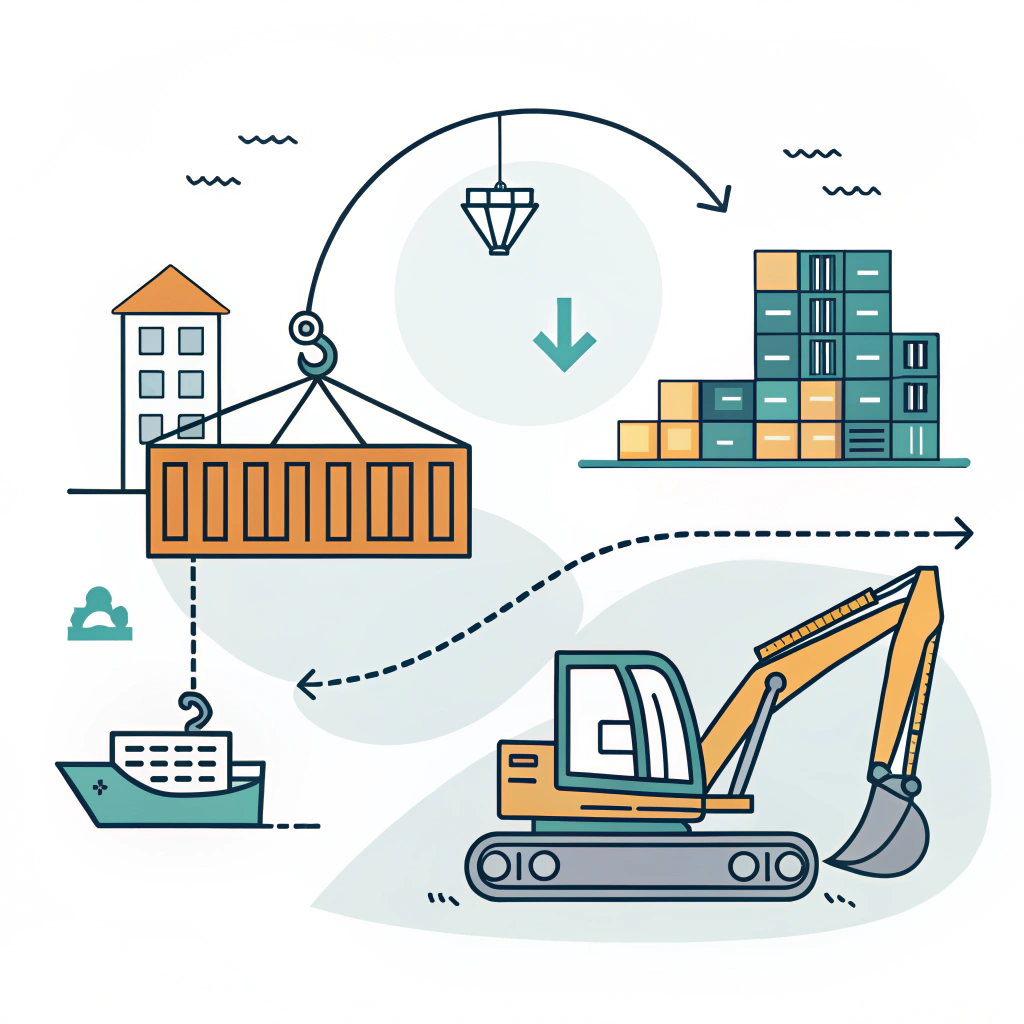
Shipping mini excavators from China to the USA can be efficiently achieved by comparing various shipping methods, carefully managing regulatory compliance, and planning logistics details. In short, the process involves selecting the right freight solution, ensuring proper documentation, and managing costs that typically average around $2.00–$3.50 per mile, though variable factors such as weight, dimensions, and distance play a significant role.
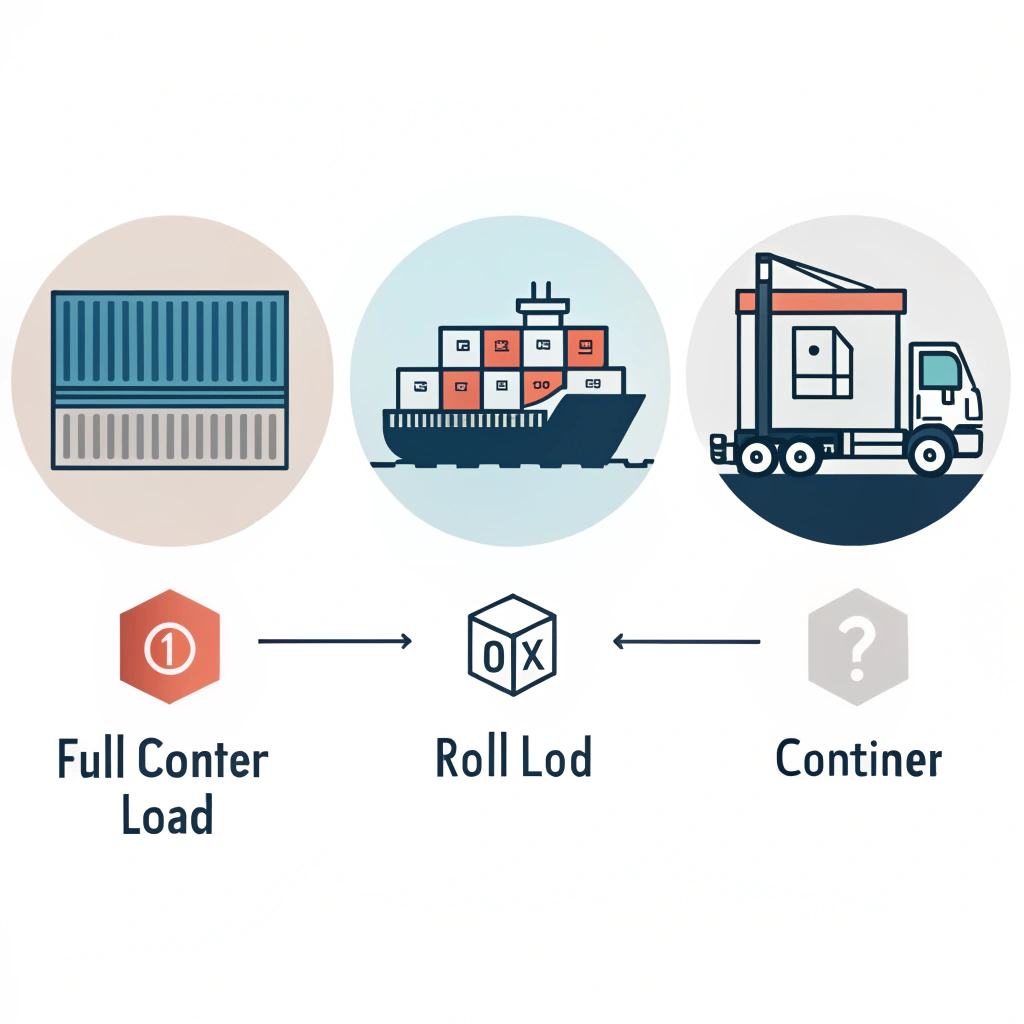
When planning your shipment, one of the initial challenges is determining the right shipping method that balances cost, transit time, and risk. When shipping a mini excavator, companies generally choose between full container load (FCL), less than container load (LCL), or roll-on roll-off (Ro-Ro) options. Each method offers distinct benefits and trade-offs, depending on your shipment size, budget, and urgency. In the following sections, we break down these options and discuss key considerations for shipping heavy equipment from China to the USA.
Shipping heavy equipment internationally involves several critical components that require your attention:
• International Shipping: This refers to the process of moving goods across national borders with a specific focus on regulatory and logistical challenges.
• Freight Forwarding1: Engaging with an experienced freight forwarder can help navigate through regulatory requirements and maintain cost efficiency.
• Customs Clearance: Effective Customs Clearance2 ensures that your mini excavator meets all import requirements and avoid delays or additional duties.
• Incoterms: Familiarity with shipping regulations and incoterms3 is essential for defining responsibilities between buyer and seller and mitigating risks.
It is also important to consider shipping regulations, import documentation, and trade compliance protocols mandated by both Chinese and US authorities, all of which can significantly impact the flow of your project.
Choosing the right shipping method is crucial for the timely and cost-effective transfer of your mini excavator. Below is a comparative table outlining the primary methods, their cost implications, and the associated risks.
| Shipping Method | Cost Range per Mile | Transit Time | Risk Level | Key Documentations |
|---|---|---|---|---|
| Full Container Load (FCL) | Moderate to High (depending on container type) | 20-40 days | Low | Bill of Lading4, Packing List |
| Less than Container Load (LCL) | Lower per shipment but potential consolidation fees | 30-50 days | Medium | Consolidated Bill of Lading, Customs Documents |
| Roll-on Roll-off (Ro-Ro) | Cost-effective for oversized items; variable pricing | 15-35 days | Medium-High | Shipping Manifest, Insurance Documents |
Each method has advantages. For example, FCL shipping provides greater security and faster customs clearance due to fewer cargo handling steps. Conversely, LCL might be attractive for smaller loads but it often involves shared container space and potentially longer transit times. Ro-Ro, on the other hand, can be a cost-effective alternative for heavy, wheeled equipment, yet it may come with higher risk exposure during transshipment.
When planning the shipping process, your decision must be informed by several key factors:
-
Equipment Size and Weight: Mini excavators vary in dimensions and weight, which will directly influence your choice of shipping method. Heavier or larger models may necessitate FCL or specialized Ro-Ro vessels.
-
Cost Considerations: Besides transportation fees—generally estimated at around $2.00–$3.50 per mile—there are additional costs like terminal handling charges, ocean freight surcharges, and inland transportation fees once the device reaches its destination.
-
Customs and Import Duties: U.S. customs require detailed documentation and duty payment. Make sure you work with a knowledgeable freight forwarder who can manage all necessary paperwork such as the Bill of Lading, Commercial Invoice, and Packing List.
-
Regulatory and Compliance Issues: Adhering to both Chinese export and U.S. import regulations is crucial. This includes compliance with U.S. safety and environmental standards. Stay updated on any changes in trade policies that might affect duty rates or documentation requirements.
-
Insurance: Given the value of heavy equipment, obtaining comprehensive shipping insurance is paramount to mitigate risks of damage or loss during transit.
-
Incoterms Agreement: Clearly defined incoterms specify the responsibilities of both the seller and buyer, from the loading of the excavator to final delivery. This clause helps in avoiding unforeseen costs and clarifying risk transfer points.
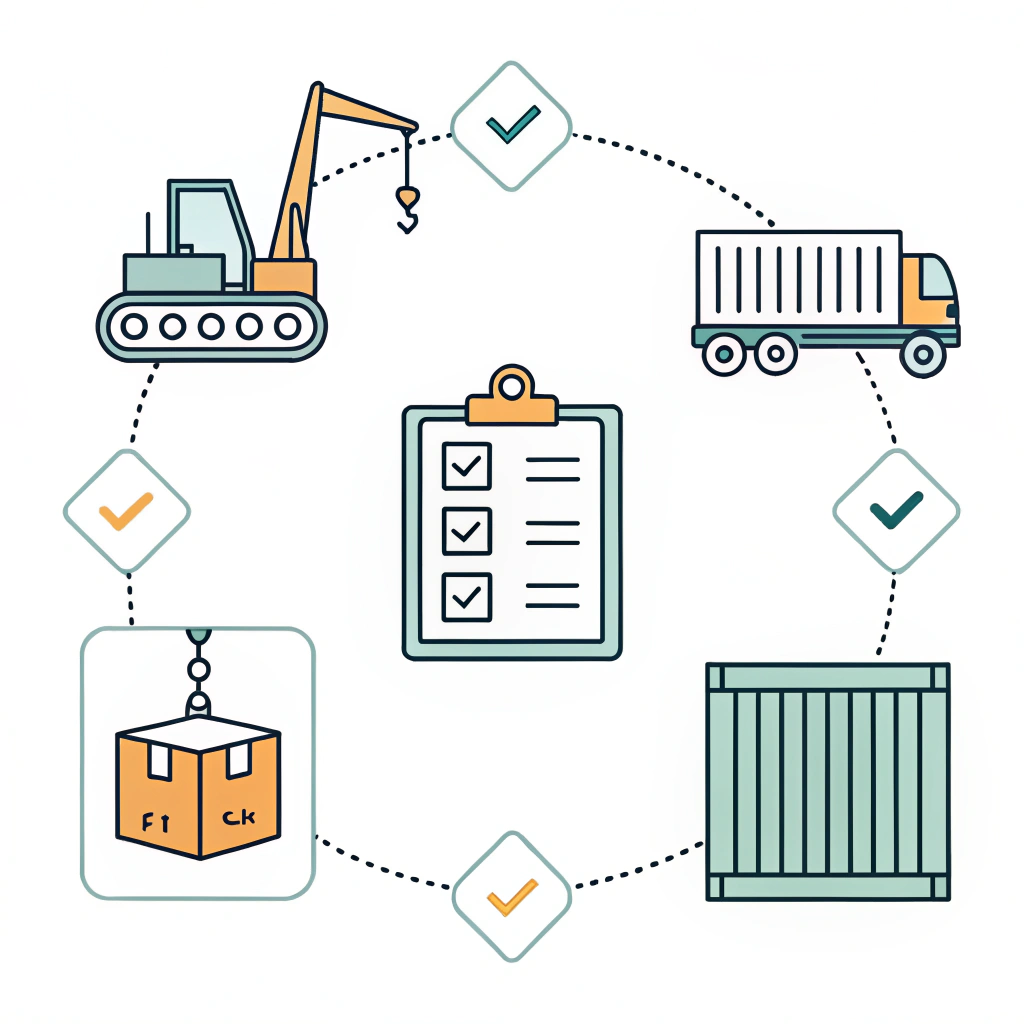
A detailed checklist with these considerations can help in evaluating your shipping options effectively. It also provides a structured approach to negotiate with carriers and service providers.
Following a strategic plan and adhering to best practices can ensure a seamless shipping experience. Here are some actionable tips to guide your process:
• Conduct a Comprehensive Pre-Shipment Inspection: Ensure that the mini excavator meets quality and safety standards prior to shipping.
• Collaborate with Experienced Freight Forwarders: Choose partners with proven experience in heavy equipment logistics. Their expertise will help mitigate risks associated with long-distance shipping and customs clearance.
• Prepare Thorough Documentation: Gather all necessary export and import documents in advance. This includes the Bill of Lading, Commercial Invoice, Packing List, and any additional certifications required by both countries.
• Negotiate Favorable Incoterms: Clarify responsibilities by negotiating incoterms that protect your interests, such as EXW, FOB, or CIF, depending on the specifics of your transaction.
• Plan for Delays: Factor in potential delays such as customs inspections or weather disruptions. Establish communication protocols with all parties involved to receive timely updates on shipping progress.
• Review and Secure Insurance Coverage: Avoid significant financial loss by ensuring your shipment is fully insured against all risks during transit.
A sample shipping checklist might look like:
| Step | Action Required | Responsible Party |
|---|---|---|
| Inspection | Pre-shipment quality and safety verification | Seller/Freight Forwarder |
| Documentation | Prepare and verify customs documents | Logistics Manager |
| Freight Booking | Confirm container or vessel bookings | Freight Forwarder |
| Incoterms Negotiation | Finalize risk and cost-sharing agreements | Buyer & Seller |
| Insurance Arrangement | Secure comprehensive shipping insurance | Buyer |
| Transit Monitoring | Track shipment and communicate for updates | Logistics Team |
Effective planning not only minimizes risks but also optimizes shipping efficiency, ultimately leading to reduced overall costs and timely equipment delivery.
Consider a scenario where a construction firm based in the USA needed to import a mini excavator from China amid tight schedule requirements and regulatory scrutiny. The firm opted for an FCL shipping solution despite slightly higher costs because it provided:
- Faster customs clearance due to minimal intra-container handling.
- Enhanced protection against damage.
- A clear chain of custody, thereby easing documentation for compliance.
Data from similar shipments suggests that, when managed efficiently, FCL routes can reduce overall transit delays by approximately 15-20% compared to consolidated LCL shipments. This time advantage often justifies the higher per-mile costs, especially in projects where downtime translates to significant financial repercussions.
In conclusion, shipping mini excavators from China to the USA involves strategic decision-making, where the choice between FCL, LCL, or Ro-Ro shipping methods must align with your logistical requirements, cost constraints, and risk appetite. Begin by evaluating the size and weight of your equipment, then opt for a shipping method that minimizes handling risks and ensures a smooth customs clearance process.
Action steps:
- Engage with a trusted freight forwarder who specializes in heavy equipment logistics.
- Clearly define your shipping terms using proper incoterms.
- Prepare all required documentation well ahead of the shipment date.
- Consider comprehensive insurance and plan for potential delays.
By taking a data-driven and proactive approach, you can streamline the sourcing and shipping process, ensuring your equipment reaches its destination as scheduled while complying with all necessary regulations. This can lead to a significant reduction in unforeseen costs and operational downtime, ultimately supporting better project outcomes for your company.
People Also Ask
Q: How much does it cost to transport a mini excavator?
A: Transporting a mini excavator generally costs between $2.00–$3.50 per mile, though the final rate can vary based on the weight, size, and overall distance of the shipment.
Q: Do I have to pay duty on items shipped from China to USA?
A: Yes, U.S. customs typically require payment of customs duty (or import tax) on goods imported from China, unless specific trade agreements exempt certain products.
Q: Why are excavators cheaper in China?
A: Excavators in China are often less expensive due to production economies of scale, which allow manufacturers to benefit from reduced production costs and competitive pricing structures.
-
Freight Forwarding: Learn more about the role of freight forwarding in international logistics, including how a reliable freight forwarder can streamline regulatory compliance and optimize shipping routes. ↩ ↩
-
Customs Clearance: Gain insights into customs clearance procedures to ensure your shipments meet all import regulations and avoid unexpected delays or fees. ↩ ↩
-
incoterms: Discover detailed information about incoterms to understand the responsibilities and risk-shares between buyers and sellers in global trade transactions. ↩ ↩
-
Bill of Lading: Click here to explore the importance of the Bill of Lading in shipping, its legal implications, and best practices for document management. ↩ ↩