

3.1 Understanding Different Types of Chinese Suppliers: Factories, Trading Companies, Wholesalers – Pros and Cons
When looking for suppliers in China, the first step is to understand the different types of suppliers to choose the most suitable partner based on your needs. The main types of suppliers in China are factories, trading companies, and wholesalers. Each type has its unique advantages and disadvantages. Let’s analyze them one by one.
3.1.1 Factory Suppliers
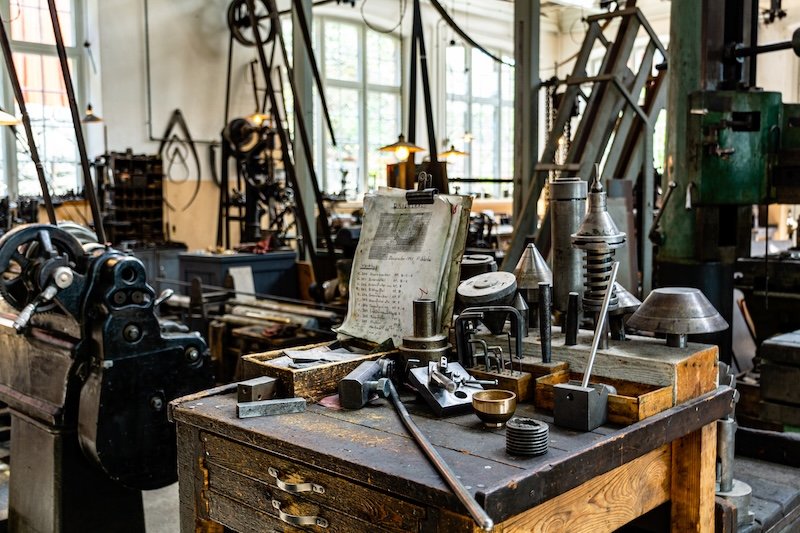
Definition: Factory suppliers are businesses directly engaged in manufacturing. They typically have their own production lines and factories, enabling them to independently handle the manufacturing, processing, and partial packaging of products.
Advantages:
- Price Advantage: With no middlemen involved, factory suppliers can offer more competitive prices. Especially for bulk purchases, factory wholesale prices tend to be more advantageous.
- Customization Capabilities: Factories have production lines that can customize products according to your specific requirements. This is particularly attractive for importers who need personalized products.
- Production Control: By working directly with the factory, you can communicate directly with the production line, allowing better control over product quality and production timelines.
Disadvantages:
- Communication Barriers: Some factories may have language barriers and may lack a professional international trade department, especially smaller factories.
- High Minimum Order Quantity (MOQ): Factories typically have higher MOQs, which could be a challenge for smaller or newer importers.
- Complex Supply Chain Management: If you only work with a factory, other stages like logistics, payments, and compliance checks usually need to be handled by you, making the supply chain management more complicated.
Ideal for:
- Larger order volumes, with the ability to handle higher MOQs.
- Importers with strict product quality requirements or specific product specifications.
- Importers with the capacity to manage the entire supply chain or those with a professional team to assist.
3.1.2 Trading Company Suppliers
Definition: Trading companies are intermediaries specializing in import/export trade. They don’t usually participate directly in production but work with multiple factories to source products for customers.
Advantages:
- Flexibility: Trading companies can offer a wide range of products because they typically have access to multiple supplier resources. They can flexibly coordinate according to customer needs.
- Intermediary Services: Trading companies usually handle orders, payments, shipping, and customs clearance, helping customers streamline processes and reduce communication costs.
- Lower MOQ: Since trading companies work with multiple suppliers, they often offer lower MOQs, which is ideal for small businesses or first-time importers.
Disadvantages:
- Higher Prices: Due to the intermediary role, trading companies typically charge higher prices than factories, especially for smaller orders.
- Limited Control: Since trading companies aren’t directly involved in production, they may have less control over product quality and delivery times.
- Information Asymmetry: Trading companies might not always provide detailed information about the factory or transparency in the production process, which can be problematic for buyers with high product quality demands.
Ideal for:
- Small businesses or cross-border e-commerce sellers making their first import, with limited budgets but a need for product variety.
- Importers looking for more flexibility and lower MOQ.
- Businesses that want to simplify the sourcing process and reduce the complexity of managing the supply chain.

3.1.3 Wholesaler Suppliers
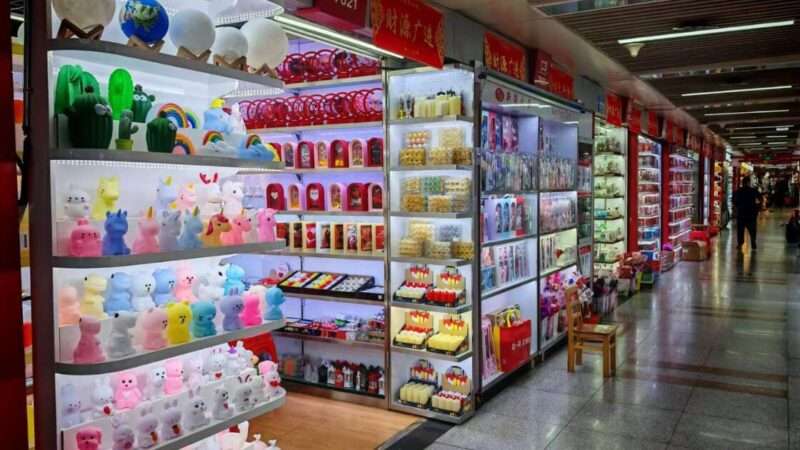
Definition: Wholesalers purchase products in bulk from different factories or trading companies and then sell them in large quantities to retailers or importers.
Advantages:
- Stock Availability: Wholesalers typically have products in stock, so their delivery times are shorter, making them ideal for businesses that need fast restocking.
- Diversified Sourcing Channels: Wholesalers often have long-term relationships with multiple factories and suppliers, offering a wide variety of products. They’re suited for businesses looking to buy in bulk.
- Lower Procurement Risk: Since wholesalers often have larger inventories, they can guarantee supply stability, reducing the uncertainties involved in production.
Disadvantages:
- Higher Prices: Wholesalers add a profit margin on top of the product cost, so their prices are usually higher than those of factories.
- Limited Customization: Most products from wholesalers are either in stock or mass-produced, making them less likely to offer highly customized services. If you need tailored products, wholesalers may not be suitable.
- Inconsistent Product Quality: Since wholesalers source from multiple suppliers, the product quality may vary, requiring extra caution when selecting products.
Ideal for:
- Businesses that need to quickly procure products in large quantities, especially retailers or e-commerce sellers.
- Importers who don’t want to take the risk of custom production and prefer ready-to-ship stock.
- Businesses looking to simplify supply chain management and reduce the hassle of dealing with multiple factories.
Summary: Choosing the Right Supplier
Selecting the right type of supplier depends on your order volume, customization needs, budget, and the level of control you require over the supply chain. Here are some suggestions for choosing between the different types of suppliers:
- If you have larger order volumes and can handle higher MOQs, and have strict quality control requirements, a factory supplier is the best choice.
- If you’re a small business, want a lower MOQ, and need to simplify the import process, consider working with a trading company.
- If you need ready stock and a variety of products in bulk, wholesalers are a good option.
Choosing the right supplier can improve sourcing efficiency, reduce costs, and ensure product quality. If you’re unsure about which supplier to choose, Mangors Sourcing offers professional supplier screening services to help you find the most suitable partner.
3.2 What Are the Principles for Choosing Suppliers? Do I Need the Cheapest Price?
When selecting suppliers, many businesses might instinctively think that the lowest price is the most important factor. After all, price directly impacts costs and profits. However, in practice, solely chasing the lowest price can lead to a series of problems. The ideal supplier should offer value for money, not just the lowest price. Let’s take a look at some key principles to consider when selecting a supplier.
3.2.1 Price Is Not the Only Factor: Focus on Cost-Performance Ratio
Although price is important, it is by no means the only factor to consider when choosing a supplier. What we are looking for is the cost-performance ratio — the balance between the product’s quality and its price. Choosing a supplier with poor quality and low prices might save you some costs in the short term, but if issues such as quality problems, delivery delays, or poor after-sales service arise, the losses could far outweigh the money you saved.
Example: Suppose you’re buying a batch of thermos cups that cost $30 retail, with a procurement cost of $7. If you choose the supplier with the lowest price, your procurement cost might drop to $5, but with poor quality (e.g., poor insulation), you’ll face customer complaints and returns. Ultimately, the losses would be much greater than the few dollars saved.
So, when choosing a supplier, don’t just focus on the price. Consider multiple factors such as quality, service, and delivery time. A supplier with a low price might have risks in other areas that could hurt your long-term profits and customer satisfaction.

3.2.2 Communication Efficiency and After-Sales Service: The Key to Supplier Selection
Good communication is a critical factor when choosing a supplier. Communication with suppliers is not just about confirming prices and delivery dates; it’s about collaboration and problem-solving throughout the entire procurement process. A supplier with good communication can help you avoid many unnecessary issues, especially in international trade where cultural differences and time zone challenges can complicate matters. Poor communication can lead to misunderstandings, delays, and mistakes.
Key Points:
- Response Speed: A good supplier should be able to respond promptly to your inquiries, issues, and concerns. Fast responses mean you can solve problems quickly and avoid delays in production or sales.
- Transparency: Suppliers should be able to provide clear updates on production progress, logistics status, and any factors that could affect delivery. Transparent communication helps you stay in control and make timely adjustments when necessary.
- Problem-Solving Ability: A good supplier should act quickly to resolve issues, not make excuses or delay actions. When problems like quality issues, delivery delays, or unforeseen situations arise, effective communication will ensure they are addressed promptly, minimizing losses and improving efficiency.
Example: An e-commerce seller recently worked with a new supplier, but some thermos cups in the order had quality issues. The supplier responded immediately to the problem, offered a return and replacement service, and identified the issue in the production process. After adjusting the production line, the seller was able to relaunch the product on time, avoiding sales delays and losses.
When selecting a supplier, make sure to prioritize communication efficiency. A supplier who can quickly respond, solve problems, and maintain transparent communication will offer more stability and reliability throughout the complex import process.
3.2.3 Supplier Reliability and Stability
While price and communication efficiency are important, a supplier’s reliability and stability are also critical factors. A reliable supplier not only delivers on time but also ensures stable product quality. If a supplier frequently delays deliveries or has inconsistent quality, it can disrupt your entire supply chain, impact customer experience, and harm your brand reputation.
Key Points:
- Delivery Time: Can the supplier deliver on time? Delays not only affect customer satisfaction but can also result in missed sales opportunities during peak seasons.
- Quality Consistency: Is the product quality stable and consistent? Recurring quality issues can lead to returns, complaints, and damage to your brand’s image.
Example: An e-commerce seller chose a cheap supplier, but the supplier had long delivery times and unstable quality. There were frequent color discrepancies and packaging issues, leading to frequent customer complaints. As a result, the seller had to find another supplier, wasting a lot of time and money.
3.2.4 Supplier’s Production Capacity and Flexibility
Another important factor when selecting a supplier is their production capacity and flexibility. If you have large or fluctuating order volumes, will the supplier be able to meet your needs? Can they adjust their production plans quickly to ensure consistent supply?
Key Points:
- Production Capacity: Can the supplier handle your large orders on time? A supplier’s production capacity determines whether they can meet your delivery deadlines.
- Flexibility: Can the supplier quickly adjust production levels if your demand fluctuates? If your order volume changes within a short period, can the supplier respond flexibly?
Example: Let’s say your thermos cup orders surge during the Christmas season. If you choose a supplier with strong production capacity and flexibility, they will be able to ensure a steady supply during peak seasons and prevent you from missing out on sales opportunities due to production limitations.
3.2.5 Supplier’s Certification and Compliance
Regardless of the product you’re importing, it’s crucial to ensure the supplier meets necessary certification and compliance requirements. Different countries have various regulations for imported products, and choosing a supplier that complies with these certifications can help you avoid customs issues or product recalls.
Examples:
- In the U.S., food, drugs, and medical devices need FDA certification.
- In Europe, electronics must comply with CE certification.
Example: If you’re importing electronics without CE certification, you could face customs rejection in Europe, or even product recalls. Therefore, always verify that your supplier can provide the necessary certification documents before proceeding.
Conclusion: Key Principles for Choosing a Supplier
When choosing a supplier, while price is important, the following factors are more critical:
- Cost-Performance Ratio: Don’t just focus on price; consider the balance between quality, service, and cost.
- Good Communication: Ensure the supplier responds quickly, handles problems efficiently, and maintains transparent communication to resolve issues quickly.
- Reliability and Stability: Choose a supplier who can deliver on time and maintain consistent quality.
- Production Capacity and Flexibility: Ensure the supplier can handle fluctuating orders and maintain a steady supply.
- Certification and Compliance: Ensure the supplier meets the relevant certification and regulatory requirements for your target market.
If you are unsure about how to select the right supplier, Mangors Sourcing can provide professional supplier screening services to help you find the best partner for your supply chain.
3.3 Avoiding Scams: Supplier Background Checks and Credit Verification
In international trade, especially when working with Chinese suppliers, preventing fraud is a critical aspect that every buyer must remain vigilant about. Due to the complexity of cross-border transactions, time zone differences, language barriers, and other issues, many novice buyers may overlook supplier background checks, leading to financial loss or unnecessary problems. Thus, conducting effective supplier background research and credit checks is a vital step when selecting a supplier.
3.3.1 Why Is Supplier Background Check So Important?
Many importers, especially when dealing with Chinese suppliers for the first time, may focus more on price and delivery times, neglecting the supplier’s qualifications and reputation. However, when problems such as supplier disappearance, substandard goods, or a paid deposit without receiving any goods arise, the damage can be severe.
The key to fraud prevention lies in:
- Confirming the Supplier’s Existence: Through background checks, verify if the supplier has a legitimate business, factory address, and valid contact information.
- Understanding the Supplier’s Operating History: A supplier with a rich business history and international order experience can help reduce risks.
- Avoiding False Advertisements: Some unqualified suppliers may attract buyers with fake advertisements. Background checks can help expose these fraudulent claims.
3.3.2 How to Conduct Supplier Background Checks?
Supplier background checks can be divided into several levels. Here are some basic methods to carry out a supplier investigation:
Verifying Company Qualifications
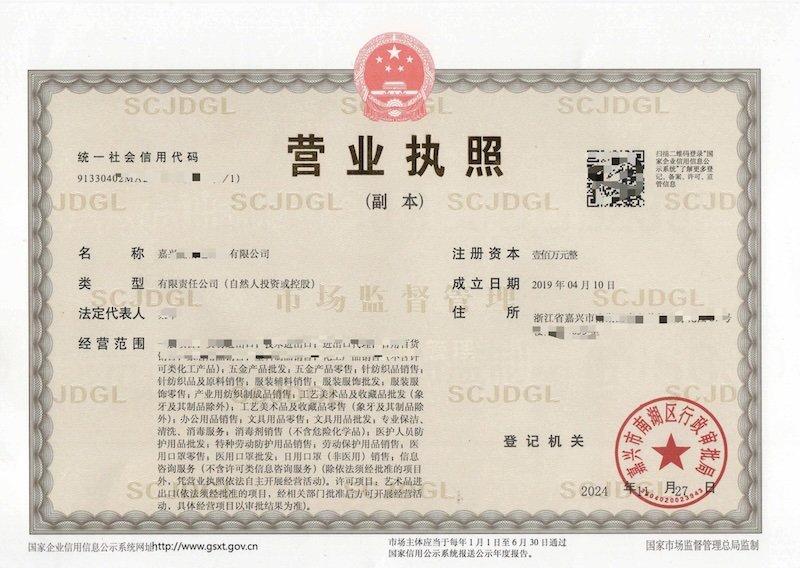
- Company Registration Information: Check if the supplier is registered with the relevant authorities, and verify the scope and details of their registration. In China, you can search for company details on the “National Enterprise Credit Information Publicity System” to ensure the supplier is legally registered and that the details match the information they provide.
- Business License: Ask the supplier to provide a copy of their business license and check if the registration number, business scope, and legal representative match the actual situation.
Checking Supplier Credit History
- Alibaba’s Credit System: Platforms like Alibaba provide credit ratings for suppliers. You can view the supplier’s rating, transaction history, and customer reviews. High-rated suppliers usually have better compliance records.
- Customer Reviews and Cases: Ask the supplier to provide references or contact details of previous clients to understand their experience with the supplier, including service, quality, and delivery.
- Reference Cases: Look for case studies provided by the supplier to assess whether they have handled similar projects or orders before.
Example of business license for a Chinese company:
On-Site Inspection
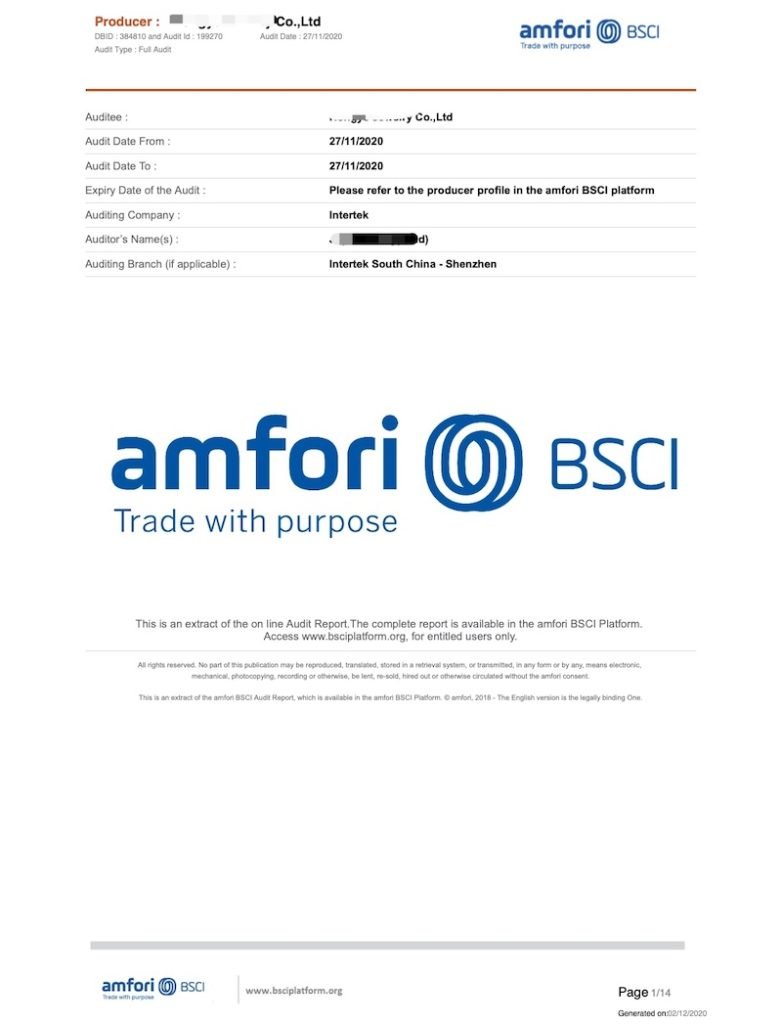
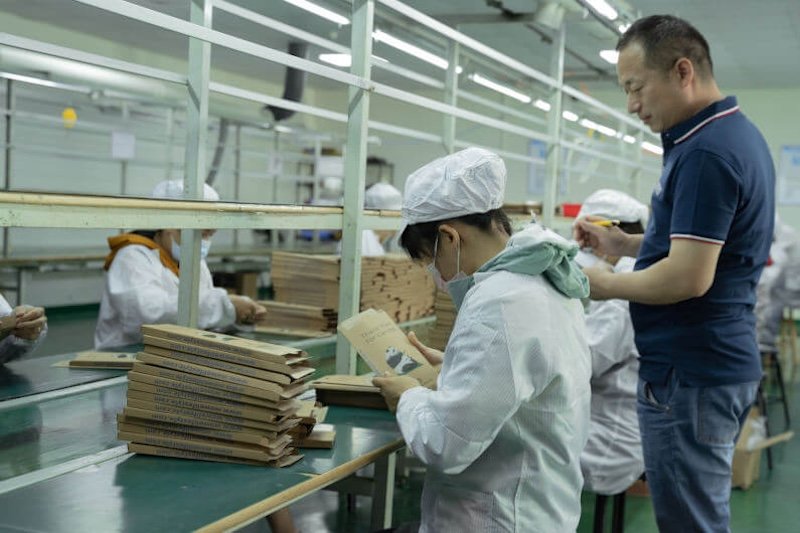
If possible, conduct an on-site visit or commission a third-party inspection to check the supplier’s factory, production capacity, and warehousing facilities. An on-site inspection provides a direct look at the supplier’s operation scale and production status, helping to avoid the risk of dealing with a “shell company.”
Example of on-site factory audit:
3.3.3 Common Supplier Fraud Tactics
Understanding common supplier fraud tactics is an important part of risk prevention. Here are some common scams that you should be aware of:
Supplier Disappearance
Some suppliers may suddenly disappear after you pay a deposit. This often happens when dealing with suppliers who have no solid credit history.
How to Avoid This:
- Verify supplier contact information through multiple channels, including email, phone, and physical address.
- Avoid paying large amounts upfront before verifying the legitimacy of the supplier. Opt for a small initial deposit or staggered payments instead.
Counterfeit Brands or Fake Certifications
Some suppliers may forge certifications, trademarks, or patents to appear more qualified and trustworthy. For example, they may present fake CE certifications or ISO certificates to gain buyers’ trust.
How to Avoid This:
- Require suppliers to provide authentic certification documents and verify their authenticity with the certifying agency.
- Check whether the supplier can provide valid brand authorization or product compliance certificates.
Low-Price Trap
Some suppliers may attract buyers with exceptionally low prices, but upon delivery, the product quality may fall far below expectations or fail to meet basic standards.
How to Avoid This:
- Don’t choose suppliers based solely on price, especially when prices are much lower than the market average. Low prices may indicate poor quality or non-compliant products.
- Request samples before placing a large order to verify the product quality.
3.3.4 Real Case: The Cost of Not Conducting Supplier Research
Mangors once assisted a client from Las Vegas, Mr. K, with a supplier background check. This case occurred in 2020 when Mr. K urgently needed to source pandemic-related products. He reached an agreement with a supplier from China without conducting a thorough background check and paid a deposit of over $80,000. However, after payment, the supplier disappeared, not answering phone calls or emails.
Mr. K then asked Mangors to investigate the supplier. After a detailed background check, we discovered that the company was registered at a virtual address in Hong Kong, and its bank account was in a third country. There was no traceable contact person. It turned out that the company was not a legitimate operating business but a “shell company.” Unfortunately, Mr. K’s $80,000 deposit was irretrievable, causing significant losses.
This experience deeply taught Mr. K the importance of supplier background checks. Afterwards, for his China imports, he either worked directly with Mangors or requested us to conduct an on-site visit before placing any orders. This ensured that every supplier was thoroughly vetted and helped him avoid similar losses.
This case illustrates the risks of not conducting supplier checks and serves as a reminder to all importers: always perform thorough background checks and credit evaluations before paying a deposit.
3.3.5 If You’re Unsure How to Conduct Supplier Research, Consult Mangors Sourcing
If you’re unsure how to perform a supplier background check or credit evaluation, Mangors Sourcing can provide professional supplier screening services. We can help you gather detailed information from multiple channels, verify qualifications, and ensure you’re working with a reliable partner.
By using our supplier background check services, you can reduce risk, avoid fraud, and ensure smooth cooperation, stabilizing your import business.
Conclusion
Supplier background checks and credit evaluations are the first step in preventing fraud and reducing procurement risks. By carefully verifying a supplier’s qualifications, credit history, customer feedback, and production capabilities, you can effectively avoid potential fraud risks and choose a trustworthy supplier. Remember, good supplier relationships are built not only on price but also on trust and transparent communication.
If you’re unsure how to conduct supplier checks, Mangors Sourcing is here to provide full support, ensuring that you find the most reliable partners and complete every import transaction successfully.
3.4 Method 1: Finding Suppliers Through Online Platforms (e.g., Alibaba.com)
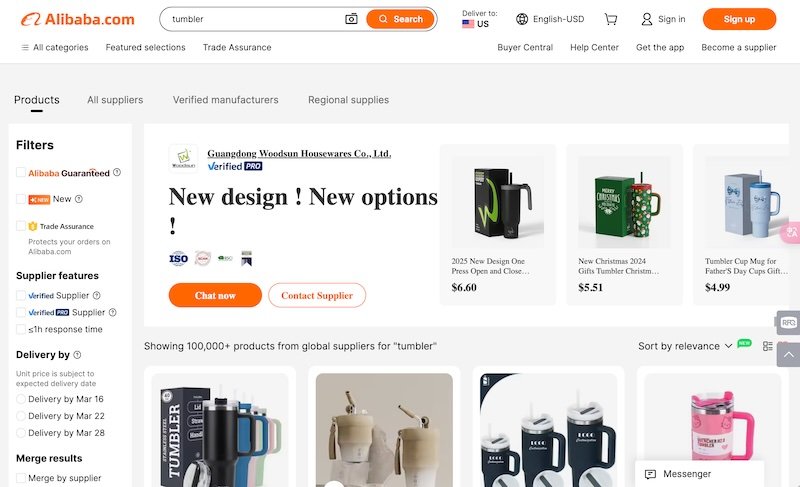
When it comes to sourcing from China, Alibaba.com is one of the largest B2B platforms, offering a massive supplier database and various tools to help buyers connect with manufacturers. This section will guide you through the process of finding the right supplier on Alibaba.com, using tumblers as an example.
3.4.1 Get Started – Define Your Requirements
First, visit Alibaba.com (https://www.alibaba.com). If you don’t have an account, sign up for one. Then, use the search bar to look for your product:
- Tumbler
- Insulated Tumbler
Before diving into supplier selection, be clear about your requirements:
- Product type – Stainless steel, plastic, glass, etc.
- MOQ (Minimum Order Quantity) – The minimum number of units you need to order.
- Quality standards – Do you need FDA, CE, or other certifications?
- Budget – Your target price range.
- Lead time – How soon do you need the products?
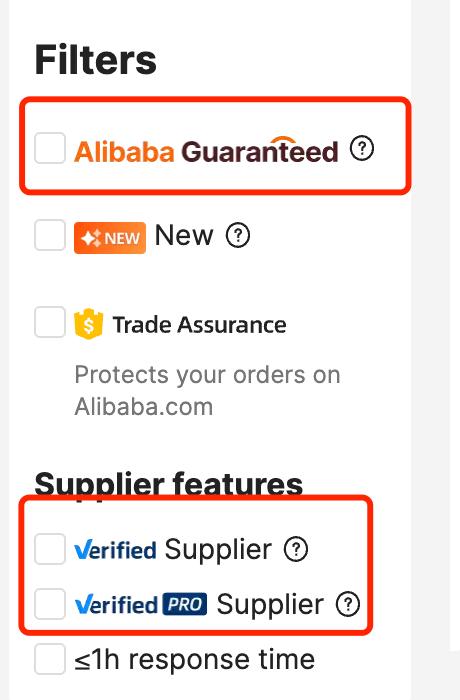
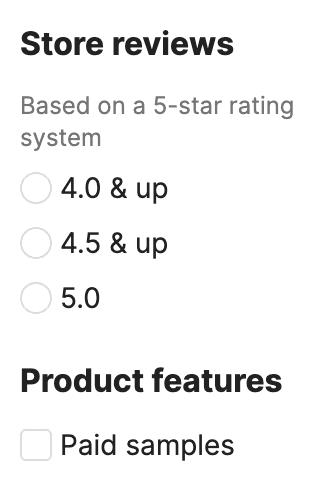
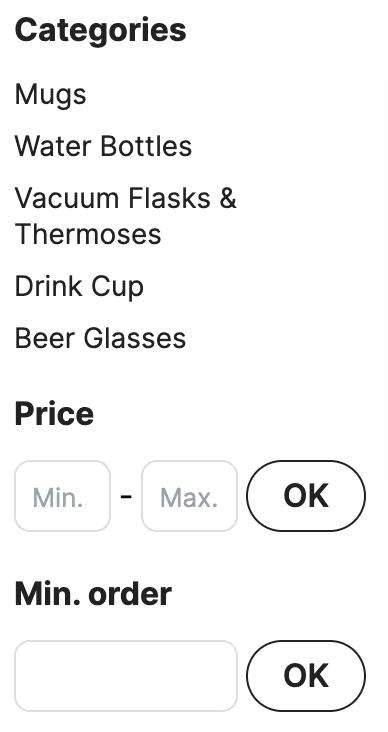
3.4.2 Use Filters to Narrow Down Suppliers
Alibaba provides various filtering options to help you refine your search:
- Verified suppliers – Choose “Gold Supplier” or “Verified Supplier” for more reliable vendors.
- MOQ – If you’re a small buyer, look for suppliers with low MOQ.
- Supplier location – If you prefer factories in specific areas (e.g., Guangdong or Zhejiang, known for strong manufacturing capabilities), you can filter by region.
- Supplier type – Choose “Manufacturer” instead of “Trading Company” if you want to work directly with factories.
- Certifications – If your product requires certifications like FDA or CE, filter for suppliers that provide them.
3.4.3 Review Product Listings and Pricing
Once you find potential suppliers, click on their product pages and check:
- Product details – Ensure specifications and materials match your needs (e.g., stainless steel vs. plastic).
- Pricing – Pay attention to price ranges. Some suppliers list lower prices to attract buyers, but hidden costs like packaging and logistics may apply.
- MOQ – If a supplier’s MOQ is 500 units but you only need 100, you may need to negotiate or look elsewhere.
- Lead time – Confirm production time, especially if you’re on a tight schedule.
- Samples – Always request samples before placing a bulk order to check product quality. Most suppliers offer samples, but you’ll need to cover the cost and shipping fees.
3.4.4 Contact Suppliers and Ask Key Questions
After shortlisting suppliers, contact them via Alibaba TradeManager or email. Ask about:
- Customization options – Can they add your logo, change colors, or modify the design?
- Production and shipping timeline – How long will manufacturing take?
- Quality control – How do they ensure consistent product quality?
- MOQ flexibility – Can they offer smaller trial orders?
- Payment options – Do they support Alibaba Trade Assurance?
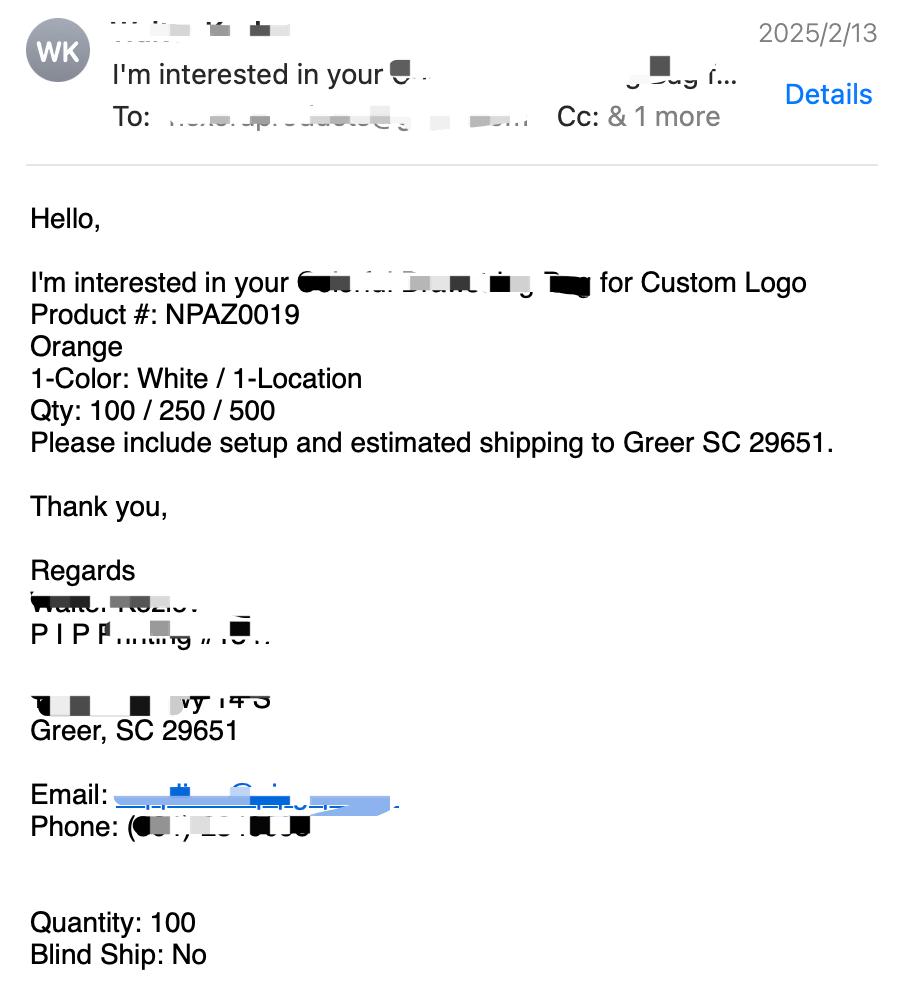
Pro Tip: Be professional and provide clear details about your order. Suppliers are more likely to take you seriously if they see you as a potential long-term partner.
Example of a professional inquiry:
3.4.5 Check Supplier Reputation and Reviews
Alibaba offers ratings and customer reviews for each supplier. Pay attention to:
- Supplier rating – Higher ratings generally indicate better reliability.
- Customer feedback – Read comments on product quality, shipping times, and service.
- Transaction volume – Suppliers with higher sales volumes are usually more experienced in handling international orders.
3.4.6 Secure Your Order with a Contract and Trade Assurance
Once you finalize a supplier, don’t rely on verbal agreements—always have written terms in place.
- Sign a contract – Clearly define pricing, quality expectations, and delivery deadlines.
- Use Trade Assurance – This Alibaba service protects your payment. If the supplier fails to meet contract terms, you can request a refund.
Key Takeaways
Finding suppliers on Alibaba.com is a fast and convenient method, but caution is necessary.
- Use filters to identify trustworthy suppliers.
- Check product details and confirm specifications, MOQ, and lead time.
- Communicate with suppliers to clarify terms and assess professionalism.
- Review supplier ratings and past transactions to gauge reliability.
- Use Trade Assurance for safer transactions.
If you’re unsure about supplier selection or need a more thorough verification process, Mangors Sourcing can help vet suppliers, negotiate better deals, and ensure smooth transactions.
3.5 Method 2: Using Search Engines to Find Suppliers
Besides Alibaba.com, another effective way to find suppliers is by using search engines like Google or Bing. This method is more flexible and is ideal for experienced buyers or those who want to find independent suppliers outside major B2B platforms. By searching directly, you can access manufacturer websites, company contact details, and product catalogs. Here’s how you can efficiently use search engines to locate reliable suppliers.
3.5.1 Choosing the Right Keywords
Unlike B2B platforms, search engines don’t automatically filter suppliers, so choosing the right keywords is crucial. Here are some useful search phrases for sourcing tumblers:
- Tumbler manufacturer in China
- Custom insulated tumbler suppliers
- Wholesale tumblers China
- Stainless steel tumbler suppliers
- Tumbler supplier OEM ODM
You can refine your search further based on specific needs:
- “Eco-friendly tumbler manufacturer China” → For sustainable products
- “Double-wall tumbler supplier” → For high-quality, insulated tumblers
- “Bulk custom logo tumbler manufacturer” → For branding and private label options
A well-crafted keyword ensures that your search results align with your product and business goals.
3.5.2 Evaluating and Selecting Reliable Suppliers
Once you find potential suppliers, carefully screen and verify them before making a decision.
Step 1: Check the Company Website
Visit the supplier’s official website and look for:
- Company Overview – When was the company founded? Is it a factory or a trading company? Established manufacturers are generally more reliable.
- Product Catalog – Review their product range and specifications to see if they meet your requirements.
- Certifications – Check if they have ISO, CE, FDA, or other required certificates for your target market.
- Contact Information – A legitimate supplier should provide valid phone numbers, emails, and a business address. If they only have a generic email like Gmail or Yahoo, be cautious.
Step 2: Contact the Supplier
Once you shortlist potential suppliers, reach out via email or chat apps (e.g., WhatsApp, Skype, or WeChat) and observe how they respond.
- Fast Response = More Reliable – If a supplier replies quickly and professionally, it’s a good sign. If they take days to reply or give vague answers, that’s a red flag.
- Request Product Details – Ask for specifications, pricing, MOQ, lead time, and any certifications they have.
- Negotiate a Sample Order – Before making a large purchase, request samples to test quality.
Key Takeaways
Using search engines to find suppliers offers greater flexibility, but it also requires more effort in verifying reliability. To avoid scams and poor-quality suppliers, always:
- Use precise search terms to get better results.
- Check supplier websites carefully for legitimacy.
- Communicate professionally and observe their responsiveness.
- Request samples to assess product quality before committing.
If you find it challenging to verify suppliers on your own, Mangors Sourcing can help with supplier vetting and negotiation to ensure a safer and more efficient sourcing experience.
3.6 Method 3: Using Customs Data Websites (e.g., Import Yeti) to Precisely Identify Suppliers
Another effective way to find reliable suppliers is by using customs data websites like Import Yeti. These platforms collect and analyze global trade data, providing detailed import records, including product types, supplier information, and transaction volumes. With this data, you can directly identify suppliers that are already selling products in your target market, rather than relying on random online searches.
How to Use Customs Data Websites to Find Suppliers
- Step 1: Choose the Right Platform
There are several customs data platforms available, but Import Yeti is one of the easiest to use. You can search for specific product import data by entering keywords like “tumbler” or “insulated bottle” to see which suppliers have already exported these products to different countries. :contentReference[oaicite:5]{index=5} - Step 2: Search for Relevant Products and Industries
Enter your product keyword in the search bar. For example, if you’re looking for suppliers of tumblers, type “tumbler supplier” or “insulated bottle manufacturer” and review the import records provided. These records typically include details such as buyer names, supplier names, transaction dates, and product descriptions. :contentReference[oaicite:6]{index=6} - Step 3: Filter and Contact Suppliers
Once you have identified suppliers with a strong export record, refine your selection by looking at their trade volume and consistency. A supplier with frequent shipments is often more reliable than one with only occasional exports. After narrowing down your options, use the contact details provided in the records to reach out to potential suppliers and discuss possible collaboration. :contentReference[oaicite:7]{index=7}
Example
If you want to find the supplier of HydroJug, go to Import Yeti and enter “HydroJug” in the search bar.
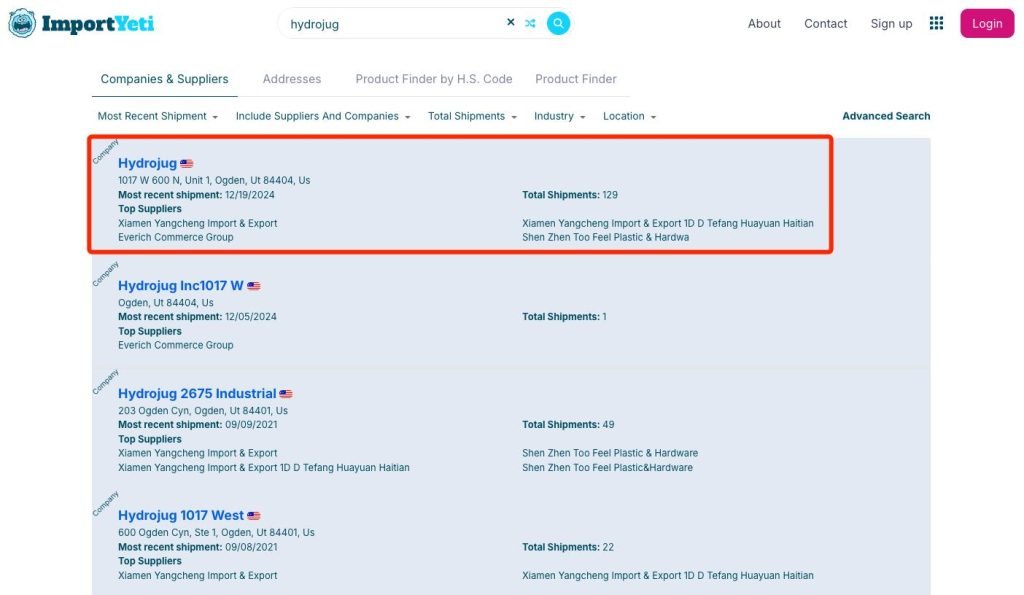
The first result in the list is likely the supplier you’re looking for. Click on it to view details about HydroJug’s main supplier. Using this method, you can directly locate your competitors’ suppliers, ensuring that you work with a factory that has already produced similar‑quality products. This minimizes trial and error when selecting a manufacturer.
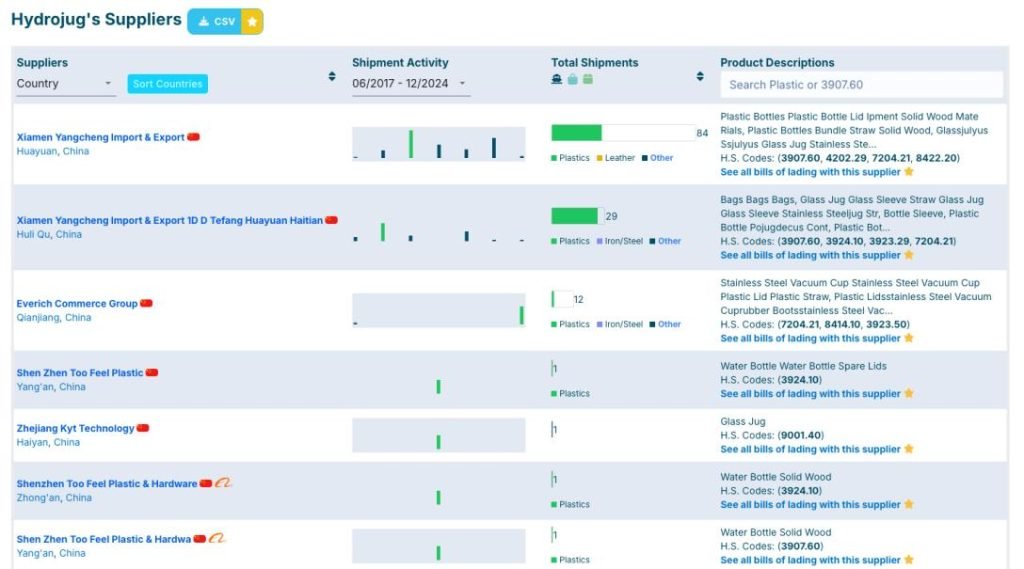
Conclusion
Using customs data websites like Import Yeti allows you to find suppliers with real export records, making it a more accurate method compared to standard online searches. This approach is particularly useful if you want to work with an experienced supplier and reduce the risks of dealing with unknown manufacturers.
3.7 Method 4: Offline Channels – Attending Trade Shows (Canton Fair, Hong Kong Gifts & Premium Fair) and Industry Cluster Markets (Yiwu Market)
3.7.1 Attending Trade Shows
Trade shows are an excellent way for importers to connect with suppliers, inspect product quality, and negotiate business deals. Among them, the Canton Fair (China Import and Export Fair) is one of the most influential trade shows in the world.
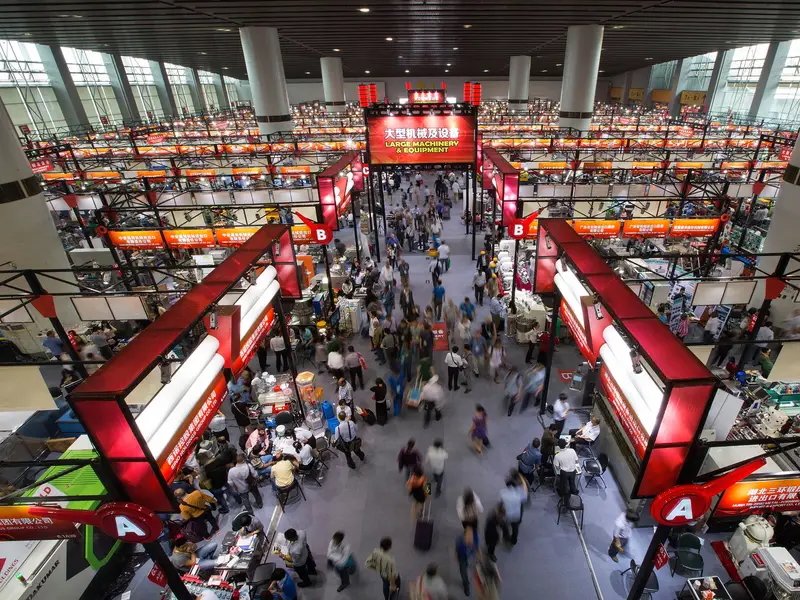
The Global Status of the Canton Fair
Established in 1957, the Canton Fair has grown into the largest and most influential trade fair in the world, attracting thousands of buyers and suppliers every year. The event covers almost all industries, from consumer electronics, home goods, and everyday products to machinery and tools. Held every spring and autumn, the Canton Fair serves as a major hub connecting global buyers with Chinese suppliers.
The Canton Fair holds a crucial position in international trade. It not only showcases the strength of Chinese manufacturers but also provides a highly efficient purchasing channel for global buyers. Many well-known international brands and retailers source their products from this event.
Why Is the Canton Fair So Important?
- A Global Buyer Hub: The fair attracts buyers from over 200 countries, making it one of the world’s key trade events. No matter where you are, you can find the right suppliers here.
- Wide Product Categories: The fair features products across multiple industries, from electronics and appliances to consumer goods and industrial equipment, covering nearly all purchasing needs.
- High-Quality Suppliers: Most suppliers at the fair are carefully selected and have strong production capabilities with stable quality control.
- Showcasing the Latest Products: Many Chinese suppliers use the Canton Fair to showcase their newest innovations, helping buyers stay ahead of market trends.
- Face-to-Face Negotiations: Unlike online sourcing, trade shows allow direct negotiations with suppliers, helping you discuss pricing, lead times, and customization options more effectively.
How to Attend and Plan Your Trip
The Canton Fair takes place in two sessions annually: Spring (mid-April to early May) and Autumn (mid-October to early November). To attend, you need to register online, obtain an entry badge, and schedule meetings with potential suppliers.
If you are unsure how to plan your visit, Mangors Sourcing can assist with itinerary planning, supplier recommendations, and even on-site support to help you make the most of your visit.
3.7.2 Industrial Cluster Markets: Yiwu International Trade Market
Beyond trade shows, industrial cluster markets are another highly effective way to find suppliers. China has many concentrated trading hubs, and the Yiwu International Trade Market is one of the largest and most famous wholesale markets in the world.

Yiwu is often referred to as a “365-day trade fair” because, unlike events like the Canton Fair, it operates year-round. The market is home to thousands of suppliers specializing in small commodities, consumer goods, accessories, home decor, toys, and more. Every year, thousands of buyers from around the world visit Yiwu to directly negotiate and purchase products from suppliers.
Advantages of the Yiwu International Trade Market
- A Year-Round Marketplace
Unlike traditional trade shows, Yiwu is open all year round. No matter when you visit, you can find active suppliers ready to do business. It functions as a permanent trade show, allowing you to source products at your convenience. - Huge Product Selection
Yiwu houses thousands of suppliers, covering a vast range of product categories. From fashion accessories, toys, home goods, and office supplies to electronics, nearly every type of everyday product is available in one place. - Low MOQ and Flexible Purchasing Options
Yiwu is particularly suitable for startups and small businesses due to its low order quantity requirements. Many suppliers accept small orders, making it easier for smaller buyers to start their business. Additionally, most suppliers are highly flexible and can offer customization services based on buyer needs. - Direct Face-to-Face Transactions
Like the Canton Fair, visiting Yiwu allows you to meet suppliers in person, inspect product quality, and negotiate deals. If you require customization, face-to-face discussions can ensure that both parties are aligned, reducing misunderstandings and production errors. - A Global Buyer Hub
Yiwu attracts buyers from all over the world, including cross-border e-commerce sellers, wholesalers, and retailers. The market is highly internationalized, making it easier to find suppliers that match your needs.
3.7.3 Benefits of Offline Sourcing
- Direct Communication: Meeting suppliers in person allows for clearer discussions on pricing, lead times, and product specifications.
- On-Site Quality Inspection: You can check product quality on the spot and even request suppliers to demonstrate their production process.
- Building Trust: In-person meetings help build stronger relationships, leading to better long-term cooperation.
Conclusion
Whether you choose international trade shows like the Canton Fair or industrial hubs like Yiwu, offline sourcing provides a more hands-on and comprehensive purchasing experience. You can quickly access a large number of suppliers, evaluate product quality, and negotiate better deals while building long-term business relationships.
If you’re unsure how to plan your visit or need help selecting the right suppliers, Mangors Sourcing can assist with trip planning, trade show guidance, and supplier connections, ensuring a smooth and efficient sourcing experience.
3.8 Method 5: Searching for Suppliers on LinkedIn
Apart from trade shows and online platforms, LinkedIn is also one of the best tools for finding suppliers. As the world’s largest professional networking platform, LinkedIn allows you to:
- Connect directly with suppliers
- Research their company background
- View their business relationships
- Reach decision-makers
This makes LinkedIn an essential tool for global sourcing.
3.8.1 Why Use LinkedIn to Find Suppliers?
With over 700 million users worldwide, LinkedIn is home to professionals across various industries. Unlike other social platforms, LinkedIn focuses on business connections, making it the go-to platform for companies and industry experts.
Here’s why LinkedIn is an excellent tool for supplier sourcing:
- Global Network: Suppliers from around the world use LinkedIn, covering all kinds of industries. Whether you’re looking for consumer goods, industrial equipment, or specialty products, you can find suppliers here.
- Direct Access to Decision-Makers: Many contacts on LinkedIn are company executives, sales managers, or business owners, meaning you can bypass middlemen and talk directly to decision-makers.
- Transparent Supplier Information: LinkedIn allows you to see a supplier’s company history, reputation, and previous projects. Many suppliers showcase case studies, client feedback, and company certifications on their profile, making it easier to assess their reliability.
3.8.2 How to Search for Suppliers on LinkedIn
Finding suppliers on LinkedIn is simple if you use the right approach. Follow these steps to efficiently identify and connect with quality suppliers:
Use the Search Function
In the LinkedIn search bar, enter relevant keywords such as:
- “Tumbler manufacturer”
- “Stainless steel tumbler supplier”
- “Wholesale tumbler China”
You can also apply filters based on location, industry, or company size to refine your search results.
Review Supplier Profiles and Recommendations
Every company or individual profile on LinkedIn contains valuable information such as:
- Company description: Learn about their business scope, main products, and specialization.
- Years in business: A longer business history usually indicates stability and reliability.
- Customer testimonials and recommendations: Some suppliers have client reviews or endorsements from other industry professionals. These can provide insights into their reputation.
Check Certifications and Industry Experience
Many suppliers list certifications such as ISO, CE, or FDA compliance on their profiles. If your target market has specific regulations, make sure the supplier meets those standards. Also, check if they have experience in exporting to your country.
Send Direct Messages to Suppliers
Once you find a potential supplier, send them a message via LinkedIn InMail.
- Unlike traditional emails, LinkedIn messages usually have a higher open rate and allow for faster responses.
- Introduce yourself, state what products you need, and ask for catalogs, pricing, and MOQs (Minimum Order Quantities).
- If the supplier responds promptly and professionally, it’s a good sign that they are reliable.
Join Industry Groups for More Connections
LinkedIn hosts numerous industry groups related to manufacturing, supply chain management, and sourcing. By joining these groups, you can:
- Discover more suppliers
- Engage in industry discussions
- Stay updated on sourcing trends
3.8.3 How to Evaluate and Select a Supplier on LinkedIn
Even though LinkedIn provides detailed supplier information, you still need to carefully evaluate them before doing business. Here’s what to check:
- Company Legitimacy: Ensure they are a real company with valid business credentials.
- Industry Certifications: If you need certified suppliers, check if they provide documentation for standards like ISO, CE, FDA, etc.
- Business Experience: Look for suppliers with previous experience handling international orders—especially for your target market.
- Response Time & Communication: A professional and timely response indicates a supplier’s reliability and service quality.
- Client Reviews & Recommendations: If they have positive client feedback, it’s a good sign they deliver quality products and services.
3.8.4 Additional Benefits of LinkedIn Sourcing
- Build Long-Term Supplier Relationships: LinkedIn isn’t just for one-time deals. You can stay connected with suppliers to track updates, product launches, and new business opportunities.
- Expand Your Supplier Network: LinkedIn’s “People Also Viewed” and “Recommended Connections” features help you discover additional suppliers based on your interactions.
- A Professional, Global Marketplace: Unlike other social media platforms, LinkedIn provides a business-focused environment, making it ideal for finding serious and experienced suppliers.
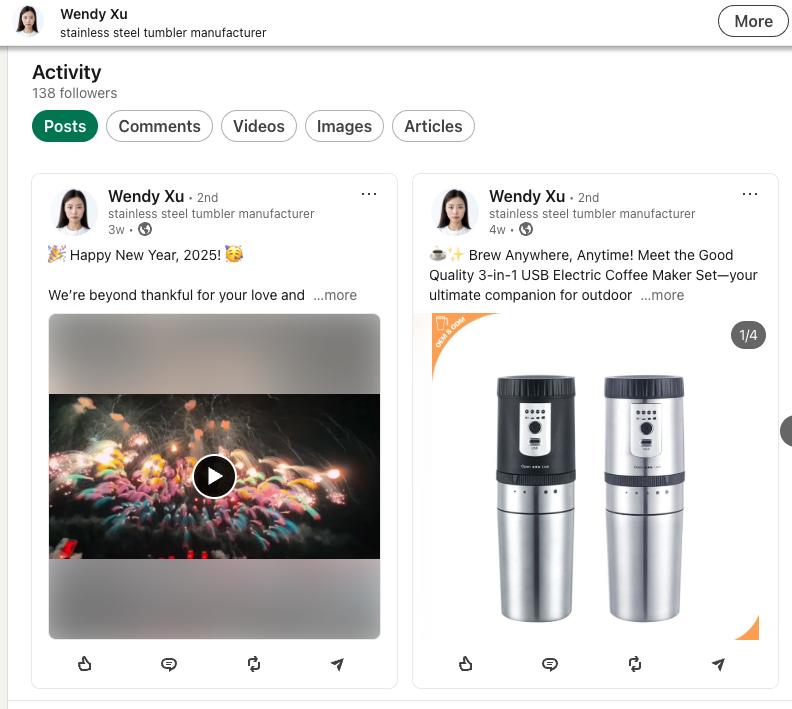
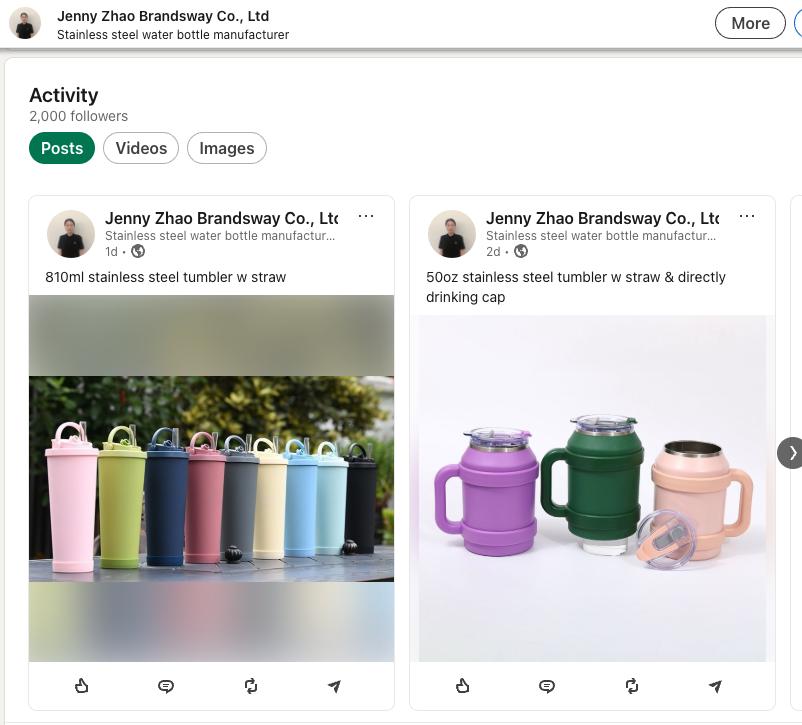
Example: Searching for a Tumbler Manufacturer on LinkedIn
Let’s say you are sourcing tumblers. You search “Tumbler Manufacturer” on LinkedIn.
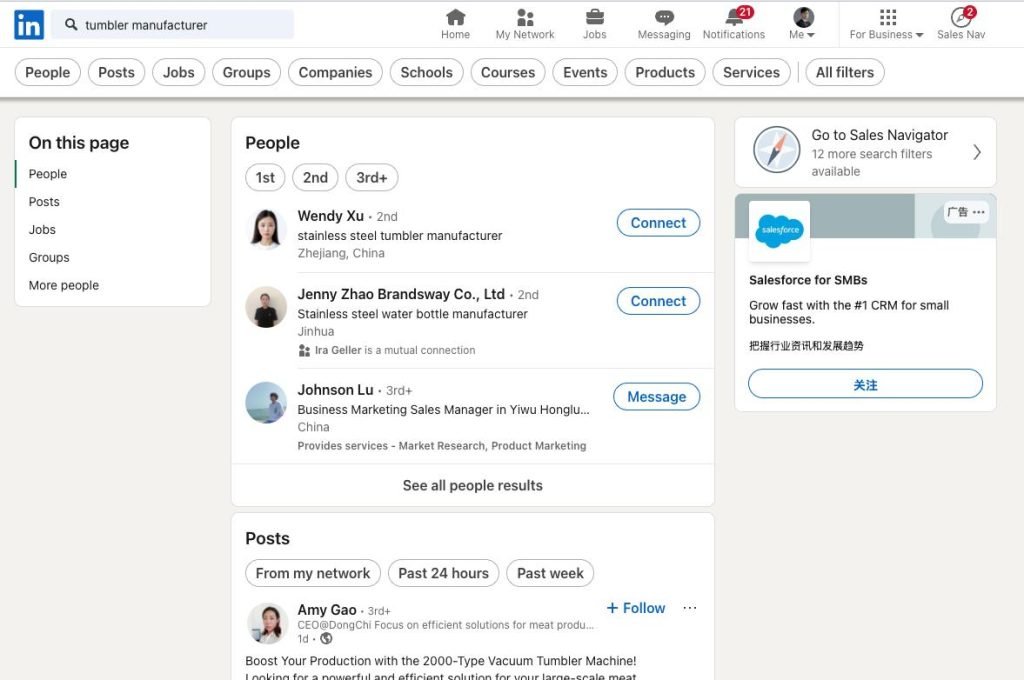
You browse through supplier profiles and find a factory with great-looking products and positive recommendations.
Conclusion
LinkedIn is a highly efficient and professional way to find suppliers, especially for buyers who want direct access to decision-makers and long-term partnerships. With its search tools, supplier profiles, industry groups, and messaging features, LinkedIn provides a transparent and reliable sourcing platform.
If you’re unsure how to use LinkedIn for supplier sourcing, Mangors Sourcing can assist by helping you identify, verify, and connect with the right suppliers, saving you time and effort.
3.9 Method 6: The Advantage of Professional Sourcing Services (e.g., Mangors Sourcing)
When searching for suppliers, many importers face challenges such as difficulty in selecting reliable suppliers, quality control issues, and communication barriers. This is where professional sourcing services (like Mangors Sourcing) come in. By using a professional sourcing service, you can reduce risks, improve efficiency, and ensure product quality meets your standards.
3.9.1 Why Choose Professional Sourcing Services?
While you can find suppliers through online platforms, trade shows, and search engines, these methods have their limitations, especially when it comes to screening suppliers, managing quality control, and handling negotiations. For businesses with limited experience in international sourcing, professional sourcing services offer a more efficient and reliable solution.
Here are some key benefits of using a sourcing service:
- Expert Knowledge & Experience – Sourcing companies have years of experience and deep industry knowledge, allowing them to provide valuable advice and supplier recommendations.
- Saves Time & Effort – Instead of spending countless hours searching for suppliers, a sourcing service can handle the entire process for you, so you can focus on sales and marketing.
- Reduces Risk – Professional sourcing teams help you avoid supplier fraud, quality issues, and delivery delays, minimizing potential losses.
- Extensive Supplier Network – Sourcing companies have strong relationships with reliable suppliers, allowing them to find the best options at competitive prices.
3.9.2 The Advantages of Mangors Sourcing
Mangors Sourcing is a professional sourcing company that offers end-to-end procurement solutions. Our services include:
- Supplier Screening & Verification – We conduct a strict supplier selection process, ensuring that all recommended suppliers are legitimate, experienced, and capable of producing high-quality products. We also perform background checks to minimize risks.
- Quality Control & Inspection – Quality control is critical in any sourcing process. We provide full inspection services before and during production, ensuring consistent product quality.
- Sample Management & Product Development – If you need customized products, we assist in sample development and testing before mass production, ensuring everything meets your specifications.
- Negotiation & Contract Support – With years of experience in supplier negotiations, we help you secure better pricing and contract terms, putting you in a stronger position.
- Logistics & Customs Support – We handle shipping and customs clearance, ensuring your products arrive safely and on time without unnecessary delays.
- Global Supplier Network – We work with leading suppliers across different industries, offering more choices and better sourcing solutions based on your needs.
3.9.3 How Professional Sourcing Services Improve Efficiency
Using a sourcing company can streamline the entire procurement process and improve efficiency in several ways:
- Accurate Supplier Matching – Instead of wasting time searching blindly, sourcing services match you with the best suppliers based on your specific needs.
- Standardized Processes – From supplier selection to quality control, logistics, and customs, each step is managed by professionals, making the process smooth and transparent.
- Faster Communication & Problem-Solving – Professional sourcing services ensure smooth communication with suppliers, quickly resolving issues that arise during production.
- Cost Savings – With better supplier relationships and negotiation power, sourcing companies can help you get better prices and flexible payment terms.
Conclusion
While searching for suppliers through various channels can be effective, professional sourcing services offer a hassle-free, risk-reducing, and highly efficient solution. With a sourcing partner like Mangors Sourcing, you can easily manage suppliers, improve product quality, and optimize costs.
If you’re looking for a reliable and efficient sourcing partner, Mangors Sourcing provides comprehensive services, from supplier selection and quality control to logistics and customs clearance. We help you expand into international markets smoothly, ensuring a successful and profitable sourcing experience.