
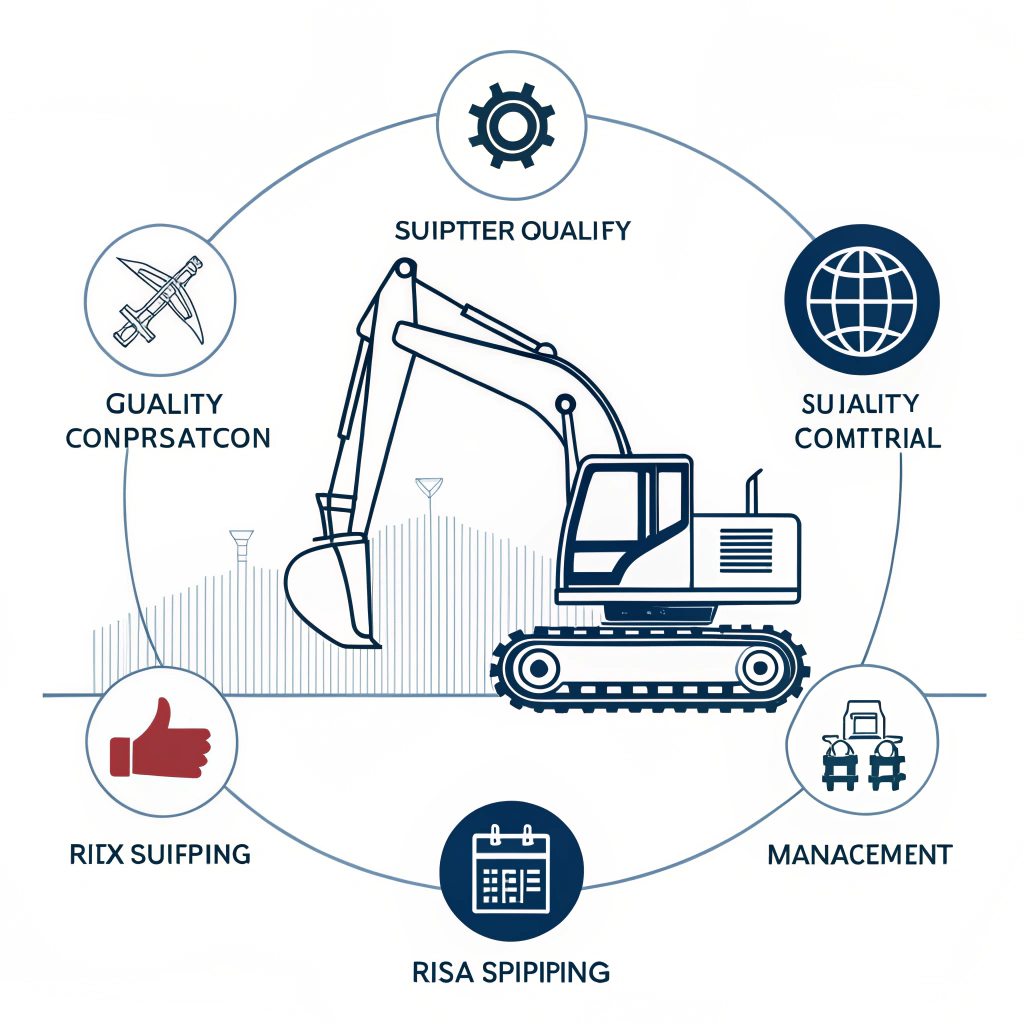
Excavators from China can be sourced and shipped cost-effectively when you follow a detailed, step-by-step approach. In this guide, we provide practical solutions for selecting the right Chinese suppliers1, managing quality control2, and handling complex logistics in international shipping. We address common challenges and offer a clear methodology to mitigate risks, ensuring you make informed decisions throughout the procurement process.
The process of buying excavators from China starts with identifying reliable suppliers and understanding the market trends that shape pricing and quality. Many businesses are attracted by cost advantages and the availability of a wide range of excavator models, including new and used options. However, buyers need to navigate supplier vetting, understand the nuances of Chinese manufacturing, and manage shipping logistics to maximize the benefits.
Organizations seeking excavators from China often encounter several challenges:
- Supplier Transparency: Many buyers express concerns about verifying supplier credentials and ensuring product quality. Due diligence is crucial when dealing with overseas vendors.
- Quality Control: The heavy equipment industry does not tolerate equipment failure. Poor quality control can result in operational delays and increased costs.
- Logistics Complexity: Handling shipping arrangements, freight forwarding, and compliance with local import regulations can be daunting, especially for inexperienced importers.
- Regulatory Compliance: Import regulations vary by country and product category. Understanding tariffs, landed costs, and trade policies is essential to avoid legal complications.
- Risk Mitigation: Financial, operational, and reputational risks exist throughout the procurement process. Effective risk management strategies are needed to address these issues.
Setting a strong foundation for your procurement starts with thorough market research. The key steps in supplier selection include:
- Supplier Vetting3: Engage in background checks and gather references. Platforms like trade shows, industrial directories, and sourcing agents can help identify potential suppliers.
- Due Diligence: Perform on-site audits and product inspections. Ask for test reports and certifications to ensure that the excavators meet international quality standards.
- Negotiation and Pricing: Bargaining is integral in Chinese business culture. Approach negotiations with prepared data on market prices, which builds trust and results in more favorable terms.
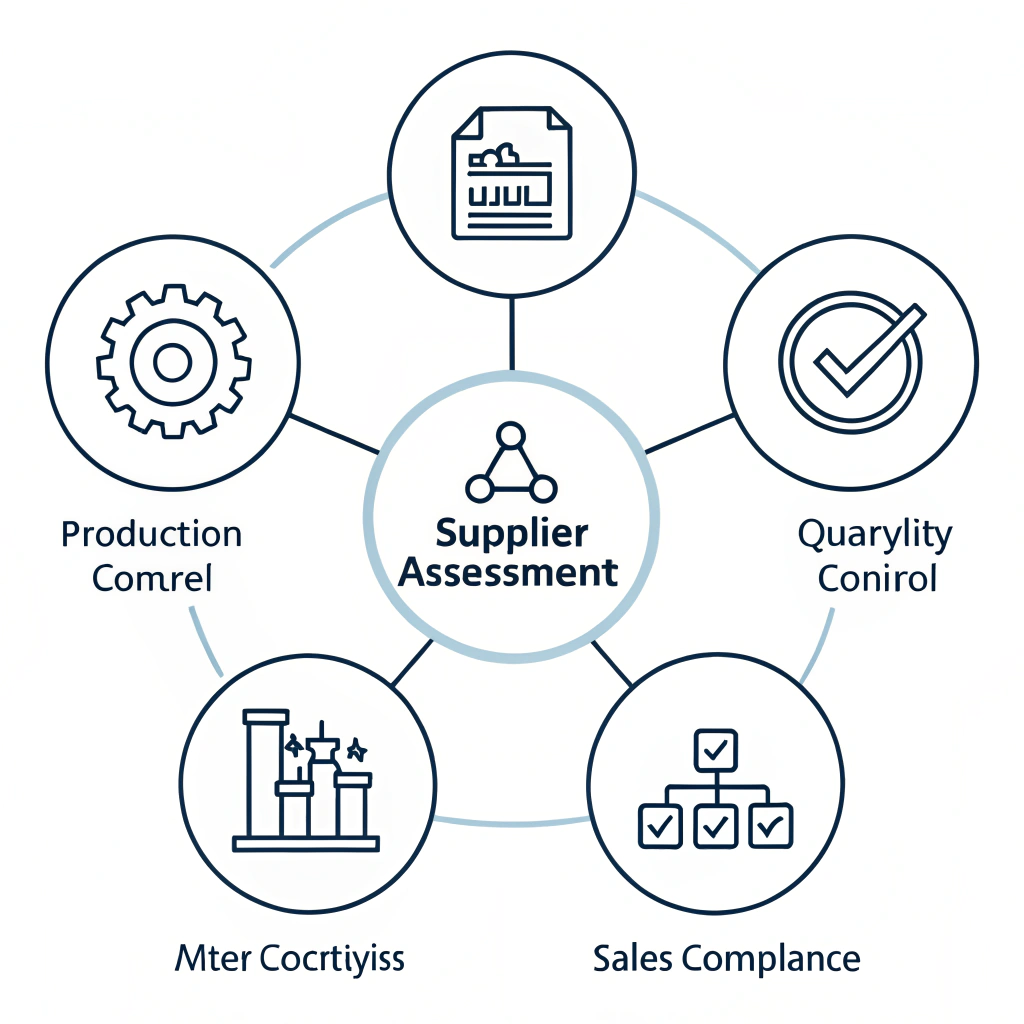
Below is a table that outlines the critical factors you should consider in evaluating a supplier’s credibility and capability:
| Criteria | Description | Importance |
|---|---|---|
| Company Background | Years in business, financial stability, and market reputation | High |
| Production Capacity | Ability to meet bulk orders and maintain production schedules | Medium to High |
| Quality Control Processes | Certifications (ISO, CE, etc.), internal quality assurance measures | High |
| After-Sales Support | Warranty, spare parts availability, and support services | Medium |
| Compliance and Certifications | Adherence to international safety and emission standards | High |
By rigorously evaluating these factors, you can reduce the risk of dealing with unreliable suppliers and ensure that your excavators meet the necessary standards.
Shipping excavators, particularly large or oversize units, requires specialized logistics planning. The following steps outline the shipping process:
-
Determine the Shipping Method:
- For large excavators: Use Roll-on/roll-off (RO-RO) or specialized lowboy trailers. These methods are best suited for oversize heavy machinery.
- For smaller excavators like mini-excavators: Flatbed trailers often suffice, but always consider the dimensions and weight limits.
-
Freight Forwarding4:
Engage a freight forwarding company that specializes in heavy equipment shipping. Their expertise in handling large cargos, negotiating with shipping lines, and managing customs clearance is essential. -
Insurance Considerations:
Given the high value of the cargo, purchasing comprehensive shipping insurance is a must. This insurance will cover potential damages, loss, or delays during transit. -
Documentation and Compliance:
Prepare all necessary documents such as bill of lading, commercial invoice, packing list, and certificates of origin. Compliance with both Chinese export regulations and import regulations in your country is vital.
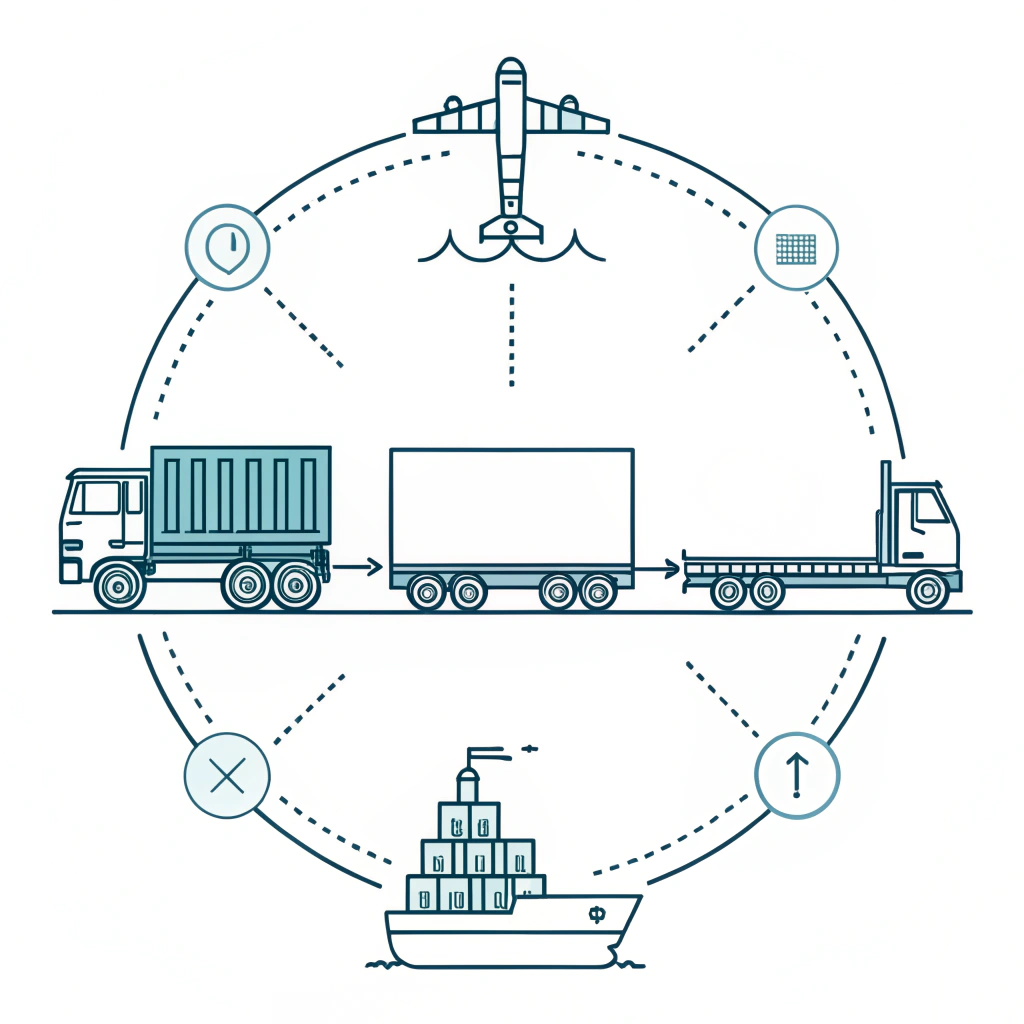
Below is a step-by-step summary in a table format that illustrates the logistics and freight forwarding process:
| Step | Action | Key Considerations |
|---|---|---|
| 1. Choose Shipping Method | Select RO-RO, lowboy, or flatbed based on excavator size | Equipment dimensions, weight limits |
| 2. Get Freight Forwarder Quote | Compare quotes from specialized forwarding companies | Freight cost, service reliability |
| 3. Secure Shipping Insurance | Obtain coverage for cargo damage or loss | Policy terms, coverage limits |
| 4. Prepare Documentation | Bill of lading, commercial invoice, certificates | Accurate and complete documentation |
| 5. Customs Clearance | Engage customs broker for import regulation compliance | Import duties, tariffs, legal requirements |
Collaborate closely with your freight partner to ensure smooth cargo tracking and handling. Keeping detailed records of each step minimizes the risk of delays or bureaucratic issues during transit.
Regulatory Compliance5 and Risk Management
Understanding and complying with import regulations can be one of the most challenging aspects of sourcing excavators from China. Each country has specific requirements related to machinery safety, emissions, and operational standards.
-
Import Licenses and Permits:
Investigate whether your country requires an import license for heavy machinery. Obtaining these permits in advance will prevent delays at customs. -
Tariffs and Duties:
Calculate the landed cost of the equipment, which includes the product price, shipping fees, tariffs, taxes, and any additional handling costs. Tools such as landed cost calculators can be very useful. -
Quality Certifications:
Ensure the excavators meet international safety and performance standards. Certifications such as CE and ISO are often necessary to prove compliance with regulations. -
Local Market Regulations:
Some regions impose additional restrictions on heavy machinery imports, including emissions standards or noise control requirements. Stay updated on local regulatory changes.
Managing risks effectively requires a combination of strategic planning and proactive measures. Consider the following strategies:
-
Diversify Suppliers:
Do not rely solely on one supplier. Having multiple verified sources reduces dependency and mitigates supply chain disruptions. -
Long-Term Contracts:
Establish long-term agreements with suppliers and freight forwarders to secure stable rates and improve negotiation leverage. -
Regular Quality Checks:
Implement periodic quality assessments throughout the production process rather than waiting until the final inspection. -
Insurance Protections:
Besides shipping insurance, also consider trade credit insurance to safeguard your financial transactions. -
Data-Driven Decisions:
Use market insights and performance data to adjust your procurement strategy in real-time. This can include monitoring currency exchange rates, market demand, and supplier performance history.
Consider a construction firm in Europe that recently sourced a fleet of excavators from China. The firm partnered with a verified Chinese manufacturer known for its robust quality control and competitive pricing. Here’s how the process unfolded:
-
Supplier Vetting:
The firm conducted extensive research, including factory visits and third-party audits, to confirm the reliability of its chosen supplier. They verified the manufacturer’s history, production capacity, and quality certifications. -
Negotiation:
With clear market data, the firm negotiated a bulk purchase deal that significantly reduced the per-unit cost. They agreed on detailed terms for quality assurance and after-sales support. -
Shipping and Logistics:
The excavators, which were an intermediate size between oversize and standard models, were shipped via a combination of flatbed and lowboy trailers. A local freight forwarding company managed the logistics, ensuring timely customs clearance and delivery. -
Regulatory Compliance:
By preparing in advance and consulting import regulatory experts, the firm ensured that all necessary documentation was complete. This expedited the customs process and eliminated unexpected delays.
This case underscores the importance of proactive planning, supplier diversification, and choosing the right logistics partner when sourcing heavy machinery.
To secure the best deals and ensure timely delivery when buying and shipping excavators from China, consider the following actionable recommendations:
-
Conduct Comprehensive Market Research:
Always start by gathering detailed information. Use platforms such as industry reports, trade fairs, and direct supplier references. -
Prioritize Supplier Audits:
Regularly perform on-site visits and quality checks. This real-time assurance helps verify that manufacturing processes and quality control systems meet your standards. -
Engage Experienced Freight Forwarders:
Work with companies that specialize in heavy equipment transport. Their expertise is invaluable in navigating complex shipping regulations and ensuring secure transit. -
Implement a Rigorous Documentation Process:
Prepare every necessary document well in advance. Checklist and template systems can streamline this process, reducing chances of missing critical information. -
Stay Updated on Global Trade Policies:
Trade policies are dynamic. Subscribe to industry news and join professional networks to remain informed about changes in tariffs, export controls, and import regulations. -
Adopt Technology for Real-Time Tracking:
Use supply chain management software to monitor order status, shipping progress, and customs clearance. Digital tools improve transparency and operational efficiency.
Purchasing excavators from China is a multifaceted process that demands careful planning, diligent supplier verification, and efficient logistics management. From initial supplier selection to navigating import regulations, every step is critical in safeguarding your investment and ensuring operational continuity.
By following this comprehensive guide and leveraging trusted industry experts, you can overcome common pitfalls and achieve a smooth, cost-effective sourcing process. Remember, success in international procurement often depends on how well you manage relationships, document every detail, and stay agile to adapt to market changes. Take a strategic approach, use data-driven insights, and ensure all stakeholders—from supplier teams to logistics partners—are aligned with your quality and delivery expectations.
Ultimately, informed decision-making supported by practical solutions will enhance your competitive edge in the heavy equipment market. Whether you’re upgrading your fleet or expanding operations, making well-informed procurement decisions today will pave the way for long-term success.
People Also Ask
Q: Why are used excavators so cheap in China?
A: Used excavators in China are often cheaper due to economies of scale and a mature secondary market. High volume production and efficient supply chains enable lower prices compared to new equipment costs in other regions.
Q: How can I import machinery from China?
A: Importing machinery from China involves several steps: confirming your import rights; identifying and classifying the machinery; ensuring compliance with both Chinese and local regulations; calculating landed costs including tariffs and shipping; selecting a reliable supplier; arranging for cargo transport; and tracking the shipment until arrival.
Q: How are excavators shipped?
A: Excavators are typically shipped using specialized techniques. Large and oversize machines often use RGN or lowboy trailers, while smaller models, like mini-excavators, can be transported on flatbed trailers, ensuring structural safety during transit.
-
[Chinese suppliers]: Read this article to understand how to identify and work with verified Chinese suppliers to ensure quality and reliability in sourcing. ↩
-
[quality control]: Click here to learn about quality control techniques, industry standards, and best practices to maintain high production quality. ↩
-
[Supplier Vetting]: Learn more about supplier vetting processes, including conducting background checks, on-site audits, and building strong supplier relationships. ↩
-
[Freight Forwarding]: Explore comprehensive insights on freight forwarding, including selecting partners, managing logistics, and navigating customs processes. ↩
-
[Regulatory Compliance]: Discover the essentials of regulatory compliance in international trade, covering import licenses, tariffs, and adherence to global standards. ↩