

Yes, you may need to pay duty when importing products from Alibaba, but the requirement depends on various factors such as product value, category, and the specifics of international trade regulations. In some cases, especially with changes effective May 2, 2025, imported goods from China or Hong Kong will incur duties even for items valued below specific thresholds.
In today’s global sourcing landscape, understanding import duty regulations1 is crucial for B2B procurement managers and business owners. When working with suppliers on Alibaba, being aware of customs clearance procedures2, tariffs and duties, and trade compliance guidelines can save you from unexpected costs and delays. In this article, we break down the essentials of duty payments, explain what triggers customs fees, and provide actionable tips to navigate the complex world of international shipping taxes.

Many businesses wonder, “Do I need to pay duty from importing stuff from Alibaba?” The simple answer is: it depends. Duty obligations are influenced by several key factors:
• Product Value and Category: Many countries have de minimis thresholds3. Items under a certain value may bypass duty, but if the product falls into specific regulated categories, you may still owe fees.
• Country of Origin: For instance, changes effective May 2, 2025, indicate that goods imported from China or Hong Kong, regardless of their value, may have duties applied.
• Shipping Costs and Other Fees: Some calculation methods include shipping and insurance costs in the total declared value, which can affect the duty rate.
• Local Regulations: Each country sets its own import limits, tariff schedules, and exemptions, meaning that it is essential to verify the regulations where the goods are being imported.
These factors mean that the duty payment is not a uniform process. Instead, it involves careful consideration of the order details and the specific rules of the importing country.
For a clearer picture, consider the following table that summarizes the primary triggers for paying customs duty:
| Factor | Description | Example |
|---|---|---|
| Product Value | Total cost including purchase price, shipping, and insurance. | Orders exceeding local de minimis limits |
| Product Category | Certain goods (e.g., electronics, textiles) may require duty regardless of value. | Regulated items like medical devices |
| Country of Origin | Trade agreements or regulations based on exporting country. | New duty rules for goods from China/Hong Kong |
| Declared Shipping Costs | Shipping and handling fees might be added to the duty calculation. | Overseas shipping charges |
| Local Trade Policy | Specific thresholds and exemptions vary by country. | EU vs. U.S. import regulations |
Understanding and monitoring these factors can help you estimate the potential duty costs and plan your sourcing strategy accordingly.
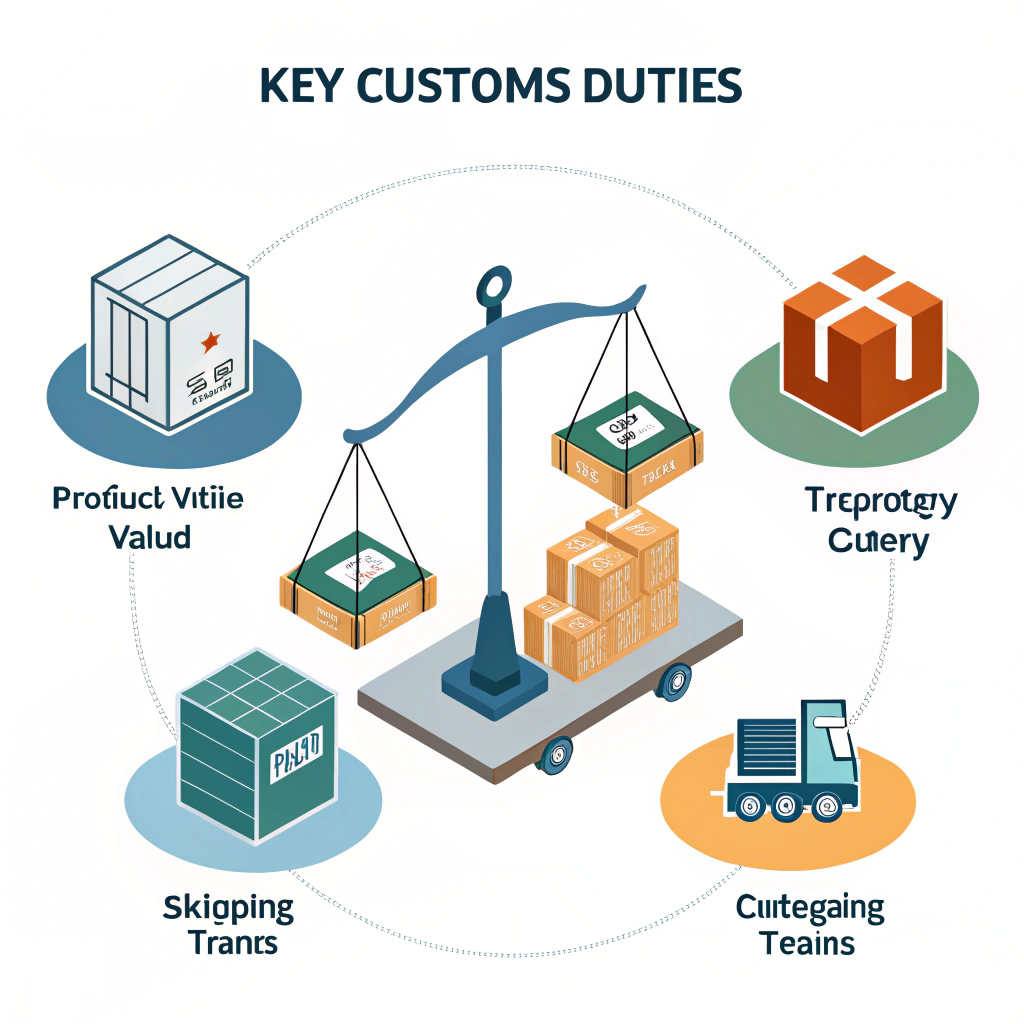
If you are planning to import via Alibaba, here are practical steps to ensure compliance and cost efficiency:
-
Evaluate Your Product Details:
- Check if your product falls under a category that has mandatory duty charges.
- Ensure that you clearly understand the total value of your order, including any additional fees that could be subject to duty.
-
Research Local Import Regulations:
- Each country has its own trade compliance4 standards. It’s essential to consult your country’s customs website or a local customs broker to confirm if your order exceeds the de minimis threshold or if there are any category-based exemptions.
- Keep abreast of regulatory updates, especially significant changes like those coming into effect on May 2, 2025.
-
Negotiate with Your Supplier:
- Some suppliers may offer price adjustments or provide guidance on customs arrangements.
- Ask your supplier about their experience with international shipping and customs procedures; seasoned suppliers can offer valuable insights to streamline your procurement process.
-
Plan for Additional Costs:
- Budget for potential additional fees such as customs brokerage services, inspection fees, and taxes.
- Arranging a contingency fund for unexpected customs charges can prevent disruptions in your supply chain.
These steps not only help in cost management but also in reducing the risk of compliance issues during the import process.
Calculating import duties can be complex. However, having a systematic approach allows you to estimate costs before making a significant commitment. Here’s a simplified framework:
-
Determine the Order’s Total Value:
Sum up the product cost, shipping, and any insurance fees. This is your “Declared Value.” -
Identify the Applicable Duty Rate:
Duty rates vary by product category. Consult the tariff schedule5 of your country. For regulated items, the rate may be higher. -
Include Additional Charges:
Depending on your country’s regulations, you may also need to consider value-added tax (VAT) or goods and services tax (GST) on the declared value plus duty.
The table below provides a basic formula structure:
| Calculation Component | What to Include | Purpose |
|---|---|---|
| Declared Value | Cost + Shipping + Insurance | Base value for duty calculation |
| Duty Rate (Percentage) | Based on product category tariff | Determine percentage cost of duty |
| Additional Taxes | VAT or GST as applicable | To calculate total import tax |
| Total Import Cost | Declared Value + Duty + Additional Taxes | Overall cost post-import |
By using this table as a starting point, you can negotiate better terms with your suppliers and accurately budget for the import process.
It is important to note that the international trade environment is ever-changing. A significant development is the update effective May 2, 2025, which mandates that goods from China and Hong Kong may incur duties on all orders below $2500. Here’s what this means for your sourcing strategy:
• Cost Increase for Lower-Value Orders:
Orders that were previously exempt might now be subject to fees. This could change your cost calculation and affect pricing strategies.
• Impact on Supplier Negotiations:
Understanding these changes allows you to negotiate better terms with suppliers. For instance, larger consolidated shipments could help minimize per-unit duty costs.
• Proactive Compliance:
Staying aware of these regulatory changes means that you can adjust your procurement strategy ahead of time, avoiding unexpected delays or cost overruns.
Our team at Mangors Sourcing continuously monitors these trends to help you navigate evolving customs regulations. Incorporating these changes into your sourcing strategy now can lead to smoother customs clearance and more predictable pricing.
To summarize, here are the best practices that help manage the risk of paying unexpected import duties when sourcing from Alibaba:
• Thorough Due Diligence:
Always verify the product’s tariff classification with your customs authority and stay updated on changes to import regulations.
• Clear Communication with Suppliers:
Work closely with suppliers to ensure they provide accurate invoices and documentation that reflect the true declared value of the products.
• Budgeting for Additional Charges:
Include a contingency in your budget for unforeseen duties, taxes, or fees that might arise during customs clearance.
• Consult with Trade Experts:
When in doubt, get advice from a customs broker or a trade compliance expert. Their expertise can be pivotal in ensuring a hassle-free import process.
• Consolidate Shipments When Possible:
Consolidating orders might reduce unit shipping costs and, in some scenarios, result in more favorable duty calculations.
Adopting these practices allows you to optimize your sourcing process and maintain a competitive edge in the global market.
People Also Ask
Q: Do I have to pay customs for a package from China in 2025?
A: Yes, starting May 2, 2025, goods of any value from China (and Hong Kong) are generally subject to customs duties. This policy means that even orders below previous thresholds may incur fees, with duties being included in the overall item or shipping cost for orders under $2500.
-
import duty regulations: Click to read an in-depth guide that explains the framework of import duty regulations, including how they are determined and their impact on international trade. ↩ ↩
-
customs clearance procedures: Click to learn about the processes, required documentation, and best practices in navigating customs clearance procedures for smooth import operations. ↩ ↩
-
de minimis thresholds: Click to understand the concept of de minimis thresholds, how they vary by country, and their role in determining duty charges on low-value imports. ↩ ↩
-
trade compliance: Click to explore the fundamentals of trade compliance, including regulations and guidelines that ensure international business operations adhere to legal standards. ↩ ↩
-
tariff schedule: Click to review how tariff schedules work, including methodologies for classifying goods and calculating applicable duty rates based on product categories. ↩ ↩