
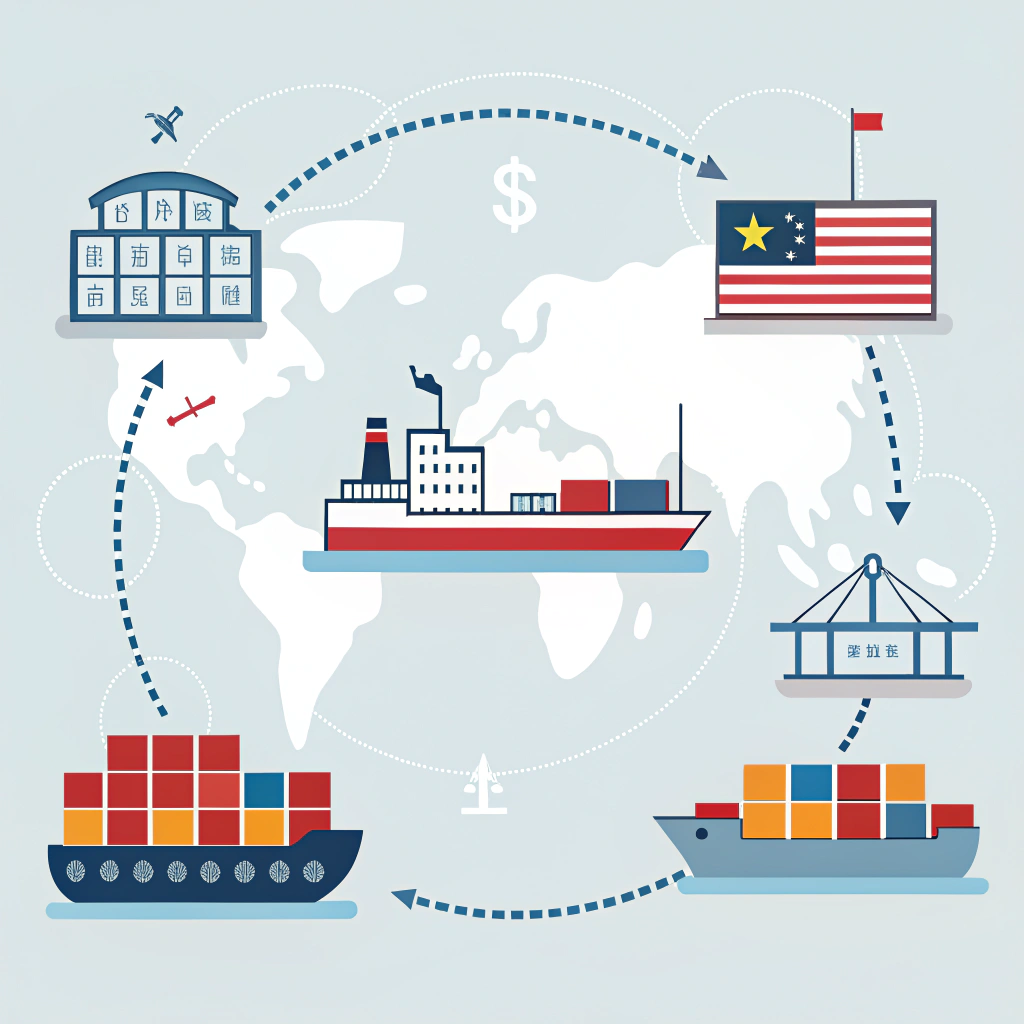
Tariffs on Chinese imports into the USA are typically paid by the importer upfront; however, those costs are often embedded in the overall pricing structure and can ultimately be passed along to end customers.
In today’s complex global trade landscape, understanding who shoulders the burden of tariffs1 is essential for companies sourcing from China. This article takes a deep dive into the tariff cost structure and its implications on your supply chain2, procurement strategies, and pricing models. We will explore the underlying reasons behind tariff payments, the dynamics of cost allocation, and actionable strategies to mitigate potential impacts.
Tariffs have become a major point of discussion for businesses engaged in international trade, especially amid evolving USA trade policies and the ongoing US-China trade war. The primary concern revolves around who actually ends up paying for these tariffs. While the government imposes these fees on imported goods, the immediate financial responsibility falls on the importer. Still, the final cost can travel further down the supply chain, affecting manufacturers, wholesalers, and even end consumers.
Key challenges include:
- Uncertainty in cost allocation: Importers may face unpredictable expenses impacting cost forecasting.
- Pricing pressures: Increased tariffs influence product pricing, which can erode profit margins or require price adjustments at the consumer level.
- Negotiation challenges: Companies must negotiate with suppliers who might also absorb or share part of the tariff cost.
Several factors drive tariff-related cost shifts:
-
Regulatory Framework3:
The U.S. government uses tariffs as a tool to protect domestic industries and to respond to trade imbalances. These tariffs are imposed at the point of entry and are paid by customs brokers on behalf of the importer. -
Supply Chain Dynamics:
In a competitive market, many suppliers adjust their pricing strategies to accommodate tariff costs. This adjustment can blur the line of who ultimately pays—the importer or the end buyer. -
**Economic Pressure and Contract Terms4:
Many trade agreements and contracts specify cost transfer terms that can result in tariff expenses being internalized as part of the product’s base price. Companies might negotiate these fees into their contracts to distribute the risk more equitably. -
Market Conditions and Negotiation Power:
The degree to which tariffs affect pricing is often determined by market competition, the elasticity of demand, and the negotiation power of both importers and suppliers.
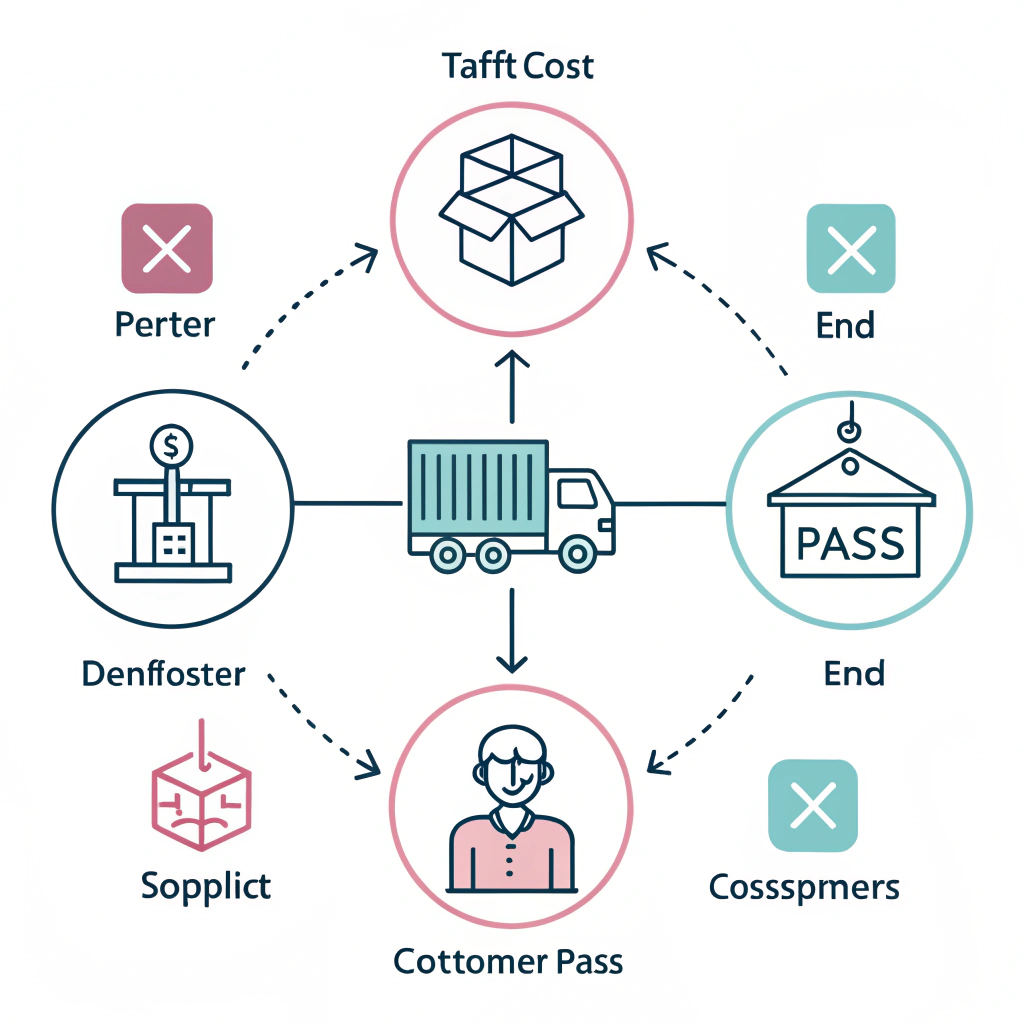
Initially, tariffs are collected from importers at the port of entry. However, the true economic incidence might not remain isolated to the importer. Let’s break down the process:
-
Direct Payment by Importers:
Upon importation, companies must pay the tariff calculated as a percentage of the product value. This process is regulated by customs authorities and directly affects their cash flow and accounting practices. -
**Indirect Cost Pass-Through5:
In a competitive market environment, importers often pass on these extra costs to their downstream customers through higher product prices. This process is subtle but crucial in understanding how tariff costs propagate through the supply chain.
| Cost Component | Who Initially Pays? | How It Can Be Passed On |
|---|---|---|
| Importer’s Tariff Fee | Importer | Increased wholesale price |
| Supplier Pricing Adjustments | Supplier (if included in pricing) | Negotiated into end product cost |
| Additional Handling Fees | Customs Broker/Logistics | Integrated into overall cost chain |
| Contractual Terms | Agreed between buyer & supplier | Embedded in pricing agreements |
This table illustrates that while the immediate payment comes from the importer, tariff costs often get distributed across various levels of the supply chain.
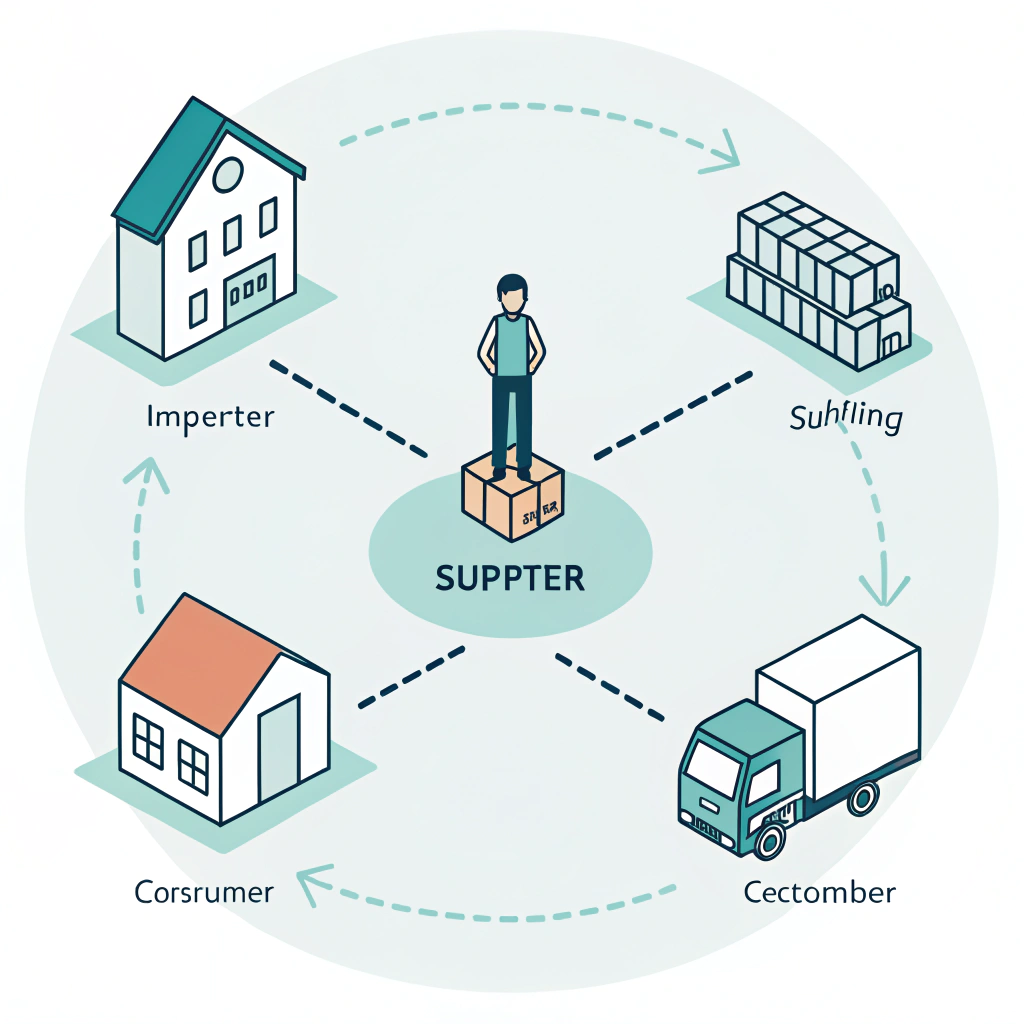
Understanding the cost dynamics is the first step. The next is managing and mitigating these impacts through strategic sourcing and negotiation techniques.
Review your agreements with suppliers to determine if tariff costs are explicitly mentioned. Consider negotiating terms that either:
- Remove the tariff burden from your cost projections by absorbing a portion of it.
- Establish price adjustment clauses that reflect tariff fluctuations.
Building strong relationships with suppliers can lead to more favorable negotiation stances regarding cost-sharing. By discussing market dynamics openly, both parties can collaborate on strategies to minimize the impact of tariff increases.
If a particular supply channel becomes prohibitively expensive due to tariffs, consider diversifying your sourcing portfolio. This might include:
- Expanding supplier networks to include alternative manufacturing locations.
- Evaluating domestic production options if tariffs significantly skew cost competitiveness.
Reducing other supply chain costs can offset tariff-induced price increases. Consider:
- Streamlining logistics and warehousing practices.
- Investing in technology for better supply chain analytics and forecasting.
- Reassessing shipping routes to lower overall transportation costs.
Trade laws and tariff rates are subject to change. Stay updated on policy shifts by:
- Regularly reviewing government publications and trade analysis reports.
- Consulting with supply chain experts who specialize in international trade.
- Leveraging industry networks to share insights and forecasts.

Consider a mid-sized electronics distributor sourcing components from China. With the imposition of tariffs by the U.S. government, they faced a direct increase in import costs by an estimated 10%. Rather than immediately raising retail prices, the company implemented several strategic measures:
- Contractual Adjustments: They renegotiated terms with their suppliers, arriving at an agreement where suppliers absorbed part of the tariff increase in exchange for longer-term contracts.
- Efficiency Enhancements: The distributor optimized its logistics network by consolidating shipments and utilizing advanced inventory management, which reduced other operational costs.
- Diversifying Suppliers: By engaging with additional Chinese suppliers and exploring alternative regions for sourcing parts, they minimized dependency on a single tariff-affected channel.
These combined efforts helped the company mitigate the overall impact on their pricing strategy, illustrating that while tariffs are a significant factor, proactive management can preserve competitive pricing and maintain supply chain stability.
For procurement managers and supply chain directors navigating the complexities of tariffs on Chinese imports, here are actionable recommendations:
- Negotiate Thoughtfully: Work earnestly with suppliers to structure contracts that fairly distribute tariff costs.
- Enhance Transparency: Amplify clarity around cost structures in your supply chain to avoid unexpected financial shocks.
- Invest in Analytics: Leverage supply chain visibility tools to forecast tariff impacts and adapt procurement strategies proactively.
- Stay Informed: Policy changes have rapid effects on global trade. Engage with industry experts and subscribe to updated trade policy resources.
- Consider Diversification: Don’t rely solely on one supplier or one region; diversify your sourcing to protect against geopolitical risks and tariff fluctuations.
By adopting these strategies, businesses can better navigate the challenges imposed by tariffs, ensuring that the cost burdens are managed effectively. Ultimately, while the immediate payer might be the importer, a well-optimized supply chain and robust supplier negotiations can help mitigate the impact, ensuring that price increases do not jeopardize your competitive edge.
-
Who bears the cost of tariffs on Chinese imports?
Tariffs are initially paid by the importer when the goods enter the country. However, these costs are often passed on to downstream buyers through increased pricing throughout the supply chain. -
How do tariffs affect final product pricing?
Tariffs increase the cost of imported goods, which can lead to higher wholesale and retail prices. Companies may absorb some costs or transfer them to consumers, impacting overall profitability. -
Can tariff costs be negotiated with suppliers?
Yes, contract terms can be structured to share or shift tariff costs. Open supplier negotiations and long-term agreements can sometimes result in more favorable cost arrangements for both parties.
-
tariffs: Reading the linked article will help you understand the intricacies of tariff imposition, calculation methods, and their broader economic impact on international trade. ↩
-
supply chain: Discover detailed insights on how supply chains are structured and managed, including strategies to optimize efficiency and mitigate risks in global operations. ↩
-
Regulatory Framework: Learn about the legal and policy frameworks governing international trade, including how governments use tools like tariffs to influence economic dynamics. ↩
-
Contract Terms: Enhance your understanding of contractual language and cost-sharing agreements in trade contracts, exploring how these terms are negotiated to distribute tariff-related expenses effectively. ↩
-
Indirect Cost Pass-Through: This explanation provides clarity on how additional costs incurred at one stage of the supply chain can be progressively transferred to other participants, ultimately affecting end pricing. ↩