
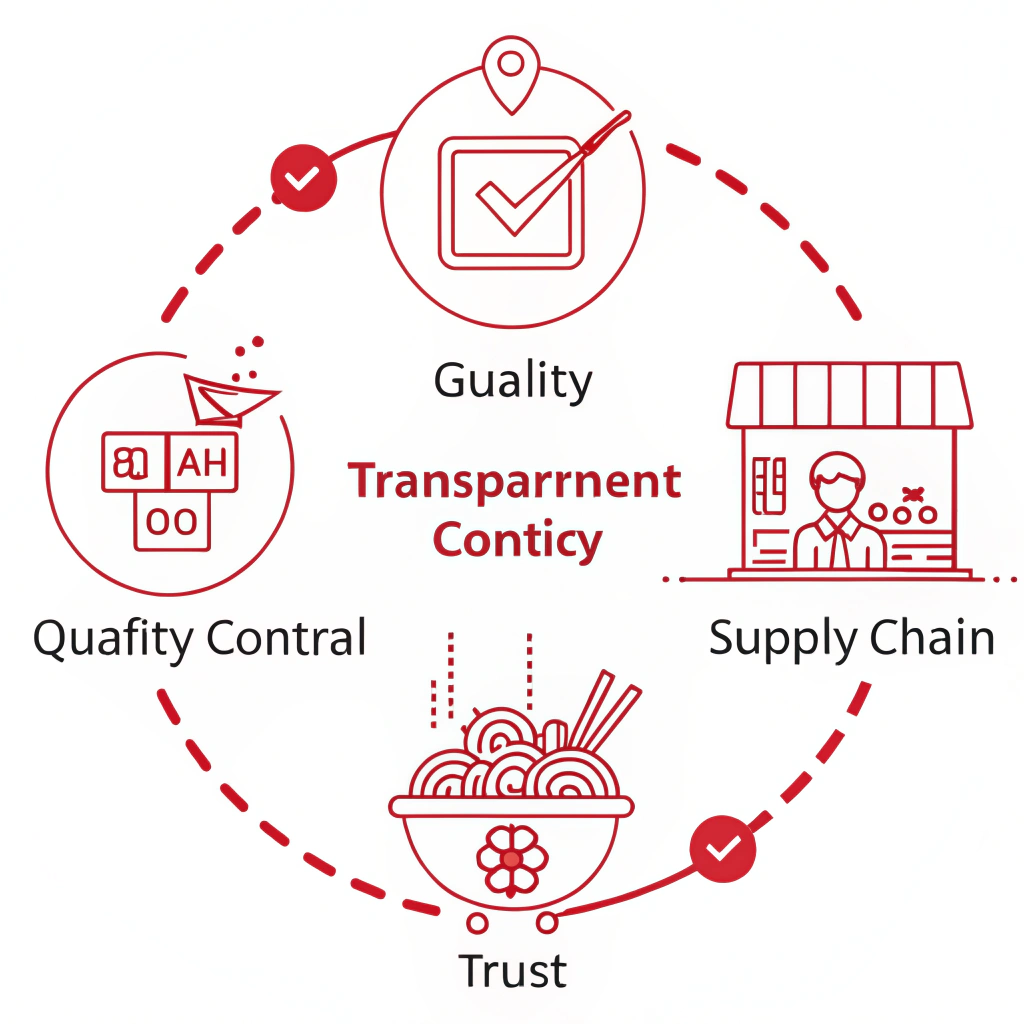
Food imported from China can be safe when sourced from reputable suppliers who strictly adhere to international food safety regulations1 and maintain proper quality control measures. However, concerns about contamination, pesticide use, and varying enforcement of standards mean that due diligence—with detailed supplier audits, regular inspections, and third-party quality assessments—is essential for ensuring product safety.
In the global food supply chain, the safety of imported food from China is a complex subject. For B2B sourcing managers and procurement officers, making informed decisions means weighing the benefits of lower-cost products against potential risks. Many factors determine safety: regulatory compliance, quality control measures, supplier credibility, and independent laboratory testing. This article explains the key elements behind food safety in China, provides a detailed risk assessment, and offers actionable solutions to help you secure safe and compliant food imports.
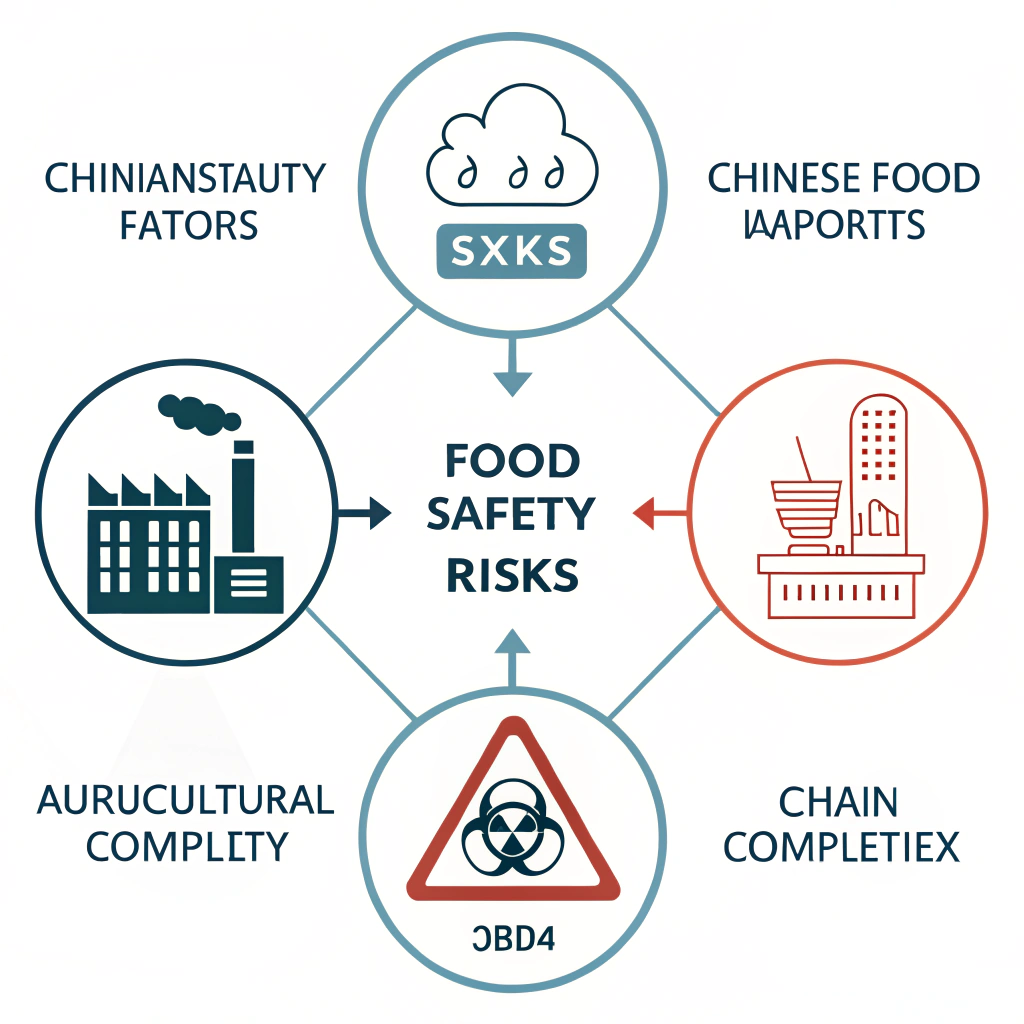
Over the past decades, China has become one of the world’s largest exporters of food products. However, several high-profile cases of food contamination have raised questions about the safety of these products. Some of the main concerns include:
- Inconsistent regulatory enforcement: Different regions in China may not enforce food safety standards uniformly.
- Contamination risks: The use of pesticides, heavy metals, and other chemical agents in farming and processing can pose significant risks if not properly monitored.
- Supply chain complexity: Multiple intermediaries in the supply chain can obscure transparency, making it difficult to ensure that every stage meets international safety standards.
These issues make it paramount for businesses to understand the environment, ask the right questions, and implement stringent verification processes.
Several factors contribute to food safety challenges related to Chinese imports:
- Regulatory Variability: Unlike some Western countries with centralized food safety measures, China experiences regional differences in how regulations are applied. This variability can lead to lapses in oversight.
- Agricultural Practices: The extensive use of pesticides and fertilizers in some parts of China may lead to residues in food products if not correctly managed. Variations in farming techniques and monitoring can affect product safety.
- Supply Chain Complexity: The longer the supply chain, the greater the chance for miscommunication and non-compliance. Each step—from sourcing raw materials to final packaging—can introduce risks.
- Quality Assurance Measures: Some suppliers invest heavily in quality control, while others may prioritize cost savings over rigorous safety practices. This inconsistency can be a source of concern if not properly vetted.
A detailed risk assessment is an essential first step to understanding these factors and implementing the correct oversight protocols.
To ensure that food imported from China is safe, businesses should consider the following solutions:
- Supplier Audit Programs: Develop and enforce a robust audit process. This involves checking the supplier’s certifications, verifying regulatory compliance, and conducting on-site inspections regularly.
- Third-Party Testing: Engage independent laboratories to test product samples. Testing ensures that products meet safety standards for pesticide residues, heavy metals, and other contaminants.
- Adopting Global Food Safety Standards: Encourage suppliers to follow internationally recognized standards such as ISO 220002, HACCP (Hazard Analysis Critical Control Points)3, and FSSC 220004.
- Regular Training: Suppliers should provide regular training on food safety practices to ensure that all employees in the supply chain are aware of the necessary protocols.
- End-to-End Traceability: Use technology solutions like blockchain5 to track and verify every step in the food supply chain. This builds confidence in product integrity.
- Detailed Contractual Terms: Ensure that agreements with suppliers explicitly include standards for quality control, testing, and recourse in case of safety issues.
- Rapid Response Protocols: Develop an action plan for quickly addressing any instances of non-compliance or safety breaches.
- Communication Strategies: Clear guidelines must be set for internal and external communication during a crisis to maintain transparency and trust.
The following table summarizes key risk factors alongside corresponding risk management solutions:
| Risk Factor | Risk Management Strategy |
|---|---|
| Inconsistent regulatory oversight | Regular third-party audits and adherence to international standards |
| Pesticide and chemical residues | Implement routine testing and enforce proper usage guidelines |
| Supply chain opacity | Enhance transparency with blockchain and detailed record-keeping |
| Lack of quality assurance | Work with suppliers who adopt globally recognized food safety standards |
By implementing these solutions, businesses can significantly reduce the potential risks associated with food imports and ensure a more reliable supply chain.
Several key examples illustrate how strategic changes can enhance food safety in Chinese imports:
-
Case Study: High-End Food Importer
A leading importer of organic food products from China faced quality inconsistency issues. By partnering with a third-party audit service and instituting regular on-site inspections, the company improved supplier reliability by over 40%. This led to a significant drop in product rejections and enhanced customer satisfaction. -
Case Study: Global Supply Chain Overhaul
A multinational food corporation revamped its entire supply chain by incorporating end-to-end traceability technology. This not only improved compliance with international safety standards but also provided real-time data on quality control. The initiative resulted in a 25% reduction in safety incidents reported.
These examples underscore the importance of both preventive measures and rapid response strategies. Businesses that invest in comprehensive quality control processes are better positioned to mitigate risks and ensure the safe import of food.
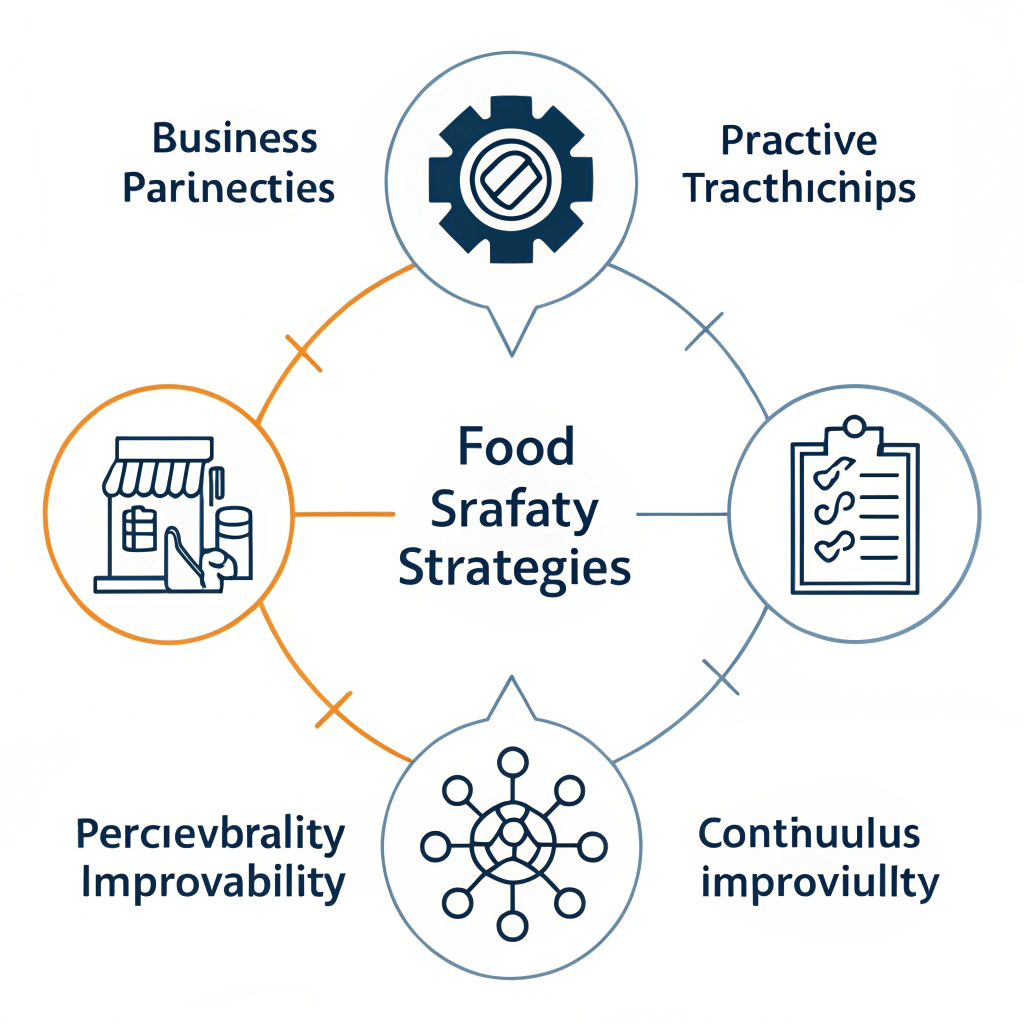
For procurement officers and sourcing managers, safeguarding the integrity of imported food products involves a proactive approach. Here are some best practices:
-
Conduct Detailed Supplier Assessments:
Treat every supplier evaluation as a critical risk management exercise. Create a comprehensive checklist covering regulatory certifications, past compliance records, manufacturing practices, and testing procedures. -
Establish Long-Term Partnerships:
Build long-term relationships with suppliers who demonstrate consistent compliance and quality improvement. A trusted partnership can result in better product quality, more favorable pricing, and increased mutual accountability. -
Invest in Technology:
Use technology to streamline supplier management. Cloud-based platforms for quality control, auditing, and documentation help maintain consistency across multiple suppliers and regions. Digital records also simplify the tracing of any issues back to the source. -
Stay Updated on Regulatory Changes:
Food safety regulations both in China and your own country can evolve. It is essential to monitor these changes and adjust sourcing practices accordingly. Regularly attend industry conferences and subscribe to regulatory updates for the latest information. -
Collaborate with Industry Peers:
Engage with professional bodies, industry groups, or trade associations that focus on food safety. These networks provide valuable insights, share best practices, and often offer collective bargaining advantages when addressing safety concerns.
Developing an effective food safety program is not a one-time exercise. Instead, it requires an ongoing commitment to improvement:
- Feedback Loops: Implement systems for collecting feedback from quality control teams, independent auditors, and even end consumers.
- Regular Reassessment: Periodically re-evaluate supplier performance and risk exposure. Make adjustments and improvements to processes as required.
- Training and Development: Provide ongoing training for both internal teams and external suppliers on the latest food safety technologies and protocols.
By adopting these practices, businesses can cultivate a culture of continuous improvement. This will lead to reduced risk, increased consumer trust, and a more stable supply chain.
Ensuring the safety of food imported from China involves a multi-layered approach that includes detailed supplier evaluations, strict adherence to international safety standards, transparency in the supply chain, and robust crisis management plans. For B2B sourcing managers, these measures are not just regulatory necessities but strategic investments safeguarding brand reputation and consumer health.
In summary, while there are documented risks in food products from China, a comprehensive and proactive quality control system can effectively mitigate these risks. By:
- Prioritizing suppliers with strong compliance history,
- Investing in advanced traceability and testing methods, and
- Establishing clear protocols for incident management,
organizations can confidently navigate the complexities of international sourcing. Our strategy is to help you align these best practices with your overall sourcing objectives, ensuring that every product that enters your supply chain meets the highest safety and quality standards.
Taking action now by reinforcing supplier vetting processes, streamlining quality control protocols, and staying informed about regulatory updates will help secure safe and compliant food imports—benefitting both your bottom line and customer trust.
Q: Is food imported from China safe to eat?
A: The safety of food imported from China depends on the supplier’s adherence to international safety standards and rigorous quality control measures. Working with trusted, certified suppliers who engage in regular testing and audits can significantly reduce potential health risks.
Q: Are vegetables grown in China safe to eat?
A: The safety of vegetables from China varies widely, as soil quality, pesticide use, and farming practices differ by region. Ensuring that vegetables meet international safety standards and are sourced from reputable suppliers is essential to minimize health concerns.
Q: Is it safe to eat canned fruit from China?
A: Canned fruits’ safety depends on processing methods and adherence to food safety standards during production. While some reports have raised concerns about pesticide residues, reliable companies implement strict quality control procedures, including rigorous testing, to ensure product safety.
-
food safety regulations: Click to read an in-depth overview on international food safety regulations, including how these standards are enforced globally and why they are critical to maintaining consumer trust. ↩ ↩
-
ISO 22000: Click to explore the ISO 22000 standard, which outlines the requirements for food safety management systems and how it benefits businesses in ensuring product quality and safety. ↩ ↩
-
HACCP (Hazard Analysis Critical Control Points): Click to learn about the HACCP system, a preventive approach to food safety that addresses biological, chemical, and physical hazards in production processes. ↩ ↩
-
FSSC 22000: Click to understand the FSSC 22000 certification scheme, which integrates ISO 22000 standards with additional requirements for food safety and quality in the supply chain. ↩ ↩
-
blockchain: Click to discover how blockchain technology enhances supply chain transparency by providing secure, real-time tracking and verification of products from source to consumer. ↩ ↩