
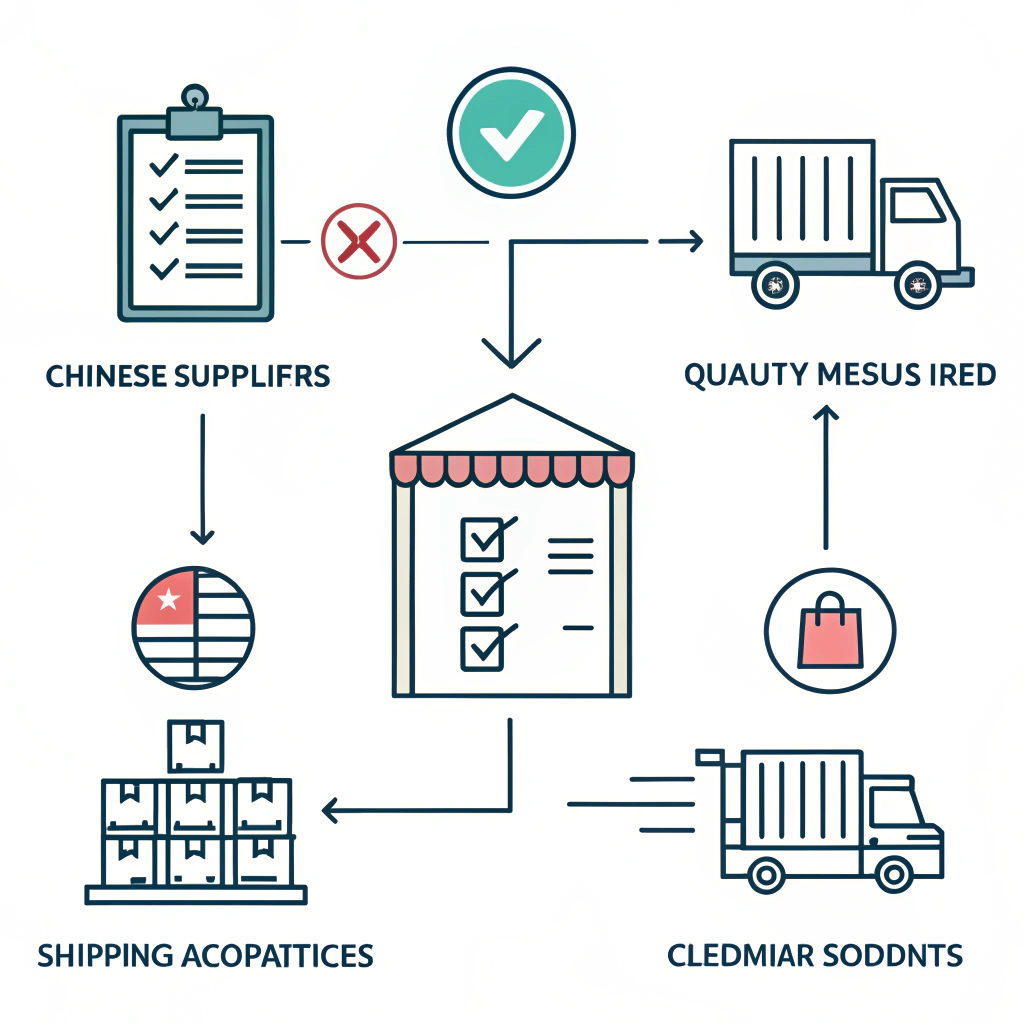
In short, sourcing products from China to the US requires a well-planned process covering everything from supplier selection and quality assurance1 to logistics management and regulatory compliance2. In this guide, we break down each step, share practical tips, and highlight essential paperwork to help you navigate international trade with confidence.
International procurement always comes with a unique set of challenges. For US companies sourcing from China, these challenges can include finding reliable suppliers, ensuring consistent product quality, managing complex logistics, and navigating stringent import regulations. Each of these challenges requires specific strategies and a deep understanding of the international trade landscape.
- Supplier Reliability: Differing manufacturing standards and communication barriers can result in subpar products or misaligned expectations.
- Quality Control: Without proper testing and verification processes, product quality issues can affect your supply chain.
- Logistical Complexities: Managing shipment routes, transit times, and associated costs demands a robust logistics strategy.
- Regulatory Compliance: Adhering to US import regulations and ensuring all necessary documentation is in place is critical to avoid delays and penalties.
Before diving into the operational steps, it is vital to understand why these challenges occur. Insights from the industry highlight several contributing factors:
- Diverse Manufacturing Standards: Chinese manufacturers might follow local norms which may differ from US expectations regarding quality and safety.
- Language and Cultural Barriers: Miscommunications between international buyers and Chinese suppliers can lead to misunderstandings or errors in product specifications.
- Dynamic Regulatory Environment: Frequent updates in import regulations and trade policies require constant attention.
- Complex Shipping Channels: The global shipping landscape, including modes of transport and third-party logistics, necessitates detailed planning and contingency measures.
Understanding these root causes will help you strategize effective preventive measures.
The foundation of successful sourcing lies in a thorough market research process. Start by:
- Identifying Potential Suppliers: Use reliable platforms such as Alibaba, Global Sources, or industry-specific trade shows. Research these suppliers’ histories, production capabilities, and customer reviews.
- Setting Clear Criteria: Define your procurement criteria such as cost, quality, production capacity, and ability to meet delivery deadlines. Clearly communicate your product specifications to ensure all prospective suppliers fully understand your requirements.
- Preliminary Due Diligence3: Before reaching out, verify the legitimacy of a supplier by checking for certifications, business licenses, and any customer testimonials. This helps minimize risks of partnering with unreliable manufacturers.
This phase ensures you establish a robust pool of potential suppliers and narrows down choices based on objective criteria.
Once you have identified prospective suppliers, the next step is rigorous supplier evaluation.
- Request for Quotes (RFQ4): Contact several suppliers with a detailed RFQ, including complete specifications, order quantities, and expected delivery schedules.
- Evaluate Responses: Compare quotations not only on price but also on other factors like lead times, minimum order quantities (MOQs), payment terms, and added value services such as quality inspections.
- Negotiate Contract Terms: Establish clear contractual agreements regarding product quality standards, penalties for non-compliance, and dispute resolution. A well-negotiated contract serves as a roadmap for both parties to avoid future conflicts.

Quality control is one of the pillars of a successful sourcing strategy. To avoid potential setbacks:
- Implement a Quality Assurance Process: Schedule pre-production samples, in-production inspections, and pre-shipment inspections by reliable third-party agencies. Clearly define quality benchmarks and ensure these are included in the contract.
- Product Testing: Familiarize yourself with product-specific certifications that may be mandatory in the US. Products such as electronics or toys often have additional safety standards.
- Communication and Documentation: Keep detailed records of all communications and ensure that any changes in product specifications are well-documented. This reduces the risk of ambiguity and provides a fallback in case of disputes.
- Pilot Orders: It might be beneficial to place smaller initial orders to test both the product quality and the supplier’s delivery performance before committing to larger volumes.
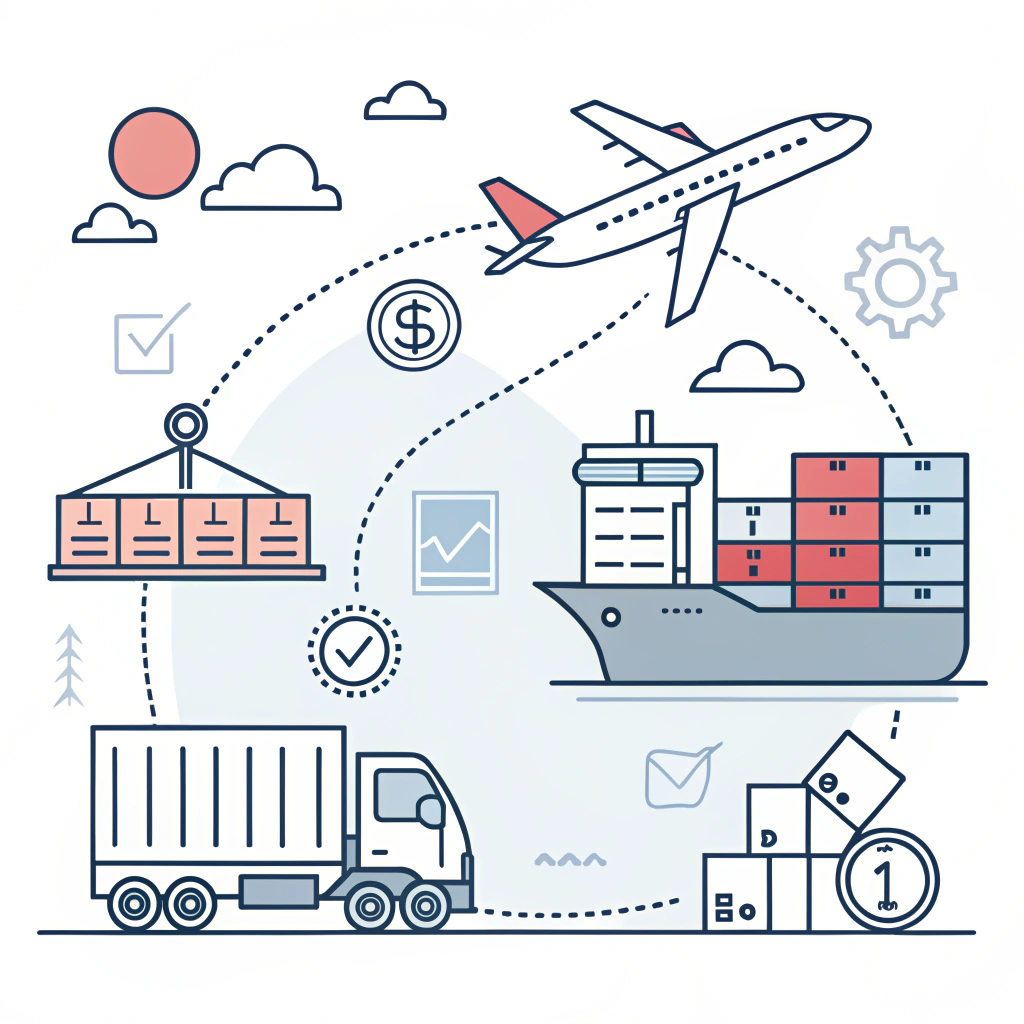
Handling the shipping process from China to the US involves several critical elements:
- Shipping Mode: Decide between sea freight, air freight, or a combination based on product urgency, cost, and volume.
- Freight Forwarders: Consider hiring a reputable freight forwarders5 who can guide you through the shipping process, ensure proper documentation, and coordinate with carriers.
- Customs Clearance: Familiarize yourself with US Customs and Border Protection (CBP) requirements. Proper paperwork is essential to avoid any delays or unnecessary costs during the customs clearance process.
Below is a table summarizing the key documents required for importing from China:
| Document | Purpose |
|---|---|
| Commercial Invoice | Lists the cost, quantity, and description of the goods. |
| Bill of Lading (B/L) or Air Waybill (AWB) | Acts as a shipment receipt and contract with the carrier. |
| Packing List | Details the packing specifications of each shipment. |
| Customs Bond | Guarantees payment of import duties and taxes to CBP. |
| Arrival Notice | Confirms that the shipment is ready for pickup. |
| Entry Manifest (CBP Form 7533) or Entry/Immediate Delivery (CBP Form 3461) | Necessary for declaring imported goods to customs. |
| Import License | Required for controlled goods under certain US regulations. |
- Insurance: Ensure that your shipments are insured against damage, loss, or delays. This added layer of protection can save significant costs in case of unforeseen events.
Negotiating favorable payment terms and safeguarding your transactions is crucial:
- Payment Methods: Choose payment methods that balance convenience with security. Letters of Credit (LC) or escrow services provide protection by ensuring that funds are released only once product quality and shipment terms are verified.
- Incremental Payments: Consider making partial payments based on milestone achievements (e.g., after sample approval, during production, and before shipping) to minimize financial risk.
- Legal Protections: Work with a legal advisor experienced in international trade to ensure your contracts reflect all agreements and provide recourse if issues arise.
Consider the case of a mid-sized US company looking to import consumer electronics from China. They began by identifying several manufacturers on Global Sources and attended a Chinese trade show that specialized in tech products. After narrowing down their list, they sent out detailed RFQs and conducted on-site factory audits to assess quality control processes.
During negotiations, the company emphasized strict quality requirements and secured an agreement for third-party pre-shipment inspections. With quality and logistic measures documented in a comprehensive contract, they proceeded with a small trial order. The trial shipment underwent rigorous customs checks using the correct paperwork, and although there were minor delays due to additional CBP form requirements, the successful order gave them the confidence to scale up production orders. This structured approach minimized risks while optimizing costs and delivery times, ultimately resulting in stronger supplier relationships and improved product quality.
In summary, sourcing and importing products from China to the US involves a multi-layered process that requires careful planning, clear communication, and stringent quality and regulatory controls. Here are some actionable best practices to enhance your sourcing strategy:
- Define clear product specifications and supplier criteria from the start.
- Conduct thorough due diligence and use multiple trusted platforms for supplier identification.
- Negotiate detailed contracts that include quality and compliance clauses.
- Use professional third-party inspectors and trusted freight forwarders to manage logistics.
- Maintain complete and accurate documentation throughout the shipping process.
- Start small with trial orders before scaling up to larger production runs.
By following these steps, you not only streamline your procurement process but also create a transparent and sustainable supply chain that can respond to market dynamics and regulatory changes effectively.
To get products from China to the USA, first identify and vet reliable suppliers through platforms like Alibaba or Global Sources. Next, negotiate clear contracts specifying quality and delivery terms, secure necessary shipping and custom documents (such as Commercial Invoices, Bill of Lading, Packing Lists, and Customs Bonds), and work with trusted freight forwarders to manage logistics and customs clearance.
Yes, you are required to pay import tax or customs duties on goods imported into the USA. The rate depends on the specific product classifications and applicable trade agreements. US Customs and Border Protection enforces these regulations, so it’s essential to budget for these costs and ensure proper classification of your products.
Sourcing a product from China starts with identifying potential suppliers via online platforms or trade shows. It involves clearly communicating your product specifications, requesting detailed quotations, and comparing supplier offerings on quality, cost, and lead times. Always conduct thorough due diligence, including checking certifications and customer reviews, to establish long-term, trustworthy relationships.
By applying the above strategies and ensuring that you address each aspect of the sourcing process, you can build a reliable and efficient supply chain for your business. Enjoy the benefits of streamlined international procurement and enhanced global competitiveness.
-
quality assurance: Reading this article will help you understand systematic methods to maintain and improve product quality throughout the production process. Back to Quality Assurance ↩
-
regulatory compliance: Reading this article will help you grasp legal requirements and industry regulations necessary to ensure smooth cross-border operations. Back to Regulatory Compliance ↩
-
Due Diligence: Reading this article explains the importance of thoroughly evaluating suppliers and partners to mitigate risks before entering a business relationship. Back to Due Diligence ↩
-
RFQ: Reading this article offers insights into crafting effective Request for Quotes to compare supplier proposals and secure competitive pricing. Back to RFQ ↩
-
freight forwarders: Reading this article will help you understand the role of freight forwarders in managing logistics, documentation, and ensuring efficient shipment processes. Back to Freight Forwarders ↩