

Third-party quality control costs vary widely based on several factors, but you can generally expect to allocate anywhere from a small percentage of your overall product value up to several hundred dollars per inspection. The key is understanding what drives these costs and how to assess the potential ROI1 of ensuring high quality through independent quality checks.
Third-party quality control2 (QC) refers to the practice of hiring an independent agency to inspect and verify product quality, supplier compliance, and manufacturing processes. This assurance is vital for B2B companies engaged in international sourcing – particularly from China – where language barriers, varying industry standards, and production reliability are common concerns. independent quality checks3 help mitigate risks, improve regulatory compliance, and enhance customer satisfaction.
An independent QC agency conducts onsite inspections, reviews production lines, and performs tests to confirm that the products meet your specifications and industry standards. This objectivity reduces the risk of quality issues that could lead to costly recalls, delays, or reputational damage.
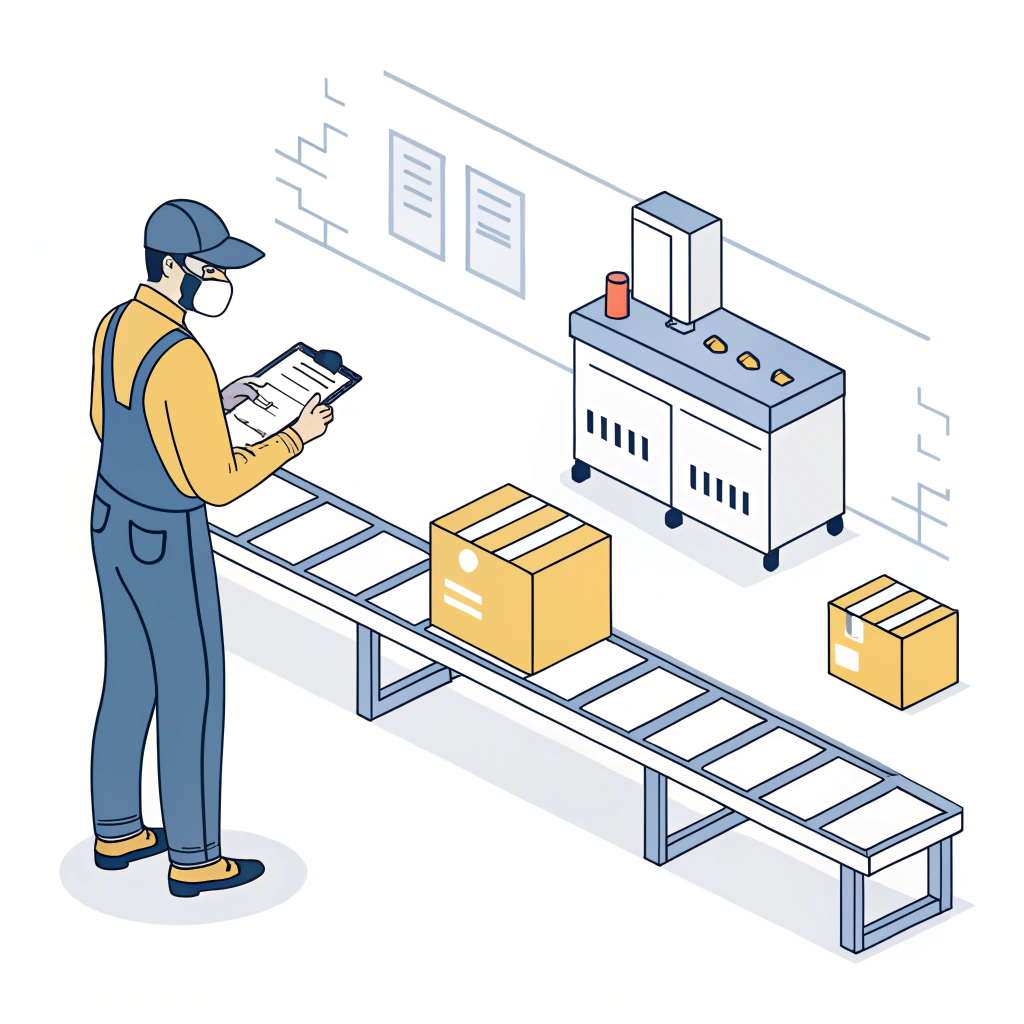
Multiple factors determine the overall cost of third-party QC services. Understanding these factors is essential in budgeting appropriately and ensuring that the inspection is cost-effective relative to your product’s value. The following are the primary influencers:
- Inspection Scope: More comprehensive inspections that cover multiple aspects (e.g., pre-production, in-line, final random sampling) will naturally cost more.
- Product Complexity: Complex products with intricate components require more time and specialized tests, leading to higher costs.
- Production Volume: Larger production runs may lower the cost per unit due to economies of scale but can also necessitate longer inspection periods.
- Supplier Location and Facility Size: The geographic location of your supplier and the size of their facility can impact travel costs and logistical expenses for the QC team.
- Quality Assurance Level: Additional certifications (e.g., ISO4, CE) or specialized industry standards may incur premium charges for advanced testing and documentation.
These factors are interrelated and must be evaluated based on your company’s specific needs and risk tolerance. The cost of QC is not only an expense but an investment in ensuring that your supply chain remains efficient and reliable.
When assessing third-party quality control cost, it helps to break down the expenses into several components:
| Cost Component | Description | Typical Range (USD) |
|---|---|---|
| Inspection Fees | Base fee for the inspection service | $100 – $500 per inspection |
| Travel and Accommodation | For inspectors traveling to suppliers’ sites | Varies based on distance and duration |
| Testing and Certification | Charges for specific tests or certification services | $50 – $300 per test |
| Administration and Documentation | Detailed reporting, follow-up checks, and administrative support | $50 – $150 per order |
The above table provides a rough idea, but actual costs will depend on the inspection complexity and market conditions. A well-planned third-party QC service can help avoid costly production errors, returns, and delays that might far outweigh the inspection fees. For example, investing in QC can prevent a $10,000 shipment recall that would occur if a defect is discovered later in the supply chain. This return on investment (ROI) factor makes a compelling case for budgeting for robust quality control.
Many companies calculate the cost of quality (CoQ)5 by taking into account both the cost of ensuring quality standards and the potential losses from failing to meet those standards. In practice, a small percentage increase in upfront QC costs can lead to significant long-term savings.
Consider a mid-sized electronics manufacturer sourcing components from China. They encountered frequent discrepancies between product samples and final production batches, leading to high returns and customer dissatisfaction. By integrating a comprehensive third-party inspection service that included pre-production, in-line quality checks, and final inspections, they were able to reduce the defect rate by 40%. Although this increased their operational cost by approximately 1.5% of the product value, the reduction in rework costs and improved time-to-market resulted in a substantial net profit increase.
Another example is seen in the apparel industry, where quality control is critical due to variances in fabric, sizing, and stitching. Companies have successfully minimized risk by employing third-party QC, ensuring that every production batch meets both international safety standards and consumer expectations. In such cases, while the inspection fee might seem moderate, the avoidance of major compliance issues and potential litigation costs makes it a worthwhile expense.
Data from various industry reports indicate that when companies incorporate robust third-party quality inspections, the overall cost of production can increase marginally (often by 1-3%), but the savings from avoiding defects, returns, and non-compliance penalties can range between 5-10% of the product’s value. These statistics highlight the importance of using independent quality control not just as an expense but as a risk mitigation strategy.
When budgeting for quality control inspections, it’s critical to consider both quantitative and qualitative factors. Here are some key recommendations:
- Evaluate Inspection Scope: Clearly define what needs to be inspected. A well-scoped inspection balances thoroughness with cost control. Over-inspecting might waste resources, while under-inspecting can lead to significant risks.
- Supplier Relationship and History: Long-term relationships and proven supplier performance can sometimes justify a reduced inspection frequency. Conversely, new or unproven suppliers might warrant more extensive checks.
- Local vs. International Providers: Consider the benefits of hiring locally based third-party inspection firms versus international providers. While local firms might lower travel and overhead costs, international companies might offer more standardized procedures and accreditation.
- Customization of Services: Check if the third-party provider offers customizable packages. Customization allows you to pay for only the necessary inspections, decreasing unnecessary overhead.
- Insurance and Liability: Determine if the inspection services include any liability insurance, which can be beneficial in case product defects cause downstream losses.
- Compare Providers: Use a comparison table to evaluate different third-party inspection agencies based on service quality, cost, turnaround time, and customer reviews.
A comprehensive comparison can be organized as follows:
| Provider | Inspection Scope | Cost Range (USD) | Turnaround Time | Customer Rating |
|---|---|---|---|---|
| Provider A | Full-scale pre, in-line, final | $300 – $700 per order | 3-5 days | 4.5/5 |
| Provider B | Basic pre and final inspection | $150 – $400 per order | 5-7 days | 4.0/5 |
| Provider C | Customizable inspection packages | $200 – $600 per order | 4-6 days | 4.3/5 |
Using such a table will help you make decisions based on not just the cost but the overall value delivered by the service provider.
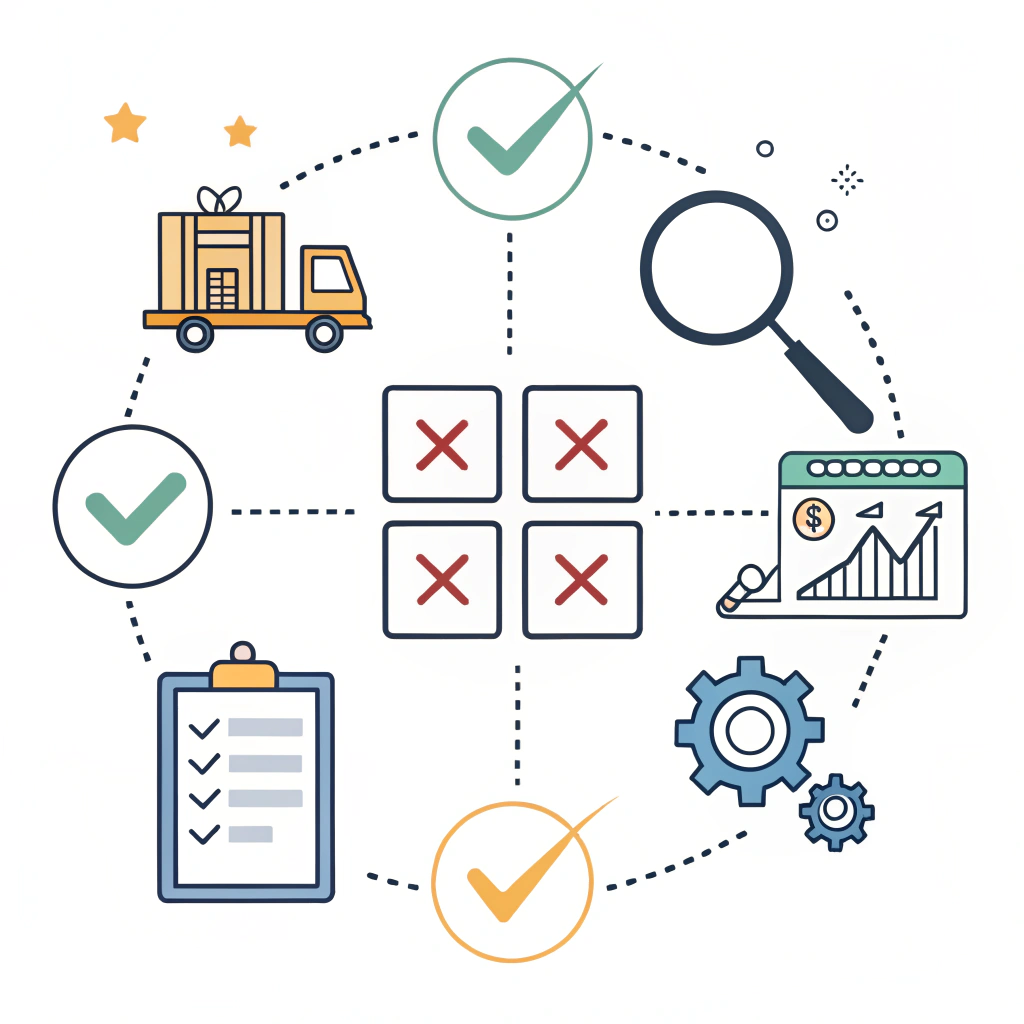
In summary, the cost of third-party quality control is influenced by multiple factors including the inspection scope, product complexity, production volume, and logistical issues. While the fees may appear as an additional cost, the benefits – from reducing product defects to ensuring regulatory compliance – can provide a significant ROI. By carefully evaluating your inspection needs, comparing service providers, and aligning the quality control strategy with your overall sourcing plan, you can optimize both cost and quality.
As you refine your sourcing strategy, consider these action steps:
- Map out your current QC process to identify gaps.
- Prioritize inspections for parts of your supply chain that carry the highest risk.
- Contact multiple service providers for tailored quotes and service breakdowns.
- Factor in the potential cost savings from reduced product returns and increased customer satisfaction.
Investing in quality control is not merely an operational expense; it’s a strategic decision that directly impacts your competitiveness and profitability in the global market. Equip yourself with reliable quality control measures to ensure that your products not only meet but exceed end-customer expectations.
How much does a third-party inspection cost?
The cost of a third-party inspection can vary widely depending on the product, inspection scope, and location. Generally, fees range from a few hundred dollars for simple inspections to more substantial amounts for complex evaluations. It is common for costs to be structured as a percentage of the product’s overall value for larger production runs.
What is quality control cost?
Quality control cost refers to the expenditure involved in ensuring that products meet quality standards, including both the cost of proactive inspections and the costs derived from substandard products. Effective quality control investments can prevent significant downstream losses arising from defects or non-compliance issues.
What is third-party quality control?
Third-party quality control is an independent evaluation process where an external agency inspects products, facilities, or processes to ensure compliance with industry standards. This service provides an objective assessment, helping businesses mitigate risks linked to poor quality and unreliable suppliers.
-
ROI: Click here to understand how measuring the return on investment for quality control initiatives can justify the expenses and save costs in the long run. ↩
-
Third-party quality control: Click here to learn how engaging an independent agency for quality checks can help reduce operational risks, ensure compliance, and maintain high manufacturing standards. ↩
-
independent quality checks: Click here to discover the benefits of impartial inspections that evaluate supplier performance and adherence to industry-specific regulatory standards. ↩
-
ISO: Click here to gain insight into ISO certifications, their role in standardizing quality management systems, and why they matter for international compliance. ↩
-
cost of quality (CoQ): Click here to explore methodologies for calculating the cost of quality, including prevention, appraisal, and failure costs, and how it impacts profit margins. ↩