
2.1 Common Import Policies Worldwide (e.g., FDA Certification, CE Certification)
In global trade, different countries and regions have strict regulatory requirements for imported products to ensure that they meet local safety, quality, and environmental standards. Below are some common import policies to help you understand the compliance requirements for different markets:
FDA Certification (U.S. Food and Drug Administration)
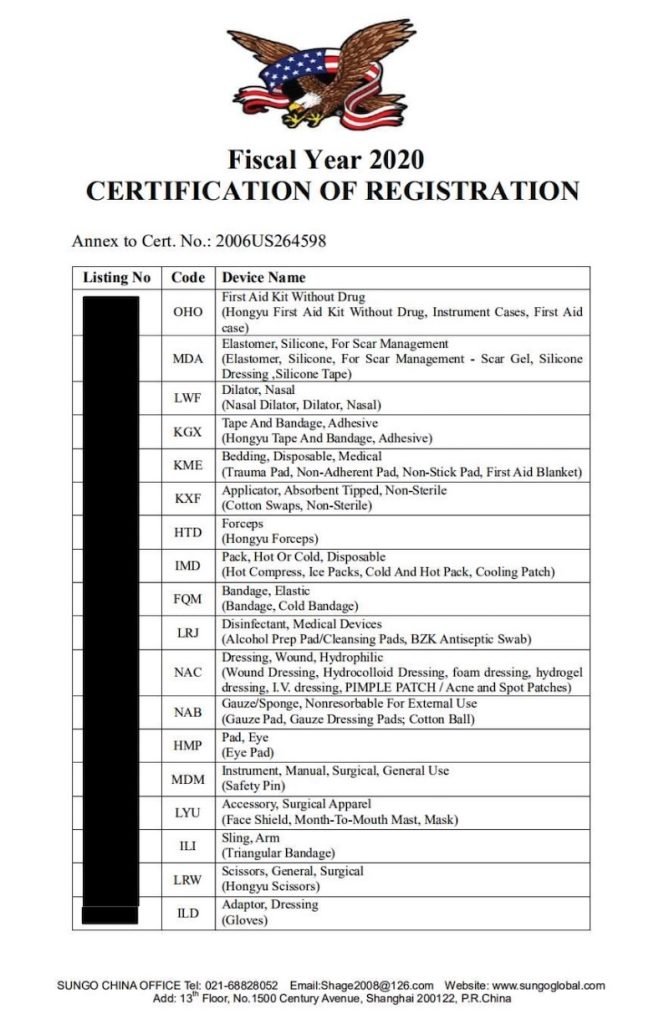
If you want to import products like food, drugs, medical devices, or cosmetics into the United States, you need to ensure that these products comply with FDA requirements. FDA certification is not only to guarantee product quality and safety but also to prevent harmful substances from entering the U.S. market. Each category of products has specific regulations. For instance, drugs and medical devices undergo more stringent approval processes. For example, before a drug can be sold in the U.S., it must be reviewed and approved by the FDA, and medical devices must be registered and comply with FDA manufacturing and design standards.
Example of FDA Cert:
CE Certification (European Market Compliance Certification)
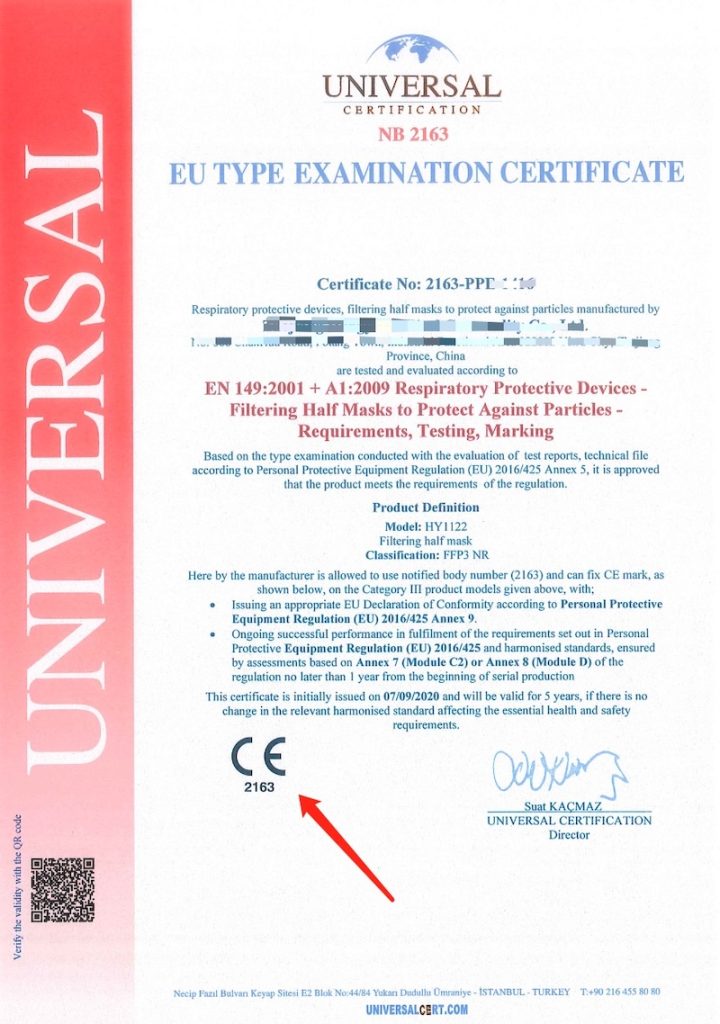
If you plan to sell certain products in Europe, such as electronics, toys, or medical devices, you need to ensure that these products meet the relevant European laws and standards and obtain CE certification. The CE mark indicates that a product complies with the safety, health, and environmental requirements within the European Economic Area (EEA). Only products with CE certification are allowed to circulate freely within the EU market, which is crucial for entering the European market.
Example of CE Cert:
China’s Import Requirements
In addition to the U.S. and European markets, some countries, such as China, have their own set of import regulations. For example, China has strict inspection and quarantine requirements for products like food, drugs, and medical devices. Products related to public health and safety need to be approved by the National Medical Products Administration (NMPA) and undergo registration and certification.
Other Countries’ Import Policies
In addition to FDA and CE, many other countries have their own specific requirements, such as Australia, New Zealand, Canada, and Japan. The policies will vary depending on the product category and market demands. Therefore, it’s important to follow the specific regulations for your target market.
How to Find These Certification Requirements?
If you’re unsure about what certifications your product needs, here are a few ways to find out:
- Visit the official government websites of different countries, which typically provide specific certification requirements and procedures.
- Consult experienced import agents or trade advisors. For instance, Mangors Sourcing can provide you with detailed information about certifications in different countries and help you ensure your products comply with local regulations.
2.2 Required Import Permits and Documents
In addition to meeting specific product certification requirements, you also need to prepare a series of administrative documents and permits during the import process to ensure your products can smoothly pass through customs and enter the target market. Different countries have different regulations, but here are some common import permits and documents:
Import License
Some products require specific import licenses to enter a destination country. Typically, sensitive goods such as pharmaceuticals, medical devices, chemicals, and agricultural products require an import license. For example, in the U.S., some drugs and medical devices must obtain an FDA import license before entering the market. Similarly, Europe has similar requirements for certain high-risk products.
Commercial Invoice and Packing List
These are basic import documents used for customs declaration. The commercial invoice should include detailed information about the product, such as the price, quantity, description, and both the shipper and consignee details. The packing list provides details of the contents in each package, helping customs verify whether the items match the declaration.
Certificate of Origin
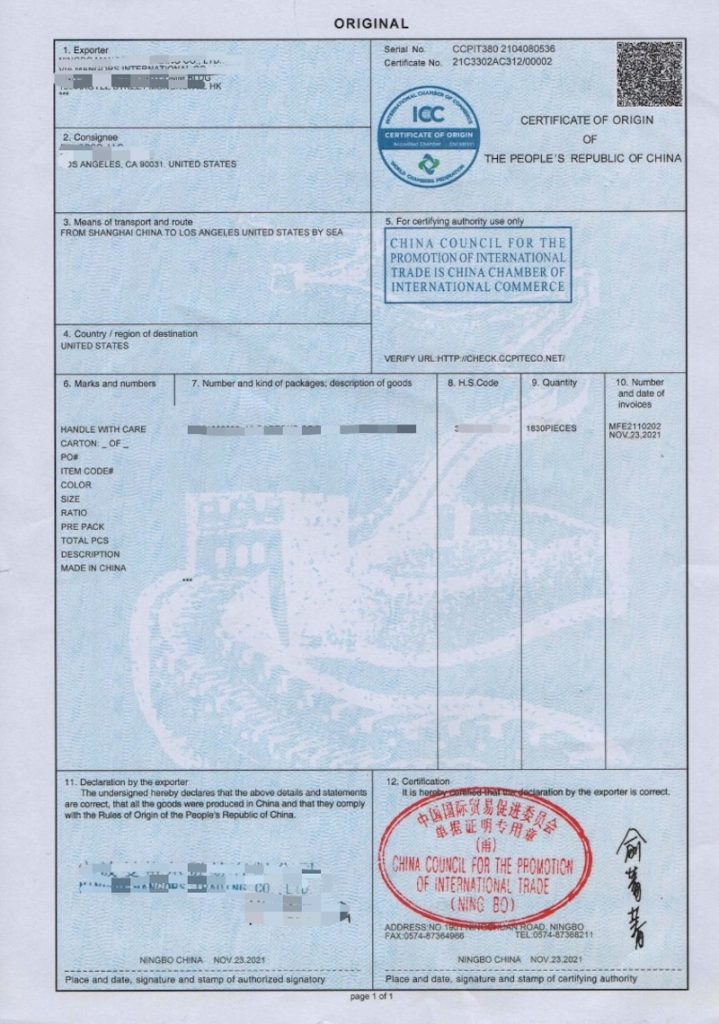
A certificate of origin is a document that proves where a product is made. Many countries require a certificate of origin to ensure the product complies with local import duty policies. This document is especially important when you benefit from certain trade agreements (such as free trade agreements).
Example of Certificate of Origin:
Shipping and Logistics Documents
These include bills of lading, transport documents, and shipping certificates for sea or air transport. These documents ensure that the transportation process from the point of departure to the destination is legal and compliant. These documents are also essential for customs clearance.
Other Required Documents for Customs Clearance
Some countries have higher requirements for specific products such as food, cosmetics, and medical devices. These products may need to provide safety standard reports, quality inspection reports, and ingredient lists during the import process. These documents ensure that the products meet the quality and safety standards of the target market.
How to Prepare These Documents?
These documents usually need to be prepared in the following ways:
- Confirm and obtain the necessary documents from the supplier, such as invoices, packing lists, and product certification.
- For special certifications (such as FDA or CE), you need to apply and obtain approval in advance.
- Work with a professional customs broker or import service provider to ensure your documents are complete and compliant with the destination country’s requirements.
Summary
Import regulations and policies can be divided into two main categories: One involves product-specific certification requirements (such as FDA, CE certifications) to ensure the product meets the target market’s quality, safety, and compliance standards. The other involves various administrative documents and permits that are required during the import process, which are crucial for ensuring your products can enter the market smoothly. Understanding and adhering to these requirements will help you avoid cumbersome customs issues and reduce trade risks, ensuring your import business runs smoothly.
If you’re unsure how to search for and prepare the relevant certifications and documents, Mangors Sourcing can help you understand the specific requirements for different markets, ensuring you complete the import process quickly and efficiently.