

Quick answer (for Google snippet)
Importing Labubu from China is doable and common — but you must pick the right channel (authorized distributor or licensed factory), verify authenticity and licensing, meet toy-safety tests (EN711, ASTM F963, CPSIA), calculate landed cost2 (unit price + freight + duty + testing + QC), and pick Incoterms3 that match your risk appetite (FOB / DDP). This guide gives a practical decision matrix, step‑by‑step checklist, supplier scripts, compliance checklist, a sample landed‑cost table, and negotiation levers to help you decide and close the deal safely.
Why this matters
You’re adding a collectible designer toy to your assortment. Collectibles like Labubu have high visual appeal but also high IP risk and strong customer expectations for authenticity. Choosing a cheap unverified source can create brand, legal and safety problems that wipe out margins.
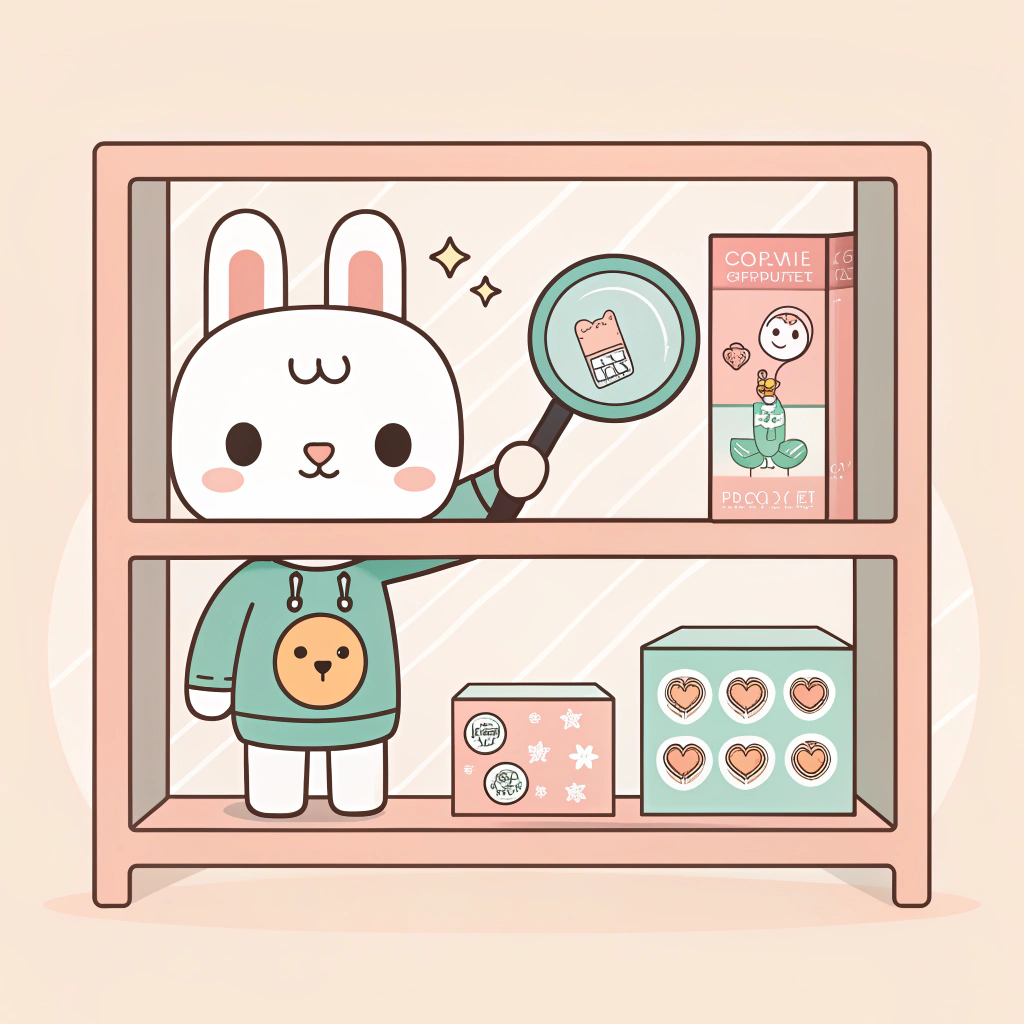
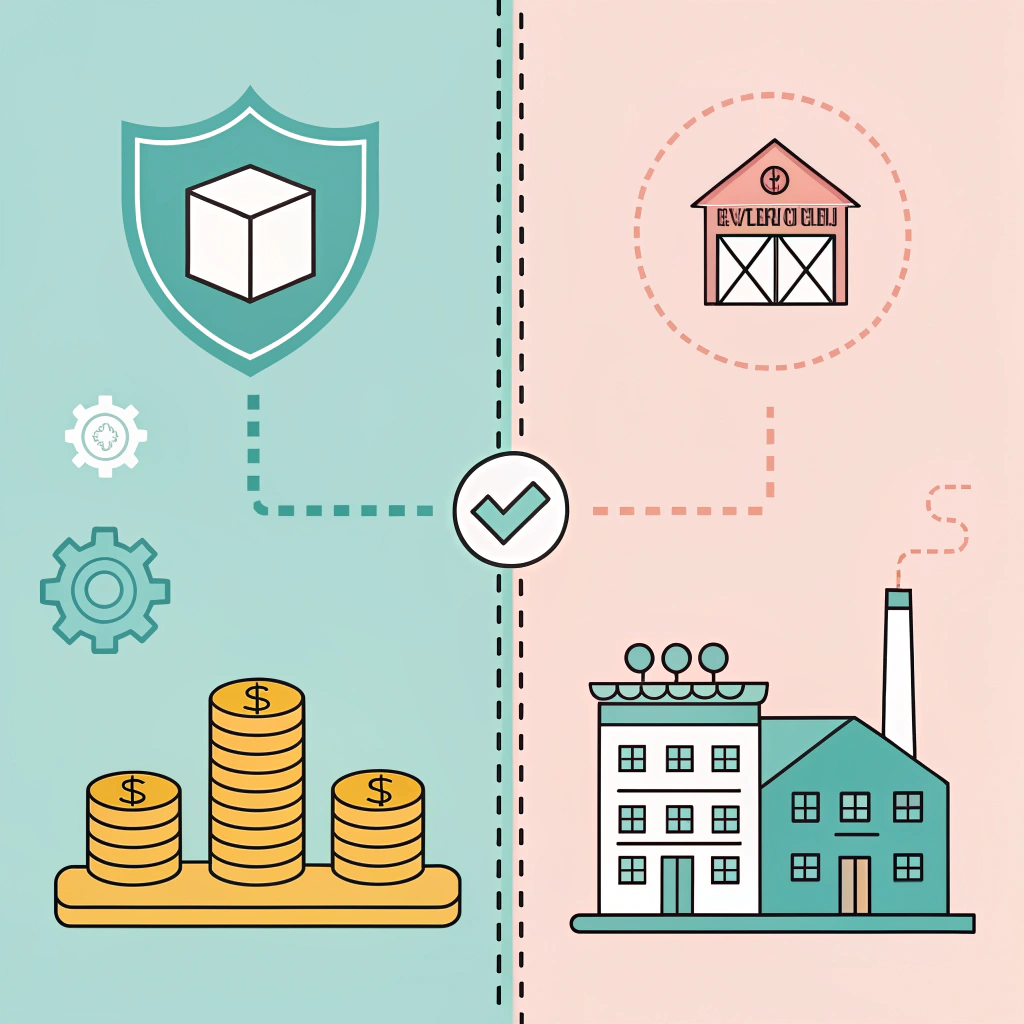
Which sourcing route should you choose? Quick comparison
- Authorized distributor / official Pop Mart channel
- Pros: Lowest IP risk, verified supply, product authenticity, sometimes manufacturer warranty and official packaging.
- Cons: Higher unit cost, higher MOQ or minimum order value, limited negotiation room.
- Licensed factory / contract manufacturer
- Pros: Potentially lower price, more flexibility on MOQ and packaging changes.
- Cons: Higher IP and counterfeit risk unless you verify licensing documents and brand authorization.
Use the decision framework below to choose based on your priorities (authenticity vs margin vs flexibility).
Decision framework (short checklist)
- If authenticity and low legal risk are your priority → start with authorized distributors or Pop Mart’s official export channels.
- If price flexibility and private labeling are priority → consider licensed factories only after obtaining written licensing or clear purchase invoices from the brand.
- If you need exclusivity or custom packaging → negotiate directly with a licensed manufacturer that has brand permission.
- If lead time and predictable replenishment matter → prefer established distributors with stock/regular shipments.
Step‑by‑step sourcing playbook (detailed)
-
Define the SKU and specs
- Exact product name, SKU, series, edition, packaging variant, languages on box, barcode, and accessory list.
- Record images of official product pages (Pop Mart or brand site).
-
Choose supplier types to approach
- Official distributor / brand export office
- Licensed factory (if license verified)
- Established toys wholesalers (lower risk than unknowns)
- Avoid anonymous marketplaces for bulk purchases
-
Supplier outreach script (first contact)
- Email subject: Inquiry for Labubu [Model/Series] — Wholesale / Distributor
- Body template (short):
- Who you are (B2B buyer), order quantity, target market, required lead time, request for:
- Proof of authorization (authorization letter OR invoice from Pop Mart)
- Unit price (FOB), MOQ, sample policy, lead time
- Copy of safety test reports (EN71 / ASTM / CPSIA) and packaging photos
- Payment terms and export experience
- Who you are (B2B buyer), order quantity, target market, required lead time, request for:
- Ask for product photos including box back with barcodes and manufacturer info.
-
Verify authenticity and licensing
- Request an authorization letter4 on brand letterhead OR official distributor certificate.
- Ask for a recent invoice showing the seller purchased from Pop Mart / brand (PO chain).
- Verify brand trademarks and licensing via Pop Mart’s official channels or brand registry.
- Look for anti‑counterfeit features on packaging (hologram, QR code, batch number). Scan QR codes if present.
-
Compliance & testing (must-have)
- For EU: EN71‑1/2/3, EN71‑9 (chemical), REACH SVHC declarations, CE marking evidence.
- For US: ASTM F963 tests, CPSIA lead and phthalates test reports, CPSC tracking label guidance.
- For other markets: check local toy safety standards and lab requirements.
- Always request test reports showing product and batch details. If in doubt, plan a third‑party re‑test before shipment.
-
Quality control (pre‑production and pre‑shipment)
-
Logistics & Incoterms
- Common choices: FOB (seller loads on vessel), CIF/CRF, DDP (seller handles everything), EXW (buyer handles everything).
- For first importers, FOB + freight forwarder you control is safer than EXW.
- Choose FCL if your order volume justifies it; LCL or air for samples/smaller orders.
- Ensure packaging and carton markings meet customs requirements and include tracking/serials if required.
-
Payment and risk management
- Small orders / first orders: 30% T/T deposit, 70% against B/L or inspection.
- For verified distributors: negotiate net terms if you have a business history.
- Avoid large prepaid sums to unknown suppliers — use escrow or LC if available.
-
Labeling, barcodes and retail requirements
- Confirm UPC/EAN/GTIN requirements for your market and distribution channel.
- Check language requirements for warnings and age grading.
- Confirm battery or electronic disclaimers if applicable.
-
Insurance and recall planning
- Get product liability insurance and consider adding recall insurance.
- Maintain documentation (batch numbers, test reports, inspection reports) for traceability.
Supplier vetting checklist and red flags
- Must have: authorization letter OR verifiable invoice chain from Pop Mart; recent test reports; clear company registration; factory photos.
- Red flags:
- Refusal to share authorization or test reports.
- Price drastically lower than market averages without explanation.
- New supplier with no verifiable export history.
- Stock photos only (no photos of your serial number / batch).
Sample supplier email (authentication request)
- “We are preparing a purchase order for 500 units of Labubu [Model]. Before proceeding, please provide: a) your authorization letter from Pop Mart or licensed owner; b) recent EN71/ASTM/CPSIA test reports associated with the same SKU or production batch; c) unit price FOB Shanghai for MOQ 500; d) lead time and sample policy. We will verify documents with the brand.”
Negotiation levers (what to ask for)
- Lower unit price by committing to year volume or repeat orders.
- Reduced MOQ in exchange for higher unit price on first order.
- Include pre‑shipment inspection and a discount or remedy for failed inspection.
- Payment split: smaller deposit + balance against inspection/B/L.
- Request images and video of production to reduce perceived risk.
Sample landed cost calculation (example)
| Item | Value (USD) | Notes |
|---|---|---|
| Unit cost (FOB) | 8.00 | Supplier quote per unit |
| MOQ | 500 units | Total product cost = 4,000 |
| Sea freight (FCL/20’) | 1,200 | Approximate (allocate per unit) |
| Insurance | 80 | Small % of cargo value |
| Import duty | 4% of CIF | Example destination duty (adjust for country) |
| VAT / GST | 0–20% | Depends on destination |
| Customs clearance & fees | 250 | Broker, docs |
| QC & testing | 300 | Spot testing and inspection |
| Landed cost per unit (approx) | ≈ 11.5–13.5 | Final varies by duty and VAT |
Notes: Tweak duty and VAT for your market. For EU, include 20% VAT; for US VAT is 0 but state sales tax may apply.
Quality inspection scope (recommended)
- Visual: paint consistency, seams, accessories, packaging
- Chemical: lab test certificates for lead/phthalates
- Mechanical: small parts, choking hazards, tensile tests where relevant
- Labeling: age grade, warnings, country of origin, tracking labels
Anti‑counterfeit measures
- Ask suppliers for batch numbers, serialization, and hologram images.
- Cross‑check packaging barcodes with brand database.
- Buy a small test quantity from an official channel and compare packaging, colors, and weight vs supplier sample.
Common legal/IP pitfalls
- Reselling branded collectibles without authorization may expose you to takedown, seizure, or civil claims.
- Even if a factory claims “we own molds”, check for written license. Molds alone don’t prove ownership of IP.
- Keep all purchase records and correspondence in case of disputes.
Practical recommendation (one‑page action plan)
- Contact official Pop Mart or known distributors to get baseline pricing and authorization evidence.
- Simultaneously shortlist 2–3 licensed factories or distributors and request documents + samples.
- Verify test reports with labs or plan re‑testing.
- Calculate landed cost and margin; decide if authorized route (higher price, lower risk) or licensed factory (cheaper, higher diligence) suits you.
- Place a small first order (MOQ or less via distributor) with strict QC and pre‑shipment inspection.
- Build SOPs for future replenishment, including test refresh intervals every 12–18 months.
Summary
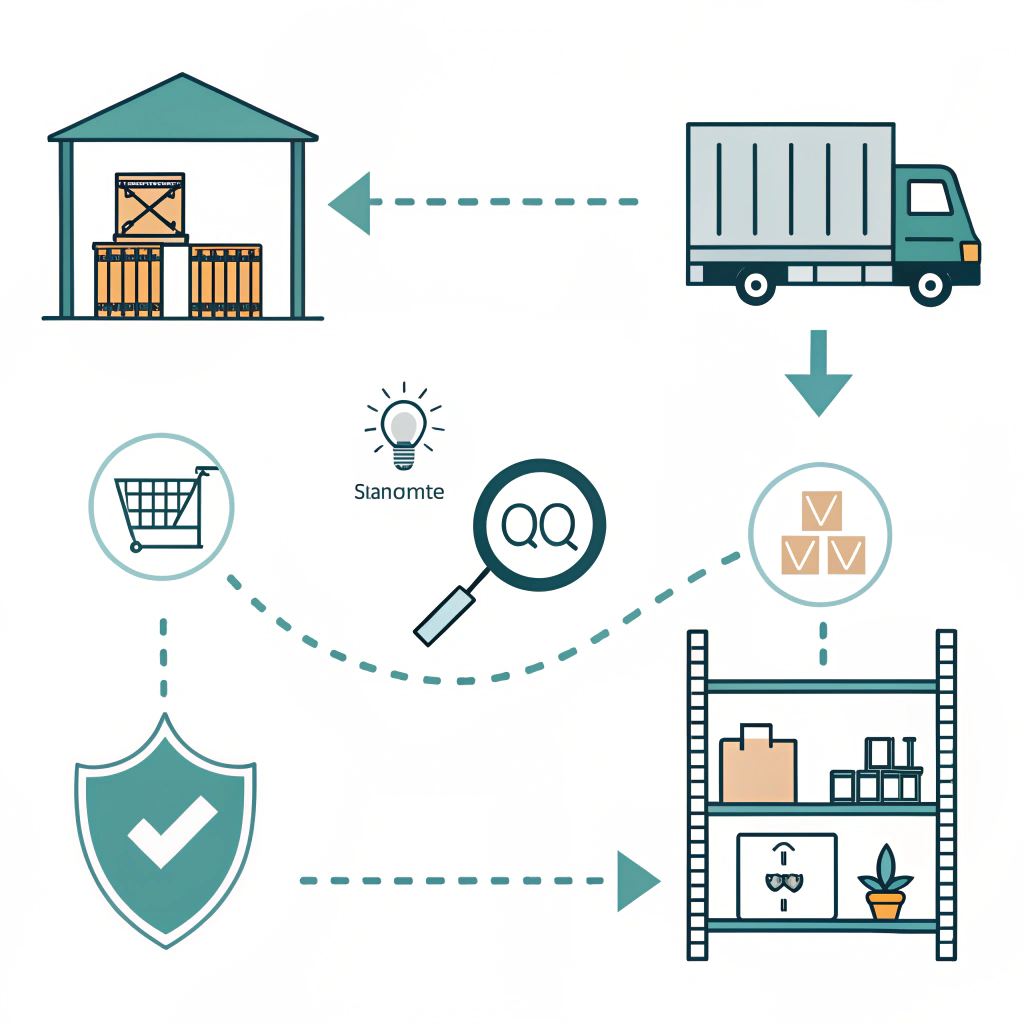
Sourcing Labubu from China is straightforward if you follow a disciplined process: verify authenticity and licensing, insist on up‑to‑date safety test reports, choose appropriate Incoterms, and apply robust QC (AQL + third‑party inspection). The simplest low‑risk route is to buy through authorized distributors; the factory route can save cost but requires more legal and technical verification. Use the supplier scripts and checklists above as your standard operating procedure to reduce IP, compliance, and quality risk.
People Also Ask
Q: Can you get Labubu in the US?
A: Yes. Labubu and many Pop Mart products are sold in the US through official brand storefronts and authorized retailers. You’ll find Pop Mart’s products on major marketplaces and specialist toy retailers; buying from authorized US/official channels reduces IP risk and ensures local warranty and compliance.
Q: How can I import directly from China?
A: You can import directly by identifying a legitimate supplier, securing a commercial invoice, packing list and bill of lading/air waybill, and complying with your country’s customs rules (import license where required, correct HS code, and payment of duties and VAT). For toys, ensure you have required safety test reports (EN71, ASTM F963, CPSIA) and a responsible import compliance process. Many buyers use FOB terms and a freight forwarder to manage sea shipments and customs clearance; DDP can be used to shift clearance responsibility to the seller at a higher cost.
-
EN71:Read to understand the EU toy safety standard (parts 1–3 and chemical testing), what test reports must include, CE marking expectations, and how to validate laboratory certificates for EU market entry. ↩ ↩
-
landed cost:Reading explains all cost components to include (unit, freight, insurance, duty, VAT/GST, clearance, inspection), shows per‑unit allocation methods and examples so you can model margins and price correctly. ↩ ↩
-
Incoterms:Learn which Incoterms (FOB, EXW, CIF, DDP, etc.) allocate cost, risk and responsibility at each stage of shipment — essential for selecting terms that match your logistics control and risk appetite. ↩ ↩
-
authorization letter:Understand what a valid brand authorization looks like (brand letterhead, scope, dates, contact verification), how to request verification invoices, and steps to confirm licensing legitimacy to avoid IP exposure. ↩ ↩
-
AQL:Get a practical primer on Acceptable Quality Limit sampling plans, defect classification (critical/major/minor), common AQL thresholds, and how to set inspection levels to protect toy safety and your brand. ↩ ↩