
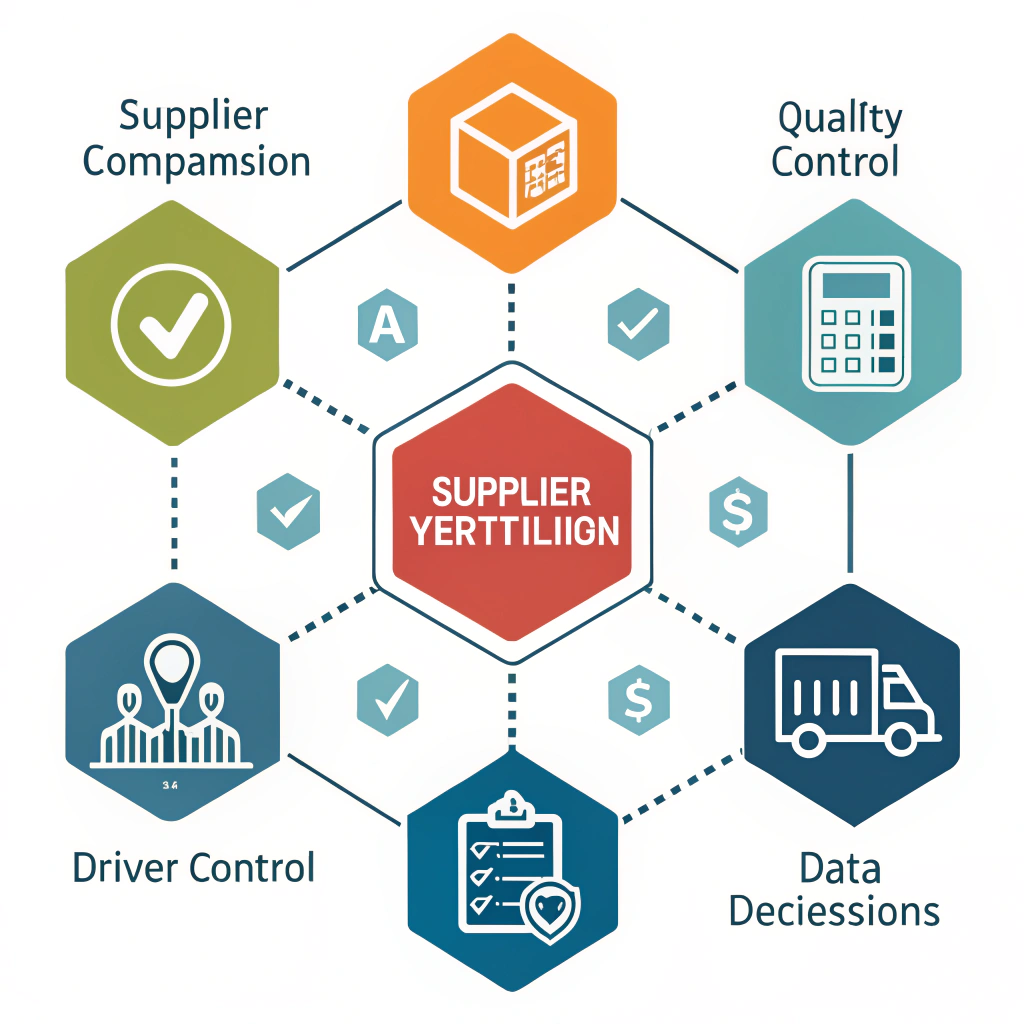
Labubu can be purchased by following a structured sourcing process that focuses on verified suppliers, rigorous quality control, and transparent price comparisons. This article details how procurement managers and sourcing agents can confidently find and buy Labubu from reliable vendors, ensuring high quality and competitive pricing.
Finding a quality Labubu supplier1 involves more than a simple online search. In today’s competitive B2B sourcing environment, companies must navigate a complex market that includes potential language barriers, varying quality standards, and different pricing models. With Labubu products gaining popularity, the market for reputable Labubu distributors has become competitive, and the buyer must ensure that they select a partner who meets both the quality and compliance standards expected in international trade.
The primary challenges include:
- Identifying verified Labubu vendors2 amidst numerous unverified sources.
- Comparing prices effectively while ensuring the authenticity and performance of the product, as determining the Labubu price3 becomes challenging.
- Managing the risks associated with international purchasing, including logistic and regulatory hurdles.
Procurement managers often encounter several pitfalls when sourcing Labubu from overseas markets, especially when dealing with suppliers from regions with less predictable regulatory oversight. The main risk factors include:
- Supplier Credibility: Not every supplier claiming to provide Labubu meets the necessary quality standards. Inconsistent quality management can lead to subpar products.
- Price Inconsistencies: Without industry benchmarks, comparing Labubu price becomes challenging. Variability in pricing may reflect hidden costs or compromise product quality.
- Market Transparency: Limited disclosure of production practices and quality control procedures from some suppliers adds complexity to the sourcing process.
- Regulatory and Compliance Issues: Different countries have unique compliance requirements, and ensuring that a supplier adheres to international quality standards is critical.
These risks highlight the necessity for a systematic approach in supplier evaluation and negotiation.
To streamline the sourcing process and ensure that procurement managers make informed decisions, here’s a comprehensive roadmap:
Start by compiling a list of potential Labubu suppliers. Use multiple channels:
- Online directories and B2B marketplaces specializing in Labubu products.
- Industry trade shows and supplier exhibitions.
- Recommendations from trusted industry peers.
Ensure that the suppliers on your list have well-established digital footprints and verifiable company credentials.
2. Supplier Verification and Due Diligence4
Before engaging in negotiations, verify the legitimacy of each supplier with these key steps:
- Request Company Certifications: Check for internationally recognized quality certificates and inspection reports.
- Review Company History: Research feedback from current and previous customers.
- Assess Infrastructure: Evaluate the supplier’s production capacity and quality control processes.
- Conduct Site Audits: If possible, arrange for an onsite inspection or an independent third-party audit.
Document these steps in a checklist to compare suppliers side-by-side. The table below provides a sample evaluation format:
| Evaluation Criterion | Supplier A | Supplier B | Supplier C |
|---|---|---|---|
| Company Certification | ✓ | ✓ | – |
| Customer Feedback | Positive | Mixed | Positive |
| Production Capacity | High | Medium | High |
| Quality Control Procedures | Documented | Partial | Documented |
| Onsite Audit Availability | Yes | No | Yes |

After verifying supplier credibility, the next step is to analyze pricing while considering:
- Unit Price vs. Bulk Discount: Understand how scale affects pricing.
- Hidden Costs: Factor in shipping, customs duty, and additional quality inspection charges.
- Payment Terms: Most suppliers will offer incentives for upfront payment or large orders.
Prepare a price comparison matrix. For each supplier, list:
- Base price per unit
- Bulk discount rates
- Total landed cost estimate
Summarizing this information in a table ensures transparency and forms a robust basis for negotiation.
Quality control is critical when purchasing Labubu in bulk:
- Third-Party Testing5: Engage independent quality control services to inspect Labubu samples.
- Prototype Order: For new suppliers, consider an initial small purchase to evaluate quality and consistency.
- Document Test Results: Maintain records of test outcomes and any deviations from expected standards.
Once you have shortlisted potential suppliers, enter negotiations with clear procurement goals:
- Define Quality Standards: Clearly specify performance metrics and tolerances.
- Set Deadlines: Agree on delivery timelines and penalties for delays.
- Discuss After-Sales Service: Ensure that the supplier offers reliable customer support, especially post-purchase.
- Clarify Payment Terms: Secure favorable payment options with room for contingencies.
Negotiation should be data-driven. Use your documented evaluation and quality assurance data as leverage during discussions.
The purchasing process does not stop at the transaction:
- Shipping Arrangements: Ensure that logistics are clearly defined, with arrangements for customs clearance.
- Post-Purchase Inspection: Plan for a final quality check upon delivery.
- Feedback Loop: Open a direct line for communication to report any discrepancies or issues, paving the way for future orders.
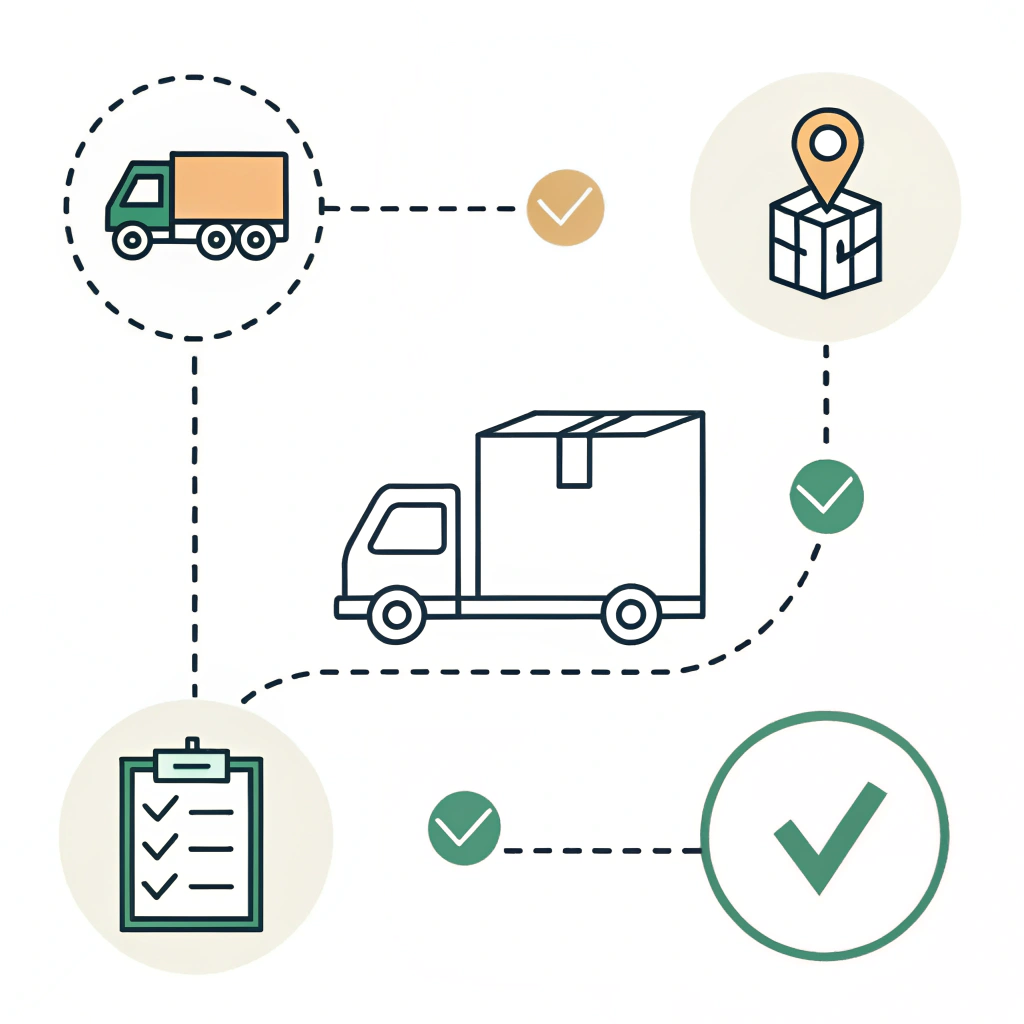
Many sourcing agents have found that detailed data analysis increases the likelihood of successful transactions. For instance, a case study involving a major procurement manager revealed that detailed supplier verification and cost comparison reduced unexpected costs by 20%. By applying a systematic approach, you can identify discrepancies early, thereby mitigating risks.
Consider a large electronics manufacturer that had difficulties sourcing quality Labubu for its specialized production line. The manufacturer:
- Compiled a list of over 30 potential vendors.
- Narrowed the list through a rigorous supplier verification process.
- Tested product samples and negotiated bulk pricing terms.
- Successfully reduced procurement costs by 15% while improving product consistency.
This example demonstrates that a structured approach supported by data and due diligence yields tangible benefits. By relying on a verified process, you not only secure a reliable supply of Labubu but also build a robust supplier network for future needs.
To ensure a smooth sourcing experience, consider these actionable tips:
- Early Planning: Begin your supplier search well before your stock depletes to account for delays in negotiations and shipping.
- Regular Audits: Keep an updated record of supplier performance, and schedule periodic audits to maintain quality.
- Leverage Technology: Use procurement software to track orders, manage supplier databases, and monitor quality metrics.
- Stay Updated: Follow industry news and regulatory changes that may affect supplier reliability or pricing.
In conclusion, purchasing Labubu successfully requires deep market insight combined with a systematic, data-driven approach. By adhering to the detailed steps outlined above—from initial supplier identification to rigorous quality assurance and effective negotiation—you can mitigate risks and secure a reliable supply chain. Implement these strategies to transform your procurement process and ensure that every sourcing decision aligns with quality and cost objectives.
Q1: What is the best way to verify a Labubu supplier?
A1: The best way to verify a Labubu supplier is by reviewing their certifications, conducting onsite audits or third-party inspections, and gathering customer feedback. This thorough due diligence ensures that the supplier meets international quality standards.
Q2: How can I compare Labubu prices among different suppliers?
A2: To compare Labubu prices, create a detailed cost analysis that includes unit pricing, bulk discount structures, and additional expenses such as shipping and taxes. Using a structured comparison table can help clarify differences and support effective negotiations.
Q3: What steps should be taken to ensure quality control when purchasing Labubu?
A3: Ensure quality control by ordering a sample batch, engaging independent third-party testers, and setting clear quality benchmarks in your contract. Implementing these steps can help maintain product consistency and reduce supplier-related risks.
-
Labubu supplier: Click to learn more about identifying and selecting suppliers that meet international quality and reliability standards. ↩
-
Verified Labubu vendors: Click to explore effective strategies for distinguishing between verified and unverified vendors in the Labubu market. ↩
-
Labubu price: Click to understand the key factors affecting pricing in the Labubu market and how to perform robust price comparisons. ↩
-
Due Diligence: Click to read more about the essential steps and best practices for conducting due diligence during supplier evaluation. ↩
-
Third-Party Testing: Click to discover how independent testing can ensure product quality and reliability, thereby reducing procurement risks. ↩