
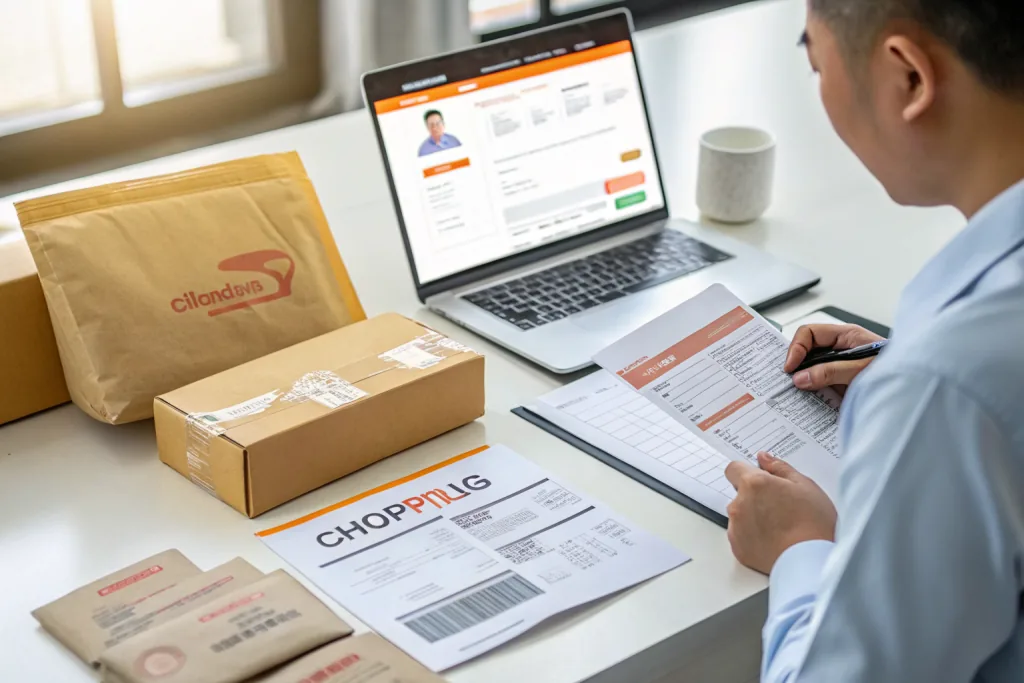
Getting product samples from China involves contacting suppliers through platforms like Alibaba or Global Sources, negotiating sample terms, arranging payment (typically $50-300 per sample plus shipping), and coordinating international delivery which usually takes 3-7 days via express courier. Professional buyers work with experienced China sourcing agents like Mangors Sourcing to streamline this process, ensure quality control, and navigate customs requirements efficiently.
How to Get a Sample from China?
To get a sample from China, you need to identify qualified suppliers, request samples directly with clear specifications, negotiate sample fees and shipping costs, make payment through secure methods, and arrange international courier delivery to your location. Here’s the complete step-by-step process:
Step 1: Identify and Vet Potential Suppliers
Start by researching suppliers on B2B platforms such as Alibaba, Made-in-China, or Global Sources. Look for manufacturers with Gold Supplier status, transaction assurance, and verified credentials. Check their trade assurance history, minimum order quantities (MOQs typically range from 100-1,000 units), and customer reviews. Export-focused factories usually have established sample programs, while smaller workshops may be less experienced with international sample shipping.
Step 2: Request Samples with Detailed Specifications
Contact 3-5 suppliers with a professional inquiry that includes your product specifications, intended use, target market, and timeline. Be specific about materials, dimensions, colors, packaging, and any certifications needed (FDA, CE, FCC, etc.). Request both existing samples from their current production and, if possible, customized samples matching your exact requirements. Expect existing samples to cost $30-150 per unit, while customized samples typically range from $100-500 depending on complexity.
Step 3: Negotiate Sample Terms and Costs
Chinese suppliers typically charge for samples to cover production costs and filter serious buyers from casual inquirers. Standard sample fees break down as follows:
| Sample Type | Typical Cost Range | Production Time | Refund Policy |
|---|---|---|---|
| Existing Product Sample | $30-150 per unit | 1-3 days | Often refundable with order |
| Customized Sample | $100-500 per unit | 7-15 days | Sometimes refundable |
| Complex/Technical Sample | $300-1,000+ per unit | 15-30 days | Rarely refundable |
Many suppliers will refund sample costs when you place a bulk order, typically if your order value exceeds $1,000-3,000. Always get this agreement in writing before paying.
Step 4: Arrange Payment
Use secure payment methods for sample transactions. PayPal (with 3-4% transaction fees) offers buyer protection and is widely accepted. Bank wire transfers work for larger amounts but lack recourse options. Alibaba Trade Assurance provides protection for transactions conducted through their platform. Avoid Western Union or MoneyGram, which offer no buyer protection. For first-time suppliers, insist on traceable payment methods.
Step 5: Coordinate International Shipping
Express courier services dominate sample shipping from China. Here are realistic costs and timelines:
- DHL Express: $25-60 for 1-2kg, 3-5 business days to US/Europe
- FedEx International Priority: $30-65 for 1-2kg, 3-6 business days
- UPS Worldwide Express: $28-58 for 1-2kg, 4-6 business days
- China Post EMS: $15-30 for 1-2kg, 7-15 business days (less reliable tracking)
Suppliers often quote higher shipping rates and pocket the difference. Request they use your courier account number (if you have one) or ask for actual shipping receipts. For multiple samples, consolidate shipments to save costs—shipping 5kg costs approximately $60-90, while five separate 1kg shipments would cost $125-250 total.
Step 6: Inspect and Evaluate Samples
Upon arrival, conduct thorough quality inspection. Check materials, construction quality, functionality, dimensions, weight, and packaging. Compare against your specifications and industry standards. Test durability and performance under real-world conditions. Document any defects or deviations with photos and measurements. This evaluation determines whether to proceed with the supplier or continue searching.
Working with Mangors Sourcing streamlines this entire process. As an experienced China sourcing agent, Mangors handles supplier vetting, negotiates better sample terms, coordinates logistics, and conducts preliminary quality inspections before samples ship—saving you time and reducing risks when sourcing from China.
Are There Tariffs on Samples from China?
Samples from China are generally exempt from import duties if they have no commercial value and are imported solely for review, testing, or solicitation purposes, though customs authorities require proper documentation declaring them as “samples of no commercial value” with values typically under $200-800 depending on the destination country.
US Sample Import Regulations
Under US Customs and Border Protection (CBP) regulations, commercial samples may qualify for duty-free entry under specific conditions:
- De Minimis Value: Shipments valued under $800 enter duty-free under Section 321, regardless of product category (increased from $200 in 2016)
- Sample Marking: Items must be marked, torn, perforated, or otherwise treated to prevent commercial sale
- Quantity Limits: Must be reasonable quantities for sampling purposes only—typically 1-3 units per style
- Documentation: Commercial invoice must clearly state “SAMPLES – NO COMMERCIAL VALUE” or similar designation
Despite the $800 de minimis threshold, most sample shipments value between $50-300 stay well below this limit. However, if you’re importing 20 samples at $100 each ($2,000 total declared value), you’ll likely face standard import duties ranging from 0-25% depending on the product category, plus the Section 301 China tariffs (7.5-25%) if applicable to your product classification.
European Union Sample Rules
EU customs regulations allow duty-free sample imports under specific conditions. Samples must be of negligible value (typically under €150-400 depending on member state), imported in small quantities that prevent commercial use, and clearly marked as samples. The supplier should declare them properly on customs documentation to avoid duties and VAT charges.
Practical Tips to Avoid Sample Duties
- Request suppliers declare realistic but minimal values (actual sample cost, not production value)
- Ensure invoices clearly state “samples for evaluation purposes only”
- Keep individual shipments under de minimis thresholds when possible
- Maintain documentation proving samples aren’t for resale
- Work with experienced logistics partners familiar with sample import procedures
Mangors Sourcing assists clients with proper customs documentation for sample shipments, ensuring compliance with import regulations while minimizing unnecessary duties and customs delays.
How to Get Products from China to the US?
To get products from China to the US, you arrange international freight shipping (sea freight for large orders taking 25-40 days at $500-2,000 per container, or air freight for urgent shipments taking 5-8 days at $4-8 per kilogram), clear US customs with proper documentation, pay applicable duties and tariffs, and coordinate final delivery to your warehouse or fulfillment center.
Choosing Your Shipping Method
Your shipping method depends on order size, urgency, and budget. Here’s a realistic comparison:
| Shipping Method | Best For | Transit Time | Typical Cost | Minimum Volume |
|---|---|---|---|---|
| Express Courier (DHL/FedEx) | Samples, urgent small orders | 3-7 days | $6-12/kg | None |
| Air Freight | Medium orders, faster delivery | 5-8 days | $4-8/kg | 100kg+ |
| Sea Freight (LCL) | Medium orders, cost-conscious | 25-35 days | $100-300/CBM | 2+ CBM |
| Sea Freight (FCL) | Large orders, best value | 25-40 days | $1,500-4,000/container | 15+ CBM |
A 20-foot container (20GP) holds approximately 28 cubic meters and 10,000-12,000 kg of cargo. A 40-foot container (40GP) holds roughly 58 cubic meters and 20,000-24,000 kg. Current sea freight rates from major Chinese ports (Shenzhen, Ningbo, Shanghai) to US West Coast ports range from $1,500-2,500 per 20GP container, while East Coast destinations cost $2,500-4,000 due to longer transit through the Panama Canal.
Understanding Incoterms and Responsibilities
Incoterms define who pays for shipping, insurance, and customs clearance. Common terms for China imports include:
- EXW (Ex Works): You arrange and pay for everything from factory pickup—maximum control, maximum responsibility
- FOB (Free On Board): Supplier handles China export and loading; you pay international shipping and US customs—most common for sea freight
- CIF (Cost, Insurance, Freight): Supplier pays shipping to your destination port; you handle customs and final delivery
- DDP (Delivered Duty Paid): Supplier handles everything including US customs and delivery—highest supplier cost, least buyer involvement
Most experienced importers use FOB terms for better cost control and logistics transparency. First-time importers sometimes prefer DDP for simplicity, though costs typically run 15-30% higher.
Customs Clearance and Import Duties
US customs clearance requires several documents: commercial invoice, packing list, bill of lading (ocean) or airway bill (air), and potentially certificates of origin, FDA registration, FCC compliance, or other product-specific certifications. Customs brokers handle this process for $100-200 per shipment for standard products.
Import duties vary by product classification (HTS code). Common product categories face these rates:
- Electronics: 0-4% base duty + Section 301 tariffs (7.5-25%)
- Textiles/Apparel: 8-32% base duty + Section 301 tariffs
- Furniture: 0-8% base duty + Section 301 tariffs
- Toys: 0-6.8% base duty + Section 301 tariffs
- Home goods: 3-12% base duty + Section 301 tariffs
Calculate total landed costs by adding product cost, shipping, insurance, customs duties, tariffs, customs brokerage fees, and domestic delivery. A $10,000 product order might incur $1,200 shipping, $1,500 duties/tariffs, $150 customs brokerage, and $200 final delivery—totaling $13,050 landed cost, or 30.5% above the product price.
Streamlining the Import Process
Mangors Sourcing provides full-service support for importing products from China to the US and Europe. Services include supplier vetting and negotiation, quality control inspections at factories, international shipping coordination, customs documentation preparation, duty optimization strategies, and final delivery arrangement. This comprehensive approach helps small and medium businesses navigate the complexities of China sourcing while avoiding costly mistakes and delays.
Successfully importing from China requires understanding each stage from initial sampling through final delivery. While the process involves multiple steps and stakeholders, working with experienced partners and following established procedures makes it manageable even for first-time importers. Proper planning, clear communication with suppliers, and attention to documentation ensure smooth transactions and quality results.
Ready to start sourcing products from China? Contact Mangors Sourcing today for a free consultation. Our experienced team will help you navigate supplier selection, sample evaluation, quality control, and international logistics—ensuring your China sourcing project succeeds from start to finish. Let us handle the complexities while you focus on growing your business.