
The US can function without China, but the transition would require a major overhaul of supply chains, significant investments in alternative manufacturing hubs, and careful management of geopolitical and economic risks.
Navigating the US-China decoupling1 Dilemma
The longstanding economic interdependence between the US and China has been a cornerstone of global trade for decades. In recent years, however, rising geopolitical tensions, national security concerns, and calls for supply chain resilience2 have sparked debates on whether the US can afford to decouple from China entirely. In this article, we explore the historical context, current trends, and strategic implications of reducing reliance on Chinese sources, while highlighting actionable insights for senior supply chain managers and procurement officers.
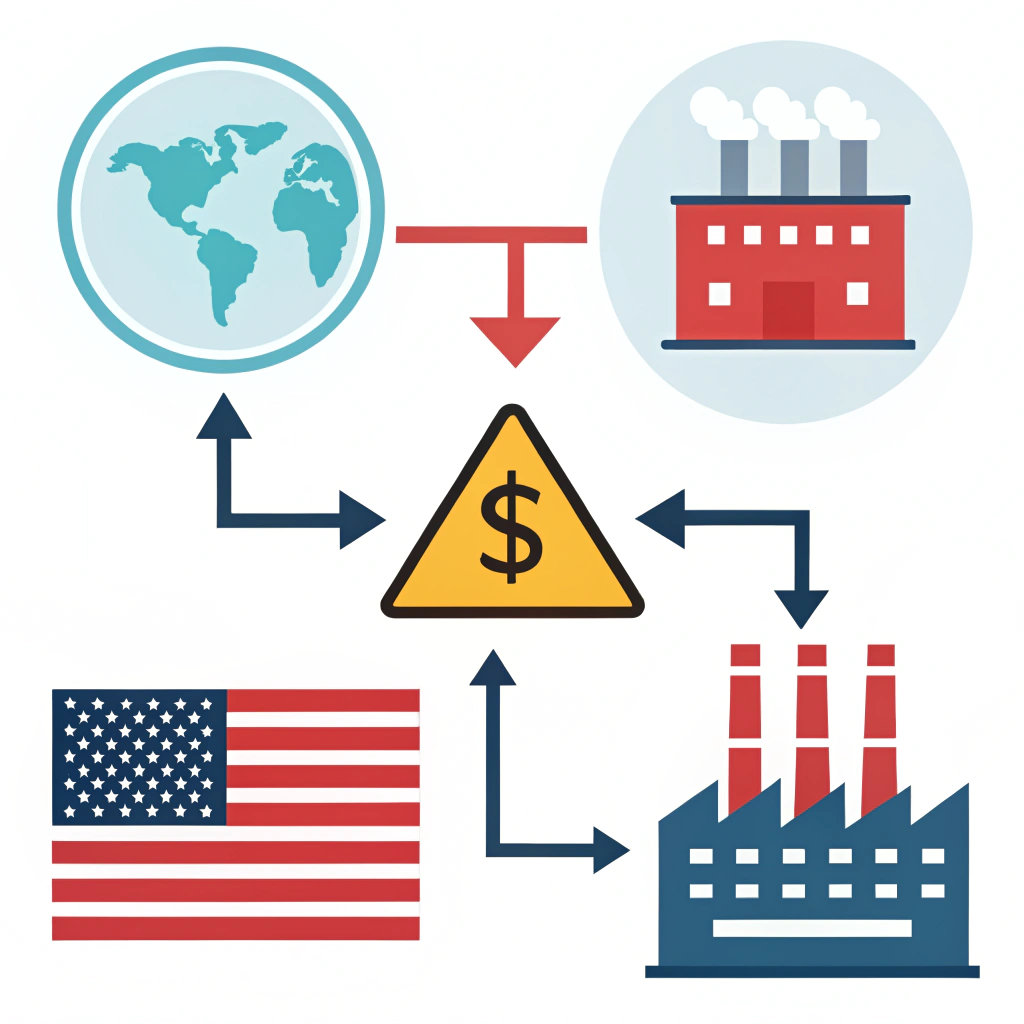
The trade relationship between the US and China has evolved into a complex web of interdependence. China is not only one of the largest suppliers for US imports but also a significant market for American exports. This dynamic has shaped supply chain practices for American businesses over the past several decades.
The economic interdependence dates back to decades of globalization3 where low-cost manufacturing in China attracted US companies looking to optimize production costs. Key segments such as electronics, machinery, textiles, and consumer goods have been deeply integrated into this supply chain. The benefits of this arrangement include low production costs and access to a vast network of manufacturing capabilities. However, it also means that any disruption in Chinese exports can ripple across US businesses, thus prompting debates over the risks of this dependence.
Recent geopolitical events and trade disputes have exposed vulnerabilities in the current supply chain framework. Some of the major risk factors include:
- Geopolitical Tensions: Heightened political conflicts and trade wars often translate into economic sanctions, tariffs, or restrictions that can disrupt the steady flow of goods.
- Supply Chain Disruptions: Natural disasters, pandemics, or logistical failures in one part of the world can lead to a significant delay or shortage in crucial product components.
- Security and Intellectual Property Risks: Concerns about intellectual property theft and cyber-espionage add another layer of complexity to reliance on Chinese suppliers.
For decision-makers, managing these vulnerabilities starts by building a transparent, diversified, and resilient supply chain strategy that spans multiple geographies.
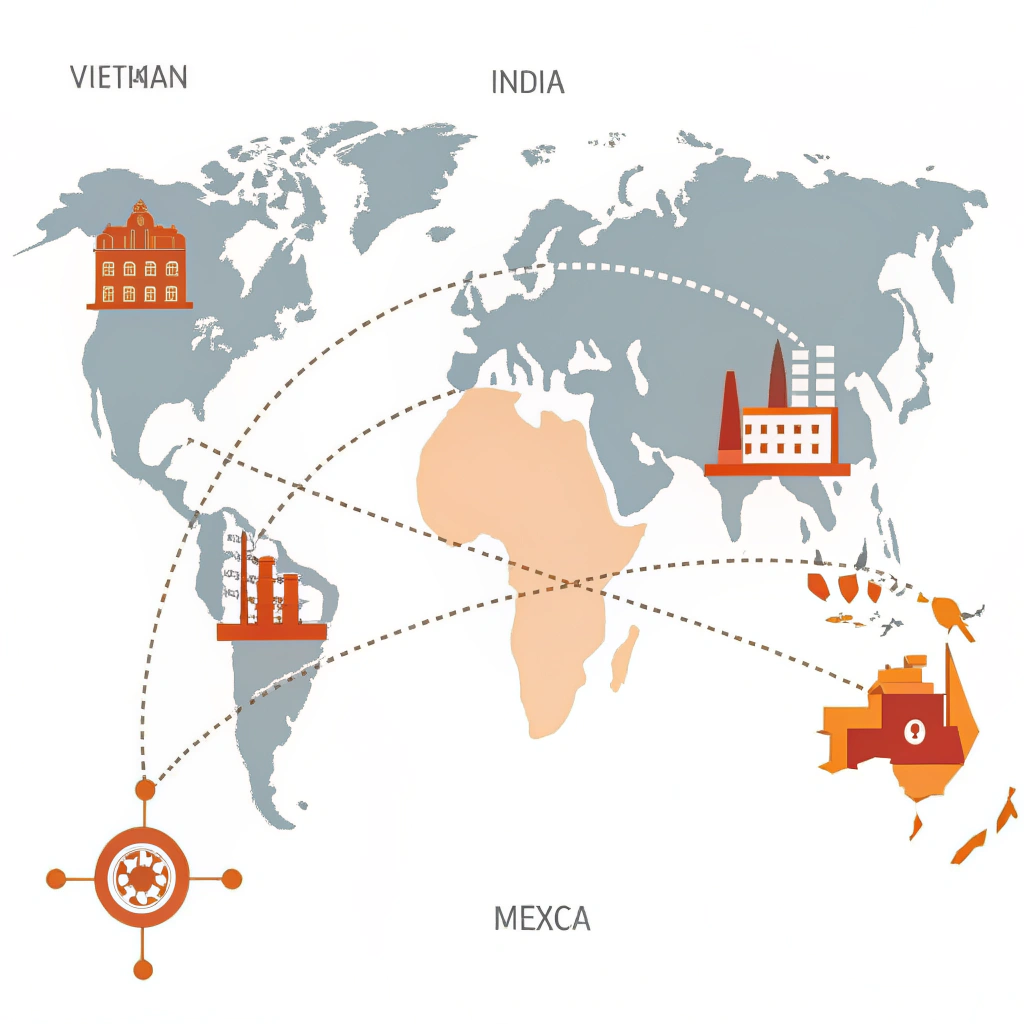
As US companies examine their dependence on China, alternative sourcing destinations have risen on the agenda. Countries such as Vietnam, India, Mexico, and several Eastern European nations are increasingly considered viable alternatives. Each alternative comes with its own set of strengths and challenges:
- Vietnam & India: Benefit from low labor costs and growing manufacturing capabilities, but may face challenges in scaling operations quickly.
- Mexico: Offers geographic proximity and lower transportation costs due to its location, but often contends with capacity constraints and varying quality standards.
- Eastern Europe: Provides a balance between quality and cost, with the advantage of being within the EU, yet may not compete on sheer cost-savings.
Below is a table that outlines some key considerations when evaluating alternative manufacturing hubs:
| Factor | Vietnam | India | Mexico | Eastern Europe |
|---|---|---|---|---|
| Cost-effectiveness | High | Very High | Moderate | Moderate |
| Proximity to US | Moderate | Low | High | Moderate |
| Scalability | Moderate-High | High | Low-Moderate | Moderate |
| Quality Standards | Improving | Variable | Consistent | High |
| Political Stability | Generally Stable | Varies by region | Stable | Stable |
This comparison illustrates that while alternatives exist, each destination has trade-offs that must be balanced against the US’s strategic objectives and risk tolerance.
Moving away from deeply entrenched supply chains that rely heavily on China has both immediate and long-term strategic repercussions for US businesses:
-
Cost Implications: The cost structure could change drastically. Initially, there may be increased production costs due to smaller scale operations or higher labor expenses in alternative regions. However, over time, investments in local manufacturing technologies and automation could mitigate these costs.
-
Supply Chain Resilience: Diversifying suppliers geographically can safeguard against regional disruptions. A multi-sourcing approach minimizes reliance on one country and enhances overall risk management. For instance, during recent global events, companies with diversified supply chains experienced fewer disruptions compared to those heavily dependent on one region.
-
Innovation and Quality Control: Shifting production bases offers an opportunity to tighten quality control and innovate with new manufacturing technologies. It could lead to a focus on developing more resilient production processes and integrating advanced automation and digital monitoring for improved operational efficiency.
-
Regulatory and Policy Considerations: US government policies increasingly favor domestic production in strategic sectors. As reshoring initiatives gain momentum, companies need to be aware of incentives, trade policies, and potential tariffs that might affect the cost-benefit analysis of moving away from China.
-
Risk Mitigation: US companies must invest in thorough risk assessments. This includes understanding political dynamics, building strong supplier vetting processes, and planning for long-term disruptions. A resilient supply chain is not just about cost savings but also ensuring continuous operations under adverse conditions.
The overall impact of decoupling is a shift from a cost-centric strategy toward a risk-managed, stability-focused approach. Companies need to weigh the initial disruptions against the benefits of a diversified supply chain in the long run.
Several American multinationals have already embarked on reconfiguring their supply chains:
-
The Automotive Sector: Leading automotive manufacturers have started localizing supply chains to mitigate risks linked with international chip shortages and sudden regulatory changes. This transition not only improves supply chain resiliency but also positions these companies to benefit from governmental incentives for domestic production.
-
Electronics and Consumer Goods: Companies in these sectors have diversified across several regions. By adopting dual sourcing strategies, they maintain a balance between cost efficiencies and robust risk management. This helps in managing unforeseen market fluctuations and enables quicker responses to demand shifts.
In both cases, companies have reported improved agility and a reduction in dependency on any single market. These real-world examples underscore the importance of forward-thinking and proactive diversification in mitigating supply chain disruptions.
The decision to function without China is not simply about completely eliminating Chinese suppliers overnight; rather, it is about strategically reducing risk while maintaining competitive pricing and product quality. Here are some recommended actions for businesses contemplating this shift:
-
Comprehensive Supply Chain Audit: Start by mapping out your dependencies. Identify critical components and assess which can be shifted to alternative suppliers without compromising quality or speed.
-
Invest in Local & Regional Capabilities: Explore opportunities for reshoring4 or near-shoring production. This might involve partnerships or joint ventures with local manufacturers, investment in technology to boost efficiency, or even mergers and acquisitions to secure supply chain footholds.
-
Leverage Technology: Incorporate cutting-edge technologies such as blockchain5 for transparency, AI for demand forecasting, and IoT for real-time monitoring. Such investments can minimize the impact of supply chain disruptions and enhance overall operational efficiency.
-
Build Strong Contingency Plans: Create robust contingency strategies that include multiple supplier contracts and alternative production scenarios. This includes establishing clear protocols to manage unexpected events such as trade restrictions or natural disasters.
-
Regulatory and Policy Alignment: Stay abreast of both US and international regulatory changes. Engage with industry bodies and policy experts to ensure that your supply chain strategy is compliant with emerging standards and benefits from available government incentives.
While the path to diversification may be challenging, the long-term benefits of enhanced supply chain resilience and reduced geopolitical risk make it a worthwhile endeavor. Companies that invest early in these strategies are likely to gain a competitive edge in an increasingly unpredictable global market.
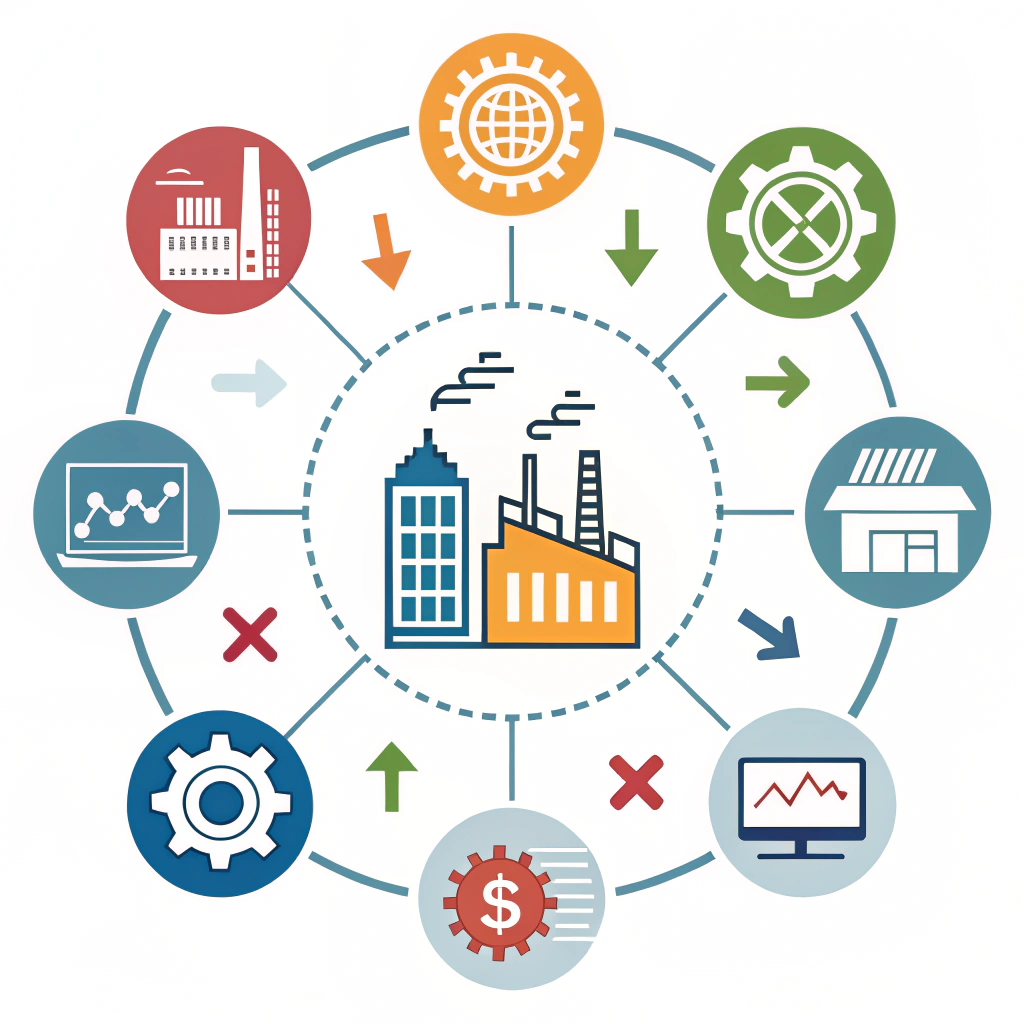
In summary, while the US can function without China, achieving a fully decoupled state is a complex process that entails significant changes across the supply chain landscape. The move requires balancing cost, risk, and quality while considering regulatory environments and leveraging new technologies for supply chain visibility and efficiency. Decision-makers must conduct a thorough analysis, invest in alternative manufacturing hubs, and build resilience into their supply chains to weather the uncertainties of a dynamically evolving global market.
How important is China to the United States?
China plays a crucial role in US trade, accounting for significant shares of both imports and exports. Its importance is underscored by the fact that China is a major supplier of electronics, machinery, and various consumer goods, despite efforts to diversify supply chains.
Does the US have to worry about China?
Yes, the US does need to approach its relationship with China with caution. Economic espionage, security concerns, and geopolitical tensions are key risks that necessitate robust risk management strategies and diversification of supply chains.
What do Americans need from China?
American businesses rely on China primarily for cost-effective manufacturing of electronics, machinery, toys, and furniture. China’s role is pivotal in ensuring that these sectors remain competitive, though efforts are underway to mitigate dependency through diversification and reshoring initiatives.
-
US-China decoupling: Reading this article helps you understand the strategic, economic, and political challenges involved in separating interdependent supply chains between the US and China, providing insights for risk management and long-term planning. Back ↩
-
supply chain resilience: Learn about enhancing supply chain resilience to better manage disruptions and ensure operational continuity in an increasingly volatile geopolitical and economic environment. Back ↩
-
globalization: Explore how decades of globalization have shaped modern supply chains, influencing cost structures, manufacturing practices, and international trade dynamics relevant to B2B operations. Back ↩
-
reshoring: Discover the benefits and challenges of reshoring production, including how it can reduce dependency on overseas suppliers and improve supply chain control for strategic enterprises. Back ↩
-
blockchain: Understand the role of blockchain technology in supply chain transparency and security, and how its implementation can streamline processes and reduce risks in B2B environments. Back ↩