

Recent geopolitical shifts and economic realignments have brought a critical question to the forefront of global commerce: Could America truly function without Chinese manufacturing? The U.S.-China trade relationship, a cornerstone of the global economy for decades, is undergoing a period of intense scrutiny and transformation. While discussions about decoupling and reshoring gain traction, the reality on the ground is far more complex. As experts in global product and supplier sourcing1, we at Mangors Sourcing understand the intricate web of dependencies and the significant implications any major shift would entail. This article delves into the multifaceted nature of this question, exploring the historical context, potential ramifications, and the evolving strategies businesses must consider.
The Indispensable Role: Why Chinese Manufacturing Became Central
China’s ascent to becoming the “world’s factory” was not an overnight phenomenon. It was the result of a confluence of factors, including strategic government policies focused on export-oriented growth, massive investments in infrastructure (ports, railways, and industrial parks), a vast and relatively low-cost labor pool, and an unparalleled ability to scale production rapidly. For American businesses and consumers, this translated into a period of unprecedented access to cost-effective goods. From everyday consumer electronics and apparel to critical industrial components and pharmaceuticals, Chinese manufacturing has permeated nearly every facet of American life. The benefits were clear: competitive pricing that kept inflation in check, a diverse and readily available supplier base that fueled innovation and product variety, and the ability for companies to bring products to market with remarkable speed and efficiency. Key sectors such as consumer electronics, textiles, furniture, toys, and automotive parts became heavily reliant on Chinese supply chains2, creating a deeply intertwined economic relationship.
 3
3
A visual representing the scale of Chinese manufacturing or a complex global supply chain originating from China.
The Hypothetical Decoupling: Challenges and Ramifications for the US
Imagining an America completely devoid of Chinese manufacturing presents a daunting scenario fraught with significant challenges. The immediate economic impact would likely be severe. U.S. companies would face substantially increased production costs4 as they scramble to find or build alternative manufacturing capacities. These costs would inevitably be passed on to consumers, leading to higher prices for a vast array of goods and potentially fueling significant inflationary pressures. Beyond price hikes, the disruption to established supply chains would be immense. Finding alternative suppliers with the same scale, efficiency, and expertise as those in China is not a simple task and would require substantial time and investment. Logistically, the hurdles are equally formidable. Few regions, if any, currently possess the manufacturing capacity, skilled labor force, and sophisticated infrastructure to absorb the sheer volume of production that currently originates from China, especially in the short to medium term. This could lead to widespread product shortages, longer lead times, and a potential stifling of innovation if access to specialized components or manufacturing know-how is curtailed. The variety of products available to American consumers could also diminish as companies struggle to replicate the diverse and agile manufacturing ecosystem that China offers.
Navigating the Future: Diversification and Strategic Sourcing
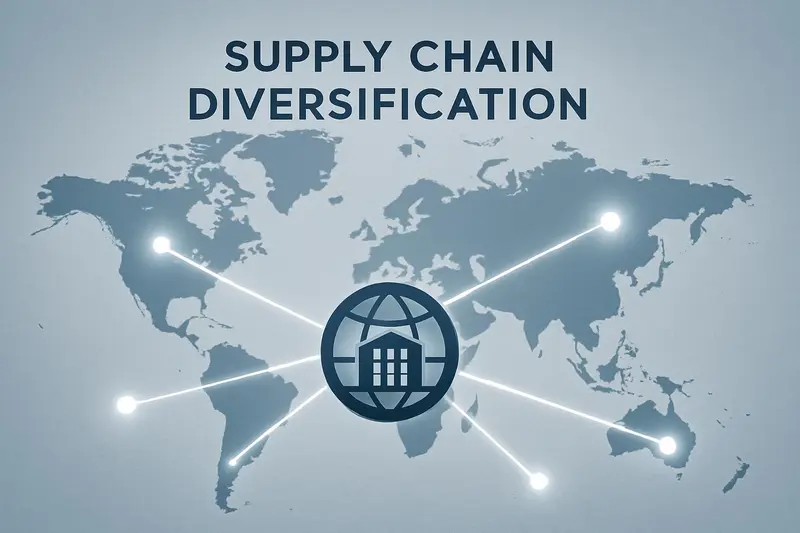
The current global landscape is undeniably pushing businesses to rethink their sourcing strategies. While a complete decoupling from China seems improbable for many industries, the trend towards diversification and building more resilient supply chains is accelerating. We are witnessing the rise of alternative manufacturing hubs across Southeast Asia (such as Vietnam, Thailand, and India), Latin America (notably Mexico, benefiting from nearshoring trends), and even parts of Eastern Europe. Each of these regions presents its own set of advantages and disadvantages concerning labor costs, infrastructure quality, regulatory environments, geopolitical stability, and skilled workforce availability. The “China Plus One strategy5“, where companies maintain a significant portion of their manufacturing in China while developing secondary supply sources elsewhere, is becoming increasingly common. This approach aims to mitigate risks associated with over-reliance on a single country. It’s crucial to understand that this isn’t necessarily about a complete exodus from China, but rather a strategic recalibration. China’s mature manufacturing ecosystem, its vast internal market, and its ongoing advancements in technology mean it will likely remain a critical player in global supply chains for the foreseeable future. The key is to move beyond a single-source dependency and embrace a more diversified and flexible approach to global sourcing, emphasizing Supply Chain Resilience6.
 7
7
A graphic illustrating supply chain diversification – e.g., a map with multiple sourcing locations, or a network diagram.
How Expert Sourcing Partners (like Mangors Sourcing) Add Value in a Shifting Landscape
In this era of shifting global trade dynamics and increasing supply chain complexity, the role of expert sourcing partners like Mangors Sourcing becomes more critical than ever. Navigating the intricacies of identifying, vetting, and managing suppliers across multiple countries and regions requires specialized knowledge and on-the-ground expertise. We assist businesses in not only finding reliable manufacturers in established markets like China but also in exploring and evaluating emerging manufacturing hubs. Our services extend beyond simple supplier identification; we manage the complexities of product development, ensure stringent quality control8 measures are in place, navigate diverse regulatory and compliance landscapes, and optimize logistics9 for a multi-polar sourcing world. Mangors Sourcing provides invaluable market intelligence, helping clients understand the specific risks and opportunities associated with different sourcing destinations. We pride ourselves on offering flexible and customized solutions, enabling businesses to adapt their sourcing strategies effectively to the new global realities. Whether it’s finding hidden factory gems, consolidating orders from multiple suppliers, or ensuring top-notch quality through thorough inspections, our deep expertise in supplier sourcing and product development empowers our clients to build resilient and efficient supply chains that can weather the evolving global manufacturing environment.
Conclusion: Towards a More Balanced and Resilient Future
In conclusion, the notion of America functioning entirely without Chinese manufacturing in the immediate future is largely improbable and would undoubtedly trigger profound economic and logistical disruptions. The deep-rooted interdependencies built over decades cannot be unwound overnight. However, the global manufacturing landscape is undeniably in a state of flux. The path forward points towards a more balanced and resilient future, characterized by strategic diversification, proactive risk mitigation, and the construction of multi-faceted supply chains. China will likely remain a significant manufacturing partner for many American businesses, but its role will evolve within a broader, more geographically diverse sourcing matrix. For businesses aiming to thrive in this dynamic environment, strategic planning, agility, and the guidance of experienced sourcing professionals are paramount. By embracing a forward-thinking approach and leveraging expert partnerships, companies can navigate the complexities of global manufacturing and build supply chains that are not only cost-effective but also robust and adaptable to the challenges and opportunities that lie ahead.
 10
10
An image symbolizing strategic global partnerships, future-focused manufacturing, or a resilient interconnected global economy.
References:
(This article is based on general industry knowledge and insights from Mangors Sourcing’s expertise in global product and supplier sourcing. Specific external data points, if incorporated, would be cited here.)
Further Reading and Explanations
- Learn more about the comprehensive process of identifying, evaluating, and engaging with suppliers globally to procure goods and services. ↩
- Understand the concept of supply chains, the network between a company and its suppliers to produce and distribute a specific product to the final buyer. ↩
- Learn more about this topic. ↩
- Explore the different types of costs involved in producing a good or service, including direct materials, direct labor, and manufacturing overhead. ↩
- Discover the business strategy that involves diversifying manufacturing and sourcing away from a sole reliance on China by adding operations in other countries. ↩
- Gain insights into how businesses can build supply chains that are better able to withstand and recover from disruptions. ↩
- Learn more about this topic. ↩
- Read about the processes by which entities review the quality of all factors involved in production. ↩
- Learn about the detailed organization and implementation of a complex operation, often referring to the management of the flow of things between the point of origin and the point of consumption. ↩
- Learn more about this topic. ↩