

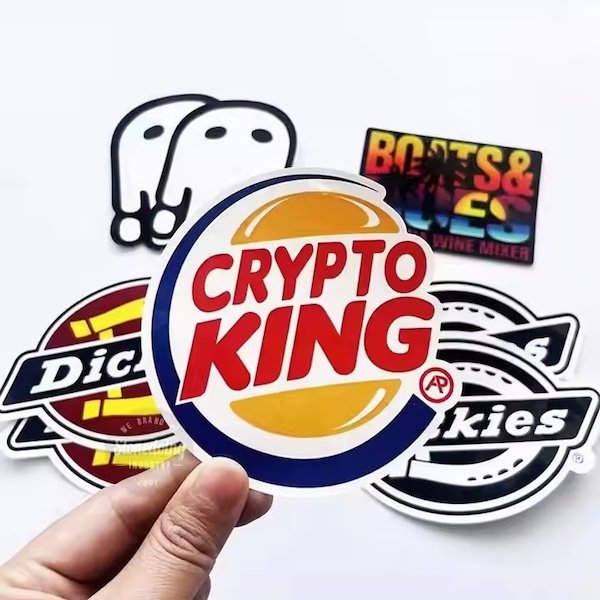
Choosing the right type of paper1 for your sticker sheet is crucial for ensuring the quality and durability of your stickers. The type of paper you use can affect the sticker’s appearance, adhesiveness2, and usability.
Selecting the appropriate paper type for sticker sheets is essential for achieving high-quality results. The right choice will depend on your desired finish and application.
Let’s explore the different paper options available and which one is best suited for your stickers.
What paper type to use for sticker paper?
When selecting paper for your sticker sheets, you have several options, each offering different qualities such as texture, durability, and finish. The most common paper types are glossy3, matte4, and vinyl-based5 materials.
The paper type used for sticker sheets largely depends on the desired finish, durability, and intended use of the sticker.

Common Paper Types for Sticker Sheets
- Glossy Paper: Known for its shiny, smooth surface, glossy paper provides vibrant color and sharp details. It’s ideal for high-impact designs, giving your stickers a professional look.
- Matte Paper: With a non-reflective finish, matte paper offers a more subtle, muted appearance. It’s perfect for designs where you want a softer, more understated look.
- Vinyl Paper: Vinyl-based paper is more durable and weather-resistant, making it an excellent choice for outdoor or long-lasting stickers.
Choosing the Right Paper for Your Sticker Sheets
- For vibrant, eye-catching designs: Glossy paper is ideal because of its smooth finish and ability to make colors pop.
- For elegant, minimalistic designs: Matte paper works best as it offers a subtle, non-glossy finish.
- For durability and outdoor use: Vinyl paper is recommended for weatherproof stickers, often used on cars, windows, or outdoor equipment.
| Paper Type | Best Use | Finish Type |
|---|---|---|
| Glossy Paper | High-impact designs, colorful artwork | Shiny, reflective |
| Matte Paper | Subtle, elegant designs, photo albums | Non-reflective, smooth |
| Vinyl Paper | Outdoor use, durable stickers | Waterproof, sturdy |
What material do stickers stick best to?
The adhesive quality of a sticker is only one part of the equation. The surface it is applied to plays a big role in how well the sticker will stick. Certain materials work better with adhesives than others, depending on their texture and finish.
Stickers adhere best to clean, smooth, and non-porous surfaces6 like plastic, glass, and metal.

Best Materials for Sticker Adhesion
- Plastic: Plastic surfaces, such as water bottles, laptop covers, or plastic signage, offer excellent adhesion for stickers. Their smooth, non-porous surface creates a strong bond with most adhesives.
- Glass: Glass is another ideal surface for stickers because of its smooth, non-porous nature. Stickers on glass are easy to apply and remove without leaving residue.
- Metal: Stickers also adhere well to metal surfaces like cars, appliances, or promotional items. They tend to bond strongly to smooth metal finishes.
Avoiding Surfaces That Do Not Stick Well
Certain materials can be more challenging for stickers to adhere to. These include:
- Rough or textured surfaces: These can reduce adhesive contact and cause stickers to peel off.
- Oily or dirty surfaces: Any contamination can prevent proper adhesion, so it’s essential to clean surfaces before applying stickers.
| Surface Type | Adhesion Quality | Best For |
|---|---|---|
| Plastic | Strong adhesion, smooth finish | Water bottles, tech devices |
| Glass | Excellent adhesion, easy removal | Windows, mirrors, storefronts |
| Metal | Strong, durable adhesion | Cars, appliances, tools |
Should stickers be matte or glossy?
When choosing between matte or glossy stickers, the decision depends on your aesthetic preference and the functionality of the sticker. Both finishes have their advantages and drawbacks, and your choice should be aligned with your specific needs.
Matte and glossy finishes each offer distinct benefits, so selecting one will depend on the style and purpose of the sticker.

Matte Stickers
- Pros: Matte stickers have a soft, subtle finish that can give your design a more elegant or vintage look. They are also less likely to show fingerprints or glare, making them ideal for stickers that will be handled often.
- Cons: Matte stickers can sometimes appear a bit duller in color compared to glossy finishes.
Glossy Stickers
- Pros: Glossy stickers have a shiny finish that makes colors look more vibrant and designs pop. The reflective surface gives them a high-impact, professional appearance.
- Cons: Glossy stickers can show fingerprints and smudges more easily, which can affect their clean appearance.
| Finish Type | Pros | Cons |
|---|---|---|
| Matte | Subtle, elegant, no glare | Can look less vibrant |
| Glossy | Vibrant, shiny, high-impact | Shows fingerprints and smudges |
What surfaces do stickers not stick to?
While most stickers adhere well to smooth, clean surfaces, there are certain surfaces where stickers may struggle to stick properly. These surfaces may prevent the adhesive from making a strong bond, leading to peeling or residue issues.
Stickers do not stick well to dirty, oily, or highly textured surfaces.
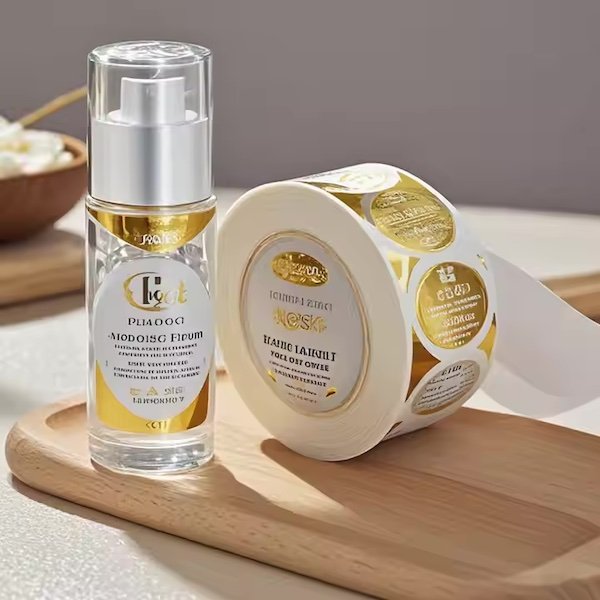
Surfaces That Are Difficult for Stickers to Adhere To
- Rough or Textured Surfaces: Surfaces with significant texture, such as fabric or rough wood, may prevent the adhesive from bonding well. The irregular surface reduces contact, leading to poor adhesion.
- Oily or Greasy Surfaces: Any oily or greasy surface, such as a kitchen appliance, will not allow a sticker to adhere properly. Oils create a barrier between the sticker and the surface.
- Wet Surfaces: Applying stickers to wet surfaces is not advisable because moisture interferes with adhesion, causing the sticker to peel off or bubble.
| Surface Type | Adhesion Quality | Best To Avoid |
|---|---|---|
| Rough Textures | Poor adhesion, irregular surface | Fabric, rough wood, bricks |
| Oily/Greasy Surfaces | Poor adhesion, sticky residue | Kitchen appliances, machinery |
| Wet Surfaces | No adhesion, peeling or bubbling | Wet surfaces, bathrooms, showers |
Conclusion
The choice of paper and surface for your sticker sheet significantly impacts the final result. To ensure the best adhesion and durability, always consider the surface type, finish, and material of both the paper and the object you’re applying your sticker to.
-
Learn about different paper types for optimal sticker quality and application. ↩
-
Understand adhesive qualities to ensure stickers stick effectively. ↩
-
Discover the benefits of glossy paper for vibrant and professional sticker designs. ↩
-
Explore matte paper advantages for elegant and subtle sticker finishes. ↩
-
Learn why vinyl-based materials are ideal for durable and weather-resistant stickers. ↩
-
Understand non-porous surfaces and their impact on sticker adhesion. ↩