

1. Introduction
With the rapid development of eCommerce, the packaging industry is constantly evolving. In modern eCommerce, packaging bags are not just tools for protecting products, but also serve multiple functions such as brand representation, environmental responsibility, and enhancing user experience. As online shopping continues to grow in popularity, choosing the right packaging bag is crucial, not only to protect products, but also to reduce shipping costs, improve customer satisfaction, and positively impact the environment.
This article will introduce the types of packaging bags commonly used in eCommerce, discuss their characteristics, applicable scenarios, environmental impact, and the factors to consider when selecting these packaging bags.
2. Basic Requirements for eCommerce Packaging Bags
2.1 Protection
The primary function of a packaging bag is to protect the product from external damage. During shipping, products are exposed to impacts, pressure, moisture, and other unfavorable conditions. The right packaging bag can effectively mitigate these risks. Therefore, the packaging bag needs to provide adequate protective features such as resistance to pressure, abrasion, moisture, and water. This is particularly important for fragile items or precision products, where packaging protection plays a critical role.
2.2 Lightness
In eCommerce logistics, the weight of packaging often affects the cost and efficiency of shipping. If the packaging is too heavy, it will increase shipping costs and can negatively impact the customer experience. Compared to traditional packaging methods like cardboard boxes or wooden crates, packaging bags are lightweight and more cost-effective. For most small to medium-sized products, bags serve as an economical and practical packaging solution.
2.3 Environmental Friendliness
As awareness of environmental issues grows, more consumers and businesses are paying attention to the environmental impact of packaging bags. Traditional plastic bags are often difficult to degrade, causing significant pollution. Now, using eco-friendly materials in packaging has become an industry trend. Materials such as biodegradable plastics, recyclable paper bags, and natural fiber bags not only help reduce environmental impact but also align with the growing demand for sustainability.
2.4 Branding and Marketing
Packaging bags also play a role in brand marketing, especially for eCommerce brands. Personalized and customized packaging bags can leave a lasting impression on consumers when they first receive the product. Unique packaging designs not only increase customer loyalty but also promote the brand through word of mouth. As a result, businesses often choose packaging bags that align with their brand image, incorporating printing and labeling to enhance market recognition.
3. Common Types of Packaging Bags in eCommerce
3.1 Plastic Bags
Plastic bags are one of the most commonly used types of packaging bags in eCommerce. They are widely used for shipping a variety of products due to their low cost, water resistance, and durability. For many products, especially those that are light or not easily damaged, plastic bags are an economical and practical packaging choice.
Pros: Low cost, suitable for bulk shipments; water-resistant and protective.
Cons: Non-eco-friendly, non-degradable, potentially harmful to the environment. They tend to degrade over time and may tear easily.
Applicable Scenarios: Apparel, electronic accessories, daily necessities, etc.

3.2 Polyethylene Bags (PE Bags)
Polyethylene (PE) bags are made from polyethylene material and offer higher tensile strength, providing better moisture protection. They are commonly used for packing products that need extra protection from the elements.
Pros: Durable, high tensile strength, moisture-resistant, moderately priced.
Cons: Still made of plastic, which is not biodegradable, and can contribute to pollution.
Applicable Scenarios: Cosmetics, food items, clothing, accessories, etc.

3.3 Bubble Wrap Bags
Bubble wrap bags contain a layer of air bubbles, which are designed to protect fragile products during shipping. The bubble structure helps cushion external impacts, preventing damage to sensitive items.
Pros: Excellent protection, especially for fragile items such as electronics and glass.
Cons: Higher cost, not suitable for bulk products.
Applicable Scenarios: Electronics, glassware, handicrafts, etc.

3.4 Kraft Paper Bags
Kraft paper bags are made from natural kraft paper and have a rustic, natural appearance. These bags are often used for high-end product packaging, particularly for brands focused on eco-friendliness. Kraft paper bags are not only recyclable but also provide a certain level of moisture resistance.
Pros: Eco-friendly, biodegradable, gives a natural and premium feel, suitable for eco-conscious brands.
Cons: Less durable than plastic or composite bags, can tear easily, and higher production costs.
Applicable Scenarios: Gifts, luxury products, food items, etc.

3.5 Composite Material Bags
Composite material bags are made from multiple layers of different materials, such as paper plus plastic or fabric plus plastic. These bags generally provide better moisture resistance and strength, making them suitable for various types of products.
Pros: Moisture-resistant, durable, protective.
Cons: More complex production process and higher costs.
Applicable Scenarios: Heavy goods, moisture-sensitive products, large items, etc.

3.6 Fabric Bags
Fabric bags, often made from natural materials like cotton or linen, are ideal for packaging premium or custom products. These bags are reusable, eco-friendly, and breathable, making them perfect for environmentally conscious consumers.
Pros: Reusable, eco-friendly, breathable, high-quality feel.
Cons: Expensive, not suitable for mass-market products, and less protective compared to plastic.
Applicable Scenarios: Luxury items, custom products, eco-friendly brands, etc.
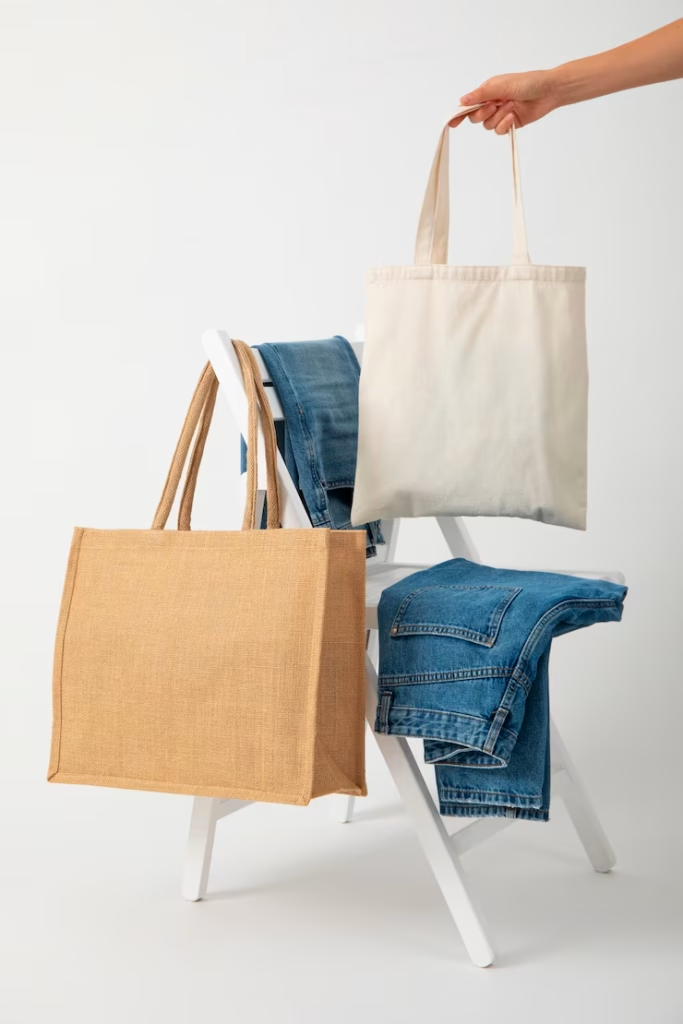
3.7 Non-Woven Fabric Bags
Non-woven fabric bags are made from non-woven fabric materials, which are strong, lightweight, and durable. These bags are often used for shopping and promotional purposes and are increasingly popular in eCommerce.
Pros: Reusable, eco-friendly, moderate price, suitable for large-volume production.
Cons: Not as durable as fabric bags, and their protective capacity is less than plastic or bubble wrap bags.
Applicable Scenarios: Shopping bags, promotional events, customized bags for businesses, etc.

4. Trends in Eco-Friendly Packaging Bags
4.1 Biodegradable Material Bags
As environmental regulations become stricter, more eCommerce businesses are opting for biodegradable packaging bags. Materials such as corn starch, PLA (polylactic acid), and other plant-based options can naturally degrade after use, reducing environmental harm.
4.2 Paper Bags Replacing Plastic Bags
Paper bags, as an environmentally friendly material, are increasingly being used in eCommerce. Paper bags are not only recyclable but also provide good protection for products during transportation. Many eCommerce businesses are now encouraging the use of paper bags instead of traditional plastic bags, especially for items like food and apparel.
4.3 Reusable Bags
Bags made from fabric or non-woven materials emphasize reusability. With rising environmental awareness, more consumers and businesses are adopting reusable packaging. Reusable bags not only reduce packaging waste but also enhance a brand’s eco-conscious image.
5. Factors to Consider When Choosing the Right Packaging Bag
5.1 Product Type
Different products require different types of packaging bags. For example, fragile items, food, or heavy products all require specific packaging solutions. Fragile items might need bubble wrap or composite bags, food products must comply with food safety standards, and heavy items are better suited for durable paper or fabric bags.
5.2 Cost Control
Cost is an important consideration when choosing packaging bags, especially for large-scale eCommerce operations. Businesses need to balance the cost of packaging materials with the protection they offer, ensuring that they provide adequate protection while keeping shipping costs low.
5.3 Environmental Considerations
With the growing emphasis on sustainability, businesses should take into account the eco-friendliness of packaging materials. It’s crucial to select materials that are recyclable, biodegradable, or reusable to minimize environmental impact.
5.4 Brand Image
Packaging is an important part of a brand’s identity. Packaging bags are not just logistics tools; they also communicate the brand’s values. Businesses can use personalized packaging bags and eco-friendly materials to enhance their brand recognition and build a loyal customer base.
6. Conclusion
As eCommerce continues to grow and consumers become more environmentally conscious, the types of packaging bags used are becoming more diverse. Businesses need to consider factors like product type, logistics needs, cost, and sustainability when choosing packaging bags. Eco-friendly materials and sustainable packaging trends are becoming mainstream, and eCommerce platforms and brands must adapt by offering innovative and eco-conscious packaging solutions that meet market and consumer demands.
